
Table of Contents >> Show >> Hide
- Why Walking Is Such a Good Starting Point
- Before You Start: 5 Smart Setup Steps
- How This Beginner Walking Program Works
- The 8-Week Beginner Walking Program
- What to Do on Rest Days
- How to Make Walking Easier on Your Joints
- Warning Signs You Should Not Ignore
- How to Measure Success Beyond the Scale
- Common Beginner Walking Mistakes
- Real-World Experiences From an 8-Week Walking Journey
- Conclusion
- SEO Tags
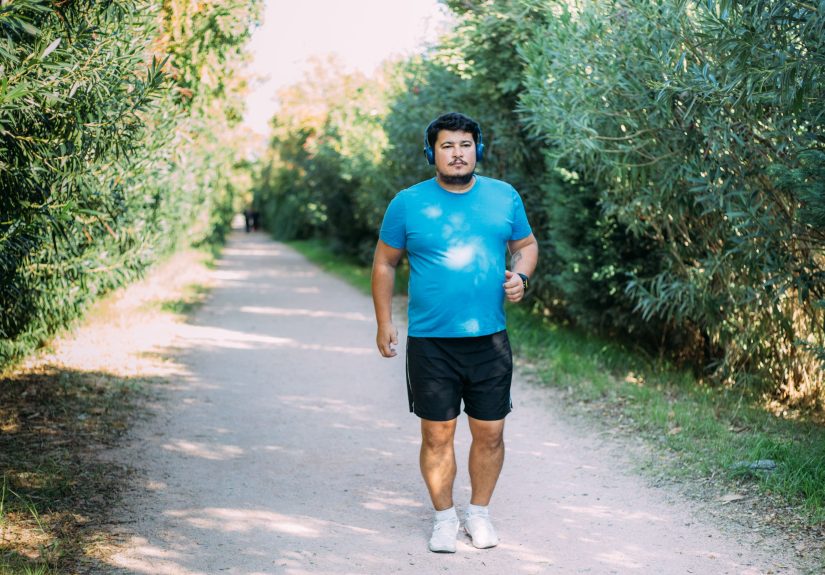
Walking has one of the best reputations in fitness, and honestly, it earned it. You do not need fancy equipment, a gym membership, or a playlist that sounds like it was assembled by a caffeinated superhero. You need shoes, a little consistency, and a plan that does not try to turn Day 1 into a boot camp documentary.
For people with overweight and obesity, walking is often a smart place to start because it is practical, low-impact, and easy to adjust. You can slow it down, break it into shorter sessions, and build momentum without feeling like your joints just filed a formal complaint. Better yet, a beginner walking program can support weight management, improve stamina, lift mood, help with sleep, and make everyday tasks feel less like Olympic events.
This guide gives you a realistic 8-week beginner walking program, plus safety tips, pacing advice, and real-world strategies to help you stick with it. The goal is not perfection. The goal is progress you can actually live with.
Why Walking Is Such a Good Starting Point
A walking routine works because it meets beginners where they are. You do not need to be “in shape” to begin. You begin, and that is how you slowly get in shape. For people living with overweight or obesity, that matters. High-impact exercise can feel rough on the knees, hips, back, and confidence. Walking tends to be more approachable, especially when the pace is comfortable and the program increases gradually.
Walking for weight loss is also about more than the scale. In the early weeks, many beginners notice changes in energy, mood, sleep, stress levels, and daily mobility before they see dramatic changes in body weight. That is not failure. That is your body sending a very nice message that says, “Thanks for moving me again.”
Another major advantage is flexibility. A 30-minute walk does not have to happen in one grand cinematic block. You can split it into two 15-minute walks or even three 10-minute walks if that feels more manageable. Those minutes still count, and for many beginners, shorter bouts are the difference between “I can do this” and “I will think about doing this while sitting down.”
Before You Start: 5 Smart Setup Steps
1. Get medical clearance when it makes sense
Check with a healthcare professional before starting a new walking program if you have obesity plus a chronic condition such as heart disease, diabetes, lung disease, severe arthritis, balance problems, or frequent chest pain or shortness of breath with activity. A beginner exercise plan should feel safe, not mysterious.
2. Choose supportive walking shoes
Walking shoes matter more than people think. Look for a pair with cushioning, arch support, a firm heel, and enough room in the toe box so your feet are not negotiating peace treaties by mile one. Comfortable, supportive shoes can reduce blisters, absorb shock, and make it much easier to stay consistent.
3. Learn the talk test
Your target pace for most of this 8-week walking program is moderate intensity. The easiest way to judge that is the talk test: you should be able to talk, but not sing. If you are gasping like you are fleeing a bear, slow down. If you could recite a full movie monologue without effort, pick up the pace a little.
4. Warm up and cool down
Start each walk with 5 minutes at an easy pace. End each walk with another 5 easy minutes. This helps your body shift into and out of exercise more comfortably. No dramatic launch sequence required.
5. Track consistency, not just weight
Use a notebook, calendar, app, or simple phone note to log your walks. Record the date, time, how long you walked, and how you felt. Tracking can show patterns you might otherwise miss, like improved stamina, less soreness, or fewer “I almost skipped it” days.
How This Beginner Walking Program Works
The walking schedule below is designed for beginners with overweight and obesity who may be inactive, deconditioned, or returning to exercise after a long break. The program builds gradually toward a sustainable goal of walking most days of the week.
- Intensity: Easy to moderate, using the talk test
- Warm-up: 5 minutes easy walking before each session
- Cool-down: 5 minutes easy walking after each session
- Flex option: Split longer sessions into shorter walks if needed
- Important rule: Repeat a week before progressing if pain, fatigue, or recovery becomes a problem
Note: The times below refer to your main walking time and do not include the warm-up and cool-down.
The 8-Week Beginner Walking Program
Week 1: Show Up, Do Not Show Off
- Days: 4
- Main walk: 10 minutes
- Weekly total: 40 minutes
- Goal: Build the habit and finish each walk feeling like you could have done a little more
This week is about proving that starting is possible. Keep the pace comfortable. You are not “behind.” You are building a base.
Week 2: Add a Little Time
- Days: 4
- Main walk: 12 to 15 minutes
- Weekly total: 48 to 60 minutes
- Goal: Feel slightly more purposeful while keeping the effort manageable
If 15 minutes feels like too much, stay at 12. The best walking workout is the one you can repeat next week.
Week 3: Settle Into a Routine
- Days: 4
- Main walk: 15 to 18 minutes
- Weekly total: 60 to 72 minutes
- Goal: Establish a steady pace and consistent weekly rhythm
This is often the week when walking starts to feel less like a project and more like a normal part of the day. That is a big win.
Week 4: Add One More Day
- Days: 5
- Main walk: 18 to 20 minutes
- Weekly total: 90 to 100 minutes
- Goal: Increase frequency without making the walks miserable
A fifth day matters because it makes movement more regular. This is where the beginner walking plan starts to feel like a lifestyle, not a temporary challenge.
Week 5: Build Endurance, Gently
- Days: 5
- Main walk: 20 to 22 minutes
- Weekly total: 100 to 110 minutes
- Goal: Improve stamina and stay consistent
Some people notice a motivation dip around here because the newness wears off. That is normal. Stick with the routine anyway. Motivation is lovely, but habit pays the bills.
Week 6: Nudge the Pace or Distance
- Days: 5
- Main walk: 22 to 25 minutes
- Weekly total: 110 to 125 minutes
- Goal: Walk with slightly more confidence and a clearer moderate pace
If you feel good, let part of the walk become a bit brisker. Not sprinting. Not dramatic soundtrack music. Just a more energetic pace.
Week 7: Get Close to the Target
- Days: 5
- Main walk: 25 to 28 minutes
- Weekly total: 125 to 140 minutes
- Goal: Prepare your body and schedule for regular longer walks
This week often reveals how far you have come. Tasks that felt tiring in Week 1 may already feel easier. Stairs become less rude. Errands become less exhausting.
Week 8: Reach a Strong Beginner Milestone
- Days: 5
- Main walk: 30 minutes
- Weekly total: 150 minutes
- Goal: Reach a sustainable beginner benchmark for moderate aerobic activity
Congratulations. You have built a solid walking routine. From here, you can maintain this schedule, increase pace gradually, add hills, or work toward longer weekend walks.
What to Do on Rest Days
Rest days are not laziness. They are part of the program. Use them to recover, stretch gently, do light household movement, or simply avoid turning into a statue. If you want an extra boost, try very light activity such as easy mobility work, casual walking around the house, or short errands on foot.
For better long-term health, add light muscle-strengthening work on 2 nonconsecutive days each week. That could include chair sit-to-stands, wall push-ups, calf raises, or resistance-band rows. Strength training helps support joints, improve function, and preserve muscle while you work on weight management.
How to Make Walking Easier on Your Joints
People with overweight and obesity often worry that walking will automatically destroy their knees. Usually, the problem is not walking itself. The problem is doing too much, too fast, in the wrong shoes, on the wrong surface, with no recovery plan.
- Choose flat, predictable routes in the beginning
- Start with shorter walks instead of one long march
- Use supportive shoes and breathable socks
- Walk on even surfaces to reduce trip risk
- Reduce hills until your stamina improves
- If arthritis or joint pain is significant, consider water walking or pool exercise as an alternative
Mild muscle soreness can be normal at first. Sharp pain, limping, swelling that worsens, or pain that changes your gait is your sign to pause, recover, and adjust the plan.
Warning Signs You Should Not Ignore
Stop walking and get medical advice right away if you develop chest pain, severe shortness of breath, dizziness, faintness, a racing or irregular heartbeat, or nausea that feels unusual during exercise. Also be careful in hot weather. Signs of overheating can include heavy sweating, weakness, headache, dizziness, nausea, cool clammy skin, or dark urine.
Hydrate, dress for the weather, and choose cooler times of day when temperatures are high. Heroics are optional. Heat exhaustion is not.
How to Measure Success Beyond the Scale
A beginner walking program should support weight loss goals, but body weight is only one scoreboard. In the first 8 weeks, your wins may include:
- Walking longer without stopping
- Less puffing and panting during daily activities
- Better sleep quality
- Improved mood and lower stress
- More confidence leaving the house for exercise
- Less stiffness after sitting
- A stronger sense that your body can do more than you thought
Those “non-scale victories” matter because they often come first. They also help you stay motivated long enough to see body-composition and health changes over time.
Common Beginner Walking Mistakes
Starting too aggressively
You do not need to earn fitness through suffering. Starting too hard often leads to soreness, skipped sessions, and a deeply unnecessary argument with your ankles.
Skipping the warm-up
Those easy first minutes help your body adjust. Going from couch to speed-walk instantly is not efficient. It is just rude.
Trying to “make up” missed workouts
Missed a day? Fine. Resume the plan. Do not punish yourself with a mega-walk unless your goal is to become very familiar with regret.
Using weight loss as the only reason to continue
Walking improves cardiovascular fitness, blood sugar control, mood, mobility, and daily function. Even when the scale moves slowly, your body can still be making important progress.
Real-World Experiences From an 8-Week Walking Journey
One of the most useful things to know about an 8-week walking program is that the experience is rarely dramatic in the way social media likes to suggest. Most beginners do not transform into fitness influencers by next Tuesday. What usually happens is quieter, more practical, and honestly more impressive.
In Week 1, many people feel awkward more than athletic. The walk may feel longer than expected. Shoes may suddenly become a major topic. Some beginners are surprised by how much mental resistance shows up before a 10-minute walk. That is normal. Starting can feel bigger than the workout itself.
By Weeks 2 and 3, the body often begins to cooperate a little more. Breathing settles faster. The first few minutes feel less creaky. Some people notice that they are less stiff after sitting, more awake in the morning, or less stressed after a walk. Others discover that a short walk after dinner helps them feel less sluggish. These are not flashy changes, but they are meaningful.
Week 4 is often where confidence starts to grow. A walk no longer feels like a random good deed. It feels like part of the routine. A person who once thought, “I am not the exercise type,” may begin thinking, “I guess I am someone who walks now.” That shift in identity is powerful. It turns exercise from punishment into self-care.
Weeks 5 and 6 can be sneaky. Progress is happening, but motivation may wobble. The honeymoon phase is over, and the schedule has to fit real life: work, family, bad weather, low energy, and the occasional day when the couch has the charisma of a movie star. This is where consistency matters most. Not perfect consistency. Just enough consistency to keep the habit alive.
By Weeks 7 and 8, many beginners notice that everyday life feels easier. Walking through a parking lot is less annoying. Grocery shopping is less tiring. Stairs still exist, unfortunately, but they may seem slightly less smug. Some people notice their clothes fitting differently. Some lose weight. Some do not see huge scale changes yet, but they feel stronger, steadier, and more in control.
There is also an emotional side to the experience. People with overweight and obesity often carry years of frustration, shame, or all-or-nothing thinking around exercise. A realistic walking routine can begin to repair that relationship. It proves that movement does not have to be punishing to be effective. It can be kind, gradual, and still count.
That may be the biggest lesson of all: success in walking is not about crushing every workout. It is about returning to the plan, again and again, until the habit becomes part of your life. The body changes. The mind changes. And over time, the person who once dreaded exercise may become the person who says, “I feel better when I walk.” That is not a small thing. That is the start of something durable.
Conclusion
An 8-week beginner walking program for people with overweight and obesity does not need to be extreme to be effective. Start slow, use the talk test, wear good shoes, build gradually, and let consistency do the heavy lifting. Over time, walking can support weight management, improve stamina, reduce stress, and help you feel more at home in your body.
The smartest walking program is not the one that looks toughest on paper. It is the one you can keep doing next week, next month, and long after the novelty wears off. Start where you are, keep it realistic, and let your routine grow stronger one walk at a time.




 Close
Close