
Table of Contents >> Show >> Hide
- What Chronic Pain Really Does to a Person
- What Mindfulness Is, and What It Definitely Is Not
- Why Mindfulness Can Help Chronic Pain
- What the Research Says
- Mindfulness Practices That Make Sense for People in Pain
- How to Start Without Making It Weird or Impossible
- What Mindfulness Cannot Do
- Where Mindfulness Fits in a Smarter Pain Plan
- Experiences of Living With Pain and Learning Mindfulness
- Conclusion
Chronic pain has a sneaky talent: it can turn a normal Tuesday into an Olympic event. Getting out of bed becomes a project. Sitting too long hurts. Standing too long hurts. Sleeping is somehow both necessary and suspicious. Over time, pain stops feeling like a symptom and starts acting like an uninvited roommate who never pays rent and always hogs the thermostat.
That is exactly why mindfulness has become such an important part of chronic pain care. Not because it is mystical. Not because it asks people to “think happy thoughts” while their back is staging a protest. And definitely not because it promises to cure every ache with a few peaceful inhales. Mindfulness matters because it can change how people relate to pain. For many, that shift can reduce suffering, improve daily function, and create a little more breathing room in a body that feels constantly on edge.
If that sounds small, it is not. When pain has been driving the bus for months or years, even a little more control can feel enormous.
What Chronic Pain Really Does to a Person
Chronic pain is pain that lasts beyond normal healing time, often for months and sometimes much longer. It can show up with arthritis, fibromyalgia, nerve pain, migraines, back pain, autoimmune disease, endometriosis, old injuries, or conditions that still leave doctors scratching their heads. Whatever the source, long-term pain rarely stays in one lane.
It affects sleep, mood, concentration, relationships, work, exercise, and confidence. People with chronic pain often begin avoiding movement because they fear making things worse. They may cancel plans, skip workouts, lose patience, and feel like their world keeps getting smaller. Pain is not just a sensation. It is an experience shaped by the nervous system, stress, memory, fear, and attention.
That does not mean the pain is imaginary. It means pain is real, physical, and deeply connected to the mind and body at the same time. Once that idea clicks, mindfulness stops sounding fluffy and starts sounding practical.
What Mindfulness Is, and What It Definitely Is Not
Mindfulness is the practice of paying attention to the present moment with openness and less judgment. That is the formal definition. The everyday definition is simpler: noticing what is happening right now without instantly wrestling it to the ground.
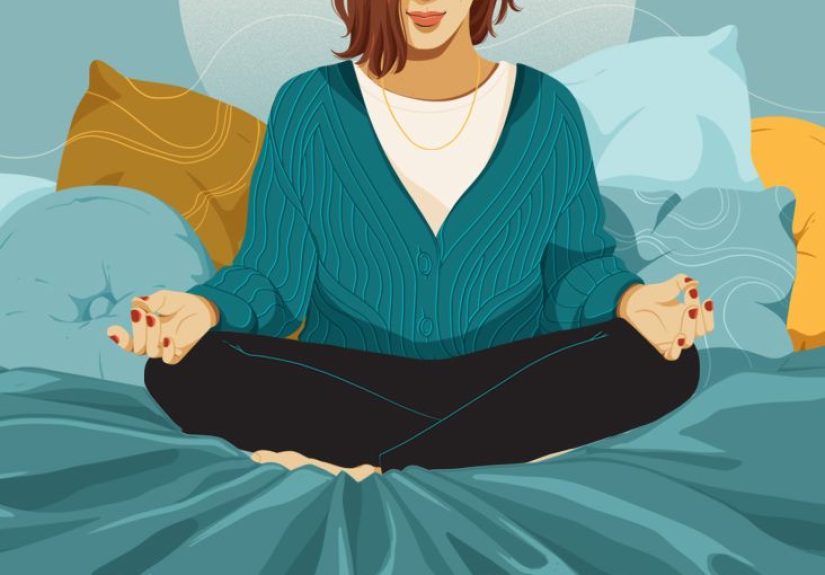
Mindfulness is not pretending pain feels good. It is not spiritual perfection. It is not sitting cross-legged on a mountaintop while birds approve of your posture. It is also not passivity. Mindfulness does not tell people to “just accept it” and do nothing. Instead, it helps them notice sensations, thoughts, emotions, and stress reactions more clearly so they can respond with more skill and less panic.
For someone with chronic pain, that can be a game changer. The goal is not to erase every symptom. The goal is to reduce the second layer of suffering that piles on top of pain: fear, tension, frustration, catastrophizing, and the exhausting habit of fighting every sensation all day long.
Why Mindfulness Can Help Chronic Pain
It lowers the body’s alarm level
Pain and stress are close friends, and unfortunately they are terrible influences on each other. Pain raises stress. Stress tightens muscles, disrupts sleep, and increases sensitivity. That makes pain feel louder, which raises stress again. Congratulations, the loop is now self-employed.
Mindfulness can interrupt that loop. Slow breathing, present-moment awareness, and nonjudgmental observation can calm the nervous system and reduce some of the body’s stress response. When the system is less revved up, pain may feel more manageable.
It changes attention, not just sensation
Pain loves attention. The more threatened we feel by it, the more it dominates the mental spotlight. Mindfulness teaches people to notice pain without making it the only thing on stage. Instead of “This pain is ruining everything and it will never stop,” the internal message can become, “There is pain in my lower back right now, and I also notice my breathing, my feet on the floor, and the cool air on my skin.”
That sounds simple, but it changes the experience. The pain may still be there, yet it is no longer the only signal the brain is broadcasting.
It improves function, which matters a lot
One of the most useful truths in pain care is this: improvement is not measured only by pain scores. It is also measured by function. Can you walk farther? Sleep better? Focus longer? Feel less afraid of movement? Get through dinner without wanting to throw your chair out a window?
Mindfulness often helps on that front. Even when pain intensity changes only modestly, people may feel more capable, less reactive, and more able to participate in daily life. That is not a consolation prize. That is real progress.
What the Research Says
The evidence for mindfulness and chronic pain is encouraging, but it is not a fairy tale. Studies suggest mindfulness-based approaches can help reduce pain intensity and improve physical functioning, especially when practiced consistently. Researchers have also found benefits for pain-related distress, anxiety, depression, sleep, and quality of life in some patients.
At the same time, the benefits are usually described as modest rather than miraculous. That is worth saying clearly. Mindfulness is not a magic trick. It is a skill. It tends to work best as part of a broader plan that may also include physical therapy, medication, exercise, sleep support, pacing, counseling, or other non-drug treatments.
One of the best-known approaches is Mindfulness-Based Stress Reduction, or MBSR, an eight-week program that commonly includes body scans, sitting meditation, mindful movement, and home practice. Clinical trials in chronic low back pain have found that mindfulness-based treatment can improve pain and function compared with usual care. More recent research has also shown that mindfulness-based therapy and cognitive behavioral therapy can both help people with chronic low back pain, including some who are using opioids, with improvements in pain, function, and quality of life.
That comparison is important. Mindfulness is not competing in a reality show against other therapies. In many cases, it belongs on the same team. The smartest pain care is usually layered, flexible, and realistic.
Mindfulness Practices That Make Sense for People in Pain
Body scan meditation
This is often the gateway practice for chronic pain, and for good reason. A body scan guides attention slowly through the body, usually from feet to head, noticing sensations without trying to fix them on the spot. That may include warmth, tightness, heaviness, throbbing, tingling, or neutral areas that are not screaming for attention.
Body scans can help people stop bracing against the whole body at once. They also teach an important lesson: sensations change. Even pain that feels solid can pulse, shift, spread, cool down, or sharpen. Observing that movement can soften the sense that the pain is one giant, permanent block of doom.
Breath awareness
Focusing on the breath gives the mind a steady anchor. When pain spikes, attention can return to the sensation of air moving in and out, the rise of the chest, or the length of the exhale. The breath does not need to be perfect. It is just something reliable to come back to when the mind starts sprinting into worst-case scenarios.
Mindful movement
For many people with chronic pain, stillness is not always soothing. Gentle movement can feel better. Practices like mindful walking, stretching, yoga, or tai chi may help people reconnect with movement in a less fearful way. The key word is gentle. This is not the time for punishment disguised as wellness.
The “pause before panic” method
During a flare, mindfulness can begin with a tiny pause: notice the sensation, relax the jaw, unclench the shoulders, exhale slowly, and name what is happening without judgment. “Pain is rising.” “I feel scared.” “My body is bracing.” That pause will not solve everything, but it can stop the flare from recruiting an entire mental marching band.
How to Start Without Making It Weird or Impossible
A common mistake is assuming mindfulness only counts if it looks impressive. It does not. You do not need candles, a perfect playlist, or a deep commitment to becoming a forest monk by Thursday.
Start small and boring. Seriously. Five minutes can be enough to begin. Sit or lie somewhere reasonably comfortable. Notice your breathing. When thoughts wander, bring attention back. When pain shows up, notice it as sensation instead of instantly labeling it a disaster. Repeat tomorrow.
Consistency matters more than intensity. A short daily practice often works better than one heroic forty-five-minute session followed by six days of “I forgot.” Over time, people can build toward longer practices, guided meditations, body scans, or structured programs like MBSR.
It also helps to choose the right moment. Trying mindfulness for the first time during a full-blown flare is like learning to swim in a thunderstorm. Practice during calmer moments too, so the skill is available when pain ramps up.
What Mindfulness Cannot Do
Mindfulness cannot replace medical care when medical care is needed. It cannot fix every structural problem, cure inflammatory disease, or substitute for a thoughtful diagnosis. It cannot guarantee that pain will disappear. And it should never be used to blame patients when symptoms persist.
That matters because people with chronic pain are often handed simplistic advice wrapped in cheerful packaging. “Have you tried relaxing?” is not a treatment plan. Mindfulness is useful precisely because it is more respectful than that. It recognizes pain as real, complex, and exhausting. It offers tools, not lectures.
The healthiest mindset is this: mindfulness is not surrender, and it is not a cure-all. It is training for attention, emotional regulation, and nervous system support. In a life shaped by pain, those things count.
Where Mindfulness Fits in a Smarter Pain Plan
Mindfulness works best when it is woven into everyday life. It may sit alongside physical therapy, better sleep habits, a pacing strategy, nutrition changes, counseling, medication review, or low-impact exercise. For some, it also pairs well with cognitive behavioral therapy, support groups, or guided pain programs.
In other words, mindfulness should not be treated like a lonely hero sent to defeat a dragon with a paper straw. It is one effective tool in a larger toolkit. A very useful tool, yes, but still part of a whole system.
The most successful approach is usually the least dramatic: steady practice, realistic expectations, and support from clinicians who understand that pain affects both body and mind.
Experiences of Living With Pain and Learning Mindfulness
For many people, the first experience of mindfulness is not peaceful. It is awkward. Maybe even irritating. Someone sits down, closes their eyes, notices their pain more clearly, and thinks, Excellent. I have paid money to become more aware of my knee. That reaction is common.
At first, mindfulness can feel like turning up the lights in a cluttered room. Suddenly the person notices how tense their shoulders are, how fast they are breathing, how often they mentally predict disaster, and how little time they spend feeling safe in their own body. It is not always pleasant. But it is honest, and honesty is where change begins.
Over time, many people describe a subtle shift. The pain may still arrive in the morning, but panic does not arrive with quite the same speed. A flare that once took over the whole day might still be hard, but it no longer gets to write the entire script. The person begins to notice pockets of neutrality: a warm shower, a calm breath, a stretch that helps, a conversation that distracts, five minutes when the body is uncomfortable but not unbearable.
That change can feel deeply personal. Someone with migraines may learn to sense the earliest tension and respond sooner. Someone with back pain may stop interpreting every twinge as catastrophe and start moving more confidently. Someone with fibromyalgia may find that mindfulness does not remove the fatigue, but it reduces the fight against the fatigue, which makes the day feel less punishing.
There is also an emotional side to this experience. Chronic pain often comes with grief. People miss their old routines, old energy, old spontaneity, old bodies. Mindfulness does not erase that grief, but it can make room for it. Instead of forcing constant positivity, it teaches people to say, “This is hard, and I am here.” That kind of self-talk is quieter than pep-talk culture, but often more healing.
Some people notice benefits outside pain itself. They sleep a little better. They snap less at family. They catch themselves bracing before a long drive and soften. They begin to trust that a painful moment is a moment, not a prophecy. Those are not flashy victories, but they are real ones.
Perhaps the most meaningful experience many describe is the return of choice. Pain may still be present, but it no longer dictates every reaction. There is a pause. A breath. A little space between sensation and story. And in that space, people often find something chronic pain tries very hard to steal: a sense of agency.
That may be the best promise mindfulness can offer. Not perfection. Not instant relief. Just a more livable present tense.
Conclusion
Mindfulness is not about denying chronic pain or pretending it is smaller than it feels. It is about meeting pain with steadier attention, less fear, and better tools. Research suggests it can help many people reduce pain-related distress, improve daily function, and regain a sense of control, especially when it is practiced consistently and combined with a broader care plan.
That may not sound glamorous. Good. Chronic pain rarely responds to glamour. It responds better to patient, repeatable skills that help the nervous system settle down and the mind stop treating every flare like the end of civilization. Mindfulness is one of those skills. And for people living with pain, that can be a very big deal.





 Close
Close