
Table of Contents >> Show >> Hide
- What Does Asthma Prevalence Mean?
- How Common Is Asthma in the United States?
- Asthma Prevalence in Children
- Asthma Prevalence in Adults
- Who Is Most Affected by Asthma?
- Why Asthma Prevalence Varies by Location
- Environmental Triggers and Asthma Prevalence
- Asthma Prevalence and Health Care Access
- Why Asthma Prevalence Matters for Schools and Workplaces
- How Asthma Prevalence Is Measured
- Can Asthma Prevalence Be Reduced?
- Practical Examples of Asthma Prevalence in Real Life
- Experiences Related to Asthma Prevalence
- Conclusion
Asthma prevalence may sound like the kind of phrase that belongs in a medical textbook, right between “bronchial hyperresponsiveness” and “words nobody says at brunch.” But it is actually a very practical idea. It tells us how many people are living with asthma at a given time, where the condition is more common, who is most affected, and why some communities carry a heavier breathing burden than others.
In the United States, asthma is not a rare condition hiding in the corner of the health care system. It is one of the most common chronic respiratory diseases, affecting children, adults, families, schools, employers, hospitals, and public-health budgets. According to recent national surveillance data, more than 26 million Americans currently live with asthma, including millions of children and more than 22 million adults. That means asthma is not just a personal health issue; it is a population-level story about airways, environments, housing, income, medical access, weather, and sometimes the suspiciously dusty carpet no one has vacuumed since the Clinton administration.
Understanding asthma prevalence helps doctors plan care, schools prepare for student health needs, cities improve air-quality policies, and families recognize that wheezing, coughing, and shortness of breath are not simply “bad luck.” Asthma has patterns. Those patterns tell us where prevention, treatment, and better public-health decisions can make the biggest difference.
What Does Asthma Prevalence Mean?
Asthma prevalence refers to the proportion or number of people in a population who have asthma during a specific period. Public-health researchers often discuss “current asthma prevalence,” meaning people who have been diagnosed with asthma and still have it. This is different from lifetime asthma, which counts people who have ever been told they had asthma, even if they no longer experience symptoms.
Think of asthma prevalence like taking a snapshot of breathing health across the country. The photo may show children using inhalers before gym class, adults managing symptoms at work, older adults dealing with asthma alongside other conditions, and communities where pollution or limited health care makes asthma harder to control. The numbers matter because every percentage point represents real people trying to breathe comfortably while life keeps handing them pollen, smoke, stress, cold air, respiratory infections, or a neighbor who insists on mowing the lawn during peak allergy season.
How Common Is Asthma in the United States?
Asthma affects roughly 1 in 12 people in the United States. Recent CDC data estimates that about 8.2% of the total U.S. population has current asthma. Among adults, the rate is higher, at about 8.7%. Among children under 18, current asthma prevalence is about 6.2%. These figures show that asthma is widespread, but they also reveal an important point: asthma does not affect every group equally.
Children often receive attention in asthma discussions because symptoms can interfere with sleep, school attendance, physical activity, and family routines. However, adult asthma prevalence is also substantial. Many adults continue to manage asthma that began in childhood, while others develop symptoms later in life due to workplace exposures, allergies, respiratory infections, hormonal changes, smoking history, air pollution, or other health factors.
Asthma prevalence has changed over time, but it has not disappeared. Modern inhalers, better diagnostic tools, and stronger clinical guidelines have improved control for many people. Still, emergency department visits, missed school days, missed work days, and preventable flare-ups remain common. In plain English: America has better asthma tools than ever, but not everyone can reach the toolbox.
Asthma Prevalence in Children
Childhood asthma is one of the most recognized forms of the disease. Symptoms may include wheezing, coughing, chest tightness, shortness of breath, and nighttime breathing trouble. Some children experience symptoms mainly during exercise or viral infections. Others may react strongly to allergens such as dust mites, mold, pet dander, cockroaches, pollen, or smoke.
The prevalence of asthma among children varies by age. School-age children tend to have higher rates than very young children, partly because asthma becomes easier to diagnose as children grow older and symptom patterns become clearer. For example, wheezing in a toddler may be linked to a viral infection and may not always mean long-term asthma. By elementary school, recurring symptoms and triggers are often easier to identify.
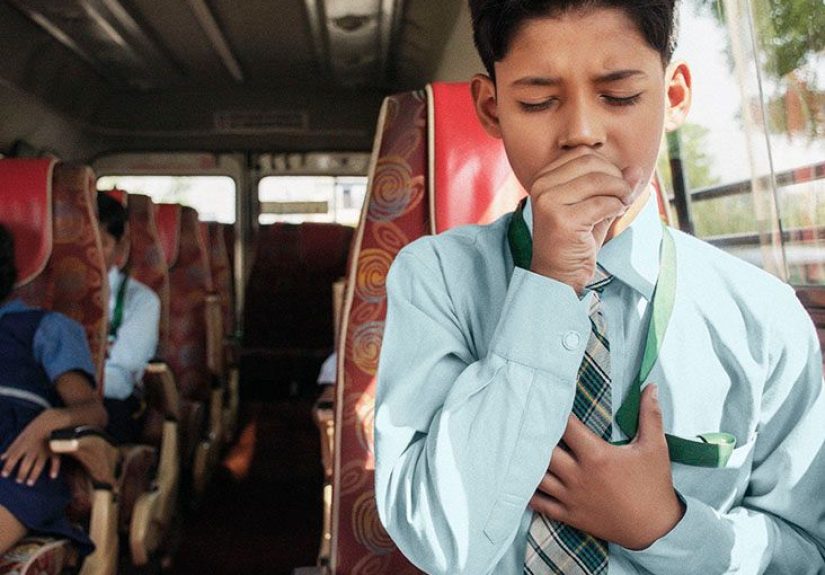
Asthma can affect a child’s daily life in sneaky ways. A student may avoid running at recess, wake up coughing at night, or miss class after a flare-up. Parents may need to coordinate medication forms, school nurse instructions, action plans, and doctor visits. A good asthma action plan can turn chaos into a manageable routine, which is basically the health-care version of finding matching socks on a Monday morning.
Asthma Prevalence in Adults
Adult asthma is sometimes underestimated because people assume asthma is mainly a childhood condition. In reality, most Americans with current asthma are adults. Adult asthma can be persistent, complicated, and influenced by many overlapping factors, including obesity, occupational exposures, allergies, chronic sinus disease, acid reflux, smoking history, air pollution, and respiratory infections.
Some adults develop asthma for the first time later in life. Others had asthma as children, improved for years, and then saw symptoms return. Adult-onset asthma may be harder to recognize because symptoms can be mistaken for poor fitness, anxiety, bronchitis, allergies, or “just getting older.” But regular coughing, wheezing, chest tightness, or breathlessness should not be brushed off like a weird noise your car makes only when the mechanic is not listening.
Adult asthma prevalence also matters economically. Asthma can lead to missed work, reduced productivity, urgent care visits, emergency department visits, and medication costs. For people without stable insurance or access to specialists, asthma management can become expensive and stressful. Preventive care often costs less than emergency care, but many people face barriers long before they get the right treatment plan.
Who Is Most Affected by Asthma?
Asthma prevalence is not evenly distributed across the population. Differences appear by age, sex, race, ethnicity, income, geography, and environmental exposure. These disparities are not random. They often reflect unequal access to clean air, stable housing, preventive health care, safe workplaces, and affordable medications.
Race and Ethnicity
Asthma rates and outcomes differ among racial and ethnic groups in the United States. Black Americans, American Indian and Alaska Native people, and Puerto Rican communities have often experienced higher asthma prevalence or worse asthma outcomes compared with some other groups. Puerto Rican individuals in the continental United States have been identified in national asthma analyses as having particularly high current asthma rates compared with many other ethnic subgroups.
These differences cannot be explained by biology alone. Environmental and social conditions play a major role. Communities with older housing may have more mold, pests, poor ventilation, or indoor allergens. Neighborhoods near highways, industrial areas, ports, or other pollution sources may expose residents to more traffic-related air pollution and fine particles. Limited access to consistent health care can also delay diagnosis and make asthma harder to control.
Sex and Gender Patterns
Asthma patterns also change by sex across the lifespan. Boys are often more likely than girls to have asthma in childhood. After puberty, asthma becomes more common among women than men. Researchers continue to study the role of hormones, airway size, immune responses, obesity, and environmental exposures in these patterns.
For women, asthma symptoms can sometimes change during menstruation, pregnancy, or menopause. This does not mean asthma is unpredictable forever, but it does mean that treatment plans may need regular updates. Asthma management is not a “set it and forget it” toaster setting. It is more like a playlist: sometimes you need to adjust it for the season, the mood, and the unexpected thunderstorm.
Income and Insurance
Asthma prevalence and asthma outcomes are strongly connected to income and insurance access. People with lower incomes may be more likely to live in housing with asthma triggers, work in jobs with respiratory exposures, or delay care because of cost. Medication affordability is also a serious issue. Controller inhalers, rescue inhalers, spacers, nebulizer supplies, allergy treatments, and doctor visits can add up quickly.
When people cannot afford preventive medication, they may rely too heavily on rescue inhalers. That can lead to more flare-ups and emergency care. In asthma management, prevention is the quiet hero. It does not make dramatic hospital-TV scenes, but it keeps people out of them.
Why Asthma Prevalence Varies by Location
Where someone lives can influence asthma risk and control. Asthma prevalence and severity can vary by state, region, city, and neighborhood. Factors include outdoor air pollution, pollen seasons, wildfire smoke, humidity, housing quality, poverty rates, smoking exposure, health-care access, and local climate.
Urban areas may expose residents to traffic pollution, industrial emissions, indoor pests, and housing-related triggers. Rural areas may bring different risks, such as agricultural dust, smoke, limited specialty care, and longer travel distances to clinics. Suburban areas are not automatically asthma-free either, especially when pollen, ozone, mold, and long commutes team up like a respiratory villain squad.
National asthma rankings, including city-based reports, often show that the most challenging places for asthma are not defined by one factor alone. A city may have high asthma prevalence, high emergency visit rates, poor air quality, poverty, limited specialist access, or heavy seasonal allergen exposure. The result is a complicated asthma map where ZIP code can shape health as much as genetics or personal habits.
Environmental Triggers and Asthma Prevalence
Asthma is influenced by both indoor and outdoor environments. People with asthma may react to triggers that irritate or inflame the airways. Common triggers include tobacco smoke, air pollution, dust mites, mold, pet dander, cockroach droppings, pollen, strong odors, cleaning products, cold air, exercise, respiratory infections, and workplace chemicals.
Air Pollution
Air pollution is one of the most important environmental issues connected to asthma. Ground-level ozone, fine particle pollution, vehicle exhaust, industrial emissions, and wildfire smoke can worsen symptoms and increase the risk of asthma attacks. Children are especially vulnerable because their lungs are still developing, they breathe more air relative to body size, and they often spend time outdoors.
Climate change can make asthma triggers worse by extending pollen seasons, increasing extreme heat, raising ozone levels, and contributing to wildfire smoke exposure. Wildfire smoke can travel hundreds or even thousands of miles, proving that bad air has absolutely no respect for state borders.
Indoor Air and Housing
Indoor conditions matter just as much. Many people spend most of their time indoors, so housing quality can directly affect asthma control. Mold, dampness, pests, dust, secondhand smoke, gas stoves without proper ventilation, and harsh cleaning products can all contribute to symptoms.
Improving indoor air does not always require fancy technology. Simple steps may include fixing leaks, reducing dust, using mattress and pillow covers, controlling pests safely, avoiding indoor smoking, using ventilation when cooking, and choosing fragrance-free products when possible. Of course, these steps are easier when housing is stable and repairs are affordable, which is why asthma prevention is also a housing-policy issue.
Asthma Prevalence and Health Care Access
Asthma is manageable for many people, but good management depends on access to diagnosis, medication, education, follow-up care, and emergency support when needed. A person with asthma should ideally have a written asthma action plan, understand the difference between controller and rescue medicines, know their triggers, and receive regular checkups.
Unfortunately, access is uneven. Some people live far from asthma specialists. Others cannot afford medications or do not have consistent insurance coverage. Some families face language barriers, transportation problems, or difficulty taking time off work for appointments. These barriers can turn a controllable condition into a recurring crisis.
Asthma prevalence statistics therefore tell only part of the story. Two communities may have similar asthma rates, but very different outcomes. One may have strong preventive care, school nurse programs, clean housing initiatives, and affordable medications. Another may have crowded housing, pollution exposure, few clinics, and high emergency department use. Same disease, very different lived experience.
Why Asthma Prevalence Matters for Schools and Workplaces
Asthma does not politely wait until after school or work hours. For children, asthma can lead to missed school days, reduced participation in sports, and difficulty concentrating after poor sleep. Schools can help by keeping asthma action plans on file, reducing indoor triggers, allowing appropriate medication access, and training staff to recognize symptoms.
For adults, asthma can affect job performance and attendance. Some workplaces also expose employees to asthma triggers, including dust, fumes, cleaning chemicals, smoke, flour, latex, animals, or industrial materials. Work-related asthma can develop when a job environment causes new asthma or worsens existing asthma.
Employers can support workers by improving ventilation, using safer chemicals when possible, providing protective equipment, and responding seriously to respiratory complaints. Ignoring workplace asthma triggers is not a productivity strategy; it is more like putting a smoke alarm in a drawer because the beeping is annoying.
How Asthma Prevalence Is Measured
Asthma prevalence is usually measured through national surveys, health interviews, medical records, hospital data, and public-health surveillance systems. In the United States, agencies such as the CDC track asthma through surveys that ask whether people have ever been diagnosed with asthma and whether they still have it.
These surveys are useful because they provide national and state-level estimates. However, prevalence data also have limitations. Some people may have asthma but remain undiagnosed. Others may report asthma based on an old diagnosis even if symptoms have changed. Access to medical care can influence whether someone receives a diagnosis in the first place. In other words, asthma statistics are powerful, but they are not magic binoculars that see every wheeze in America.
Can Asthma Prevalence Be Reduced?
Asthma cannot always be prevented, especially when genetic tendency, allergies, early-life exposures, and immune responses are involved. But asthma burden can be reduced. Public-health strategies can lower exposure to triggers, improve early diagnosis, expand access to care, and help people manage symptoms before they become emergencies.
Effective strategies include cleaner air policies, smoke-free environments, better housing standards, school-based asthma programs, affordable medications, patient education, workplace protections, and better access to primary care and specialists. Reducing asthma disparities requires more than telling people to “avoid triggers.” Many triggers are built into neighborhoods, homes, jobs, and local environments. You cannot personally lifestyle-hack your way out of freeway pollution with a scented candle and optimism.
Practical Examples of Asthma Prevalence in Real Life
Imagine two children with asthma. One lives in a home with good ventilation, regular medical care, an updated asthma action plan, and a school nurse who knows exactly what to do. The other lives in an apartment with mold, near heavy traffic, with parents who struggle to afford controller medication. Both children may appear in the same national asthma prevalence statistics, but their daily risks are very different.
Now consider two adults. One has mild asthma triggered mainly by spring pollen and uses preventive treatment successfully. Another works around cleaning chemicals, has no paid sick leave, and delays doctor visits because of cost. Again, both are counted in asthma prevalence, but one has stable control while the other faces repeated flare-ups.
This is why prevalence is not just a number. It is a doorway into bigger questions: Who gets diagnosed early? Who can afford treatment? Who breathes polluted air? Who lives with mold? Who has a doctor nearby? Who has to choose between paying for an inhaler and paying another bill?
Experiences Related to Asthma Prevalence
When people talk about asthma prevalence, they often focus on charts and percentages. Those are important, but the human experience gives the numbers a heartbeat. Asthma is not only counted in survey tables; it is felt in homes, classrooms, sports fields, workplaces, buses, clinics, and emergency rooms.
One common experience is the “invisible condition” problem. A person with asthma may look perfectly healthy until symptoms appear. Friends may not understand why smoke from a barbecue, a strong perfume, or a dusty room can cause trouble. A teenager may feel embarrassed using an inhaler before sports practice. An adult may hesitate to tell a manager that workplace fumes are making breathing difficult. Because asthma is often invisible, people sometimes minimize it until symptoms become impossible to ignore.
Families with children who have asthma often become experts in planning. They remember inhalers, check pollen counts, watch for colds, clean bedding, talk to teachers, and learn which relatives still need a friendly reminder that smoking near the doorway does not magically keep smoke outside. These daily routines may seem small, but they are part of the larger asthma-prevalence story. When millions of families do this every week, asthma becomes a national lifestyle tax paid in time, attention, worry, and medication refills.
Another experience is the stress of unpredictable triggers. A person may feel fine in the morning, then struggle after exposure to cold air, wildfire smoke, heavy pollen, or a respiratory infection. This unpredictability can change behavior. Some people avoid outdoor exercise during high-pollen days. Others skip social events where smoke or strong fragrances may be present. Children may sit out activities they actually enjoy. Asthma prevalence numbers do not always show these quieter losses, but they matter.
There is also the experience of learning control. Many people with asthma eventually become excellent observers of their own bodies. They learn the difference between a harmless cough and an early warning sign. They notice which seasons are hardest. They discover that using controller medication consistently may prevent flare-ups, even when they feel fine. They learn that an asthma action plan is not boring paperwork; it is a personalized breathing strategy. It is less glamorous than a superhero cape, but far more useful during a flare-up.
For communities, asthma prevalence can become a shared concern. Schools may notice clusters of students with asthma. Neighborhood groups may push for cleaner air, safer housing, or better traffic planning. Clinics may create outreach programs for families with frequent emergency visits. Public-health departments may use prevalence data to identify areas needing more resources. In this way, asthma prevalence can move from a statistic to a call for action.
Personal stories also highlight inequality. Some people manage asthma with regular checkups, affordable inhalers, and supportive environments. Others face barriers at every step. They may live with pests or mold they cannot get landlords to fix. They may ration medication. They may rely on emergency rooms because routine care is out of reach. These experiences explain why asthma prevalence must be discussed alongside health equity. The goal is not only to count asthma cases, but to reduce preventable suffering.
The hopeful part is that asthma knowledge has improved. Many people live active, full lives with asthma when they have the right care and support. Athletes, students, teachers, nurses, construction workers, musicians, and busy parents all manage asthma successfully. Prevalence may tell us asthma is common, but it does not mean asthma has to control every breath. With better prevention, cleaner air, affordable treatment, and practical education, the story behind the numbers can improve.
Conclusion
Asthma prevalence shows how common asthma is, but it also reveals much more than a percentage. It reflects the environments people live in, the care they can access, the air they breathe, and the daily decisions families make to prevent symptoms. In the United States, asthma affects tens of millions of people, including both children and adults, with higher burdens in certain communities due to social, environmental, and economic factors.
The key takeaway is simple: asthma is common, manageable, and deeply connected to public health. Better diagnosis, affordable medications, cleaner air, healthier housing, school support, and workplace protections can all reduce asthma burden. The more we understand asthma prevalence, the better we can move from counting cases to preventing crises. And honestly, breathing should not feel like a luxury feature. It should come standard.





 Close
Close