
Table of Contents >> Show >> Hide
- What Exactly Is “Wormy Wood”?
- Why Imperfection Looks So Good at Home
- The Best Household Accessories to Make from Wormy Wood
- How to Choose Wormy Wood Without Bringing Home Trouble
- To Fill the Holes or Flaunt Them?
- The Best Finishes for Household Accessories Made from Wormy Wood
- How Wormy Wood Fits Different Decorating Styles
- Beauty in Imperfection: The Emotional Side of Wormy Wood
- Extended Reflections and Real-Life Experiences with Wormy Wood
- Conclusion
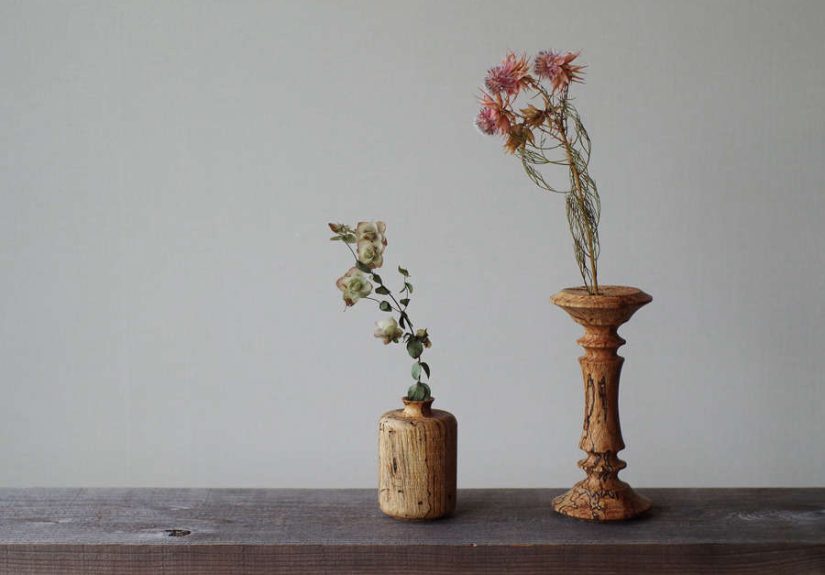
Perfect is overrated. There, I said it. In a world full of mass-produced décor that looks like it came straight from a catalog and politely asked permission before entering the room, wormy wood offers something much better: personality. It has pinholes, streaks, tunnels, mineral stains, weathered color shifts, and the kind of texture that makes guests lean in and say, “Wait, what is this?”
That curiosity is exactly the charm. Household accessories made from wormy wood turn old damage into design. Instead of hiding the wood’s history, they put it on display. A tray becomes more interesting. A mirror frame gets more soul. A shelf suddenly looks less like a shelf and more like an object with a backstory. In home design terms, that is gold. In storytelling terms, it is even better.
Wormy wood is not one single species. In woodworking, the phrase often refers to boards marked by insect activity, especially reclaimed wormy chestnut and figured woods like ambrosia maple. Those marks can include tiny holes, dark lines, blue-gray streaks, or subtle discoloration that formed when beetles and fungi interacted with stressed or standing dead wood. The result is wood that looks imperfect in the best possible way: organic, unpredictable, and impossible to fake well.
And that is why household accessories made from wormy wood feel so compelling right now. They fit rustic interiors, modern farmhouse rooms, mountain cabins, industrial spaces, and even minimalist homes that need one warm, textural element to keep the room from feeling like a dentist’s waiting area. Wormy wood brings warmth without trying too hard. It whispers character instead of shouting trend.
What Exactly Is “Wormy Wood”?
Despite the name, wormy wood is not necessarily wood full of actual worms throwing a tiny house party. More often, it describes lumber that shows the visible traces of past insect activity. Those traces may include small round exit holes, narrow channels, dark spalting-like accents, or dramatic streaking. Some boards get these features while standing in the forest. Others develop them after a tree is weakened, stressed, or killed.
One of the most famous examples is wormy chestnut. This material usually comes from American chestnut trees that were killed by chestnut blight in the early 1900s and later marked by insects before the wood was harvested or salvaged. Because mature American chestnut largely disappeared, wormy chestnut became both rare and desirable, especially in reclaimed form from barns, old houses, and historic structures. That scarcity gives it prestige. Those holes give it swagger.
Another well-known example is ambrosia maple, which develops striking gray, brown, or black streaks associated with ambrosia beetle activity and the fungi they introduce. The effect can look almost hand-painted. Nature, it turns out, has excellent taste when left unsupervised.
Why Imperfection Looks So Good at Home
Design lovers have spent years moving away from surfaces that look too slick, too flat, and too factory-fresh. Reclaimed wood, roughhewn finishes, and natural textures now play a huge role in interiors because they create warmth and visual depth. Wormy wood takes that idea a step further. It does not just look natural. It looks lived-in, storied, and honest.
That honesty matters. Accessories made from wormy wood work so well because they feel grounded. A clean-lined room with metal lighting and white walls instantly softens when you add a beetle-marked tray on the coffee table. A kitchen with polished stone counters becomes more approachable when there is a paper towel holder, utensil caddy, or wall rack made from weathered wood full of tiny pinholes and rich grain movement. The contrast is what makes the piece sing.
There is also a sustainability angle that many homeowners appreciate. Reclaimed and salvaged lumber can keep useful material in circulation rather than sending it to waste. When wood with old character marks is repurposed into home accessories, the result feels thoughtful, not disposable.
The Best Household Accessories to Make from Wormy Wood
1. Serving Trays and Catchalls
Wormy wood and trays are a match made in design heaven. A tray gives you enough surface area to show off grain, holes, and streaks without requiring a huge amount of material. It can sit on a coffee table, entry console, ottoman, or kitchen island and quietly make everything around it look more expensive.
Wormy chestnut is especially appealing here because it tends to age beautifully and carries a calm, dry, understated color. Ambrosia maple offers more contrast and movement, which works well in modern spaces. Add black metal handles and the piece leans industrial. Add leather pulls and it goes farmhouse. Add nothing and it becomes quietly elegant.
2. Mirror and Picture Frames
If you want a dramatic accessory without building a whole piece of furniture, frames are the sweet spot. Worm holes and natural voids create shadow lines that make even a simple rectangular frame feel custom. Around a mirror, that effect is especially lovely because the wood texture plays against the clean reflection.
A wormy wood picture frame also makes sentimental sense. Family photos, travel prints, vintage maps, and botanical sketches all feel richer when bordered by a material that already looks like it has seen a few seasons of life.
3. Floating Shelves and Wall Ledges
Floating shelves made from wormy wood do more than hold candles and books. They become focal points. Because the shelf edge is visible, the natural pitting and color variation stay front and center. In a bathroom, a small wormy wood ledge can warm up cold tile. In an entryway, it can support a bowl for keys and mail. In a bedroom, it can hold a tiny lamp, a stack of books, and one smug little houseplant.
These shelves are especially effective when the room is otherwise clean and modern. The more polished the background, the more the wood’s flaws feel intentional and artistic.
4. Candleholders, Lamps, and Small Lighting Accents
Lighting and wormy wood make a surprisingly strong pair because light exaggerates texture. Tiny holes cast little shadows. Fungal streaks and grain shifts become more noticeable. A lamp base made from wormy wood can feel sculptural even when the silhouette is simple.
Small accessories such as tealight holders, wall sconces, or bedside lamp bases let makers use offcuts and shorter pieces that would not be ideal for larger projects. In other words, this is where beauty and efficiency finally stop arguing and start cooperating.
5. Key Racks, Coat Hooks, and Entryway Organizers
Wormy wood is excellent for everyday utility pieces. An entryway organizer with hooks, a narrow mail shelf, and maybe a slot for sunglasses turns ordinary clutter control into something decorative. Instead of pretending the piece is invisible, wormy wood encourages it to be seen.
The best part is that wear and tear often make these pieces look better. A few scuffs do not ruin the finish. They join the story. That is the superpower of already-imperfect materials.
6. Decorative Boxes and Desk Accessories
Tissue box covers, valet trays, recipe card boxes, pencil cups, remote caddies, and small storage bins all benefit from wormy wood’s character. These are the kinds of objects people touch every day but rarely notice. Give them unusual material, and suddenly they matter.
In home offices, wormy wood accessories are especially helpful because they counterbalance cold technology. A laptop on a sleek desk can feel sterile. Add a wormy wood monitor riser or pen tray, and the room instantly feels more human.
How to Choose Wormy Wood Without Bringing Home Trouble
Not every old hole is a crisis, but not every hole should be ignored either. When shopping for wormy wood accessories or raw boards, look for stability first. The piece should feel dry, solid, and well-made. Tiny holes or tunnels from past insect activity can be purely decorative when the wood is properly dried and finished. Fresh powder, however, is a different conversation.
If you see fine new dust collecting beneath holes, that can suggest active powderpost beetles rather than old, harmless character marks. The same goes for fresh frass or new exit holes appearing over time. In plain English: old scars are charm; new sawdust is paperwork.
Moisture matters too. Damp wood is more likely to invite problems, move out of shape, or finish poorly. For reclaimed stock, hidden metal is another major issue. Experienced woodworkers often scan salvaged boards for nails, buckshot, and buried fasteners before milling them. Nothing ruins a lovely piece of reclaimed history faster than a surprise nail meeting a jointer blade at high speed. That is not “rustic.” That is “duck.”
To Fill the Holes or Flaunt Them?
This is the central style question with wormy wood, and thankfully there is no design police unit waiting outside your house. Both approaches can work.
If you leave the holes open, the piece will look more raw and authentic. This works well for decorative accessories like shelves, mirror frames, and wall art where touch and food contact are not major concerns. Open holes emphasize age and texture, and they often look amazing under side lighting.
If you fill the holes, the accessory becomes easier to clean and more practical for trays, tabletops, desk items, and kitchen pieces. Many makers use clear epoxy to stabilize voids and keep the natural look intact. A good fill can preserve the visual story while making the surface more functional. Think of it as editing, not erasing.
The Best Finishes for Household Accessories Made from Wormy Wood
Finish choice can make or break these pieces. A heavy, plastic-looking coat can smother all the natural drama that made the wood attractive in the first place. In many cases, a satin or matte finish works best because it protects the surface without turning it into a bowling alley lane.
For decorative accessories, oil-and-wax or hardwax-style looks can be beautiful because they deepen color and preserve a natural touch. For trays, shelves, and everyday-use pieces, a more durable film finish may make sense. Shellac is often useful as a sealer in tricky finishing situations, while sanding sealer can help when you want a smoother topcoat or need to control pore filling and raised grain.
The rule of thumb is simple: let the figure do the talking. Wormy wood already has plenty to say.
How Wormy Wood Fits Different Decorating Styles
Rustic and cabin interiors: This is the obvious home base. Wormy wood looks natural next to stone, linen, leather, iron, and warm neutrals.
Modern farmhouse: Use it for smaller accessories so the room feels textured rather than themed. A single tray, shelf, or frame can do more than ten signs with inspirational cursive.
Industrial spaces: Pair wormy wood with black metal, concrete, and vintage hardware. The imperfections add warmth to hard surfaces.
Minimalist homes: One strongly figured piece can provide contrast and visual softness without cluttering the space. Minimalism does not have to mean emotionally unavailable.
Beauty in Imperfection: The Emotional Side of Wormy Wood
Part of the appeal of wormy wood has nothing to do with beetles, blight, or finish schedules. It is emotional. People respond to materials that reveal time. The holes, stains, and marks remind us that beauty is not always smooth, symmetrical, or untouched. Sometimes it is weathered. Sometimes it is patched. Sometimes it comes with a few scars and better stories.
That makes wormy wood especially meaningful in household accessories. A tray or shelf is not just a design object. It is something you live with. It catches your keys, holds your coffee, supports your favorite books, or frames your family photos. When the material already carries evidence of survival and transformation, the object feels less disposable. It feels like it belongs.
Extended Reflections and Real-Life Experiences with Wormy Wood
The first time many people encounter wormy wood, they are not impressed. They are confused. Why would anyone pay extra for wood that looks, at first glance, slightly chewed on? Then the light hits it from the side. Then the tiny holes create shadows. Then the streaks begin to look like ink brushstrokes, and suddenly the board no longer reads as damaged. It reads as alive.
That shift in perception is part of the experience. Wormy wood teaches you to slow down and look more carefully. A factory-perfect board gives you instant clarity. Wormy wood makes you spend time with it. You notice the contrast between pale and dark sections. You see how one edge is calm while the other looks like it has survived a long and dramatic novel. You run your fingers over the surface and realize the wood feels warmer, more tactile, and more memorable than something uniformly smooth.
People who decorate with wormy wood often talk about how easy it is to place in a room. A bowl on a wormy wood riser looks intentional. A stack of cookbooks on a wormy shelf looks charming instead of cluttered. Even a small key rack near the front door starts to feel like part of the architecture. That is because the material adds visual weight without demanding loud colors or elaborate shapes. It does not need to perform tricks. It just needs to exist honestly.
There is also a quiet satisfaction in knowing that much of this wood might once have been overlooked. A piece salvaged from an old structure, or cut from a board others might reject, becomes something useful and admired. That transformation feels good. It turns what could have been waste into a daily object with presence.
Makers often describe the process as a collaboration instead of total control. With clear lumber, you impose the design. With wormy wood, you negotiate. One board wants to be a tray because the holes cluster beautifully across the center. Another wants to be a mirror frame because the edges carry the strongest texture. A third has just enough drama for a lamp base but would look chaotic as a shelf. The wood keeps voting, and smart makers listen.
Living with wormy wood also changes the way you think about wear. A nick from a coffee mug or a tiny scratch from moving a candleholder usually does not spell disaster. In many cases, it blends right in. The piece already has variation, so life does not ruin it. Life joins it. That makes wormy wood accessories unusually forgiving in real homes where people cook, eat, laugh, misplace their keys, and occasionally set things down without ceremony.
Perhaps that is the deepest reason the material resonates. Wormy wood reflects a version of beauty that feels more human than polished perfection. It says age can add value. It says history can be decorative. It says flaws are not always flaws; sometimes they are the exact reason an object deserves a place in your home. And for a lot of homeowners, that idea feels less like a trend and more like a relief.
Conclusion
Household accessories made from wormy wood prove that imperfection can be deeply stylish. Whether you choose wormy chestnut with its historic, reclaimed appeal or ambrosia-marked maple with its dramatic streaks, the result is the same: texture, warmth, and individuality that clean, flawless lumber often cannot match. From trays and frames to shelves, hooks, boxes, and lighting accents, these pieces bring home décor to life by showing where the wood has been instead of pretending it has no past.
In other words, wormy wood is not damaged goods. It is design with memory. And that is a lot more interesting than perfect.




 Close
Close