
Table of Contents >> Show >> Hide
- The “Pretty Perfect” Rule: Function First, Glamour Second (But Still Glamour)
- The Before: How to Diagnose Your Kitchen Like a Professional (Without Wearing a Tool Belt)
- Budget and ROI: Where “Pretty Perfect” Saves You From “Pretty Bankrupt”
- Layout That Works: The Clearances That Make a Kitchen Feel Expensive
- Cabinets: Paint, Reface, or Replace (Choose Your Fighter)
- Countertops and Backsplash: Durable Beauty Wins Every Time
- Lighting and Electrical: The Upgrade That Makes Everything Look Better
- Appliances: Buy for Reliability and Efficiency, Not Just Vibes
- Ventilation: The Most Underrated “After” Upgrade
- Timeline Reality: How Long a Kitchen Remodel Actually Takes
- Three Before-and-After Scenarios That Nail “Pretty Perfect”
- The Pretty Perfect Checklist (Steal This)
- Conclusion: Your “After” Should Feel Better, Not Just Look Better
- Experiences From Real Remodels: The Part Nobody Puts in the Pretty Photos (Extra )
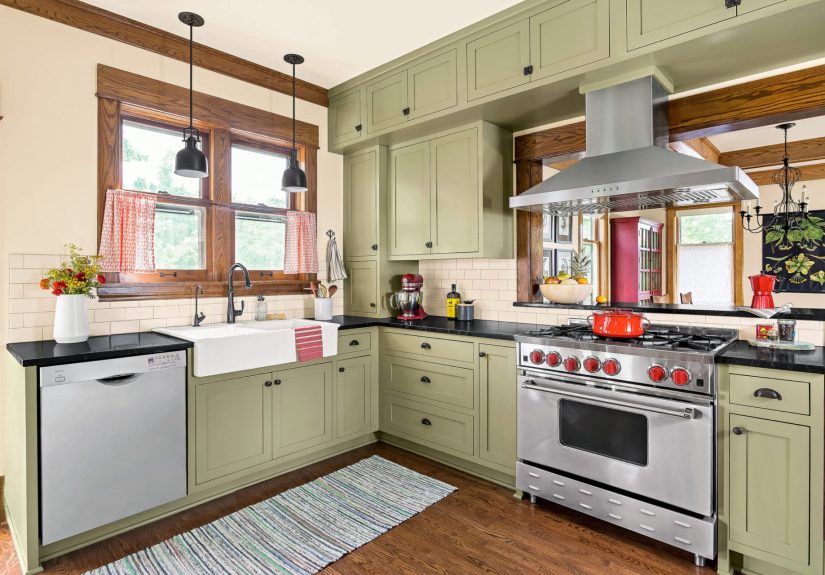
There are two kinds of “before” kitchens. The first is the charming kindthink retro tile, a wonky little breakfast nook, and a stove that’s seen some things. The second is the “why is the fridge opening into the dishwasher” kind. Either way, the goal isn’t perfection in the museum sense. It’s pretty perfect: a kitchen that looks great, works hard, and doesn’t make you want to move every time you need a spatula.
This is your guide to a before-and-after kitchen makeover that feels polished without feeling precious. We’ll talk layout, cabinets, surfaces, lighting, appliances, and the surprisingly emotional journey of choosing the one true backsplash. Along the way, you’ll get practical numbers, design rules that actually matter, and a few lessons learned the hard way (usually involving “just one more” last-minute change).
The “Pretty Perfect” Rule: Function First, Glamour Second (But Still Glamour)
A good kitchen remodel isn’t a popularity contest between marble and quartz. It’s a strategy game where you’re trying to win: flow, storage, light, and cleanability. The “after” should solve the “before” problems you live with every day: no landing zone by the stove, not enough outlets, cabinets that swallow Tupperware lids into a different dimension, and that one drawer that only opens if you whisper apologies.
Start with three questions
- What makes me mad in this kitchen? (Traffic jams, dark corners, no prep space, etc.)
- What do we actually do here? Weeknight cooking? Hosting? Homework-at-the-island chaos?
- What would make daily life easier? A pantry, better lighting, a vent hood that actually vents, or simply more countertop.
The Before: How to Diagnose Your Kitchen Like a Professional (Without Wearing a Tool Belt)
Before-and-after transformations look magical in photos, but the best ones are basically problem-solving with prettier materials. Do a quick audit with your phone camera and a notepad:
1) Flow and pinch points
Watch how people move through the space. If the main hallway runs straight through your cooking zone, you’ll always feel like you’re sautéing in a subway station. (No shade to subway stations, but they don’t usually smell like garlic.)
2) Prep space (the silent hero)
Most kitchens don’t need more square footagethey need better countertop placement. The goal is a comfortable prep zone near the sink and near the range, so you’re not chopping vegetables on top of the mail pile.
3) Lighting layers
If your kitchen has one ceiling light that casts dramatic shadows like an interrogation room, your “after” should add layers: ambient lighting (general), task lighting (where you work), and accent lighting (where you want sparkle).
Budget and ROI: Where “Pretty Perfect” Saves You From “Pretty Bankrupt”
Kitchen remodel costs can swing wildly, so the smartest move is to match your scope to your goals. If you want a refreshed look and better function, a minor kitchen remodel (keeping the layout and focusing on surfaces and upgrades) can deliver huge impact. Larger, layout-changing renovations can be amazingjust plan for more time, more decisions, and more “surprise” expenses behind walls.
Pro tip: Spend where you touch
- Cabinet hardware (your hands meet it daily)
- Faucet + sink (workhorse zone)
- Lighting (the difference between “meh” and “wow”)
- Ventilation (your lungs will send thank-you notes)
If resale matters, keep your choices broadly appealing: durable surfaces, timeless colors, and a layout that makes sense. Think “future buyer friendly,” not “I saw this on social media at 2 a.m. and now I’m emotionally attached to neon grout.”
Layout That Works: The Clearances That Make a Kitchen Feel Expensive
Here’s the secret: a kitchen can look high-end and still feel terrible if the spacing is off. “Pretty perfect” kitchens prioritize room to move. If you’re changing layout, use these rules of thumb:
Work aisles and walkways
- Walkway (just passing through): plan for comfortable clearance so people can move without hip-checking the island.
- Work aisle (cooking zone): give enough space for doors to open and humans to exist at the same time.
The island reality check
Islands are greatuntil they become a granite traffic cone. If an island steals your clearance or blocks your fridge door, it’s not an island. It’s a very expensive obstacle course.
Cabinets: Paint, Reface, or Replace (Choose Your Fighter)
Cabinets usually define the “before and after kitchen” look more than anything else. The good news: you may not need a full tear-out to get a dramatic after. Here’s how to choose:
Option A: Paint or refinish (best for a budget kitchen makeover)
If your cabinet boxes are solid and the layout works, painting can be the biggest visual jump per dollar. Add new pulls, upgrade hinges, and suddenly your kitchen looks like it got a glow-up and learned boundaries.
Option B: Cabinet refacing (big change, less disruption)
Refacing keeps the cabinet boxes but replaces doors and drawer fronts, plus veneer on visible surfaces. It’s often less invasive than replacement and can look like a brand-new kitchen when paired with updated counters and lighting.
Option C: Full replacement (when the “before” is beyond help)
Replace when the cabinet boxes are damaged, the layout is dysfunctional, or you need to reconfigure storage (like adding pantry cabinets or improving corner access). This is the most expensive pathbut also the most flexible if you’re redesigning the whole room.
Countertops and Backsplash: Durable Beauty Wins Every Time
Countertops and backsplash are where your kitchen makeover either becomes timeless… or becomes a cleaning hobby. The “pretty perfect” approach is simple: choose materials that handle real life, not just photo shoots.
Backsplash trends that actually make sense
Many homeowners are moving toward more coveragetile (or slab) that reaches the cabinets or even the hood areabecause it looks finished and cohesive. If you love drama, extended backsplash coverage can bring it without turning your cabinets into the main character.
Avoid “high-maintenance pretty”
Highly textured stone and fussy grout patterns can be gorgeous, but they can also be harder to keep clean in the real world. If you cook often, prioritize wipeability. Your future self will be grateful.
Lighting and Electrical: The Upgrade That Makes Everything Look Better
Lighting is the easiest way to make a kitchen feel more expensive without changing a single cabinet. The best “after” kitchens use layers:
- Ambient: recessed or ceiling fixtures for overall brightness
- Task: under-cabinet lighting for counters
- Accent: pendants, sconces, or a statement fixture for personality
And yes, plan outlets. A “pretty” kitchen that can’t handle a toaster and a coffee maker at the same time is basically a decorative room with a sink.
Appliances: Buy for Reliability and Efficiency, Not Just Vibes
Appliance shopping is where many budgets go to quietly scream. “Pretty perfect” means picking appliances that fit your cooking habits, your space, and your long-term operating costs.
Efficiency matters
Energy-efficient models can lower utility costs over time, and they’re often designed with better performance standards. When it makes sense, look for certifications and compare lifetime operating costsnot just sticker price.
Reliability matters more than extra features
A fridge with a screen that tells you the weather is fun, but a fridge that stays cold without drama is a true love story. If you’re overwhelmed, lean on independent lab testing and reliability reporting to narrow choices.
Ventilation: The Most Underrated “After” Upgrade
If your current kitchen makes your whole house smell like last night’s salmon, ventilation is your next best friend. A properly selected and properly ducted range hood helps remove cooking moisture, odors, and combustion byproducts. The key is to vent to the outdoors when possible and size the system appropriately for your cooking setup.
Timeline Reality: How Long a Kitchen Remodel Actually Takes
Kitchen remodel timelines vary based on scope and material lead times. A straightforward renovation often runs weeks, not daysand a layout-changing remodel typically adds planning, permitting, and coordination. Build in buffer time for “surprises” (like outdated wiring or plumbing that was fine until it wasn’t).
Survival kit for the in-between weeks
- Set up a temporary “mini kitchen” with microwave, toaster oven, and coffee station.
- Plan for dust control (and protect adjacent rooms).
- Order long-lead items early (especially cabinets and appliances).
- Decide finishes before demolition so you’re not choosing tile while eating takeout on a folding chair.
Three Before-and-After Scenarios That Nail “Pretty Perfect”
1) The “Closed-Off Cave” becomes bright and social
Before: A kitchen boxed in by walls, with dated appliances and a layout that isolates the cook.
After: A more functional floor plan that opens sightlines, improves workflow, and adds lightoften with a better connection to dining or living spaces. Sometimes the biggest “after” isn’t a fancy finish. It’s simply not feeling trapped while you’re making pasta.
2) The cabinet glow-up that looks like a full remodel
Before: Dark, worn cabinetry and tired hardware.
After: Refaced or painted cabinets, modern pulls, improved lighting, and a fresh backsplash. The kitchen reads “new” because the visual anchors changed, even if the footprint stayed the same.
3) The small-kitchen upgrade that makes it feel bigger
Before: Not enough storage, cluttered counters, and no “home” for everyday items.
After: Taller pantry storage, better interior organizers, and a clear countertop landing zone. Add an efficient appliance layout, and suddenly the kitchen feels like it gained square footage without actually moving a wall.
The Pretty Perfect Checklist (Steal This)
- Layout: comfortable clearance, doors open fully, no bottlenecks
- Prep zone: dedicated space near sink and range
- Storage: pantry plan, drawer strategy, organizers where they matter
- Lighting: ambient + task + accent layers
- Surfaces: durable, cleanable, not fussy
- Appliances: reliable, efficient, sized to your cooking habits
- Ventilation: effective hood (ideally ducted to outdoors)
- Finishing: hardware, faucet, and paint that tie it together
Conclusion: Your “After” Should Feel Better, Not Just Look Better
The most satisfying before-and-after kitchen transformations aren’t the ones that look like a showroomthey’re the ones that make your daily life smoother. A “pretty perfect” kitchen is bright where you work, calm where you look, and organized where you live. It’s the kitchen where cooking feels easier, cleaning feels faster, and you stop apologizing to guests for “the mess,” because the space actually supports you.
If you remember nothing else, remember this: your layout and lighting are the foundation. Cabinets and tile are the fun part, but flow and visibility are what make a kitchen feel like a dream instead of a design experiment.
Experiences From Real Remodels: The Part Nobody Puts in the Pretty Photos (Extra )
Here’s what homeowners consistently say after a “before and after kitchen” projectespecially the ones that land in that sweet spot of pretty and practical. First, everyone underestimates how emotional a kitchen remodel is. You think you’re choosing cabinet doors, but suddenly you’re debating identity: “Am I a white-oak person now? Do I deserve soft-close drawers?” (Yes. You do.)
The next universal experience is the Great Decision Pile-Up. Early on, it feels manageable: pick a layout, pick cabinets, pick counters. But then the dominoes fall: the faucet finish impacts the hardware finish, which impacts the lighting finish, which impacts whether your backsplash feels warm or cold. The happiest remodelers aren’t the ones with perfect taste; they’re the ones who commit to a simple “finish palette” early and stop second-guessing every shiny object on the internet.
Another common moment: the first time you cook in the new kitchen. People expect fireworks, but what they usually feel is relief. There’s a landing spot for groceries. The trash pull-out is where it should be. The dishwasher opens without blocking the whole room. These are unglamorous wins, but they’re the kind that make you say, “Oh. This is what a functional kitchen feels like.” One homeowner described it as “my brain got quieter,” which is maybe the best review a kitchen can get.
Then there’s the surprise lesson about lighting. In almost every project recap, someone says, “I wish we’d added more under-cabinet lighting,” or “I’m so glad we didn’t rely on one ceiling fixture.” Good lighting doesn’t just make the kitchen look betterit makes people linger. It makes the space feel safer and warmer, and it turns the everyday into something a little more enjoyable (even if you’re just making toast).
And finally: the “pretty perfect” remodelers tend to be the ones who plan for mess and life. They set up a temporary coffee station. They accept that takeout will become a food group for a while. They build in schedule buffer and budget cushion. When something unexpected shows uplike a plumbing surprise or a delayed cabinet they’re annoyed, sure, but they’re not shocked. They planned for reality, and reality politely showed up right on time.
The best part? After the dust settles (literally), people stop talking about what they bought and start talking about how the kitchen feels: brighter, easier, calmer, and more “them.” That’s the real after-photoone you don’t post, but you live in every day.







 Close
Close