
Table of Contents >> Show >> Hide
- What Are Ciambelline al Vino?
- Why This Recipe Works (A Tiny Bit of Delicious Science)
- Best Ciambelline al Vino Recipe
- How To Make Ciambelline al Vino (Step-by-Step)
- Choosing the Wine (So You Don’t Accidentally Bake Regret)
- Tips for the Best Texture (Crisp, Not Brick-Like)
- Flavor Variations (Pick Your Personality)
- How to Serve Ciambelline al Vino
- Storage and Make-Ahead
- Troubleshooting
- FAQ
- Experiences That Make These Cookies a Ritual (About )
- Conclusion
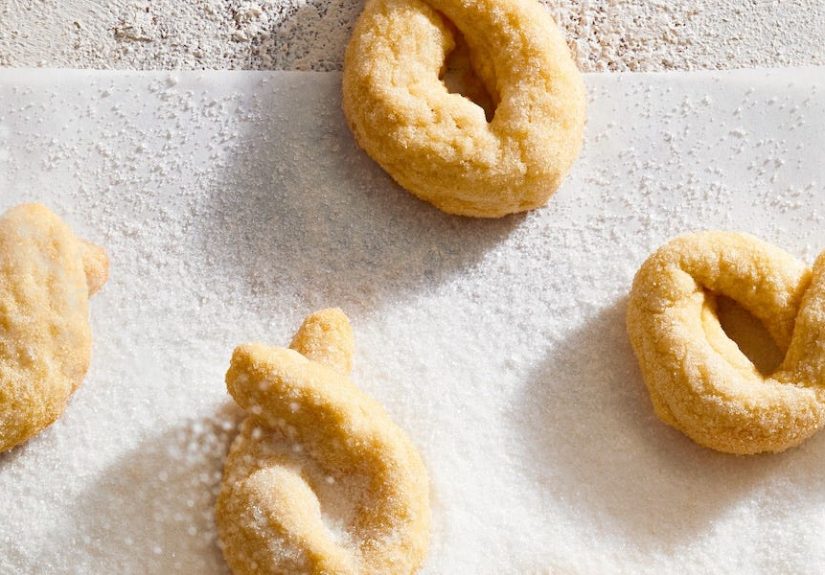
Ciambelline al vino are the kind of cookie that makes you do a double take: “Wait… the dough has wine in it?” Yep. And somehow the result is the opposite of fussycrisp, lightly sweet, and quietly addictive, like a snack that keeps “accidentally” disappearing while you’re putting the kettle on.
In Rome and the surrounding Lazio countryside, these rustic little rings often show up at the end of a mealmeant for dipping in wine, coffee, or whatever warm drink is currently saving your day. This version is a best-of approach (synthesized from common techniques and ratios used by reputable US recipe publishers and Italian-food-focused outlets): minimal ingredients, no butter, no eggs, and a crunchy sugar shell that turns golden in the oven.
What Are Ciambelline al Vino?
“Ciambelline” basically means “little rings.” Ciambelline al vino are ring-shaped Italian wine cookies made with pantry staplesflour, sugar, oil (often olive oil), baking powder, and wine. The wine adds aroma and a gentle tangy fruit note; the oil keeps the crumb tender; and the sugar coating caramelizes into that signature crackly finish.
Why This Recipe Works (A Tiny Bit of Delicious Science)
- Oil instead of butter keeps the dough simple to mix and gives a crisp, tender bite without chilling.
- Wine brings flavor + evaporation magic: as the cookies bake, much of the alcohol and water cook off, helping them dry out and crisp up.
- A quick rest relaxes the dough so it rolls smoothly (less snapping back, more cookie zen).
- Sugar coating creates a glossy crunch and encourages browning without making the cookie overly sweet.
Best Ciambelline al Vino Recipe
Yield: about 30–40 small ring cookies (depending on how generous your “walnut-sized” is)
Time: ~15 minutes prep, 20–30 minutes baking (in batches), 20 minutes resting
Ingredients
For the dough
- 2 1/2 cups all-purpose flour (plus more as needed), spooned and leveled
- 2 teaspoons baking powder
- 1/2 teaspoon kosher salt
- 1/2 cup granulated sugar
- 1 teaspoon anise seeds or fennel seeds (optional, but very classic)
- 1 teaspoon finely grated lemon zest (optional, great with white wine)
- 1/3 cup extra-virgin olive oil (or light olive oil for a milder flavor)
- 1/2 cup dry wine (red or white; choose something you’d happily sip)
For the crunchy coating
- 1/3 to 1/2 cup granulated sugar (or turbinado sugar for extra sparkle and crunch)
Equipment
- Large mixing bowl
- Measuring cups/spoons
- Sheet pans + parchment paper
- Cooling rack
How To Make Ciambelline al Vino (Step-by-Step)
- Preheat and prep. Preheat your oven to 350°F. Line two sheet pans with parchment paper.
- Mix the dry ingredients. In a large bowl, whisk together the flour, baking powder, salt, sugar, and (if using) anise/fennel seeds and lemon zest.
- Add the liquids. Pour in the olive oil and wine. Stir with a fork or sturdy spoon until the dough starts clumping together.
- Knead brieflyjust until smooth. Turn the dough onto a lightly floured surface. Knead for about 30–60 seconds, until it looks cohesive and smooth. If it feels sticky, dust with a tablespoon of flour at a time. If it feels dry and crumbly, add a teaspoon of wine at a time.
- Rest the dough. Cover the dough (in the bowl or wrapped on the counter) and let it rest for 15–20 minutes. This makes shaping easier and helps prevent cracking.
- Shape the rings. Pinch off a small piece of dough (about walnut-sized). Roll it into a rope about 5 inches long. Bring the ends together to form a ring; overlap slightly and pinch to seal.
- Sugar-coat. Pour the coating sugar into a shallow bowl. Dip one side (or both sides, if you want extra crunch) into sugar. Place cookies on the sheet pan. They won’t spread much, so modest spacing is fine.
- Bake until crisp and lightly golden. Bake for 18–22 minutes for smaller, thinner rings, or 25–30 minutes for thicker rings. You’re looking for dry-to-the-touch and lightly golden edges with a crackly sugar crust.
- Cool completely. Let the cookies cool on the pan for 5 minutes, then move to a rack. They crisp up more as they coolso don’t judge them while they’re still warm and pretending to be soft.
Choosing the Wine (So You Don’t Accidentally Bake Regret)
Use a dry wine you enjoy drinking. No need for anything fancyjust avoid anything labeled “cooking wine” (it’s usually salty and sad). A dry red can add warm fruit notes and a rosy tint; a dry white keeps things bright and gently floral.
- Great reds: Chianti, Montepulciano, Cabernet Sauvignon (dry), Zinfandel (dry)
- Great whites: Pinot Grigio, Sauvignon Blanc, Verdicchio (if you can find it)
Tips for the Best Texture (Crisp, Not Brick-Like)
1) Go by feel, not fear
Flour absorbs liquid differently depending on humidity, how you measure, and whether your kitchen is currently acting like a tropical greenhouse. The dough should feel soft, pliable, and barely tackynot wet, and not crumbly.
2) Don’t over-knead
This is not bread. A quick knead brings it together; too much can make the cookies tougher and less tender.
3) Shape consistently
Even thickness = even bake. If some rings are chunky and some are skinny, you’ll get a batch with both “perfectly crisp” and “surprise chewy.” (Unless you like surprises. In that case, carry on.)
4) Cool fully before storing
Trapping warmth = trapped steam = softened sugar crust. Let them cool completely for maximum crunch.
Flavor Variations (Pick Your Personality)
Classic Roman-style: anise or fennel
Add 1–2 teaspoons anise seeds (or fennel seeds). For a deeper aroma, lightly crush the seeds or let them sit in the measured wine for 10 minutes before mixing.
Red wine + cinnamon (cozy and bold)
Skip the anise. Add 1 teaspoon ground cinnamon to the dry ingredients. This leans “winter cookie tray” without requiring a single sprinkle.
White wine + lemon zest (bright and snacky)
Add lemon zest and consider using turbinado sugar for the coating. This combo is dangerously good with iced coffee.
Anisette accent (holiday mode)
For a more pronounced licorice note, replace 1–2 tablespoons of the wine with anise liqueur (like sambuca/anisette). Keep it subtleyou want aroma, not a cookie that tries to start karaoke.
How to Serve Ciambelline al Vino
- Traditional: with a small glass of wine for dipping (yes, really).
- Everyday: with espresso, cappuccino, or black coffee.
- Cozy: with tea, hot chocolate, or warm milk (especially if you used anise).
- Dessert board: add almonds, dried figs, orange slices, and a little bowl of dark chocolate shards.
Storage and Make-Ahead
Store completely cooled cookies in an airtight container at room temperature for up to 1–2 weeks. If they soften over time, re-crisp them in a 300°F oven for 5–7 minutes, then cool again.
Troubleshooting
My dough is too sticky
Add flour 1 tablespoon at a time. Sticky dough usually means you need a touch more flour or a slightly shorter pour of wine.
My dough is cracking when I roll it
Let it rest longer (another 10 minutes). If it still cracks, knead in 1–2 teaspoons wine.
The cookies are bland
Use a more flavorful olive oil, add lemon zest, or add a pinch more salt. Also: make sure your wine isn’t ultra-neutral.
The cookies are tough
Likely over-kneaded or over-floured. Next time, knead less and stop adding flour as soon as the dough is workable.
FAQ
Are ciambelline al vino vegan?
Most traditional versions are naturally vegan (no eggs, no butter). Always double-check your sugar and any flavor add-ins, but the base recipe here is dairy-free and egg-free.
Can I use gluten-free flour?
You can try a 1:1 gluten-free baking blend, but expect a different texture and more fragility when shaping. Resting the dough becomes even more important, and you may need slightly less liquid.
Do I need to refrigerate the dough?
Not usually. A short room-temperature rest is enough. Refrigeration can help if your kitchen is very warm, but let the dough soften slightly before shaping.
Experiences That Make These Cookies a Ritual (About )
Ciambelline al vino have “ritual cookie” energy. Not because they’re difficult (they’re wonderfully low-drama), but because the process nudges you into the kind of slow, pleasant rhythm that modern life tries to delete from your calendar. You pour wine into a mixing bowlalready a tiny act of rebellion against the usual cookie scriptand suddenly baking feels more like cooking: less precision theater, more “does the dough feel right?” intuition.
If you grew up around Italian or Italian-American kitchens, you’ve probably heard some version of “You’ll know when it’s ready,” delivered with absolute confidence and zero measurements. Ciambelline fit that tradition perfectly. The dough is forgiving, and shaping the rings becomes oddly calming. Roll, loop, pinch. Roll, loop, pinch. Somewhere around ring number ten, you stop thinking about your inbox and start thinking about whether you want to dip the sugar on one side (practical) or both sides (chaotic good).
These cookies also have a social side. They’re not showy, which makes them perfect for gatherings where the best desserts aren’t trying to win a beauty pageantthey’re trying to get eaten. Put ciambelline on a plate near coffee, and people will keep circling back for “just one more,” partly because they’re crisp and light, and partly because dunking is fun. A cookie that comes with an activity is basically a snack with a personality.
The flavor variations invite little traditions of their own. Some households swear by anise because it smells like holidays and grandparents and the good china you only see twice a year. Others go cinnamon because it pairs with red wine like a cozy sweater pairs with cold weather. If you’re baking with friends, it’s easy to split the dough and make two styles in one sessionthen argue (politely, with crumbs) about which is best.
And there’s something charmingly practical about them: they’re made for leftover wine, and they store well. That means you can bake a batch, tuck them into a tin, and suddenly you’ve got an instant “company cookie”the kind you bring out when someone drops by, when you need a quick gift, or when a Tuesday demands a small upgrade. They’re also a reminder that dessert doesn’t have to be complicated to be memorable. Sometimes it’s just flour, oil, wine, sugarturned into crisp little rings that make a coffee break feel like a tiny vacation.
Conclusion
Ciambelline al vino prove that “simple” can still be special. With a handful of ingredients and a sugar-dipped crunch, you get a cookie that’s crisp, lightly sweet, and tailor-made for dunking. Choose red wine for cozy depth, white wine for bright aroma, and don’t be surprised if these rings become your new favorite “we have guests in 20 minutes” miracle.





 Close
Close