
Table of Contents >> Show >> Hide
- What Is a Disconnected Undercut?
- Why People Keep Coming Back to This Cut
- Best Disconnected Undercut Hairstyles to Try
- 1. The Classic Slicked-Back Disconnected Undercut
- 2. The Textured Crop Undercut
- 3. The Quiff Disconnected Undercut
- 4. The Side-Swept Disconnected Undercut
- 5. The Curly or Wavy Top Undercut
- 6. The Long Top Disconnected Undercut
- 7. The Undercut Pixie
- 8. The Undercut Buzz Hybrid
- 9. The Messy Brush-Up Undercut
- 10. The Artistic Parted Undercut
- How to Choose the Right Version for You
- What to Ask Your Barber or Stylist
- Best Styling Tips for a Disconnected Undercut
- Maintenance, Trim Schedule, and Grow-Out Strategy
- Common Mistakes to Avoid
- Final Thoughts
- Experiences With Disconnected Undercut Hairstyles: What People Usually Learn After the Cut
- SEO Tags
A disconnected undercut is the haircut equivalent of a mic drop. The top keeps its length, the sides go much shorter, and the contrast does all the talking. It is sharp, modern, expressive, and surprisingly adaptable. You can wear it polished enough for a meeting, messy enough for a rooftop dinner, or textured enough to look like you woke up looking mysteriously cool. Annoying for everyone else, but great for you.
The real charm of the disconnected undercut is that it is not one haircut. It is a haircut family. Some versions lean sleek and classic, some lean rebellious, and some sit right in the sweet spot between clean and casual. That range is exactly why this style has stayed relevant long after trend cycles tried to push it out of the spotlight. With the right cut and a few smart styling choices, it can work across straight, wavy, curly, and coily textures, as well as on short, medium, and longer lengths.
In this guide, you will find the best disconnected undercut hairstyles to consider, how to choose the right version for your hair texture and routine, what to ask your barber or stylist, and how to style the cut without turning your bathroom into a hair-product science lab.
What Is a Disconnected Undercut?
A disconnected undercut is defined by contrast. The hair on top stays noticeably longer while the sides and back are cut much shorter, often with clippers. The “disconnected” part means there is no soft blend between those lengths. Instead, the transition is intentional and obvious. That visible line is what gives the haircut its edge.
Unlike a classic taper or fade, which gradually shifts from short to shorter, a disconnected undercut keeps the difference bold. That is why it stands out even when the top is styled simply. It also means the haircut can look dramatically different depending on how you wear the top. Brush it back and it feels sleek. Push it forward and it looks editorial. Add texture and suddenly it has that laid-back, low-effort energy that somehow still looks expensive.
Why People Keep Coming Back to This Cut
The disconnected undercut keeps surviving style eras because it solves real-world problems while still looking great. It removes bulk from the sides, makes thick hair easier to manage, shortens daily styling time for many people, and creates enough shape that even a quick finger-style in the mirror can look intentional. It also gives you flexibility: one haircut, several personalities.
Another reason it lasts is customization. You can make it subtle with only a moderate difference between the top and sides, or dramatic with a sharp ledge and a long top. You can keep the top neat and businesslike, or wear it loose and textured. In other words, the disconnected undercut does not demand one identity. It just gives structure to whichever one you feel like wearing that day.
Best Disconnected Undercut Hairstyles to Try
1. The Classic Slicked-Back Disconnected Undercut
This is the version most people picture first, and for good reason. The sides are clipped short while the top is left long enough to sweep straight back. The result is crisp, confident, and a little cinematic. If your hair naturally lies straight or slightly wavy, this style can look especially clean without requiring an army of hot tools.
Use a small amount of pomade or styling cream for a polished finish. Keep it light if you want movement, or go stronger if you want that deliberate, glassy shape. This cut is ideal for anyone who wants a high-contrast haircut that can still look classic rather than chaotic.
2. The Textured Crop Undercut
If the slicked-back look feels too formal, the textured crop version is the cool cousin who owns exactly one perfect jacket. The top is cut shorter than a classic slick-back and broken up with texture, while the sides stay tight and clearly disconnected. The style works well when you want something modern, easy to reshape during the day, and less likely to collapse the second humidity shows up.
A matte paste or dry styling product is usually the move here. You want separation, not stiffness. This version is especially great for people who like a more casual look and would rather tousle than comb.
3. The Quiff Disconnected Undercut
The quiff adds height and movement on top while keeping the undercut dramatic on the sides. It is bold without being cartoonish, provided the proportions are right. The trick is keeping enough length in front to lift the hair while not overloading the crown with unnecessary bulk.
This style rewards a blow-dryer. A little volume at the roots, a touch of clay or paste, and suddenly your haircut has architecture. If you like a hairstyle that looks styled but not overly precious, the quiff undercut hits that balance beautifully.
4. The Side-Swept Disconnected Undercut
This version is softer than the full slick-back but still sharp enough to read as intentional. The top is left long enough to sweep to one side, giving you movement, shape, and an easy day-to-night option. It works particularly well when your hair has a slight natural bend, because the side-swept finish looks better with a little texture than with stiff perfection.
Ask for enough length on top to create a real sweep rather than a tiny side flick pretending to be a hairstyle. A styling cream or lightweight pomade can help define the shape without making it crunchy.
5. The Curly or Wavy Top Undercut
One of the best modern takes on the disconnected undercut pairs close sides with natural curl or wave on top. The contrast makes the texture more visible, and the shorter sides reduce heaviness without flattening personality. In plain English: your texture gets to be the main character.
The smartest move here is to work with the pattern you already have instead of forcing it into a different identity. A curl cream, lightweight mousse, or soft styling cream can help define the top. The result is expressive, dimensional, and much less rigid than the old-school undercut stereotype.
6. The Long Top Disconnected Undercut
This is the dramatic option. The sides are clipped short while the top stays long enough to wear back, loose, parted, or even tied depending on the length. It gives you several styling possibilities from one cut, which is why people with a strong sense of style tend to love it.
That said, longer tops demand honesty. If you hate styling your hair, do not ask for ten different options and then act surprised when those options want attention. But if you enjoy switching up your look, this is one of the most versatile disconnected undercut hairstyles you can choose.
7. The Undercut Pixie
For anyone who prefers shorter lengths with edge, the undercut pixie is one of the strongest disconnected styles around. The sides and back stay cropped close while the top keeps enough length for texture, lift, or a side-swept finish. It can read sleek, punky, elegant, or playful depending on the styling.
This style is especially useful if you want a haircut that removes volume from underneath but still leaves room for expression on top. It is also one of the clearest examples of how a disconnected undercut can feel both sharp and wearable at the same time.
8. The Undercut Buzz Hybrid
This version sits between a traditional buzz cut and a full disconnected undercut. The sides are very short, the top is kept longer, and the line between them stays obvious rather than blended. It is clean, graphic, and lower-maintenance than longer undercut styles.
If you want contrast without committing to a full slick-back or quiff, this hybrid is a smart middle ground. It also grows into interesting shapes, which is useful if you like a haircut that evolves between appointments instead of looking wrong the second it starts growing.
9. The Messy Brush-Up Undercut
Think of this as the friendlier, more relaxed sibling of the quiff. The top is brushed up and slightly forward or back, but not sculpted into a perfect wall of hair. The disconnected sides keep it sharp while the top stays lived-in.
This style looks best when there is movement. A sea-salt spray as a base and a matte paste to finish can give it that airy, textured shape without turning it into a helmet. Great for anyone who likes style with less ceremony.
10. The Artistic Parted Undercut
If you love a more polished look, the parted disconnected undercut offers structure with a fashionable finish. The side part becomes more visible because the contrast between the top and sides is so strong. It is clean, controlled, and ideal when you want the haircut to look deliberate from every angle.
This one works best when your stylist understands your natural growth pattern. A part that fights your hair every morning is not edgy. It is a daily argument. Choose the direction your hair already prefers, and the style becomes much easier to maintain.
How to Choose the Right Version for You
Start with your texture, density, and lifestyle, not just a screenshot. Straight hair often suits slicked-back or side-parted versions beautifully. Wavy hair usually shines in textured, side-swept, or brush-up styles. Curly and coily textures can look amazing with a disconnected undercut when the top is shaped to celebrate the texture rather than flatten it.
Density matters too. Thick hair often benefits from the bulk removal that undercuts provide. Fine hair can still wear the style well, but it usually looks better with a thoughtful top length and texture strategy rather than overly long strands that separate and look sparse.
Then be honest about maintenance. If you love sharp lines, you may need trims more often. If you want something that grows out with less drama, ask for a version with slightly softer proportions on the sides and top. A disconnected undercut can be low-effort daily, but it is rarely zero-maintenance overall.
What to Ask Your Barber or Stylist
Do not just say, “Give me an undercut,” and hope the universe sorts it out. Ask for a disconnected undercut if you want a visible difference between the top and sides with little or no blend. Mention whether you want the top slicked back, side-swept, textured, curly, or cropped. Bring two or three reference images showing the vibe, not just one perfect photo taken under suspiciously flattering lighting.
Also talk about clipper length on the sides, length on top, and how often you realistically want trims. A great stylist will also look at your growth pattern, crown, hairline, and overall head shape before locking in the final proportions. That is not them being dramatic. That is them saving you from a haircut that looks amazing only when standing perfectly still in one bathroom mirror.
Best Styling Tips for a Disconnected Undercut
Use the Right Product for the Finish You Want
For a natural, textured finish, choose matte products such as clay, paste, or a dry styling cream. For a polished, sleeker finish, use pomade or a lightweight shine cream. For soft movement in wavy or curly hair, creams and mousses usually work better than stiff, high-hold formulas.
Build Volume Before You Finish
If you want lift, do not dump product onto flat hair and hope for a miracle. Use a blow-dryer first, especially for quiffs, side-swept looks, and brush-ups. Lift at the roots, dry in the direction you want the hair to fall, then finish with product. Much less struggle. Much better outcome.
Go Easy on Heavy Hold
A disconnected undercut already has structure built into the cut. Too much strong-hold product can make it look stiff and overworked. A smaller amount usually does more, especially on shorter styles. You want shape, texture, and movement, not hair that could survive reentry from space.
Respect Your Hair Texture
Trying to turn every disconnected undercut into the same look is where disappointment begins. If your hair is curly, let the curl participate. If it is wavy, use that texture. If it is straight, work with clean lines and lift. The modern version of this haircut looks best when it feels tailored rather than copied.
Maintenance, Trim Schedule, and Grow-Out Strategy
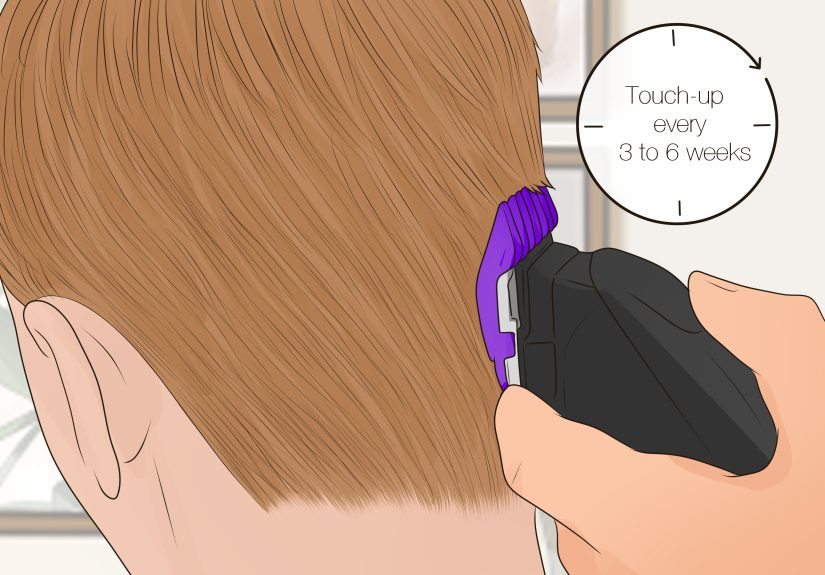
Most disconnected undercuts look best when maintained regularly. If you love a super crisp contrast, you may want a cleanup every four to six weeks. Short pixie-style or tighter undercut versions can need even more frequent shaping, while longer-top versions may stretch closer to six to eight weeks depending on how sharp you like the outline.
Grow-out is the part nobody puts in the mood board, but it matters. Because the style relies on contrast, it can pass through awkward phases as the sides catch up. The best strategy is to keep the top healthy, use clips or directional styling if needed, shift your part when helpful, and keep getting small trims so the shape stays intentional during the transition.
If you are tempted to “just fix it yourself,” maybe take one calm breath and step away from the clippers. Precision cuts usually look best when left to a professional. Your future self would like to avoid explaining that one accidental bald patch was “part of the concept.”
Common Mistakes to Avoid
The first mistake is choosing a top length that does not match your styling habits. If you never blow-dry, do not ask for a giant quiff. The second is using the wrong product finish. A glossy pomade on a cut that wants airy texture can make it look dated fast. The third is ignoring scalp and hair health. Shorter sides may dry faster and reveal product buildup more easily, so gentle cleansing, appropriate conditioning, and reasonable heat use still matter.
Another common issue is asking for maximum contrast without considering how quickly it grows out. A super dramatic version can look fantastic, but it also announces regrowth sooner. There is nothing wrong with that, but it is better to know before you commit than after you start side-eyeing your reflection two weeks later.
Final Thoughts
The best disconnected undercut hairstyles do not all look the same, and that is exactly the point. The strength of this haircut is its contrast, but the success of it comes from customization. Choose the version that fits your texture, maintenance tolerance, and personal style rather than chasing the loudest trend photo on the internet.
Whether you go for a slicked-back classic, a textured crop, a curly top, an undercut pixie, or a long-top statement style, the disconnected undercut remains one of the smartest ways to get shape, versatility, and personality from one cut. It is edgy without being boxed in, polished without being boring, and expressive without requiring a daily one-hour performance in front of the mirror. That is a rare haircut win.
Experiences With Disconnected Undercut Hairstyles: What People Usually Learn After the Cut
One of the most common experiences people describe after getting a disconnected undercut is surprise at how much lighter their hair feels. Anyone with thick, dense, or bulky hair often notices the change immediately. The sides dry faster, the overall shape feels cleaner, and styling the top becomes much less of a wrestling match. Many say the haircut makes their hair feel more intentional, as though it suddenly has a job description instead of just existing in every direction at once.
Another frequent experience is discovering that this haircut changes how people dress and carry themselves. A disconnected undercut often has a strong visual identity, so it can make even a basic outfit feel sharper. People who choose an undercut pixie or a long-top undercut often talk about feeling bolder right away, even before they fully master styling it. It is not magic, of course. It is just what happens when your haircut starts doing some of the fashion work for you.
There is also the learning curve. Many first-timers assume the haircut will style itself every day because the sides are so short. Then comes reality: yes, it can reduce effort, but the top still matters. People often discover that a disconnected undercut looks best when they spend two or three minutes giving the top direction instead of pretending sleep was a styling technique. Usually, once they find the right product, things become much easier. That is why so many people go from frustration in week one to absolute loyalty by month two.
People with wavy, curly, or coily hair often report a particularly satisfying experience when the cut is done well. The shorter sides let the texture on top stand out more clearly, and the shape can feel fresher and less weighed down. The key lesson tends to be the same: when the cut respects natural texture, the style looks modern and effortless. When the cut fights the texture, every morning becomes negotiations.
Grow-out is another big theme in real-world experiences. Some people love the haircut so much they keep it for years. Others enjoy it for a season and then decide to move on. Nearly everyone learns the same thing during the grow-out phase: planning matters. Small trims, a switched part, and strategic styling products can make the process much easier. People who expect the haircut to grow out invisibly are usually the ones making dramatic mirror speeches by week five.
There is also the barber-chair lesson. Many people say the best disconnected undercut they ever had came after they stopped using vague haircut language. Instead of saying “short on the sides, long on top,” they learned to talk about the actual finish they wanted: matte or shiny, soft or graphic, swept back or textured forward, dramatic or more wearable. That shift often made all the difference. The haircut improved because the conversation improved.
Perhaps the most lasting experience is that a disconnected undercut teaches you what kind of hair person you really are. Maybe you discover you love structure, regular trims, and polished styling. Maybe you realize you prefer messy texture and quick routines. Maybe you learn that you adore the cut but hate the maintenance, which is still useful information. Either way, the haircut tends to reveal your preferences fast.
And that may be the best thing about it. The disconnected undercut is not just a trend-driven haircut. It is a high-contrast style that gives immediate feedback. If it suits your texture, routine, and personality, it can become your signature. If not, it still teaches you what to ask for next time. Either way, you leave with better hair knowledge, a sharper eye, and at least one good story about the day you finally decided to stop playing it safe.





 Close
Close