
Table of Contents >> Show >> Hide
- Why Roasted Chicken and Tomatoes Work So Well Together
- Best Ingredients for Roasted Chicken and Tomatoes
- How To Make Roasted Chicken and Tomatoes
- Tips for the Best Roasted Chicken and Tomatoes
- Common Mistakes To Avoid
- Easy Variations
- What To Serve With Roasted Chicken and Tomatoes
- How To Store and Reheat Leftovers
- Final Thoughts
- Kitchen Experiences: Why Roasted Chicken and Tomatoes Becomes a Repeat Favorite
There are fancy dinners, and then there are smart dinners. Roasted chicken and tomatoes belongs firmly in the second category. It looks like something you’d serve to guests who casually say things like “We’ve been really into good olive oil lately,” but it’s also the kind of meal you can pull off on a Wednesday when your energy level is somewhere between “motivated” and “please let dinner cook itself.”
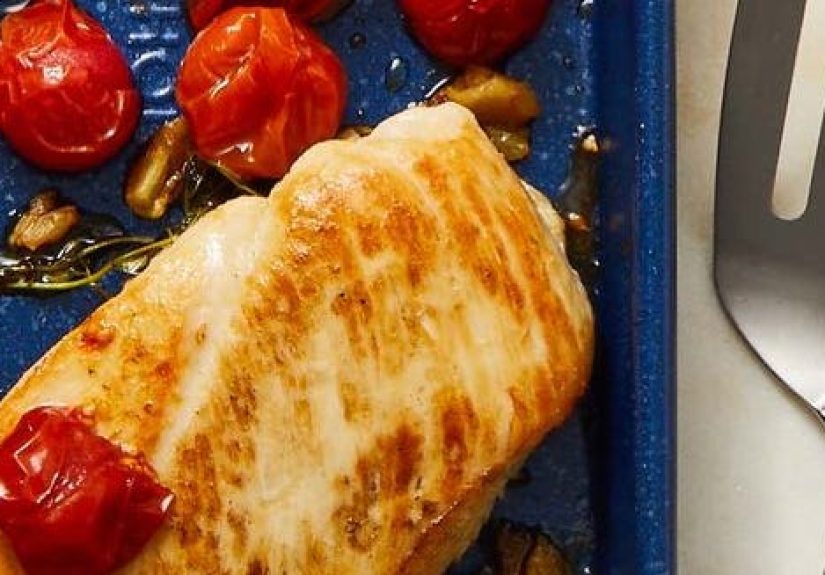
The magic is simple: chicken gives off flavorful drippings, tomatoes collapse into a sweet-tart sauce, garlic perfumes the whole pan, and a hot oven does the heavy lifting. The result is juicy chicken with crisp, burnished skin and a glossy tomato mixture begging to be scooped up with bread, spooned over rice, or bullied onto a fork straight from the roasting dish.
If you want the best roasted chicken and tomatoes, the secret is not culinary wizardry. It’s a handful of smart moves: choose the right cut, dry the skin well, season generously, give the tomatoes enough heat to blister, and let everything rest before serving. In other words, this is less “chef performance” and more “excellent decision-making with an oven.”
Why Roasted Chicken and Tomatoes Work So Well Together
Chicken and tomatoes are one of those culinary pairings that just make sense. Roasting turns fresh tomatoes jammy, sweet, and intensely savory. At the same time, chicken releases juices and fat that mingle with the tomatoes, garlic, and herbs to create a built-in pan sauce. No separate saucepan, no dramatic whisking, no cleanup that makes you question your life choices.
Tomatoes also bring balance. Chicken, especially with the skin on, is rich and deeply savory. Tomatoes add acidity and brightness so the dish tastes lively instead of heavy. Add garlic, olive oil, and herbs like thyme, rosemary, or oregano, and suddenly you’ve got a meal that feels a little rustic, a little elegant, and extremely hard to mess up.
This dish is also wildly flexible. You can lean Mediterranean with olives and lemon, go cozy with onions and paprika, or keep it classic with cherry tomatoes, garlic, and thyme. The core formula still works: good chicken, ripe tomatoes, hot oven, minimal fuss.
Best Ingredients for Roasted Chicken and Tomatoes
1. Chicken
For the easiest and most reliable version, use bone-in, skin-on chicken thighs. They stay juicy, roast beautifully, and are forgiving if dinner gets delayed by 10 minutes because someone asked where the can opener lives for the third time. You can also use drumsticks or a mix of dark-meat pieces.
Chicken breasts can work, but they’re less forgiving and more likely to dry out. A whole chicken is delicious too, though it takes more time and a bit more confidence with carving. If your goal is the best roasted chicken and tomatoes recipe for everyday cooks, thighs are the sweet spot.
2. Tomatoes
Cherry or grape tomatoes are ideal. They roast quickly, burst beautifully, and create a concentrated sauce without turning the pan into tomato soup. If they split and slump dramatically in the oven, congratulations: that is exactly what you want.
You can use larger tomatoes, but they should be cut into wedges and seeded lightly if they’re especially watery. Peak-season tomatoes are wonderful, but this recipe is also a minor miracle for supermarket cherry tomatoes that need a little encouragement.
3. Aromatics and Herbs
Garlic is non-negotiable in the best possible way. Whole cloves mellow as they roast, while minced garlic adds a stronger punch. Fresh thyme is classic, rosemary is bolder, oregano adds a Mediterranean vibe, and basil is best added at the end for freshness.
4. Fat and Acid
Olive oil helps everything roast instead of steam. A splash of balsamic vinegar or lemon juice brightens the finished dish and keeps the flavors from feeling flat. Think of acid as the tiny backstage crew member making the star look better.
How To Make Roasted Chicken and Tomatoes
Here’s a practical, flavorful version that serves 4 to 6 people and works beautifully for weeknights or casual entertaining.
Ingredients
- 6 bone-in, skin-on chicken thighs
- 2 pints cherry or grape tomatoes
- 6 garlic cloves, smashed
- 1 small red onion, cut into wedges
- 3 tablespoons olive oil
- 1 tablespoon balsamic vinegar
- 1 teaspoon kosher salt, plus more to taste
- 1/2 teaspoon black pepper
- 1 teaspoon chopped fresh thyme
- 1 teaspoon chopped fresh rosemary
- 1/2 teaspoon dried oregano
- 1/4 teaspoon red pepper flakes, optional
- 1 lemon, half for roasting and half for finishing
- Fresh basil or parsley for serving
Step 1: Prep the chicken properly
Pat the chicken very dry with paper towels. This step matters more than people think. Wet skin steams. Dry skin roasts. If you want golden, crisp skin instead of pale “it tried its best” skin, dryness is the goal.
Season the chicken with salt, pepper, thyme, rosemary, oregano, and red pepper flakes. Drizzle with a little olive oil and rub the seasoning all over the chicken, including under the skin if you want to go the extra mile. That extra mile is short, and it tastes great.
Step 2: Build the pan
In a large baking dish or oven-safe skillet, toss the tomatoes, garlic, onion, remaining olive oil, and balsamic vinegar together. Add a pinch of salt and nestle in a few lemon slices. Arrange the chicken skin-side up on top of the tomato mixture.
Keeping the skin exposed helps it crisp while the tomatoes roast underneath and around the chicken. The tomatoes catch the drippings, and dinner starts becoming smarter than all of us.
Step 3: Roast hot
Roast at 425°F for about 35 to 45 minutes, depending on the size of the chicken thighs. The skin should be deep golden, the tomatoes should be collapsed and juicy, and the chicken should reach 165°F in the thickest part.
If you want even more color, broil for 1 to 2 minutes at the end. Just keep an eye on it. Broilers have a funny habit of going from “not yet” to “call the smoke alarm” in about 14 seconds.
Step 4: Rest and finish
Let the chicken rest for 5 to 10 minutes before serving. This gives the juices time to settle and the tomatoes time to become one glorious saucy mess. Squeeze fresh lemon juice over the top and scatter with basil or parsley.
Serve with toasted bread, mashed potatoes, pasta, polenta, couscous, or rice. Or just stand over the pan making appreciative noises. That also counts as an experience.
Tips for the Best Roasted Chicken and Tomatoes
Use a crowded pan carefully
A little coziness is good because the tomatoes and onions baste the chicken. But if the pan is packed too tightly, everything steams. Leave enough room for hot air to circulate so the skin can crisp and the tomatoes can roast instead of sulk.
Don’t skimp on salt
Chicken and tomatoes both love proper seasoning. Underseasoned chicken is one of the fastest ways to turn a beautiful dinner into a bland one. Salt brings out the tomato sweetness and helps the chicken taste more like itself, only better.
Choose dark meat for maximum forgiveness
If you’re deciding between thighs and breasts, thighs are the friendlier choice. They can handle high heat, stay juicy longer, and make the entire dish more reliable. Breasts are fine, but thighs are relaxed. We like relaxed.
Save the pan juices
Do not, under any circumstances, leave that tomato-rich liquid behind. Spoon it over the chicken, swirl it into rice, or dip bread into it like you’ve found treasure. Because honestly, you have.
Common Mistakes To Avoid
Starting with wet chicken
Moisture is the enemy of crisp skin. Pat the chicken dry before seasoning. This is not glamorous advice, but it is useful advice, which is often better.
Using low heat
Roasted chicken and tomatoes need enough heat to caramelize and blister. Too low, and the tomatoes get watery while the chicken skin turns rubbery. High heat is where the flavor lives.
Adding delicate herbs too early
Rosemary and thyme can roast for a while, but basil is better at the end. Roast basil too long and it goes from fresh and fragrant to sad little confetti.
Skipping acid at the finish
A squeeze of lemon or a small splash of vinegar right before serving wakes up the whole dish. It sharpens the flavor and keeps the richness in check.
Easy Variations
Mediterranean roasted chicken and tomatoes
Add olives, capers, extra garlic, and a little oregano. Finish with parsley and lemon. This version tastes like it should be eaten outside, even if you are absolutely indoors in sweatpants.
Balsamic roasted chicken with tomatoes
Increase the balsamic slightly and add a touch of honey for balance. The tomatoes become deeper and sweeter, and the pan juices turn glossy and bold.
Spicy roasted chicken and tomatoes
Add extra red pepper flakes, smoked paprika, or a spoonful of Calabrian chile paste. Great for people who believe dinner should have a little attitude.
Creamy finish
Once the dish comes out of the oven, stir a spoonful of mascarpone or a splash of cream into the tomato juices for a richer sauce. Not necessary, but very charming.
What To Serve With Roasted Chicken and Tomatoes
This dish pairs well with almost anything that can absorb sauce. Crusty bread is the obvious hero. Pasta is excellent. Rice, farro, creamy polenta, roasted potatoes, or a simple green salad all work beautifully. If the chicken is the star, the side dish is the supporting actor whose main job is to collect the juices and not complain.
For drinks, a crisp white wine, a light red, sparkling water with lemon, or even unsweetened iced tea all fit naturally. The meal feels special without demanding ceremony.
How To Store and Reheat Leftovers
Store leftovers in an airtight container in the refrigerator for up to 3 days. Reheat gently in a 350°F oven or in a covered skillet over low heat. Microwaving works, but the skin will lose its crispness. That’s not a tragedy, just a trade-off.
Leftover roasted chicken and tomatoes are excellent shredded into pasta, spooned over toast, tucked into a grain bowl, or folded into a warm sandwich. In fact, some people may accidentally make extra just to have leftovers. Those people are visionaries.
Final Thoughts
The best roasted chicken and tomatoes recipe is not the one with the longest ingredient list or the most dramatic technique. It’s the one that gives you crisp skin, juicy meat, soft roasted garlic, sweet blistered tomatoes, and a pan full of savory juices with minimal stress.
That’s why this dish keeps showing up in so many forms: it’s flexible, forgiving, and deeply satisfying. Once you understand the basic method, you can adjust it for the season, your pantry, and your mood. Keep it simple, roast it hot, finish it bright, and don’t waste a drop of the sauce. Dinner is handled.
Kitchen Experiences: Why Roasted Chicken and Tomatoes Becomes a Repeat Favorite
There is something strangely comforting about making roasted chicken and tomatoes that goes beyond the recipe itself. It starts before the oven is even hot. You dry the chicken, tumble tomatoes into a pan, smash a few garlic cloves with more confidence than necessary, and suddenly the whole kitchen feels like it has a plan. Not a five-year plan, obviously. More like a “we are definitely eating well tonight” plan.
One of the best experiences with this dish is how quickly it turns the room into a place people want to hover near. About 20 minutes into roasting, the tomatoes start to slump and the garlic gets fragrant. Then the chicken begins browning and the pan juices start sizzling together. At that point, someone always wanders in and asks, “What smells so good?” It is one of the great small victories of home cooking, right up there with flipping a pancake successfully on the first try.
This is also the kind of meal that makes cooks feel more capable than the effort level really justifies. You slide one pan into the oven and pull out something that looks rustic, glossy, and borderline dinner-party worthy. It creates the illusion that you spent the afternoon calmly basting and consulting handwritten recipe cards, when in reality you may have been answering messages, unloading groceries, and wondering whether basil in a jar is still basil if it expired last year.
Another great thing about roasted chicken and tomatoes is how it adapts to different moments. On a busy weeknight, it feels efficient and dependable. On a weekend, it feels cozy and generous. If you serve it with bread and a salad, it’s simple and elegant. If you pile it over buttery noodles or creamy polenta, it turns deeply comforting. The same recipe can look casual or special depending on what else lands on the table.
Then there is the sauce, which deserves its own applause. The tomatoes burst, the onion softens, the garlic sweetens, and the chicken drippings turn everything into a glossy, savory mixture that tastes much more complicated than it really is. People tend to remember that part. They may compliment the chicken, but what they talk about later is the spooning, dipping, bread-dragging behavior that happens once those pan juices appear.
Even leftovers are part of the experience. Cold roast chicken tucked into a sandwich with a swipe of mayo and some roasted tomatoes? Excellent. Rewarmed chicken over rice for lunch the next day? Also excellent. The dish keeps giving, which is probably why so many home cooks come back to it again and again.
Most of all, roasted chicken and tomatoes feels like the kind of meal that rewards attention without punishing you for being human. If your tomatoes are extra ripe, great. If they’re just decent, roasting helps. If you add olives, herbs, or lemon, wonderful. If you keep it plain and simple, it still works. It’s a recipe with room for personality, and that may be why it becomes more than dinner. It becomes one of those reliable meals that quietly earns a permanent place in your rotation.






 Close
Close