
Table of Contents >> Show >> Hide
- What Is “Black Mold,” Exactly?
- How Black Mold Exposure Happens
- Black Mold Symptoms: What People Actually Feel
- When to See a Doctor Right Away
- How Black Mold-Related Illness Is Diagnosed
- Treatment: What Actually Helps
- Safe Cleanup and Mold Remediation: What to Do at Home
- Prevention: How to Stop Mold From Coming Back
- Frequently Asked Questions
- Real-World Experiences: What People Commonly Report (and What They Learned)
- Conclusion
Black mold has a truly unfair superpower: it can turn a tiny plumbing leak into a household drama, a science lesson,
and an unexpected shopping spree for dehumidifiersall before your morning coffee is done. The good news?
Most “black mold” situations are manageable once you understand what’s actually happening: moisture shows up,
mold shows up, and your sinuses file a formal complaint.
This article breaks down what people mean by “black mold,” how exposure can affect your body, who’s most at risk,
what treatment typically looks like, and what really works to get rid of mold (spoiler: it’s not positive vibesit’s moisture control).
It’s educational information, not personalized medical advice; if you’re worried about symptoms or have a health condition,
a clinician can help you sort out what’s going on.
What Is “Black Mold,” Exactly?
“Black mold” is a casual, catch-all termnot a single species with a tiny black cape and villain soundtrack.
Many molds can appear dark green or black depending on lighting, age, and what they’re growing on. In everyday conversation,
“black mold” often refers to Stachybotrys chartarum, a mold that can grow on very damp, cellulose-rich materials
like paper-faced drywall, ceiling tiles, and some types of wood products when moisture problems stick around.
Here’s the part that clears up a lot of confusion
- Color doesn’t reliably tell you how risky a mold is. A mold can look black and be relatively ordinary. Another can look “meh” and still trigger allergy symptoms.
- Mold needs moisture. No water problem, no mold party. If water keeps showing up, mold keeps RSVPing.
- Type matters less than fixing the dampness. There’s no universally accepted “safe” indoor mold level; guidance generally emphasizes prompt cleanup and moisture control.
How Black Mold Exposure Happens
Mold reproduces by releasing tiny spores that can float through indoor and outdoor air. Exposure can happen when you:
breathe in spores or fragments, touch moldy surfaces, or stir spores up during cleaning, repairs, or moving water-damaged items.
In homes, mold tends to show up where moisture lingers: bathrooms, basements, laundry rooms, under sinks, around windows,
near HVAC condensation, and any area affected by flooding or leaks.
Common indoor situations that increase exposure
- Leaks that aren’t fully dried (roof, plumbing, appliance, window, foundation seepage)
- Flooding or water damage that wasn’t dried within 24–48 hours
- Indoor humidity that stays high (often above ~50%)
- Poor ventilation (bathroom fans that don’t vent outside, closed-up basements, crowded storage areas)
- Hidden moisture (behind wallpaper, under flooring, inside wall cavities)
Black Mold Symptoms: What People Actually Feel
Mold exposure doesn’t affect everyone the same way. Some people feel nothing at all. Others react like their immune system
just found an excuse to overachieve. Symptoms usually fall into a few buckets: allergy-like symptoms, irritant effects,
asthma-related problems, and (more rarely) more serious lung conditions or infections in vulnerable people.
1) Allergy-like symptoms
If you have a mold allergy, exposure can trigger the same kinds of symptoms you’d see with seasonal allergies:
sneezing, runny or stuffy nose, postnasal drip, itchy eyes/nose/throat, watery eyes, and sometimes itchy skin or eczema flares.
2) Irritation (even without an allergy)
Mold can also act as an irritant. Some people report burning or irritated eyes, throat irritation, or a cough
after spending time in a damp, moldy spaceespecially if spores get stirred up.
3) Asthma flare-ups and wheezing
People with asthma may notice worsened symptomscoughing, wheezing, chest tightness, shortness of breathwhen exposed to dampness and mold.
If you already have an asthma action plan, follow it and contact a clinician if symptoms aren’t responding as expected.
4) Damp-building respiratory issues (the “it’s not just the mold” reality)
Research on damp indoor environments links building dampness and mold with respiratory symptoms and conditions such as
worsening or development of asthma, allergic rhinitis, bronchitis, and (in some settings) hypersensitivity pneumonitis
(an immune-related inflammation in the lungs). Dampness can also mean more bacteria, dust mites, and chemical off-gassing
so the building environment is often the bigger story than one specific mold patch.
5) Infections (uncommon, but important)
People with weakened immune systems or chronic lung disease may be more vulnerable to fungal infections.
That’s not “everybody with a leaky faucet,” but it is a reason vulnerable individuals should take symptoms seriously and avoid exposure during cleanup.
When to See a Doctor Right Away
Most mold-related symptoms are uncomfortable rather than dangerous, but there are times when you should get prompt medical care.
Seek urgent evaluation if you have:
- Shortness of breath, significant wheezing, or chest tightnessespecially if you have asthma and rescue meds aren’t helping
- Fever with worsening cough or trouble breathing
- Symptoms after heavy exposure if you have a weakened immune system, are undergoing chemotherapy, take immune-suppressing medications, or have chronic lung disease
- Severe allergic symptoms (such as swelling of lips/face, hives with breathing trouble, or feeling faint)
How Black Mold-Related Illness Is Diagnosed
Diagnosis is usually less “mold CSI” and more good, old-fashioned medical detective work:
your symptoms, your history, and whether symptoms improve when you’re away from the damp environment.
Clinicians may consider:
- Allergy evaluation: Skin testing or blood testing for allergies (including mold) may help if symptoms look allergy-driven.
- Asthma assessment: If you’re wheezing or short of breath, a clinician may check lung function and adjust your treatment plan.
- Rule-outs: Viral infections, bacterial sinusitis, irritant exposures, and other triggers can mimic mold symptoms.
Do you need a home mold test?
In many cases, if you can see mold or smell persistent mustinessand there’s a moisture issuethat’s enough to act.
Fix the moisture problem and clean up safely. Testing may be useful in some situations (like complicated, hidden moisture),
but it can also distract from the practical point: moisture control is the key, and visible growth should be addressed promptly.
Treatment: What Actually Helps
Treatment usually has two tracks: (1) reduce exposure by addressing the environment, and (2) manage symptoms based on the type of reaction.
No single pill “cures” a mold allergy, but many treatments can make you feel dramatically better.
Step 1: Reduce exposure (the non-negotiable part)
- Fix the leak, seepage, or humidity source
- Dry wet materials quickly (ideally within 24–48 hours)
- Remove moldy porous materials that can’t be fully cleaned (often carpeting, ceiling tiles, or drywall that’s been soaked)
- Avoid sleeping or spending long periods in heavily damp/moldy areas until remediation is done
Step 2: Symptom relief (based on your pattern)
If symptoms are allergy-like:
- Nasal corticosteroid sprays are often among the most effective options for ongoing nasal allergy inflammation.
- Antihistamines can reduce sneezing, itching, and runny nose.
- Saline nasal rinses can help flush irritants and mucus, especially after exposure.
- Allergy immunotherapy (shots) may help some people with persistent allergic symptoms when avoidance and meds aren’t enough.
If asthma is involved:
- Follow your asthma action plan and use prescribed rescue medication as directed.
- Talk with a clinician if you’re using rescue meds more often, waking at night with symptoms, or feeling tight-chested at rest.
If you’re at higher risk for infection:
- Get medical evaluation early if you develop worsening cough, fever, or breathing issues.
- Treatment for fungal infections is specific and prescription-basedthis is not a DIY situation.
A quick myth-buster: “toxic mold detox” programs
You may see claims that mold exposure causes a sweeping “toxic mold syndrome” requiring extensive detox regimens or urine mycotoxin testing.
Major allergy organizations have pointed out problems with non-standardized, non-FDA-approved mycotoxin tests and the lack of solid evidence
linking inhaled mycotoxins to a wide range of vague symptoms in the way these programs claim.
That doesn’t mean damp buildings can’t make people feel awfulthey canbut the most reliable, evidence-aligned approach focuses on
correcting the damp environment and treating clear medical conditions (like allergic rhinitis or asthma) with proven therapies.
Safe Cleanup and Mold Remediation: What to Do at Home
If you’re dealing with a small area of mold (often described as less than about 10 square feetroughly a 3 ft by 3 ft patch),
many people can handle it with careful cleaning and proper protection. Bigger, recurring, or complicated problems may call for professionals,
especially if the HVAC system may be contaminated, if the water damage involved sewage/contaminated water, or if someone in the home is medically vulnerable.
Basic cleanup steps that tend to work
- Fix the moisture source first (or at least simultaneously). Cleaning without moisture control is like mopping in the rain.
- Protect yourself. Consider gloves, eye protection, and a well-fitted mask/respirator as appropriate. Keep kids, older adults, and high-risk individuals away from the work zone.
- Ventilate. Open windows/doors when safe to do so and use fans that vent to the outside.
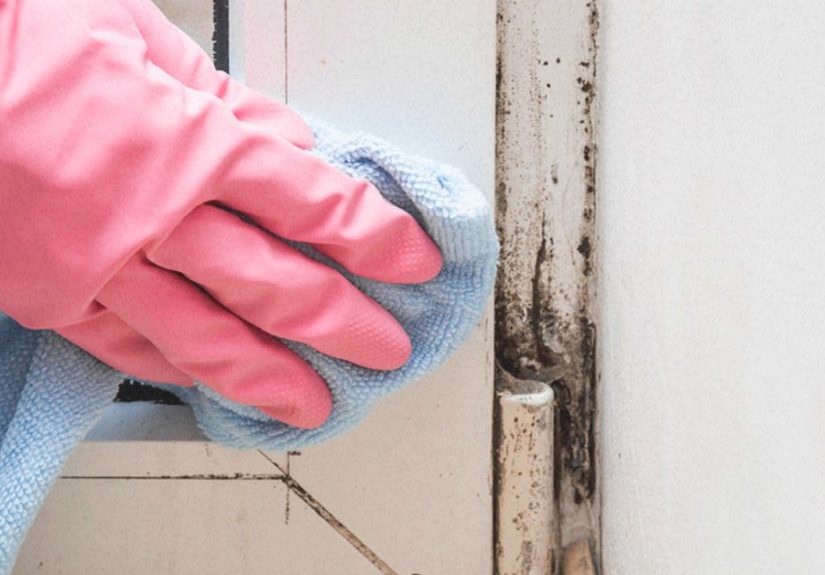
- Scrub hard surfaces. Detergent and water are commonly recommended; dry completely afterward.
- Discard porous materials if needed. If ceiling tiles, carpet, insulation, or drywall are soaked or moldy, they may need removal because mold can grow inside pores and crevices.
- Don’t paint over mold. Clean and dry first. Paint on moldy surfaces tends to peel, and the problem returns.
Important safety note about cleaners
Never mix bleach with ammonia or other cleaners. If you use bleach, use it carefully, ventilate well, and follow product and public-health guidance.
In many situations, detergent-and-water cleaning and thorough drying are the core stepsespecially for non-porous surfaces.
Prevention: How to Stop Mold From Coming Back
Mold prevention is basically a moisture-management lifestyle. (It’s not glamorous, but neither is arguing with your drywall.)
The goal is to keep indoor spaces dry enough that spores can’t settle in and grow.
Practical prevention checklist
- Keep humidity in check. Use exhaust fans in bathrooms and kitchens, and consider dehumidifiers in damp basements.
- Fix leaks fast. The longer moisture sits, the easier mold grows.
- Dry water damage quickly. Aim for thorough drying within 24–48 hours when possible.
- Improve airflow. Don’t cram furniture tight against damp-prone walls; let air circulate.
- Watch the “hidden zones.” Under sinks, behind toilets, around window frames, inside closets on exterior walls.
- Maintain HVAC and filters. If you suspect contamination in ducts or the system, consult qualified guidance before running it.
Frequently Asked Questions
Can black mold kill you?
Serious outcomes from typical household exposure are considered uncommon, but mold can worsen asthma and respiratory conditions,
and infections are a concern for people with weakened immune systems. If you have significant breathing symptoms or are medically vulnerable,
treat it as a real health issue and get medical guidance.
Is it “black mold” if it looks black?
Not necessarily. Many molds can look dark. What matters most is that mold growth indoors signals moistureso focus on fixing the dampness and cleaning safely.
Will symptoms go away after cleanup?
Many people notice improvement after exposure stopsespecially if symptoms were allergy- or irritant-related.
If symptoms persist, a clinician can help check for allergies, asthma, sinus problems, or other causes.
Real-World Experiences: What People Commonly Report (and What They Learned)
To make this topic feel less abstract (and because mold is nothing if not aggressively practical), here are experiences people commonly describe
when dealing with suspected black mold. These are typical patternsnot a substitute for medical diagnosis or a professional inspectionbut they can help you
recognize what “mold problems” often look like in everyday life.
Experience #1: “My allergies got weird… only at home.”
A common story goes like this: someone starts waking up congested every morning, with itchy eyes and a scratchy throat that eases after they leave for work or school.
They try new pillows, change detergents, blame the neighbor’s cat (even though they don’t own a cat), and finally notice a musty odor near a closet on an exterior wall.
Behind a storage bin: discoloration on the drywall and a soft, slightly damp baseboard.
The lesson they learn is surprisingly consistent: the “health mystery” isn’t solved by chasing the perfect air freshener.
It’s solved by finding the moisture sourceoften a slow window leak, poor insulation causing condensation, or a small plumbing drip
then drying the area and removing any moldy porous materials. Many people report their symptoms improve after remediation,
especially when they also use standard allergy treatments (like nasal sprays or antihistamines) during the transition.
Experience #2: “We cleaned it… and it came back.”
This is the sequel nobody asked for, and it usually happens because the water problem didn’t get fixed.
People scrub visible mold off a bathroom ceiling, feel victorious, and thentwo weeks laterthe same spot returns like a sitcom character.
When they dig deeper, they discover the bathroom fan vents into the attic (not outdoors), or the fan is weak and never clears shower humidity.
The big takeaway: cleaning is step two. Moisture control is step one. Once ventilation improves (proper venting, longer fan run-time,
sometimes a dehumidifier), the “recurring mold” storyline often ends.
Experience #3: “The basement smelled like an old gym bag.”
Musty basement odor is one of the most common complaints, especially in humid seasons. People describe it as “earthy,” “stale,” or
“like wet cardboard,” which is oddly specificand usually correct. Often, the culprit is a combination of minor seepage,
high humidity, and stored items pressed against walls, trapping air and moisture.
The most successful fixes tend to be boring (translation: effective): sealing obvious water entry points, running a dehumidifier,
improving airflow, and removing water-damaged cardboard or carpeting. Some people also learn that basement “finishing” choices matter:
wall-to-wall carpet and tightly sealed wall coverings can trap moisture if the space isn’t truly dry year-round.
Experience #4: “After a flood, mold showed up fast.”
After flooding or a major leak, people are often shocked by how quickly mold can appearsometimes in a couple of days.
The experience is usually overwhelming: wet drywall, soaked furniture, and the pressure to decide what’s salvageable.
Many people report that trying to save everything at once backfires; they end up exhausted and still left with damp materials.
What tends to help is a triage mindset: ventilate, remove water, tear out unsalvageable porous materials, clean hard surfaces,
and dry aggressively. People also commonly say they wished they’d used more protection from day onegloves, eye protection,
and a well-fitted maskespecially if they already had asthma or allergies.
Experience #5: “The hardest part was figuring out who to trust.”
When a mold problem is large, hidden, or tied to a disaster, people often need helpand that introduces a new challenge:
choosing a reputable professional. Homeowners and renters frequently describe confusion about what remediation should include,
what’s “too expensive,” and whether someone is overselling fear.
A common, grounded approach people find useful is to focus on measurable goals: identify moisture sources, remove or clean contaminated materials appropriately,
and confirm the area is dry and repaired to prevent recurrence. People also report that symptoms improved most reliably when the environment was truly fixed
not just fogged, sprayed, or cosmetically covered. In other words: repairs + drying + safe removal beat “miracle” solutions.
Conclusion
Black mold gets a lot of hype, but the real headline is simpler: mold follows moisture.
For many people, exposure causes allergy-like symptoms or irritation; for othersespecially those with asthma or vulnerable immune systems
damp environments can be a bigger respiratory problem. The best “treatment” is a two-part plan:
remove or reduce exposure by fixing water issues and cleaning safely, and treat symptoms with proven medical care when needed.
If you remember just one thing, make it this: mold cleanup without moisture control is like changing your smoke alarm batteries while your kitchen is still on fire.
Dramatic, yesbut also accurate.







 Close
Close