
Table of Contents >> Show >> Hide
- Step 1: Start With the Reality Check (Space, Plumbing, and Purpose)
- Step 2: Choose the Right Bathtub Type for Your Bathroom
- Step 3: Understand the Most Common Bathtub Materials (Pros, Cons, and Best Uses)
- Acrylic bathtubs (the “best all-around” crowd favorite)
- Fiberglass bathtubs (budget-friendly and easy to installwithin reason)
- Enameled cast iron bathtubs (the tank of bathtubs)
- Porcelain-enameled steel bathtubs (a lighter “metal tub” alternative)
- Solid surface, cultured marble, or stone-resin composites (modern, matte, and spa-like)
- Copper or natural stone (stunning… and not for the faint of budget)
- Step 4: Match the “Best Bathtub Material” to Your Priorities
- Step 5: Don’t Ignore Comfort (Because You’re the One Sitting in It)
- Step 6: Budget and InstallationWhere Costs Sneak Up on You
- Step 7: MaintenanceChoose a Material You’ll Actually Maintain
- A Simple Bathtub Buying Checklist (Print This in Your Brain)
- Real-World “Experiences” That Make Bathtub Choices Click (About )
- Conclusion
Picking a bathtub sounds simple until you realize you’re basically choosing a piece of furniture… that holds water… and weighs about the same as your
emotional baggage after a long workweek. The good news: you don’t need a design degree or a plumbing apprenticeship to choose the right tub. You just need
a clear plan for your space, your budget, and how you actually live (not how you think you live when you’re browsing spa bathrooms at 1 a.m.).
This guide breaks down how to choose a bathtub step-by-step, explains the most common bathtub types, and compares bathtub materials so you can confidently
pick the best bathtub material for your home. Expect practical tips, a little humor, and zero “just follow your heart” nonsensebecause your heart doesn’t
have to carry a cast-iron tub up the stairs.
Step 1: Start With the Reality Check (Space, Plumbing, and Purpose)
Measure your space like you mean it
Before you fall in love with a dramatic freestanding tub, measure the bathroom and the path to get the tub into the bathroom. Doorways, tight
hallways, stair turns, and the world’s narrowest second-floor landing have ended many tub love stories.
If you’re replacing an existing tub, staying with the same general tub footprint often saves serious time and money. A standard alcove tub (the built-in
kind with three walls around it) is commonly around 60 inches long and about 30 inches wide, which is why it shows up in
so many homes. If you change the size or type, you may trigger plumbing moves, tile work, flooring repairs, and budget “surprises.”
Decide how the tub will be used (daily showers vs. weekend soaks)
The best bathtub is the one that matches your routine. Are you building a kid/pet washing station? Creating a primary suite soak zone? Replacing a tub-shower
combo that gets used twice a day? Your answer affects the ideal tub depth, material durability, slip resistance, and even how easy the tub is to clean.
Check the plumbing “fixed points” you can’t ignore
- Drain location: Many tubs are designed for a left-hand or right-hand drain. Switching sides can mean moving plumbing.
- Faucet style: Some tubs need a deck-mounted faucet, others use wall-mounted or floor-mounted tub fillers (especially freestanding tubs).
- Overflow height: Deeper soaking tubs can still have modest water depth due to overflow placementdon’t assume “deeper tub = deeper soak.”
Make sure there’s enough “human space” around the tub
Bathroom layouts live or die by clearance. You want enough room to step in safely, dry off without doing gymnastics, and clean without bruising your ribs.
Many design guidelines suggest planning generous clearance in front of fixtures, including tubs, to keep the room functional (and not feel like a clever
escape-room challenge).
Step 2: Choose the Right Bathtub Type for Your Bathroom
Bathtub type is mostly about where the tub sits and how it’s installed. Here are the most common options homeowners
consider during a bathroom remodel or tub replacement.
Alcove bathtub (the classic tub-shower combo MVP)
Alcove tubs are installed between three walls and finished on one side (often with an apron). They’re practical, space-efficient, and a natural match for
showersmaking them a favorite for hall bathrooms, kids’ bathrooms, and homes that need one good “does-everything” bathing zone.
Drop-in bathtub (built into a deck)
Drop-in tubs sit inside a framed deck (platform) and are finished with tile or another surface around the rim. They can look high-end, offer design
flexibility, and are often used for soaking tubs or jetted tubsbut the surrounding deck increases the footprint, so they’re best in larger bathrooms.
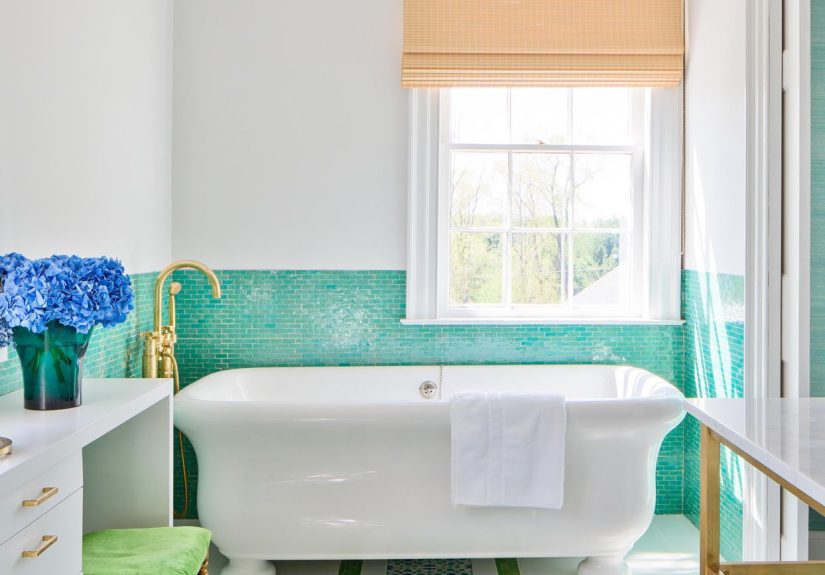
Freestanding bathtub (pretty, dramatic, and slightly demanding)
Freestanding tubs are visual statement piecesclawfoot styles, modern slipper tubs, oval soakers, you name it. They can be comfortable and gorgeous, but
they require thoughtful planning: faucet placement, drain location, and sufficient clearance for cleaning around the tub. Translation: they’re not hard,
they’re just… high maintenance.
Corner bathtub (space-filler with a specific vibe)
Corner tubs are designed to fit into a corner and are often larger than standard alcove tubs. They can be comfy for soaking, but they take up a lot of
real estate and may not be the best choice for smaller bathrooms.
Walk-in bathtub (accessibility-first, comfort-forward)
Walk-in tubs are designed for easier entry with a door and seat. They’re popular for aging in place and for people with mobility challenges. Many models
include hydrotherapy features, but they can be expensive and typically require more complex installation.
Soaking tub vs. jetted tub vs. air tub
- Soaking tubs: Designed for deeper baths and comfort. Simpler mechanics, easier maintenance.
- Jetted tubs (whirlpool): Water jets for massage. More components, more upkeep.
- Air tubs: Air jets create a “champagne bubble” feel. Often quieter than water jets but still require cleaning attention.
Step 3: Understand the Most Common Bathtub Materials (Pros, Cons, and Best Uses)
Bathtub material matters because it affects durability, heat retention, weight, price,
and maintenance. Here’s how the top bathtub materials compare.
Acrylic bathtubs (the “best all-around” crowd favorite)
Acrylic tubs are popular because they hit a sweet spot: lightweight, comfortable, available in lots of shapes, and generally easy to install. Acrylic is
also warm to the touch and can be a good choice if you want a soaking experience without the cost and weight of heavier materials.
- Best for: Most households, upstairs bathrooms, budget-to-midrange remodels, modern shapes.
- Pros: Lightweight, versatile designs, typically comfortable, can look sleek and modern.
- Cons: Can scratch if you treat it like a workshop sink; cheaper acrylic may flex if not well-supported.
Fiberglass bathtubs (budget-friendly and easy to installwithin reason)
Fiberglass (often called FRP, fiberglass reinforced plastic) is one of the most affordable tub materials. It’s lightweight and common in quick remodels.
The trade-off is longevity and surface wearfiberglass can dull over time and may be more prone to scratches or cracking compared to sturdier materials.
- Best for: Tight budgets, rental properties, quick refresh projects, DIY-friendly replacements.
- Pros: Low cost, light weight, easier handling and installation.
- Cons: Can show wear faster; surface can be less resilient long-term.
Enameled cast iron bathtubs (the tank of bathtubs)
Cast iron tubs are known for durability and heat retention. They’re heavyoften extremely heavybecause they’re literally iron coated with enamel. If you
want a long-lasting tub that feels solid and keeps bathwater warm, cast iron is hard to beat. The downside is weight, cost, and installation complexity.
- Best for: Long-term homes, luxury bathrooms, classic styles, serious soakers.
- Pros: Very durable, excellent heat retention, premium feel, enamel surface can be refinished in some cases.
- Cons: Heavy (may require structural considerations), higher cost, chips can be difficult to repair well.
Porcelain-enameled steel bathtubs (a lighter “metal tub” alternative)
Steel tubs coated with porcelain enamel can offer a clean, glossy look. They’re typically lighter than cast iron and often more affordable. However, they
may not retain heat as well as cast iron and can be noisier when filling. Some models can chip, and if the steel is exposed, rust becomes a concern.
- Best for: Traditional alcove setups, homeowners who want metal durability without cast-iron weight.
- Pros: Often more affordable than cast iron, classic enamel look, sturdy feel.
- Cons: Can lose heat faster; chips can lead to rust if not repaired; may be loud without insulation.
Solid surface, cultured marble, or stone-resin composites (modern, matte, and spa-like)
Solid surface and stone-resin style tubs are designed to look and feel like stone, often with a smooth matte finish. They’re popular in modern bathrooms
because they look high-end and can be comfortable for long soaks. Many are heavy and can be expensive, but some are repairable (small scratches can sometimes
be sanded out, depending on the product).
- Best for: Spa-style bathrooms, modern designs, freestanding focal tubs.
- Pros: Premium look, often comfortable, can have good heat retention, some are repair-friendly.
- Cons: Heavy, pricey, and matte finishes can show certain water spots depending on your water hardness.
Copper or natural stone (stunning… and not for the faint of budget)
Copper tubs and natural stone tubs can be jaw-dropping statement pieces. Copper may develop a patina; stone can be extremely heavy. These are boutique
choicesmore art than applianceand they typically require careful installation planning and a realistic conversation with your flooring.
- Best for: High-end design projects where the tub is the centerpiece.
- Pros: Unique look, luxury feel, strong visual impact.
- Cons: Very expensive; often heavy; maintenance varies (and may be specialized).
Step 4: Match the “Best Bathtub Material” to Your Priorities
There’s no single best bathtub material for everyone. The best choice depends on what you value most. Here’s a practical way to decide without spiraling
into 47 open tabs and a sudden interest in moving to a house that already has the tub installed.
If you want the best balance of cost, comfort, and flexibility
Choose acrylic. It works for most homes, offers lots of style options, and usually doesn’t require special structural planning.
If you’re on a strict budget (or renovating a rental)
Consider fiberglass or a lower-cost acrylic tub. Just go in knowing it may not age as gracefully as premium materials,
especially in a high-traffic household.
If you want “buy it once” longevity and heat retention
Go with enameled cast iron, assuming your home can support it and your budget agrees. It’s a classic for a reason.
If you want a modern spa vibe and a designer look
Look at solid surface or stone-resin composite tubsespecially in freestanding styles. Just confirm weight and cleaning
needs before you commit.
If weight and installation complexity are big concerns
Lean toward acrylic or fiberglass. Heavy tubs can drive up labor costs, require more people to install, and may trigger
structural reinforcementespecially upstairs.
Step 5: Don’t Ignore Comfort (Because You’re the One Sitting in It)
Check bathing well length and back support
A tub can be “60 inches” long and still feel cramped if the interior well is short or the back angle is awkward. If possible, sit in display modelsor at
least compare the interior dimensions, not just the overall size.
Pay attention to depth and water capacity
Deeper soaking tubs can be a dream, but they can also expose the sad truth that your water heater has limits. If you want a deep soak, consider whether your
household regularly runs hot water for multiple showers, laundry, and dishwashing around the same time.
Choose a drain placement that matches how you soak
Some soaking tubs place the drain in the center; others at one end. If the drain is where your favorite foot goes, you’ll notice. Every time. Forever.
Slip resistance: boring but important
Especially for kids, older adults, and anyone with a “bathroom falls are scary” awareness, look for slip-resistant surfaces or consider bath mats and
properly installed grab bars.
Step 6: Budget and InstallationWhere Costs Sneak Up on You
A bathtub’s sticker price is only part of the cost. Installation can range from relatively straightforward (same-size replacement) to “why is there a
plumber, an electrician, and a tile person in my house at the same time?”
Common cost drivers
- Changing tub type: Switching from alcove to freestanding often means new plumbing and possibly new flooring.
- Moving drains or supply lines: Even small plumbing changes can add labor.
- Tile and waterproofing: Tub surrounds and shower conversions can increase scope.
- Old tub removal: Heavy tubs may cost more to remove and dispose of.
- Material weight: Heavier tubs can require extra labor and planning.
If your tub is mostly ugly rather than broken, refinishing can sometimes be a cost-saving alternativeespecially for cast iron or steel tubs with surface
wear. But refinishing isn’t a forever fix; it’s more like a really good “reset.”
Step 7: MaintenanceChoose a Material You’ll Actually Maintain
The best bathtub material is the one that fits your cleaning tolerance. Be honest: are you a “squeegee-after-every-shower” person or a “we’ll handle that
this weekend” person (and “this weekend” is a seasonal concept)?
Maintenance tips by material
- Acrylic: Use non-abrasive cleaners; avoid harsh scrub pads to reduce scratching.
- Fiberglass: Gentle cleaning; avoid abrasive powders that can dull the surface.
- Enamel (cast iron/steel): Avoid aggressive abrasives; repair chips promptly to protect the underlying metal.
- Solid surface/stone resin: Follow manufacturer guidance; some small marks may be buffed, but water spot behavior varies by finish.
A Simple Bathtub Buying Checklist (Print This in Your Brain)
- Measure the bathroom and the delivery path.
- Confirm tub type that fits your layout (alcove, drop-in, freestanding, walk-in).
- Match material to your priorities (budget, longevity, weight, heat retention, cleaning).
- Check drain orientation and faucet requirements.
- Think comfort: interior dimensions, depth, back angle, slip resistance.
- Plan the scope: replacement vs remodel, and what changes trigger extra trades.
Real-World “Experiences” That Make Bathtub Choices Click (About )
If bathtub shopping feels oddly emotional, you’re not alone. People don’t just buy tubsthey buy the idea of a calmer life where nobody bangs on the door
asking where the scissors are. Here are a few real-world patterns that show up again and again in bathroom remodel stories, contractor advice, and homeowner
decision-making (and yes, they’re oddly comforting once you realize everyone makes the same mistakes).
Experience #1: The Upstairs Cast-Iron “Oh No” Moment. Someone falls in love with a cast-iron tub because it feels timeless and luxurious.
Then installation day arrives, and the crew looks at the staircase like it just insulted their families. Cast iron can be a fantastic choice, but upstairs
bathrooms often benefit from planning a lighter materiallike acrylicunless you’re prepared for extra labor, potential structural considerations, and a
delivery plan that doesn’t involve three friends and a prayer. The lesson: choose the tub you can install, not just the one you can pin.
Experience #2: The Fiberglass Flex Test. Fiberglass tubs can be a smart budget move, but many homeowners notice something right away: some
models feel a little “springy” underfoot if the base isn’t fully supported. It’s not automatically a deal-breaker, but it does mean installation quality
matters. A well-supported, properly installed tub will feel more solid and last longerregardless of material. The lesson: don’t cheap out on support and
then blame the tub for acting like a trampoline.
Experience #3: The Freestanding Faucet Shuffle. Freestanding tubs look incredible in photosuntil you realize the faucet needs to be
planned too. Floor-mounted tub fillers can require different plumbing access and careful positioning. Wall-mounted faucets need the right wall placement
and waterproofing. Deck-mounted faucets require a deck. The lesson: pick the tub and faucet as a pair, not as two separate “future me will figure it out”
decisions.
Experience #4: The Water Heater Reality Check. Deep soaking tubs inspire dreams of long baths. Then someone fills the tub once and
discovers the water turns lukewarm halfway throughbecause the water heater capacity wasn’t part of the plan. If you want a deeper soak, consider the
tub’s water capacity and whether your home’s hot water system can keep up. The lesson: a soaking tub without sufficient hot water is just an expensive bowl
of disappointment.
Experience #5: The “Why Is It Always Dirty?” Surprise. Many homeowners choose a finish because it looks beautiful in the showroom.
Then real life shows uphard water spots, soap residue, kids’ bath crayons, and the occasional hair dye incident. Some finishes hide wear better than
others, and some materials are more forgiving with gentle cleaning. The lesson: choose a material and finish that matches your water conditions and your
cleaning habits, not your fantasy schedule.
Taken together, these experiences point to a simple truth: the best bathtub material is the one that fits your home’s constraints and your daily life. When
the tub matches the space, installation plan, and maintenance reality, it stops being a “project decision” and becomes a comfort upgrade you’ll enjoy for
yearswithout the soundtrack of regret.
Conclusion
Choosing a bathtub comes down to three big questions: Will it fit? Will it work for how you bathe? Will you be
happy maintaining it? Start with space and plumbing realities, pick the right tub type (alcove, drop-in, freestanding, or walk-in), and then match
the bathtub material to your priorities. Acrylic is often the best all-around choice, fiberglass can be a smart budget pick, cast iron wins for longevity
and heat retention, and solid surface or stone-resin composites deliver a modern spa lookif you’re ready for the weight and price.





 Close
Close