
Table of Contents >> Show >> Hide
- What Is Blackadder: Back & Forth, Exactly?
- How Fans and Critics Rate Blackadder: Back & Forth
- Ranking Blackadder: Back & Forth in the Franchise
- What Works Best in Blackadder: Back & Forth
- Where Blackadder: Back & Forth Falls Short
- Our Overall Ranking and Opinion
- Experiences, Rewatches, and Modern Opinions
If you’ve ever wished your history lessons came with more sarcastic asides, dubious cunning plans, and Rowan Atkinson in a fake beard, Blackadder: Back & Forth is basically your dream field trip. This 1999 millennium special reunites the beloved cast, throws in a time machine, and tries to give the franchise a final bow that’s equal parts nostalgic and chaotic.
But where does Blackadder: Back & Forth really sit in the Blackadder universe? Is it a triumphant encore, a pleasant curtain call, or more of a bonus track that’s fun but not essential? Let’s dig into rankings, fan opinions, and what works (and what doesn’t) in this time-hopping farewell.
What Is Blackadder: Back & Forth, Exactly?
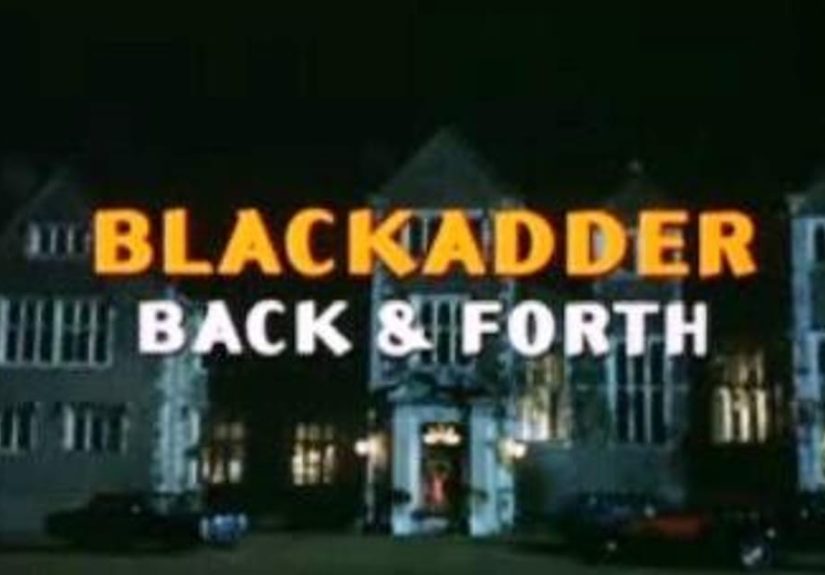
First, a quick recap. Blackadder: Back & Forth is a 33-minute science-fiction comedy short, written by Richard Curtis and Ben Elton and directed by Paul Weiland. It premiered at the Millennium Dome’s specially built SkyScape cinema in London as part of the 2000 celebrations before airing on TV.
The special features a modern descendant, Lord Edmund Blackadder, who bets a group of aristocratic friendsincluding modern versions of Queenie, George, Melchett, and Darlingthat he has built a working time machine. Of course, he’s initially faking it… until the machine actually works. Cue chaotic jumps through time that let the show revisit some of its favorite historical playgrounds.
Most of the classic cast returns: Rowan Atkinson, Tony Robinson, Stephen Fry, Hugh Laurie, Tim McInnerny, Miranda Richardson, Rik Mayall, plus special appearances by Kate Moss and Colin Firth. It’s essentially a Blackadder reunion party with a budget, a time machine, and millennium money behind it.
How Fans and Critics Rate Blackadder: Back & Forth
Audience Scores and Rankings
On paper, the numbers for Blackadder: Back & Forth look solid. On IMDb, the special sits in the mid-7s out of 10, putting it on par with other Blackadder specials and ahead of many sitcom one-offs. Some fan-curated lists even put it at or near the top of “top rated Blackadder episodes,” largely because it’s counted as a standalone item rather than part of a mixed season.
Fan rating breakdowns on forums and fan subreddits tend to cluster Back & Forth around 7.5 out of 10below the peak episodes of Blackadder II and Blackadder Goes Forth, but roughly in line with the other specials like Blackadder’s Christmas Carol and The Cavalier Years.
In short: audiences generally like it, but don’t treat it as sacred canon in the same way they do, say, “Goodbyeee” or “Chains.” It’s warmly received, but not universally worshiped.
Critical Opinions: Fun but “Hit and Miss”
Critics and long-time reviewers tend to fall into one of two camps:
- The nostalgic defenders who love seeing the whole cast back together and enjoy the opportunity to revisit key historical periods in a whirlwind of fan service.
- The purists who feel the special is fun but ultimately a weaker echo of the sharp writing and character work of the original series.
User and critic reviews often describe Back & Forth as “good fun” and praise the reunion of the cast, but note that it can feel “hit and miss” compared with the tighter episodic structure of the main series. A Rotten Tomatoes audience summary highlights that it “captures the same comedic qualities that made the show such a hit” and is likely to please fans, especially with the familiar ensemble and nostalgia factor.
On more opinionated platforms like Letterboxd, you’ll find reviews calling it a “sad way for such a beloved franchise to go out,” often from viewers who wanted something as emotionally devastating as the Blackadder Goes Forth finale rather than a playful time-travel romp.
Ranking Blackadder: Back & Forth in the Franchise
Where It Sits Among the Specials
If we rank the three major Blackadder specialsThe Cavalier Years, Blackadder’s Christmas Carol, and Blackadder: Back & Forthusing a blend of fan ratings and general critical sentiment, this is where Back & Forth tends to land:
- Blackadder’s Christmas Carol – Often praised for its clever inversion of Dickens, its strong Victorian setting, and some of the show’s sharpest one-off jokes.
- Blackadder: Back & Forth – Loved for the cast reunion, ambitious time-travel concept, and fan-pleasing references, but dinged for feeling cramped and slightly sketch-like.
- The Cavalier Years – A shorter, more niche special that’s fun but less frequently revisited by casual fans.
Fan rating compilations back this up: Back & Forth usually sits just behind the Christmas special but ahead of The Cavalier Years in average scores.
Compared to the Main Series
Now, here’s where things get tougher for Back & Forth. The main four seriesThe Black Adder, Blackadder II, Blackadder the Third, and Blackadder Goes Forthare frequently cited among the best British sitcom runs ever. The fourth series in particular, Blackadder Goes Forth, is celebrated for its balance of biting satire and a famously moving final episode, and it regularly appears on “greatest TV” lists and academic discussions of World War I in popular culture.
When stacked against that, Back & Forth feels more like a victory lap than a brand-new peak. It doesn’t try to outdo the emotional weight of “Goodbyeee,” and it doesn’t deliver a single standalone episode as quotably perfect as “Beer” or “Chains.” But it does function as a fun “greatest hits” sampler for longtime viewers.
If you forced most fans to rank everything, a common ordering would look something like:
- Top tier: Blackadder II, Blackadder the Third, Blackadder Goes Forth
- Middle tier: The Black Adder, Blackadder’s Christmas Carol, Blackadder: Back & Forth
- Lower tier (but still loved): The Cavalier Years, the early pilot, and oddities
That puts Blackadder: Back & Forth squarely in the “good, entertaining, and worth watching” categorybut rarely anyone’s top choice.
What Works Best in Blackadder: Back & Forth
The Time-Travel Structure
The main hook of the special is its time-travel device, both literal and narrative. Blackadder and Baldrick leap between erasdinosaurs, Roman Britain, Shakespeare’s England, the Battle of Waterloo, and World War Iletting the script riff on different historical moments in quick bursts.
This structure gives the writers room to:
- Recycle fan-favorite dynamics (Blackadder bullying Baldrick with style and flair).
- Wink at earlier versions of the characters, especially when we meet familiar archetypes in new time periods.
- Play with “what if” scenarios, especially in the Waterloo and WWI segments.
It feels more like a set of connected comedy sketches than a single tightly plotted scriptbut for a 33-minute special designed as a one-time event, that looseness doesn’t entirely hurt it.
The Cast Reunion and Cameos
The biggest emotional win for Back & Forth is simply the joy of seeing everyone together again. Rowan Atkinson slides back into Blackadder’s acidic charm like he never left. Tony Robinson’s Baldrick is still cheerfully dim and catastrophically unhelpful. Hugh Laurie, Stephen Fry, Miranda Richardson, Tim McInnerny, and Rik Mayall all bring back familiar energy that anchors each time period.
On top of that, you get fun cameos: Colin Firth as the stiff Lord Wessex and Kate Moss as a disturbingly glamorous Maid Marian add a modern celebrity sheen to the special, a reminder that by 1999, Blackadder had enough cultural clout to pull big names into brief roles.
Production Values and Millennium Scale
Compared to the original seriesshot on relatively modest BBC budgetsthe special has a more cinematic feel. Filmed in widescreen with a bigger budget, Back & Forth includes richer sets, more elaborate costumes and effects, and a more polished look overall. The orchestral version of the Howard Goodall theme in the opening credits and the heroic choral closing music help sell the idea that this is, if not a movie, at least a grand “event.”
It may not be epic, but for a sitcom spin-off shown at the Millennium Dome, it absolutely looks the part.
Where Blackadder: Back & Forth Falls Short
Compressed Story, Big Expectations
The main criticism you’ll see from long-time fans is that Back & Forth feels rushed. Trying to juggle multiple time periods, a framing bet, and a finale twist in just over half an hour means there’s not enough time for the layered plotting and slow-burn payoffs that made the best series so good.
Some reviewers describe it as feeling more like a commemorative special than a true continuation of the showfun and energetic, but lighter and less vicious in its satire. If you’re hoping for something as emotionally heavy as the finale of Blackadder Goes Forth, you’re probably going to come away slightly disappointed.
The Tone Shift: Less Bitter, More Cozy
Another sticking point is the tone. The series famously balanced cynicism with intelligence, often ending on a note that was surprisingly bleak or bittersweetespecially in the WWI season, which critics have linked to how popular culture processes the trauma of the Great War.
By contrast, Back & Forth is more comfortable, more fan-friendly, and more optimistic, with an ending that lets Blackadder essentially “win” and rewrite his legacy. That’s fun, but it doesn’t linger with you in the same way.
Our Overall Ranking and Opinion
If we had to give Blackadder: Back & Forth a concise verdict, it would be this:
As a comedy special: It’s a lively, clever, and often very funny reunion with a beloved cast. The time-travel concept is a solid excuse for a “greatest hits” tour of the show’s favorite eras, and the production values make it feel like an event.
As a series finale: It’s charming rather than essential. The emotional stakes are lower, the satire is softer, and the structure is looser than in the show’s all-time-great episodes.
On a 10-point scale, and averaging sentiment from fans, critics, and a bit of personal bias, Blackadder: Back & Forth lands around a 7.5/10. Very good, very enjoyablejust not in the same legendary league as the show’s finest half-hours.
Experiences, Rewatches, and Modern Opinions
One of the most interesting things about Blackadder: Back & Forth is how differently it plays depending on how and when you watch it.
Watching It as a Newcomer vs. a Long-Time Fan
If you’re new to Blackadder and stumble onto Back & Forth first, the special can feel like a quirky, fast-moving British comedy with a suspiciously overqualified cast. You get hints of who these people are to each other, but you don’t yet have the emotional attachment to Blackadder, Baldrick, or George that makes the jokes really land.
For first-timers, the time-travel premise is the main draw: a snarky aristocrat bouncing through history, insulting everyone in sight. The pace is brisk, the jokes are accessible, and the premise is self-contained enough that you don’t need to know every callback to enjoy it. But you won’t fully appreciate why fans get slightly misty-eyed just seeing these characters share a frame again.
For long-time fans, the experience is very different. The moment Blackadder appears on screen with Baldrick, it instantly triggers muscle memory. You know exactly how their dynamic works, and you’re already bracing for the next creative insult. Seeing Hugh Laurie, Stephen Fry, Miranda Richardson, and the rest of the cast slide back into familiar personas feels like a class reunion where everyone somehow still fits into their old costumes.
The Nostalgia Effect on Rankings
Ask someone who watched Blackadder in the 1980s and then saw Back & Forth at the turn of the millennium, and their ranking is almost always filtered through nostalgia. For many, the special is less about whether every joke lands and more about the feeling of watching “one last” Blackadder adventure at a time when it truly felt like the end of an era.
Online comments and fan threads often mention that the very existence of a millennium specialwith widescreen picture, a bigger budget, and a theatrical screeningfelt like a gift to fans who never expected another chapter. Even viewers who think the script is a bit uneven still talk fondly about the reunion itself.
That nostalgic glow absolutely nudges the rankings upward. People might rate the special a 7.5 out of 10 on a technical level but still talk about it with 9-out-of-10 fondness because of when they saw it and what it represented.
Rewatching Today: Does It Hold Up?
In a world of HD re-releases and streaming, Blackadder: Back & Forth has aged surprisingly well. The historical jokes, rooted in the show’s signature mix of academic references and playground insults, still feel sharp. The physical comedy, from bungled time-machine experiments to period costumes, remains visually funny even if you’ve heard the lines before.
What you do notice on rewatch is how much the special depends on your preexisting affection for the characters. Without that, it’s a clever, above-average British TV comedy. With it, it’s a reunion, a celebration, and a gentle epilogue.
Modern viewers who discover the show through streaming often watch the four main series first, then circle back to the specials. For them, Back & Forth becomes almost like a bonus “after credits” scene: not necessary to understand the story, but satisfying if you’ve fallen in love with this deeply petty, deeply quotable universe.
How to Get the Best Experience from Back & Forth
If you’re planning a watch (or rewatch), here’s a simple way to get the most out of Blackadder: Back & Forth:
- Watch at least one full series firstideally Blackadder II or Blackadder Goes Forthso you’re familiar with the character archetypes and recurring dynamics.
- Treat the special as dessert, not the main course. It’s richer if you already know the “meals” that came before it.
- Lean into the references. Part of the fun is recognizing riffs on earlier episodes and historical periods.
- Don’t expect another “Goodbyeee.” This is a light, celebratory capstone, not an emotional gut punch.
Viewed that way, Blackadder: Back & Forth becomes exactly what it was probably meant to be: a brisk, affectionate, slightly chaotic final bow from one of TV’s most delightfully unpleasant heroes.






 Close
Close