
Table of Contents >> Show >> Hide
- Quick Table of Contents
- Capsaicin 101: Where the Heat Comes From
- Measuring Heat: Scoville, SHU, and Lab Testing
- The Superhot List: Peppers High in Capsaicin
- Flavor vs. Fire: What Superhots Taste Like
- How to Cook With High-Capsaicin Peppers (Safely)
- How to Tame the Burn
- Growing Peppers for More Heat
- Who Should Be Extra Careful With Super-Spicy Foods
- Conclusion
- Heat Experiences: What It’s Like in the Real World (and Why People Keep Coming Back)
Some people collect stamps. Some people collect vinyl. And some brave souls collect moments of regret by biting into “just a little” superhot pepper.
If you’ve ever wondered what makes certain chiles feel like a tiny dragon doing cartwheels on your tongue, the answer is simple:
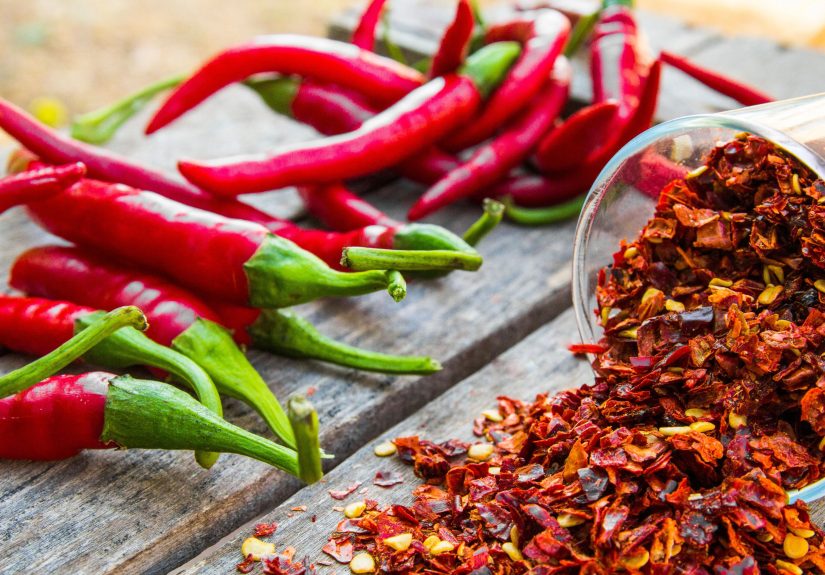
capsaicinthe naturally occurring compound behind that unmistakable burn.
In this guide, we’ll break down where capsaicin lives inside a pepper, how heat is measured, which peppers pack the biggest punch,
and how to cook with serious spice without turning dinner into a survival documentary.
Capsaicin 101: Where the Heat Comes From
Capsaicin is part of a family of compounds called capsaicinoids, which are responsible for the burning sensation we interpret as “spicy.”
Here’s the fun twist: chiles aren’t actually “hot” in temperature. Capsaicin triggers specific nerve receptors (often discussed as heat/pain receptors),
basically convincing your body that you’ve made a questionable life choiceeven when the food is room temperature.
The hottest part of the pepper isn’t the seeds
Pepper seeds get blamed for everythinglike the younger sibling of the chile world. In reality, the highest concentration of capsaicin is found in
the pepper’s pith and inner ribs (often called the placenta), the pale, spongy tissue that holds the seeds in place.
Seeds can taste spicy because they rub against that tissue and pick up capsaicin on the surface, but they aren’t the main “factory.”
Why do peppers even make capsaicin?
Capsaicin appears to be part of the plant’s survival strategy. In nature, it can discourage certain animals from chewing the fruit and crushing seeds.
Meanwhile, some animals are less sensitive to capsaicin and can help spread seedsan elegant system that says, “Please don’t snack on me…
unless you’re helpful about it.”
Measuring Heat: Scoville, SHU, and Lab Testing
The Scoville scale, explained without the science-y snooze
Most pepper heat is expressed in Scoville Heat Units (SHU). The original Scoville method (early 1900s) was a taste test:
pepper extract was diluted in sweetened water until tasters could no longer detect heat. The more dilution needed, the higher the SHU.
Yes, this means humans were once the measuring tool. We’ve come a long way. Thank you, modern laboratories.
Modern testing uses lab analysis
Today, heat is often estimated using laboratory methods that quantify capsaicinoids more objectively (commonly discussed as chromatographic testing).
In other words: less “Does your face feel like it’s melting?” and more “Here are the numbers.”
Important: SHU is a range, not a promise
The same pepper variety can land in different SHU ranges depending on genetics, growing conditions, ripeness, and stress.
That’s why credible charts usually give ranges (for example, jalapeños can vary a lot).
Translation: your jalapeño might be a kittenor it might be a tiny chaos goblin.
One more benchmark for perspective: pure capsaicin is often referenced at around 16 million SHU.
That’s not a food; that’s a warning label with ambition.
The Superhot List: Peppers High in Capsaicin
“High-capsaicin peppers” usually means superhotsvarieties that push into hundreds of thousands (or millions) of SHU.
Below are well-known heavy hitters, with typical reported ranges or averages. (Remember: heat varies, and your mileage may burn differently.)
1) Pepper X (superhot record-holder)
If you’ve heard whispers of a pepper so hot it makes other peppers file a complaint, this is the one.
Pepper X has been recognized as a record-setting chile with an average measured heat in the
multi-million SHU range. It’s the kind of pepper that should be treated like a seasoningnot a snack.
2) Carolina Reaper
The Carolina Reaper is legendary for living in the “million-plus SHU” neighborhood.
It’s also a great example of why ranges matter: it’s commonly cited around an average in the mid–high million range, with some measurements higher.
Reaper is popular in extreme hot sauces because a tiny amount goes a very long way.
3) Trinidad Moruga Scorpion
The Trinidad Moruga Scorpion is another top-tier superhot, often cited above 1 million SHU.
“Scorpion” isn’t just marketingit’s a hint that this pepper’s sting can build and linger.
4) Ghost Pepper (Bhut Jolokia)
The ghost pepper famously helped redefine “hot” for modern chile fans, often referenced around the
~1 million SHU zone. It’s widely used in sauces and spicy snack products because it brings both heat and a distinctive chile flavor.
5) Habanero & Scotch Bonnet (serious heat, still “cookable”)
Not everyone wants to cook with peppers that require an emotional support plan. If you want big heat without the superhot category,
habaneros and Scotch bonnets are classicsoften cited in the 100,000–350,000 SHU range.
They’re fruity, aromatic, and a go-to for Caribbean-inspired dishes, hot sauces, and salsas.
6) Thai chiles, cayenne, serrano, jalapeño (the “daily drivers”)
These peppers aren’t usually “superhots,” but they’re still capsaicin-forwardand they’re much easier to use regularly:
- Thai chiles: often cited roughly tens of thousands up to around 100,000 SHU
- Cayenne: commonly referenced around tens of thousands SHU
- Serrano: often cited around 10,000–25,000 SHU
- Jalapeño: commonly cited around 2,500–8,000 (or 10,000) SHU
If you’re building spice tolerance or want heat that won’t hijack the entire meal, this is your lineup.
Flavor vs. Fire: What Superhots Taste Like
Here’s the secret superhot fans don’t always say out loud: many of these peppers actually taste goodbefore the heat takes over the room.
High-capsaicin peppers can have fruity, floral, smoky, or even slightly sweet notes. The challenge is that capsaicin can overwhelm your palate,
making it hard to perceive subtle flavors once the burn escalates.
Common flavor notes you’ll hear
- Fruity/tropical: habanero and Scotch bonnet styles often lean this way.
- Earthy/smoky: certain superhots can feel deeper, especially in sauces.
- Floral/perfume-like: some varieties have an aromatic “nose” that shows up early.
Practical takeaway: if you want flavor and heat, use superhots in controlled, small dosesso your taste buds don’t get evicted.
How to Cook With High-Capsaicin Peppers (Safely)
1) Treat the pith like a volume knob
Since the inner ribs and pith carry the most capsaicin, removing them can dramatically reduce heat.
Want “warm and friendly” instead of “volcanic”? De-seed and remove the pith, not just the seeds.
2) Use micro-dosing, not bravery
With superhots, think in slivers, not slices. A thin shaving can season an entire pot of chili or a batch of sauce.
You can always add morebut you can’t un-spice a meal without basically cooking a second meal.
3) Capsaicin doesn’t wash off easily (because it hates water)
Capsaicin is known for being stubborn: water alone often doesn’t remove it well. That’s why people end up with “pepper hands”
after chopping chiles. Dish soap, oils, and dairy tend to work better than a quick rinse.
4) Basic kitchen safety that saves your whole day
- Wear disposable gloves when handling hot or superhot peppers.
- Avoid touching your eyes, face, and contact lenses while prepping.
- Use a dedicated cutting board for superhots (and wash tools thoroughly).
- Ventilate the kitchen if cooking or simmering spicy mixtures; fumes can irritate eyes and throat.
If you’re serving others, label spicy dishes clearly. Nobody likes a surprise plot twist in their pasta sauce.
How to Tame the Burn
When capsaicin hits, your instinct may be to chug water. Unfortunately, capsaicin doesn’t play nice with water.
Better options focus on binding or “lifting” the compound off your mouth’s surfaces.
What helps most
- Dairy (milk, yogurt): proteins in dairy (often cited as casein) can help break up capsaicin’s grip.
- Starches (bread, rice, tortillas): can help absorb and move capsaicin along.
- A little sugar: can blunt perceived burn for some people (think sweet sauce, honey, or a small spoonful of sugar).
What often doesn’t help
- Water: may spread capsaicin around instead of removing it.
- Carbonated drinks: can sometimes intensify discomfort for certain people.
Bonus tip: prevention is underrated. If you’re trying a superhot sauce, start with a drop on food, not a heroic spoonful.
Your taste buds are not impressed by dares; they want a stable home environment.
Growing Peppers for More Heat
If you grow peppers (or shop farmers markets like you’re scouting the next hot sauce star), it helps to know what can influence capsaicin levels.
Heat isn’t just about the varietyit’s also about conditions.
Factors that can influence pepper heat
- Genetics: the variety sets the potential ceiling.
- Sun and warmth: peppers generally develop well with plenty of sun and heat.
- Ripeness: many peppers get hotter as they mature (though flavor shifts, too).
- Stress: some growing stress can affect heat, which is one reason SHU is usually given as a range.
If your goal is flavor-first heat, choose varieties known for aroma (like habanero types) and focus on healthy, consistent growing conditions.
If your goal is “my salsa should come with a waiver,” you’re in superhot territoryand you’ll want to be extra careful at harvest time.
Who Should Be Extra Careful With Super-Spicy Foods
Spicy foods can fit into a normal diet for many people, but superhots are a different category. The burn can be intense,
and some people are more sensitive than others.
Consider going slow (or skipping superhots) if you:
- Have frequent heartburn or reflux symptoms.
- Have digestive conditions that flare with spicy foods.
- Are new to spicy eating and don’t know your tolerance yet.
- Are cooking for a crowd with mixed spice preferences.
This isn’t about fearit’s about enjoyment. Heat should make food exciting, not miserable.
If your “spicy night” ends with everyone silently questioning their decisions, that’s a sign to dial it back.
Conclusion
Peppers high in capsaicin are equal parts culinary thrill and science experiment. Once you know where the heat lives (hello, pith),
how SHU numbers are measured, and which varieties hit the superhot stratosphere, you can make smarter choiceswhether that means
a fruity habanero salsa or a microscopic drop of superhot sauce in a whole pot of stew.
The goal isn’t to “win” at spice. The goal is to make food taste incrediblewhile keeping your hands, eyes, and dignity intact.
Bring the heat, sure… but bring it with a plan.
Heat Experiences: What It’s Like in the Real World (and Why People Keep Coming Back)
High-capsaicin peppers inspire a very specific kind of storytelling. There’s the classic “I tried it once and saw my ancestors” line,
the proud “I can handle habaneros like candy” claim, and the quiet, humbled silence that often follows a first encounter with a superhot.
What makes these peppers so memorable isn’t only the intensityit’s the way the experience changes over time.
Many people describe superhot heat as layered. A jalapeño tends to announce itself quickly and then settle down.
A habanero often brings a bright, fruity aroma first, followed by a strong, steady burn that can feel like it’s “glowing.”
Superhots, on the other hand, frequently arrive in stages: a brief moment of “Hey, this is fine,” followed by a sudden surge
that spreads across the tongue, lips, and throat. That delayed escalation is why people sometimes underestimate themright up until they don’t.
Another common real-world surprise: the difference between mouth heat and skin heat.
Someone can enjoy a spicy taco and still end up with painful “pepper hands” after chopping chiles without gloves.
Capsaicin is stubborn, and water alone often doesn’t remove it well. People learn quickly that the danger isn’t only what you eat
it’s what you touch afterward. Eye contact lenses, phone screens, and unsuspecting doorknobs have all been unwilling supporting characters
in this spicy drama.
Then there’s the social side. Hot sauce tastings and “try this” moments tend to turn into community events:
someone brings a bottle with a warning label, everyone leans in like it’s a rare museum exhibit, and the bravest person takes the first bite.
The room usually follows a predictable scriptbig talk, a small taste, a pause, and then the sudden scramble for milk.
Oddly, these experiences aren’t always negative. Some people enjoy the adrenaline-like rush, the endorphin lift, and the sense of shared
hilarity that comes from a safely controlled “whoa, that’s hot” moment.
The most seasoned chile fans often sound the least dramatic. They talk about superhots the way coffee people talk about espresso:
intensity matters, but so does flavor, balance, and technique. They’ll recommend using a sliver of a superhot pepper to perfume a pot of beans,
blending it into a sauce with fruit for a sweet-heat contrast, or removing the pith to keep a dish enjoyable.
Their best advice is almost always the same: respect the pepper. Start small, build gradually, and choose heat levels that make the
meal more deliciousnot more punishing. The ultimate “pepper win” isn’t finishing the hottest bite; it’s wanting to cook with spice again tomorrow.




 Close
Close