
Table of Contents >> Show >> Hide
- Bronchitis vs. pneumonia in one simple sentence
- Why these two conditions get confused so often
- The biggest symptom differences to watch for
- A quick side-by-side comparison
- Can you tell by mucus color alone?
- Does bronchitis turn into pneumonia?
- How doctors tell the difference
- When symptoms suggest you should not “wait it out”
- Who is more likely to have complications from pneumonia?
- Treatment: why the plan can be very different
- How long does recovery usually take?
- How to lower your risk of both
- What it may feel like in real life: experiences people often describe
- Final takeaway
- SEO Tags
Note: This article focuses mostly on acute bronchitis, the short-term kind that often shows up after a cold or flu-like illness, not chronic bronchitis related to COPD.
Bronchitis and pneumonia have an annoying habit of showing up with some of the same party tricks: coughing, fatigue, chest discomfort, and the general feeling that your lungs have decided to unionize against you. That overlap is exactly why people mix them up. One minute you think you have a stubborn chest cold. The next minute you are wondering whether you need antibiotics, a chest X-ray, or a dramatic movie-scene diagnosis in a hospital hallway.
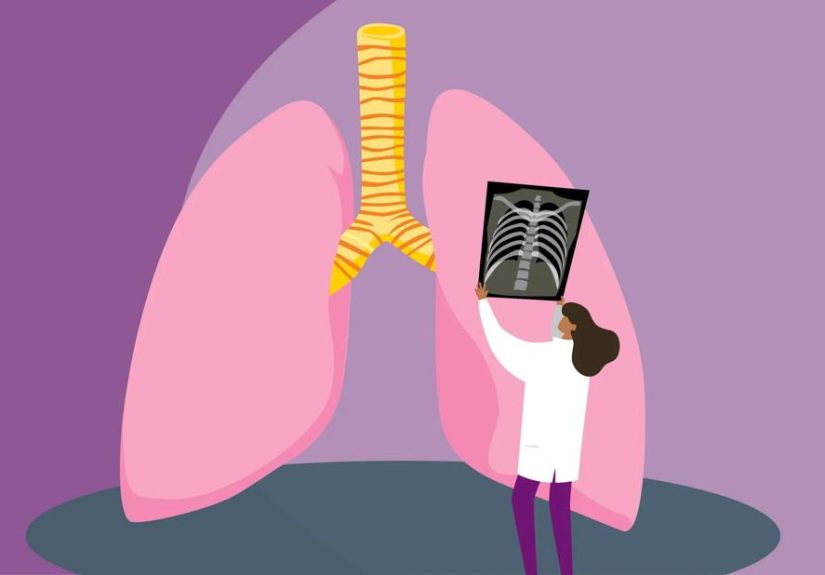
Here is the good news: while only a clinician can diagnose you for sure, there are some useful clues that can help you understand what might be going on. In plain English, bronchitis usually irritates the breathing tubes that carry air into your lungs, while pneumonia affects the tiny air sacs inside the lungs themselves. That deeper infection is one reason pneumonia tends to hit harder.
If you are trying to sort out whether your cough is “ugh, this again” bronchitis or “I should probably get checked today” pneumonia, this guide walks through the symptoms, the differences, how doctors tell them apart, and when it is time to stop guessing and call a healthcare professional.
Bronchitis vs. pneumonia in one simple sentence
Bronchitis is inflammation of the bronchial tubes, while pneumonia is an infection and inflammation in the air sacs of the lungs. Because pneumonia reaches deeper into the lungs, it is generally more serious.
Why these two conditions get confused so often
Both bronchitis and pneumonia can start after a viral infection, especially during cold and flu season. Both can trigger a cough, leave you tired, and make your chest feel sore. Both may come with mucus. And both can make you wonder whether your body is being dramatic or whether you really need medical care.
But the overlap ends pretty quickly once you look at the details. Acute bronchitis often behaves like a chest cold that lingers. Pneumonia is more likely to make you feel genuinely sick, worn down, and short of breath. Bronchitis can be miserable, sure, but pneumonia is the one more likely to make simple tasks feel weirdly exhausting, like walking to the kitchen has suddenly become an Olympic event.
The biggest symptom differences to watch for
Signs that lean more toward bronchitis
Bronchitis usually leads with a cough. It may be dry at first or bring up mucus later. You may also have a sore throat, mild body aches, a runny or stuffy nose, wheezing, chest tightness, and a low-grade fever. A lot of people with acute bronchitis say the cough is the star of the show and everything else is backup cast.
Another classic clue is timing. Acute bronchitis often improves on its own, though the cough can linger for a couple of weeks or even a bit longer. That long tail of coughing is annoying, but it does not automatically mean something more dangerous is happening.
Signs that lean more toward pneumonia
Pneumonia usually comes with more intense whole-body symptoms. Think fever, chills, shortness of breath, faster breathing, deeper fatigue, and chest pain that gets worse when you cough or take a deep breath. Some people cough up thick mucus, and the illness may come on quickly or build after another respiratory infection.
Older adults may not read from the “classic symptoms” script. Instead of a dramatic fever, they may seem weak, confused, less alert, or just suddenly “not themselves.” That is one reason pneumonia can be easier to miss in seniors.
Symptoms both conditions can share
Yes, this is where the confusion lives. Both can cause:
- Cough
- Mucus or phlegm
- Fatigue
- Chest discomfort
- Mild shortness of breath
- Feeling generally run down
That is why the severity, depth, and pattern of symptoms matter more than any single symptom by itself.
A quick side-by-side comparison
| Feature | Bronchitis | Pneumonia |
|---|---|---|
| Main problem | Inflamed bronchial tubes | Infected and inflamed lung air sacs |
| Cough | Usually the main symptom | Common, often with phlegm |
| Fever | Often mild or absent | More likely to be higher or more persistent |
| Shortness of breath | Mild or activity-related | More common and often more noticeable |
| Chest pain | Often soreness from coughing | More likely to hurt with breathing or coughing |
| Wheezing | More common | Can happen, but not the classic standout sign |
| How sick you feel | Usually uncomfortable but manageable | Often more serious and draining |
| Need for chest X-ray | Not always | Often used to confirm diagnosis |
Can you tell by mucus color alone?
Not reliably. A lot of people try to play detective with phlegm color, but yellow or green mucus does not automatically mean pneumonia, and it does not automatically mean you need antibiotics either. Bronchitis can also produce discolored mucus. In other words, sputum color is a clue with a very inflated sense of self.
What matters more is the full picture: fever, breathing trouble, chest pain, worsening symptoms, low oxygen, or signs that you are getting sicker instead of better.
Does bronchitis turn into pneumonia?
Sometimes it can. A respiratory infection may start in the upper airways or bronchial tubes and then move deeper into the lungs. That is why a cough that starts out feeling like a routine chest cold but then evolves into fever, shortness of breath, or chest pain deserves more attention.
A practical rule of thumb: if your illness is changing direction in a bad way instead of slowly improving, it is worth getting checked. A cough that is lingering is one thing. A cough that is suddenly paired with labored breathing, shaking chills, or a drop in energy is another.
How doctors tell the difference
This is where real diagnosis starts. A healthcare professional will usually look at your symptoms, your age, your medical history, and your vital signs. They may listen to your lungs for wheezing, crackles, or signs of consolidation. Translation: they are listening for sounds that hint at whether the problem is in the airways or deeper in the lungs.
If pneumonia is suspected, a chest X-ray is often the next step. Pulse oximetry may also be used to measure oxygen levels. In some cases, clinicians may order blood work, sputum testing, or viral testing, especially if symptoms are more severe, the patient is older, or the diagnosis is not obvious.
Acute bronchitis, on the other hand, often does not need imaging if your vital signs are normal and your lung exam is reassuring. That is one reason not every cough earns a chest X-ray.
When symptoms suggest you should not “wait it out”
Call a healthcare professional promptly if you have:
- Shortness of breath or trouble breathing
- Chest pain, especially when breathing in
- A fever of 100.4°F or higher that is significant, persistent, or worsening
- Bloody mucus
- Symptoms lasting more than three weeks
- Worsening weakness, dizziness, or dehydration
- Confusion or sudden mental changes, especially in an older adult
- Bluish lips, fingertips, or any sign of low oxygen
Seek urgent care or emergency care if breathing is clearly hard work, you cannot speak comfortably because of shortness of breath, or you seem severely ill. That is not the time for internet self-diagnosis and herbal tea optimism.
Who is more likely to have complications from pneumonia?
Anyone can get pneumonia, but some people have a higher risk of severe illness. That includes older adults, very young children, people who smoke, and people with chronic medical conditions such as lung disease, heart disease, diabetes, kidney disease, or a weakened immune system.
If you fall into one of those groups, it is smart to have a lower threshold for getting evaluated when a cough starts feeling more intense than a typical cold. Pneumonia is not always loud and obvious at the beginning.
Treatment: why the plan can be very different
Bronchitis treatment
Most cases of acute bronchitis are caused by viruses, which means antibiotics usually do not help. Treatment is generally supportive: rest, fluids, humidity, symptom relief, and patience. Yes, patience is rude, but it is often part of the prescription.
Depending on the person and symptoms, a clinician may suggest over-the-counter pain relievers, cough drops, honey for adults and children over age 1, or other symptom-relief strategies. If wheezing is part of the picture, some people may need inhaled medication.
Pneumonia treatment
Pneumonia treatment depends on the cause and severity. Bacterial pneumonia is often treated with antibiotics. Viral pneumonia may be treated with supportive care, and in some cases antiviral medication. Severe pneumonia may require oxygen, IV fluids, breathing treatments, or hospitalization.
That is one of the biggest practical differences between bronchitis and pneumonia: pneumonia is more likely to require diagnostic testing, prescription treatment, and closer medical follow-up.
How long does recovery usually take?
Acute bronchitis often improves within a week or two, but the cough can hang around longer. Pneumonia recovery is less predictable. Some people improve in days once treatment starts, while others feel wiped out for weeks. Energy tends to return more slowly with pneumonia, which is why people often say it “took more out of me” than a regular respiratory infection.
If you are technically getting better but still coughing, that does not automatically mean treatment failed. But if you are still feverish, more short of breath, or more exhausted as time passes, follow-up is important.
How to lower your risk of both
You cannot live in a bubble, and honestly that would get boring fast. But you can lower your chances of bronchitis and pneumonia by:
- Washing your hands regularly
- Staying up to date on recommended vaccines, including flu and pneumonia vaccines when appropriate
- Avoiding smoking and secondhand smoke
- Managing asthma, COPD, diabetes, and other chronic conditions well
- Getting evaluated earlier if you are high risk and develop a concerning cough
What it may feel like in real life: experiences people often describe
To make the difference more concrete, it helps to think in terms of common experiences rather than textbook bullet points.
Experience one: the lingering “chest cold” cough. A person gets over a sore throat and runny nose, but the cough refuses to leave. It is annoying, worse at night, and makes the chest feel sore. They may bring up some mucus, feel tired, and hear a little wheeze when climbing stairs. But they are still functioning, still eating, and not especially short of breath while resting. This is the kind of story that often fits acute bronchitis. It feels lousy, but it usually behaves more like an irritated airway than a deep lung infection.
Experience two: the sudden downhill slide. Someone starts with cold symptoms, then a couple of days later they feel dramatically worse. The fever spikes, chills show up, breathing feels harder, and even walking across the room is more tiring than expected. They may describe a sharp ache in the chest when taking a deep breath. This is the kind of illness pattern that raises concern for pneumonia. The “I had a cold and then got slammed” storyline is common.
Experience three: the confusing middle ground. Some people are not dramatically ill, but they are not okay either. They have a cough, feel weak, maybe run a fever, and cannot tell whether this is just a bad cough or something more serious. This gray zone is exactly why pneumonia can be tricky. Walking pneumonia and mild pneumonia do exist, and they may not look like a movie version of severe illness. If symptoms are dragging on, getting worse, or not matching the usual pattern of a simple cold, a clinician visit can clarify what is going on.
Experience four: the older adult who does not “look textbook.” A parent or grandparent may not complain about chest pain or a dramatic cough at all. Instead, they seem more tired, more confused, less hungry, or just “off.” Maybe they are breathing faster than usual, or they cannot do their regular routine without stopping. Pneumonia in older adults can look subtle at first, and that is one reason families sometimes miss it until the illness becomes more serious.
Experience five: the frustrating aftermath. After bronchitis, people often say, “I felt mostly fine, but the cough just would not quit.” After pneumonia, people are more likely to say, “Even after treatment started, I felt drained for a while.” That difference in recovery story can be revealing. Bronchitis often leaves behind a stubborn cough. Pneumonia more often leaves behind deeper fatigue and a slower return to normal energy.
The takeaway from these lived experiences is simple: bronchitis tends to center around coughing and irritated airways, while pneumonia is more likely to feel deeper, heavier, and harder on the body overall. If the illness seems to move from nuisance to struggle, trust that change and get evaluated.
Final takeaway
Bronchitis and pneumonia can look similar at first, but they are not the same thing. Bronchitis usually means inflamed bronchial tubes and a cough-heavy illness that often clears with time and supportive care. Pneumonia involves infection in the lungs themselves and is more likely to cause fever, chills, chest pain, shortness of breath, abnormal vital signs, and a need for medical testing or prescription treatment.
If you remember only one thing, make it this: a lingering cough can happen with bronchitis, but worsening breathing, chest pain, confusion, or a significant fever should push pneumonia higher on the list. When symptoms are severe, persistent, or simply feel out of proportion to a regular chest cold, it is time to stop guessing and get checked.







 Close
Close