
Table of Contents >> Show >> Hide
- So… can you put polyurethane over paint?
- What polyurethane actually does (and what it doesn’t)
- When polyurethane over paint is a great idea
- When you should skip it (or choose a different topcoat)
- Water-based vs. oil-based polyurethane over paint
- Paint type matters: best pairings (and a few trapdoors)
- Timing: dry time, recoat time, cure time (the trio people mix up)
- Prep work that actually matters (and what you can stop overthinking)
- How to apply polyurethane over paint (step-by-step)
- Common problems (and how to fix them without crying into your sandpaper)
- Real-world examples: what to use and why
- Alternatives to polyurethane (when you want “protected,” but different)
- Conclusion
You just finished painting a dresser, a set of cabinets, or that thrift-store table you swore you’d “keep simple.”
Then the fear hits: What if it scratches the first time someone looks at it too confidently?
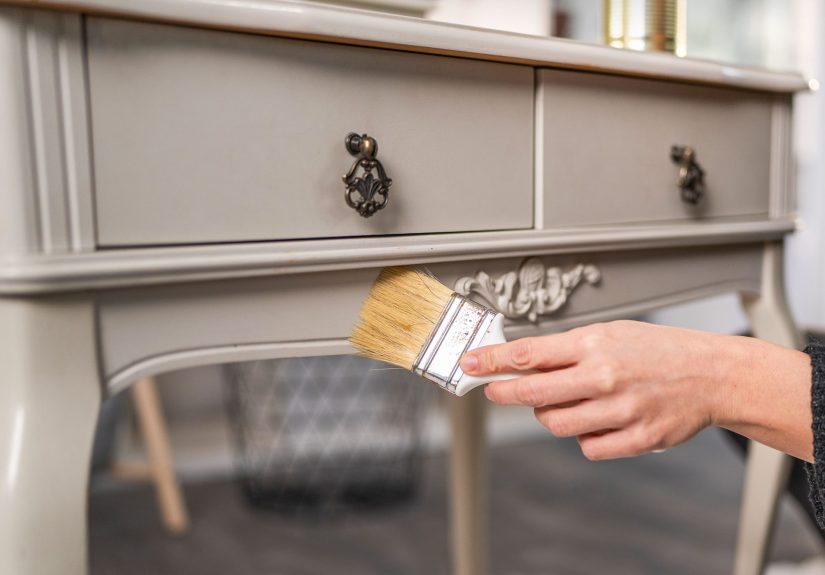
That’s when polyurethane enters the chatlike a clear, protective raincoat for your paint job.
So… can you put polyurethane over paint?
Yes. You can apply polyurethane over paintas long as the paint is fully cured and you prep the surface so the clear coat can grip.
In most home projects, a water-based polyurethane (or acrylic polyurethane) is the safest bet because it stays clearer and is less likely to add a yellow/amber cast.
What polyurethane actually does (and what it doesn’t)
Polyurethane is a clear finish that dries into a hard film. Think of it as a protective “shell” that helps resist
scratches, stains, and frequent wipingespecially on surfaces that get used like real life (tables, cabinets, shelves).
It’s not magic armor, though. If the paint underneath is still soft, greasy, dusty, or too glossy to bond to, polyurethane
can peel, wrinkle, or stay tacky like a gummy bear in a hot car.
When polyurethane over paint is a great idea
- Painted furniture that gets handled a lot: dressers, nightstands, kids’ furniture, chairs.
- Tabletops and desktops: especially if you expect spills, hot mugs, or “creative projects.”
- Cabinets and trim: for easier cleaning and added resistance to scuffs.
- Shelves and built-ins: where sliding objects can chew up paint over time.
- Color protection: when you want to lock in a painted finish and make it more washable.
When you should skip it (or choose a different topcoat)
-
You used a modern cabinet/trim enamel designed to be durable on its own.
Many premium enamels don’t need a clear coat, and adding one can change the sheen or feel “plasticky.” -
You want a dead-flat, chalky look.
Most clear coats add some sheen and can deepen color slightly. -
The paint isn’t cured yet.
This is the #1 reason topcoats fail. Dry-to-touch isn’t the same as cured. -
The surface has wax, polish, silicone, or heavy grease.
Clear coats hate mystery residues. Kitchen grime is basically anti-adhesion confetti. -
It’s an outdoor project in full sun.
Interior polys aren’t built for UV exposure. For outdoor pieces, look for exterior-rated finishes (often labeled “spar” or “exterior”).
Water-based vs. oil-based polyurethane over paint
Both can work. But they behave differentlyand paint doesn’t always forgive bad choices.
Water-based polyurethane (often best over paint)
- Clearer finish: less ambering, especially over white or pastel paint.
- Faster dry/recoat: many water-based options can be recoated in a couple of hours.
- Lower odor + easier cleanup: soap and water cleanup is a sanity saver.
- May need more coats: thinner film per coat, so plan for multiple light layers.
Don’t panic if a water-based product looks milky in the canmany formulas dry crystal clear once applied.
Oil-based polyurethane (durable, but has “color opinions”)
- Tough finish with fewer coats: often builds faster and feels hard once cured.
- Amber/yellow tone: can warm up (or “yellow”) whites and light colors over time.
- Longer dry and cure time: more waiting, more opportunity for dust nibs.
- Solvent cleanup: requires mineral spirits/paint thinner for tools.
Paint type matters: best pairings (and a few trapdoors)
Latex/acrylic paint (common for DIY furniture)
Water-based polyurethane is usually the smoothest pairing hereafter the paint cures.
Latex paint can feel dry quickly but may stay soft longer, especially in humid conditions or with thicker coats.
If it’s still soft, a topcoat can trap solvents or compress the paint film, leading to dents and sticking.
Urethane-alkyd or cabinet enamels
These are often designed to be scrub-resistant without a clear coat. If you still want a topcoat (say, for a tabletop),
give the paint plenty of cure time, scuff sand gently, and test first. Some people prefer professional cabinet topcoats
formulated for cabinetry because they’re built for blocking resistance and frequent cleaning.
Chalk-style paint and ultra-matte finishes
Chalky finishes can be porous and may contain additives that affect curing and topcoat behavior. If you used wax,
remove it completely before any clear coat. Expect a clear finish to deepen color slightly and reduce that dusty-matte vibe.
If you love the chalk look, consider a matte water-based topcoat and apply it carefully to avoid streaks.
Spray paint (especially lacquer-based)
Some spray paints are “hot” solvents (lacquer-like) and can react with certain clear coats.
The safe move is a test patch and light coats. If you see wrinkling, stop and reassess.
Timing: dry time, recoat time, cure time (the trio people mix up)
If you remember only one thing, make it this: dry is not the same as cured.
- Dry to touch: feels dry on the surface.
- Recoat time: safe to add another layer without ruining the previous one.
- Cure time: fully hardened and ready for real-world abuse.
Water-based polyurethanes often dry faster than oil-based, but both continue curing for days (sometimes weeks).
Many pros treat freshly topcoated surfaces gently for a whileeven if they feel dry.
Prep work that actually matters (and what you can stop overthinking)
1) Clean like you mean it
Remove grease, fingerprints, polish, and kitchen funk. A mild degreaser or a TSP-substitute can help on cabinets and furniture.
Rinse if needed and let it dry completely. Clear coats need a clean runway.
2) Scuff sand for adhesion
Polyurethane usually bonds best by mechanical adhesionit needs tiny scratches to grab.
Lightly sand with around 220 grit (or a fine sanding pad) to dull the sheen.
You’re not trying to sand off your paint jobjust giving it “tooth.”
3) Remove dust thoroughly
Vacuum, then use a tack cloth or a slightly damp lint-free cloth (depending on product guidance).
Dust left behind becomes permanent texture. Congratulations, you’ve invented “sandpaper chic.”
How to apply polyurethane over paint (step-by-step)
-
Test a small area first.
Pick a hidden spot. If you get wrinkling, fish-eye, or weird tackiness, you’ve saved yourself a full-project heartbreak. -
Choose the right product.
For most painted projects: water-based polyurethane/acrylic polyurethane in the sheen you want (matte/satin/semi-gloss/gloss).
Remember: a clear coat can slightly shift the lookespecially matte paint. -
Stir, don’t shake.
Shaking traps bubbles. Bubbles dry into bumps. Bumps lead to your eye twitching every time light hits the surface. -
Apply a thin, even coat.
Use a quality synthetic brush, pad applicator, or sprayer (if you have experience).
Work in long strokes, keep a wet edge, and don’t overbrush as it starts to set. -
Let it dry per the label.
Some water-based polys recoat fast (often in a couple of hours). Many oil-based polys need longer between coats.
Temperature and humidity change everythingif it’s humid, add more time. -
Sand lightly between coats (usually).
When fully dry, scuff sand with 220–320 grit to knock down dust nibs and help adhesion.
If the finish “gums up,” it’s not dry enoughwait longer. -
Repeat for 2–4+ coats.
On painted furniture, 2–3 coats is common. High-use surfaces (tabletops, cabinets) often benefit from extra coats.
Thin coats beat thick coats every time. -
Let it cure before heavy use.
Even if it feels dry, treat it gently. Avoid heavy objects, dragging items, and aggressive cleaners until it hardens fully.
Common problems (and how to fix them without crying into your sandpaper)
Problem: Yellowing or warm tint
This is most common with oil-based polyurethane, especially over white paint. Switch to a water-based polyurethane for clearer results.
Also note: some yellowing can come from tannins or contaminants under paint, especially on certain woods, and can be unpredictable.
Problem: Cloudy/milky finish (“blush”)
Moisture can get trapped between coats if you rush, especially with water-based finishes in humid conditions.
Let it dry longer, lightly sand smooth, and recoat when conditions improve.
Problem: Bubbles
Usually caused by shaking the can, overbrushing, or applying too thick. Stir gently, use lighter pressure,
and lay on thinner coats. If bubbles dry in place, sand smooth and recoat.
Problem: Streaks (often with matte finishes)
Flatter sheens contain flattening agents, which can streak if you overwork them.
Use a liberal, even application and avoid pressing hard or back-brushing repeatedly.
If streaks appear, sand lightly and apply another coat more gently.
Problem: Sticky/tacky surface that won’t harden
The usual suspects: paint not cured, coats too thick, high humidity, or incompatible products.
Give it more time in warm, dry airflow. If it stays tacky for an extended period, you may need to remove the topcoat
and start again after the paint fully cures.
Real-world examples: what to use and why
Example 1: Painted kitchen table (high wear)
Use a water-based polyurethane in satin or semi-gloss for better cleanability. Apply 3+ thin coats,
sanding lightly between coats. Let it cure before putting it into daily service.
Example 2: Painted cabinets (frequent wiping)
Many cabinet enamels are durable enough alone, but if you want extra protection, consider a cabinet-rated
waterborne topcoat and apply it evenly (spraying often yields the most factory-like finish).
Example 3: Painted bookshelf (moderate wear)
If books and décor will slide around, a clear topcoat can help reduce scuffing.
A couple of thin water-based coats can make cleanup easier without changing the color much.
Alternatives to polyurethane (when you want “protected,” but different)
- Acrylic polyurethane / clear acrylic topcoat: often very clear, great over paint, typically lower odor.
- Cabinet-specific waterborne topcoats: made for blocking resistance and frequent cleaning.
- Epoxy/resin: heavy-duty for tabletops, but it’s its own skill set and can look thick/glassy.
- Wax: good for a soft, vintage look, but less durable and can complicate future topcoats.
Conclusion
Putting polyurethane over paint is absolutely doableand it’s one of the best ways to upgrade a painted piece from
“pretty” to “pretty and practical.” The winning formula is simple: let the paint cure, scuff sand,
apply thin coats, and give the finish time to harden. Do that, and your project can handle
everyday life without flinching.
Experience Notes (500-ish words): What DIYers Learn After Their First Topcoat Adventure
The internet loves a clean checklist, but real projects have personalitiesusually the dramatic kind. One of the biggest
“aha” moments DIYers report is realizing how often the surface feels ready long before it actually is. A painted dresser
can feel bone-dry in the afternoon and still be soft enough to dent with a fingernail the next day. Add polyurethane too early,
and you can trap moisture or solvents, which is how people end up with a finish that stays tacky like it’s waiting for a hug.
The fix is almost never “more product.” It’s time, airflow, and patience (the least fun supplies to buy).
Another common lesson: the first coat is where most mistakes happen because everyone is trying to “get coverage.”
With clear coats, thick equals trouble. Thick coats sag on vertical surfaces, pool in corners, and telegraph brush marks.
Thin coats feel suspicious at firstlike you’re doing nothingbut they level better and cure more reliably. DIYers who get
great results tend to treat polyurethane like sunscreen: multiple light layers beat one gloopy miracle swipe.
Matte finishes are their own mini-universe. People love matte paint, then get shocked when a matte topcoat looks streaky.
That’s not you being cursed; it’s flattening agents doing what they do. The projects that look best usually involve (1) gentle
application with minimal back-brushing, (2) consistent technique across the whole surface, and (3) accepting that “perfect matte”
is easier when sprayed than brushed. If brushing is your only option, many DIYers prefer satin for the topcoat because it hides
application marks better and is easier to clean.
Color surprises happen too, especially on whites. People blame the polyurethane immediately, but sometimes the yellowing comes
from belowtannins in wood, contamination in an old finish, or something invisible that decides to show itself only after you seal it.
The lesson here is boring but powerful: prime properly when needed, and always do a test board (paint + topcoat) before committing.
A scrap piece can save you from redoing an entire cabinet door. Also, lighting matters: what looks “clear” in warm indoor light can
read slightly creamy in daylight, and that’s normal.
Finally, the most confidence-building habit is learning to judge dryness by behavior, not the clock. Many finishers do a light sand test:
if the finish powders nicely, it’s closer to ready; if it gums up, it needs more time. DIYers who adopt that mindset stop racing the label
and start getting consistent resultsbecause the room’s humidity, temperature, and airflow are always part of the recipe, whether you invited
them or not.




 Close
Close