
Table of Contents >> Show >> Hide
- What Makes a Classic Corn Bread Recipe Actually Classic?
- Classic Corn Bread Recipe
- How to Get the Best Texture Every Time
- Troubleshooting Common Corn Bread Drama
- Delicious Ways to Serve Classic Corn Bread
- How to Store and Reheat Corn Bread
- Kitchen Experiences: Why Classic Corn Bread Keeps Winning
- Conclusion
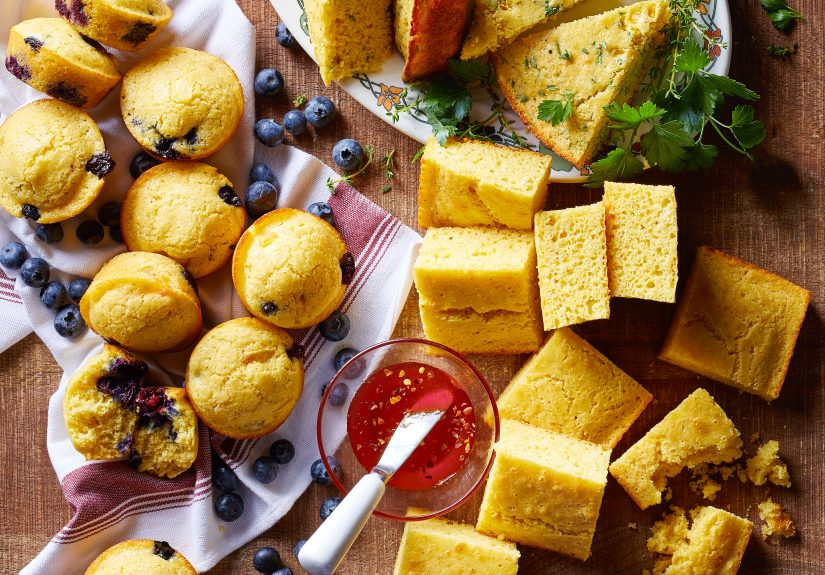
There are few side dishes in American cooking more confident than classic corn bread. It does not need frosting, fanfare, or a publicist. It just walks onto the table warm, golden, and smelling like butter, and suddenly chili looks more important, barbecue gets friendlier, and soup starts acting like it had a plan all along. A great classic corn bread recipe is simple, but not boring. It should have a tender crumb, a lightly crisp edge, a rich corn flavor, and enough structure to slice neatly without turning into edible sand.
That balance is where the magic lives. Some people want sweet cornbread. Others believe sugar belongs nowhere near the skillet and should be treated like a suspicious houseguest. The truth is that a classic version can live peacefully in the middle: flavorful, moist, lightly sweet if you want it, and sturdy enough to serve with everything from weeknight beans to holiday dinners. This recipe takes that middle road on purpose, which is often where the best casseroles, road trips, and family compromises happen.
Below, you will find a reliable, from-scratch classic corn bread recipe, plus the reasoning behind the ingredients, step-by-step instructions, common mistakes, serving ideas, storage tips, and a long experience-based section about why this humble quick bread continues to win hearts and dinner plates. If you want a homemade cornbread recipe that tastes timeless instead of trendy, you are in exactly the right kitchen.
What Makes a Classic Corn Bread Recipe Actually Classic?
A classic corn bread recipe is built on a few non-negotiables. First, it should taste like corn. That sounds obvious, but some versions lean so hard into sugar and cake-like softness that the cornmeal becomes a supporting actor in its own movie. Second, the texture should be tender but not flimsy. Good corn bread slices cleanly, crumbles a little around the edges, and still feels moist enough to enjoy without immediately reaching for a gallon of butter.
The cornmeal-to-flour balance
One of the biggest secrets to easy cornbread success is the balance between cornmeal and all-purpose flour. Cornmeal brings flavor and a rustic bite. Flour softens the texture and keeps the loaf from becoming too fragile. Use only cornmeal and you get a more rugged Southern-style result. Add some flour and the crumb becomes lighter and more crowd-friendly. For a classic family-table version, that blend is hard to beat.
Buttermilk does more than sound old-fashioned
Buttermilk is the ingredient that makes classic corn bread taste like it knows what it is doing. It adds tang, helps tenderize the crumb, and works beautifully with baking soda for lift. If plain milk makes acceptable corn bread, buttermilk makes memorable corn bread. It is the difference between “nice side dish” and “who made this?”
A hot skillet is the shortcut to bakery-level crust
If you want that golden edge and slightly crisp bottom, a preheated cast-iron skillet is your best friend. When the batter hits the hot fat, it sizzles slightly, which helps create the crust that makes skillet cornbread so irresistible. It is a small move with a big payoff, kind of like adding sunglasses to an ordinary outfit.
A little sweetness is optional, not illegal
The sweet-vs-savory debate around cornbread has lasted longer than some celebrity marriages. For this recipe, a modest amount of sugar adds balance without pushing the bread into cupcake territory. If you prefer a more Southern cornbread flavor, reduce it. If you like honey on top and happiness in your soul, keep it as written. Either way, the goal is a classic corn bread recipe with enough flexibility to fit real American tables.
Classic Corn Bread Recipe
Ingredients
- 1 cup yellow cornmeal
- 1 cup all-purpose flour
- 1/4 cup granulated sugar
- 2 teaspoons baking powder
- 1/2 teaspoon baking soda
- 1 teaspoon kosher salt
- 1 cup buttermilk
- 1/2 cup whole milk
- 2 large eggs
- 6 tablespoons unsalted butter, melted
- 1 tablespoon butter or neutral oil for the skillet
Why these ingredients work
The cornmeal brings the signature flavor and slightly grainy texture that defines homemade cornbread. The flour softens the crumb so the bread is tender instead of dry and crumbly. Sugar adds just enough sweetness to round out the corn flavor. Baking powder and baking soda give the bread lift, while buttermilk keeps it moist and adds a subtle tang. Eggs provide structure, and melted butter delivers richness that makes each bite feel complete.
Instructions
- Preheat the oven and skillet. Place a 9-inch cast-iron skillet in the oven and preheat to 425°F. Let the skillet heat while you make the batter.
- Mix the dry ingredients. In a large bowl, whisk together the cornmeal, flour, sugar, baking powder, baking soda, and salt.
- Mix the wet ingredients. In a separate bowl or large measuring cup, whisk together the buttermilk, milk, eggs, and melted butter.
- Combine gently. Pour the wet mixture into the dry ingredients and stir until just combined. A few small lumps are fine. This is corn bread, not a job interview. Overmixing makes it dense.
- Prep the skillet. Carefully remove the hot skillet from the oven. Add the tablespoon of butter or oil and swirl to coat the bottom and sides.
- Bake. Pour the batter into the skillet and spread it evenly. Return the skillet to the oven and bake for 18 to 22 minutes, or until the top is golden and a toothpick inserted in the center comes out clean.
- Cool slightly. Let the corn bread rest for 10 to 15 minutes before slicing. This gives the crumb time to set and keeps it from falling apart while still hot.
Quick recipe notes
- For less sweetness, reduce the sugar to 1 or 2 tablespoons.
- For a richer crust, use butter in the skillet. For a more savory Southern-style flavor, use bacon drippings.
- If you do not have a cast-iron skillet, bake the batter in a greased 8-inch square pan or 9-inch round cake pan.
- For extra tenderness, let the batter sit for 3 to 5 minutes before baking so the cornmeal can hydrate slightly.
How to Get the Best Texture Every Time
The best classic corn bread recipe is not only about ingredients. Method matters just as much. First, measure carefully. Too much flour can make the crumb dry, and too much cornmeal can make it coarse. Second, do not overmix. Once the wet ingredients hit the dry ingredients, stir only until everything is moistened. Third, do not overbake. Corn bread goes from moist to dusty faster than anyone would like to admit.
Also, let the bread cool a little before slicing. This is one of those cruel but useful kitchen truths. Cutting into it too early can make the center seem underdone even when it is not. A short rest helps the crumb settle so each wedge holds together while still staying soft and warm.
Troubleshooting Common Corn Bread Drama
Why is my corn bread dry?
The usual culprits are overbaking, too much flour, or not enough fat. Corn bread should be baked just until done. If you leave it in the oven until it looks aggressively golden, it may already be past its prime. Dry cornbread also happens when recipes rely too much on cornmeal without enough moisture or balancing ingredients.
Why is my corn bread crumbly?
A certain amount of crumble is normal, but if your slice collapses like a badly organized bookshelf, the batter may need more structure. Flour, eggs, and enough liquid help hold everything together. Letting the bread cool briefly before slicing also improves the texture.
Why is my corn bread dense?
Overmixing is a major cause. Another common issue is expired leavening. Baking powder and baking soda do not last forever, no matter how optimistic the pantry looks. Dense corn bread can also happen if the skillet is not hot enough, since a hot pan helps give the batter an immediate lift and crust.
Why is my crust pale?
Usually the pan was not hot enough, or there was not enough fat in the skillet. A properly preheated cast-iron pan gives skillet cornbread that gorgeous golden edge people chase with butter knives and zero shame.
Delicious Ways to Serve Classic Corn Bread
Classic corn bread is one of the hardest-working side dishes in American cooking. It belongs next to chili, black-eyed peas, collard greens, smoked brisket, fried chicken, and tomato soup. It is also excellent with a bowl of pinto beans, where it can soak up broth like it trained for this exact purpose.
For breakfast, warm a slice and top it with butter and honey. For brunch, split it and add scrambled eggs. For dinner, serve it with barbecue and slaw. For holidays, turn leftovers into dressing, croutons, or stuffing. Corn bread is basically the multitool of comfort food.
Simple add-ins that still respect the classic vibe
- Fresh or pickled jalapeños for heat
- Shredded cheddar for richness
- Corn kernels for extra sweetness and texture
- Scallions for a savory lift
- Honey butter on top for serving
These variations are easy, but the base recipe stands well on its own. That is the sign of a truly good easy cornbread recipe: it does not need costume jewelry to feel complete.
How to Store and Reheat Corn Bread
Classic corn bread is at its best on the day it is baked, especially while still a little warm. Store leftovers tightly wrapped or in an airtight container once fully cooled. If you plan to eat it soon, keeping it at room temperature works well. For longer storage, refrigerate it, then warm slices in the oven so the edges perk back up.
A low oven does a better job than the microwave if you care about texture. The microwave will heat it, sure, but it can also make the crumb a little gummy and sad. Warm it gently, add butter if needed, and all will be forgiven.
Kitchen Experiences: Why Classic Corn Bread Keeps Winning
Anyone who has baked a classic corn bread recipe more than a few times starts to notice that it behaves like more than a side dish. It becomes part of the rhythm of the kitchen. The ingredients are usually simple, the process is fast, and yet the emotional payoff is wildly out of proportion to the effort. That is one reason corn bread has such staying power in American home cooking. It feels generous without being fussy.
There is also the smell. The minute melted butter, cornmeal, and buttermilk meet heat, the kitchen changes mood. It starts to smell cozy, capable, and suspiciously like somebody knows what they are doing. Even if the rest of dinner is still in a state of mild panic, the corn bread can make the whole situation look under control. That is not just food. That is public relations.
Another experience many home bakers recognize is the sound of batter hitting a hot skillet. That quick sizzle is tiny, but it feels important. It is the kitchen version of a standing ovation before the performance even starts. You know, in that moment, that the crust has a real chance to become the best part. And often it does. Someone always reaches for the edge piece first, pretending it is random. It is never random.
Then there is the learning curve, which is part of the charm. The first time, maybe the bread is a little too dry. The next time, maybe it is too sweet. Then one day you reduce the sugar, pull it from the oven a minute earlier, and let it rest before cutting. Suddenly the texture lands right in that sweet spot between tender and sturdy. That is when a recipe stops being something you follow and starts becoming something you know.
Classic corn bread also creates some of the best low-key food memories because it is rarely the star on paper, yet it steals attention in real life. People come over for chili and end up talking about the cornbread. A holiday table has six expensive dishes, and somehow the basket of warm wedges disappears first. Leftover slices get wrapped up for the next morning, then quietly vanish before breakfast. Corn bread has that effect. It is humble, but it is not shy.
For many families, corn bread is also tied to regional identity, memory, and friendly disagreement. One person insists it should never contain sugar. Another wants honey on top and would like everyone to stop being dramatic. Someone else swears by bacon drippings, while another reaches for butter every single time. Those debates are part of the experience too. A classic corn bread recipe does not erase those opinions. It gives them a place to sit down at the same table.
Even leftovers have a story. Day-old corn bread can be split, toasted, crumbled into beans, turned into stuffing, or warmed with butter for an afternoon snack that somehow feels both old-school and completely right. It ages with dignity, which is more than can be said for a lot of baked goods and at least a few people from high school. That versatility makes homemade cornbread feel practical as well as nostalgic.
Perhaps the biggest experience tied to classic corn bread is confidence. It is one of those recipes that teaches timing, texture, restraint, and the value of not overcomplicating good ingredients. Once you can make a dependable skillet cornbread, you feel more at ease in the kitchen. You trust your senses more. You watch color, listen for sizzle, and stop chasing perfection so aggressively. In return, the recipe gives you something warm, fragrant, and deeply satisfying. Not bad for a bread that never needed frosting to prove a point.
Conclusion
A truly great classic corn bread recipe is simple, balanced, and adaptable. It delivers rich corn flavor, a tender crumb, and crisp golden edges without asking for fancy equipment or a scavenger hunt through specialty ingredients. Whether you lean toward sweet cornbread, Southern cornbread, or a happy middle ground, the best version is the one that comes out of your oven warm enough to make dinner feel finished.
This recipe works because it respects the basics: quality cornmeal, buttermilk for tang and moisture, enough flour for structure, a hot skillet for crust, and a light hand when mixing. Make it once and you have a dependable side dish. Make it often and you have one of those signature recipes people start hoping you will bring. That is the quiet power of classic corn bread. It never tries too hard, and it never really has to.






 Close
Close