
Table of Contents >> Show >> Hide
- Quick Jump
- What Are Compostable Wooden High-Edge Plates?
- Why the “High Edge” Is the Unsung Hero
- Compostable vs. Biodegradable vs. “Sounds Nice”
- Materials, Coatings, and the Great “Is It Really Wood?” Question
- Food Safety: What Responsible Buyers Ask
- Performance: How They Handle Real Food
- Buying Guide: Picking the Right Plate for Your Event
- End-of-Life: Composting Without the Guilt Spiral
- Common Questions (Because Your Guests Will Ask, Even If You Didn’t Invite That Energy)
- Wrap-Up
- Real-World Experiences: What People Notice Fast (and What They Wish They Knew)
If you’ve ever carried a plate of saucy food across a room full of humans (and at least one person doing “the party lean” near your elbows),
you already understand the spiritual purpose of a high-edge plate: containment. Compostable wooden high-edge plates take that same
“save the outfit” energy and pair it with a material that looks upscale, feels sturdy, andwhen it’s truly just woodcan return to the earth
instead of haunting a landfill for the next several centuries. Honestly, it’s a glow-up for disposable tableware.
This guide goes deep on what these plates are, what to look for when buying them, how compostability claims work in the real world, and how to
use (and dispose of) them like someone who reads labels and also enjoys nice things.
What Are Compostable Wooden High-Edge Plates?
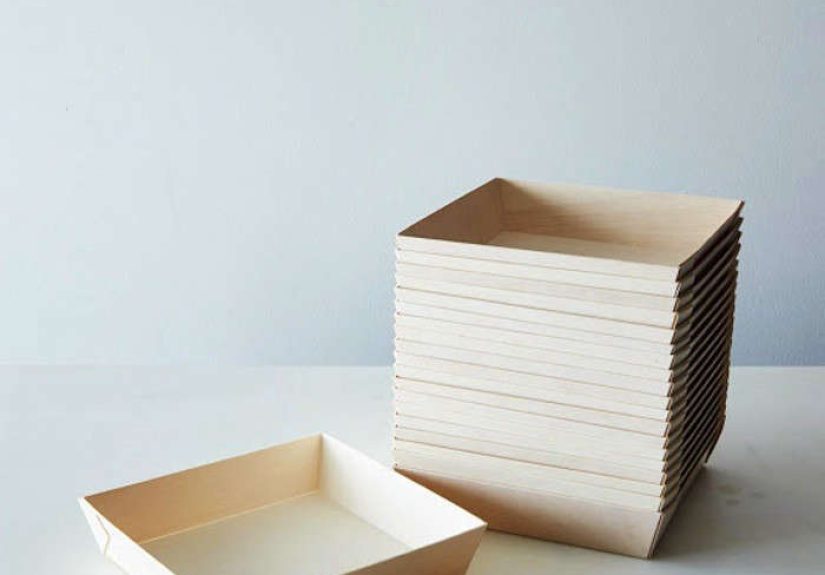
A wooden high-edge plate is exactly what it sounds like: a disposable plate made primarily from wood (often thin, pressed wood veneer such
as birch) with a raised rimlike a tiny, elegant retaining wall around your food. The raised edge can be subtle (a gentle lip) or dramatic (a
“this plate has a moat” vibe), but the goal is the same: keep food and liquids on the plate during serving and eating.
“Compostable” usually means the plate is intended to break down into compost under composting conditions, rather than persisting as plastic.
The catch is that compostability isn’t a magical yes/no switchit depends on what the plate is made of (pure wood vs. coated/laminated), and
where it’s composted (home pile vs. commercial facility). More on that in a minute, because the details matter and marketing sometimes gets…
enthusiastic.
Where you’ll see them used
- Catering & events: plated entrees, buffets, wedding stations, and passed appetizers
- Food trucks & festivals: handheld meals that drip when you look at them
- Corporate lunches: “nice enough for clients,” easy enough for cleanup
- Home entertaining: charcuterie nights, backyard BBQs, holiday potlucks
Why the “High Edge” Is the Unsung Hero
Flat paper plates are fine until they meet salsa, dressing, curry, butter, or that one friend who insists on balancing everything with one hand
while gesturing with the other. A high edge helps with:
- Spill control: keeps sauces, juices, and oils from escaping
- Portion stability: food stays centered instead of migrating
- Better carrying: less “tilt panic” when walking across a room
- Plating: looks more intentionalcloser to a bowl-plate hybrid
If you serve anything remotely “wet” (tacos, pasta, salad, sliders with sauce, fruit, BBQ), the high edge pays for itself in fewer napkins,
fewer stains, and fewer awkward moments when someone pretends they didn’t just drip vinaigrette onto your patio cushions.
Compostable vs. Biodegradable vs. “Sounds Nice”
Let’s translate the buzzwords into reality. Biodegradable means something can break down over time with microbes. That’s broadand
unhelpfulbecause almost everything biodegrades eventually if you wait long enough and the conditions are right.
Compostable is more specific: it should break down into usable compost in a reasonable timeframe and not leave harmful residue, typically
under managed composting conditions.
Home composting vs. commercial composting
Home compost piles are usually cooler and less controlled. They’re great for food scraps, leaves, and yard trimmings, but tougher materials can
take longerespecially thicker wood pieces. Commercial composting facilities can run hotter and manage aeration and moisture more consistently,
often speeding decomposition. If your wooden plate is thick, heavily pressed, or coated, home composting may be slow or inconsistent.
What “responsible” compostable claims look like
In the U.S., environmental marketing claims can’t be misleading. The FTC’s Green Guides advise that compostable claims should be qualified if a
product can’t be composted at home safely or in a timely way, and that municipal/industrial composting claims should consider whether such
facilities are available to a “substantial majority” of consumers. Translation: if your city doesn’t have compost pickup or a local compost
drop-off that accepts foodservice items, “compostable” may be more aspirational than practical.
The takeaway: a compostable wooden plate is a great step, but it works best when your waste system can actually compost it.
Materials, Coatings, and the Great “Is It Really Wood?” Question
“Wooden plate” can mean different constructions. Here are the common onesand why they behave differently.
1) Pressed wood veneer (often birch)
These are the classic “fancy disposable wooden plates.” They’re often thin layers of wood veneer pressed into shape, sometimes with a subtle rim
or a higher edge. When they’re untreated and uncoated, they’re essentially woodmeaning they can be composted like other untreated wood
materials (though thickness and plate shape affect how fast they break down).
2) Bamboo-based “wood look” plates
Bamboo is technically a grass, but it’s often used in disposable tableware. Some products are bamboo fiber blends, others are laminated or bound.
They can be sturdy, but you want to confirm what the binder/coating isbecause “mostly bamboo” plus “mystery lining” can turn compostable into
“maybe, depending.”
3) Wood with a coating or liner
Some plates add a lining to improve grease resistance or leak resistance. If that lining is compostable (and tested to relevant standards), it can
still be appropriate for commercial composting. If it’s plastic (or a plastic-like laminate), composting may not be possible, and the plate becomes
mixed-material waste.
4) “Eco plates” that aren’t wood
You’ll also see compostable plates made from molded fiber (sugarcane/bagasse, bamboo fiber, wheat straw). They can be excellent for heavy meals
and grease resistance, and many brands design them to meet compostability standards. They’re not wooden plates, but they’re a common alternative
in the same “better-than-plastic” shopping cart.
A quick caution on “natural” materials
Natural does not automatically mean food-contact compliant. For example, the FDA has issued an alert regarding dinnerware made from Areca catechu
palm leaf sheaths, stating there are no authorizations for that material’s use as a food contact article in the way it’s being marketed. That doesn’t
mean every natural plate is unsafe; it means compliance and documentation matter, even for plants.
Food Safety: What Responsible Buyers Ask
Wooden high-edge plates are used for direct food contact, so food safety isn’t optional. In the U.S., food-contact substances and materials are
regulatedthis includes not just the base material, but also additives, coatings, inks, adhesives, and treatments applied to surfaces that may contact
food. If you’re buying for a business (or you just enjoy sleeping at night), ask suppliers for documentation.
Questions worth asking (or looking up on spec sheets)
- Is the plate “food-grade” for direct contact? Ask for a compliance statement.
- Is it coated or treated? If yes, what is the coating (and is it compostable)?
- Any added PFAS? Some buyers prefer “no added PFAS” claims; ask for written confirmation if it matters to you.
- Any adhesives or binders? Especially relevant for layered or formed products.
- Any heat limitations? “Hot food safe” can mean different temperatures and timeframes.
For businesses, this isn’t just virtue-signaling with paperworkit’s risk management, customer trust, and staying aligned with procurement rules
that often require supplier documentation.
Performance: How They Handle Real Food
The best eco-friendly plate is the one people actually want to use. If it collapses under a slice of pizza, guests will “helpfully” double-plate
with something else… and now you’ve doubled your waste. Let’s talk performance in the real world.
Grease and sauces
Wood veneer plates can handle a lot, but time matters. For short service windows (apps, buffet rounds, desserts), they usually do great. For
extremely oily foods or long sit times (think: saucy ribs sitting for an hour), seepage may happen unless the plate has a grease-resistant finish.
High edges help, but they’re not a waterproof bathtubmore like a well-designed umbrella.
Heat and cold
Most wooden plates are happy with hot and cold foods, but they’re not cookware. Avoid using them in ovens unless the manufacturer explicitly says
it’s safe. Microwaving can be a gray area: some wood products tolerate short bursts, others warp or dry out, and some suppliers recommend avoiding
it. If you’re catering, assume “serve-only” unless you have written guidance for heating.
Cut resistance and sturdiness
Pressed wooden plates tend to feel more rigid than thin paper plates, which is why they’re popular for upscale events. For steak-night-level cutting,
you’ll still want a sturdy plate and a stable surface, but for typical party foodssalads, pastas, sliders, dessertsthey’re a noticeable upgrade in
“doesn’t flop in your hand” confidence.
Stacking and service flow
High-edge plates stack differently than flat plates. Good ones are designed to nest cleanly without sticking. If you’re buying for high-volume
service (weddings, corporate lunches), test a stack: does it separate quickly, or do servers have to “peel” plates apart like they’re opening a new
deck of cards?
Buying Guide: Picking the Right Plate for Your Event
Here’s a practical way to choose, based on what you’re serving and how you’re serving it.
Step 1: Match size + rim height to the menu
- Appetizers & desserts: 4–6 inch plates with a modest rim
- Buffets & entrees: 8–10 inch plates with a higher rim for sauces and sides
- Messy foods (tacos, curry, pasta): higher rim or bowl-plate hybrids
Step 2: Decide what “compostable” needs to mean for you
- Best-case: local commercial composting accepts foodservice ware and you can send plates there
- Good-case: home composting is an option, and plates are uncoated/untreated wood (expect slower breakdown)
- Reality-case: no compost accessstill choose wood to reduce plastic, but be honest about disposal
Step 3: Check material transparency (avoid “mystery blends”)
Prefer listings that clearly state:
material (birchwood veneer, bamboo, molded fiber), coatings (if any), and use limits.
If a product page is 80% vibes and 20% specs, that’s not “premium,” that’s “good luck.”
Step 4: Consider sourcing and procurement requirements
Many organizations look for third-party or program-based signals such as responsibly sourced wood labels (e.g., FSC), compostability standards
(ASTM-based claims), or biobased content programs (USDA BioPreferred category guidance exists for disposable tableware). Even when these labels
aren’t required, they can help you compare products beyond price.
Step 5: Do a mini “event test”
Before ordering cases:
test with the messiest menu item, hold it for 15–20 minutes, cut something on it, and see what happens. The goal is fewer surprises on the day
you’re feeding 120 people who all decide to arrive hungry at the exact same time.
End-of-Life: Composting Without the Guilt Spiral
Composting works best when it’s treated like a system, not a wish. Compost is created by managed, aerobic decomposition, and it relies on the right
balance of carbon-rich “browns” (like dry leaves and untreated wood chips) and nitrogen-rich “greens” (like food scraps). That’s why wooden items,
while compostable, can behave like “browns” and take longerespecially if they’re thick or densely pressed.
Best practices for composting wooden plates
- Confirm acceptance: if using a municipal or commercial compost stream, verify they accept wooden dinnerware.
- Keep it clean-ish: normal food residue is fine, but avoid sending plates covered in non-compostable contaminants (stickers, plastic wraps).
- Break it up: tearing or snapping plates speeds decomposition by increasing surface area.
- Mix well: balance food-heavy compost inputs with browns; wood items help, but they can slow the pile if you add too many at once.
- Be realistic about timelines: “compostable” does not always mean “gone by next Tuesday.”
Also note: some “compostable” products are designed for commercial composting conditions. If you’re a business marketing or reselling
compostable wooden high-edge plates, follow responsible claim practices: qualify claims where home composting isn’t realistic and where access to
facilities is limited.
Common Questions (Because Your Guests Will Ask, Even If You Didn’t Invite That Energy)
Are compostable wooden high-edge plates waterproof?
They’re spill-resistant thanks to the rim, but not always waterproof. Many handle normal saucy foods well for typical serving times, but very oily,
very wet foods left for a long time may eventually seep. If you’re serving soup, choose a bowl. If you’re serving pasta, a high-edge plate can be perfect.
Can I microwave them?
Sometimes, for short reheatssometimes not. Wood can behave unpredictably depending on thickness, moisture, and any coating. Treat wooden plates as
serveware unless the manufacturer explicitly states microwave-safe use.
Do they work for heavy meals?
Many do, especially thicker pressed designs. But test with your heaviest menu item (loaded BBQ plate, big salad, steak + sides). If you need extreme
rigidity, you may also compare molded fiber plates designed for heavier service.
What’s the biggest mistake people make with compostable plates?
Assuming “compostable” means “accepted everywhere.” Composting is local. Your plate can be compostable in theory and still end up in trash if your area
doesn’t accept it. A simple waste-station sign and a quick check with your hauler can make a bigger difference than any single product choice.
Wrap-Up
Compostable wooden high-edge plates are one of the rare disposable products that can look legitimately premium while nudging waste in a better direction.
The high rim solves real-world problems (spills, sauces, carrying), and wood veneer designs can elevate everything from weddings to weekday lunches.
The smart move is to buy with clarity: know the material, ask about coatings, match the plate to the menu, and plan disposal based on your local
composting realitynot the fantasy version where every city has an industrial composter on standby.
Do that, and you get a plate that’s sturdier, prettier, and less plastic-yplus your guests won’t need to eat tacos while performing advanced physics
to keep salsa from escaping. Everyone wins.
Real-World Experiences: What People Notice Fast (and What They Wish They Knew)
Below are common “field notes” shared by hosts, caterers, and office managers who switch to compostable wooden high-edge plates. Not scientific lab
datajust the kind of practical observations that show up after you’ve served 60 tacos and exactly one person refuses to use a napkin on principle.
1) The rim quietly prevents chaos
The first thing people notice is also the least glamorous: fewer drips. At taco bars, pasta stations, and salad buffets, that raised edge
keeps juices from running onto hands, sleeves, and table linens. Guests stop doing the “two-plate shuffle” (stacking a second plate underneath “just in
case”), which can reduce total plate usage. It’s not flashy, but it’s the difference between a tidy event and a napkin shortage that turns into a
minor civilization collapse.
2) They photograph better than paper (yes, that matters now)
At weddings and brand events, guests love a plate that looks intentional. Wood grain reads “rustic-modern,” “farmhouse,” or “outdoor chic” depending on
the settingand it tends to look nicer in photos than glossy foam or thin paper. Caterers report that wooden high-edge plates make plated appetizers feel
more “designed,” especially when paired with greenery, mini tongs, or small ramekins. In other words: your food looks more expensive, even if it’s still
just sliders. (Delicious sliders. But still.)
3) The sturdiness changes how people eat
Flimsy plates encourage “hover eating” where guests bend over the plate like it’s a newborn bird. With sturdier wooden plates, people relaxstanding,
mingling, cutting a bite without bracing the plate against their chest. Office admins who run monthly lunches often say the upgrade reduces complaints and
increases leftovers getting packed responsibly (because the plate didn’t fold mid-meal and ruin everyone’s trust).
4) Waste stations either make or break the eco benefit
The most repeated lesson: label your bins like you mean it. When compostable plates are introduced without clear signage, guests guessbadly.
One simple sign that says “Food + Wooden Plates Here” can dramatically improve sorting. Some teams also add a volunteer “bin buddy” during peak times (first
20 minutes of service) to guide people. It sounds extra, but it’s cheaper than sending an entire compost stream to landfill because it got contaminated.
5) “Compostable” doesn’t mean “instant disappearance”
Home composters often learn that thick pressed wood takes time. People report success when they tear plates into strips, soak them briefly, or add them in
smaller amounts mixed with food scraps and leaves. The plates break down more reliably when the pile is kept moist and turned occasionally. The “wish we knew”
moment is usually this: a big, dense plate can behave more like a wood chip than a banana peel. Compost still happensjust on compost’s schedule, not your
party’s schedule.
Bottom line from real-world use: wooden high-edge plates feel like a premium upgrade and can be a waste-reduction winespecially when paired with
a practical plan for sorting and composting. The plate can’t do it all by itself, but it can absolutely carry the meal (and your dignity) across a crowded
room. Which, honestly, is a lot to ask of any plate.







 Close
Close