
Table of Contents >> Show >> Hide
- Why screen time feels harder to control than it should
- The device people are talking about: Brick
- Can this kind of device really cut your screen time in half?
- Why reducing screen time can improve more than productivity
- How to use Brick without becoming weird about it
- What Brick cannot fix
- What the experience feels like in real life
- Final thoughts
- SEO Tags
Be honest: your phone is no longer just a phone. It is your alarm clock, your group chat machine, your work inbox, your map, your camera, your weather station, your tiny portable movie theater, and, on bad days, your favorite slot machine with better memes. So when people talk about cutting screen time, the advice often sounds wonderfully simple and deeply unrealistic. “Just use your phone less.” Right. And “just eat one potato chip” while you are at it.
Still, there is a reason the conversation around digital wellness keeps getting louder. Screen overload has been linked to sleep problems, eye strain, distracted thinking, stress, and more fragile boundaries between work and personal life. The question is not whether screens are evil. They are not. The real question is whether your phone is still a tool, or whether it has quietly become your boss.
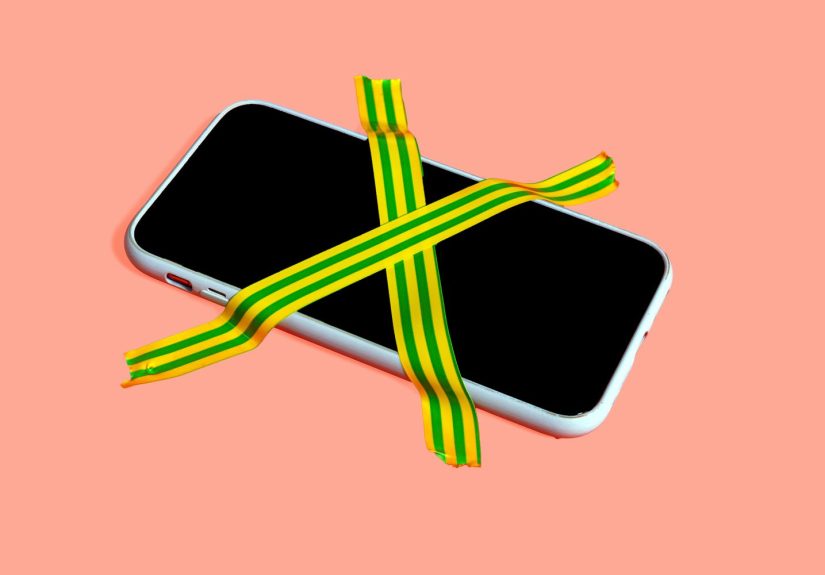
That is why one tiny device called Brick has started getting attention. Instead of asking you to rely on willpower alone, it adds something your phone hates: friction. And in a world built on one-tap temptation, friction can feel downright revolutionary.
Why screen time feels harder to control than it should
Most people do not have a “screen problem” because they are weak or lazy. They have a screen problem because modern phones are engineered to be incredibly good at keeping people engaged. Notifications buzz, feeds refresh endlessly, video platforms auto-play, and social apps are always ready with one more reel, one more comment, one more “this will only take a second” detour that somehow eats 47 minutes.
That is also why the old idea of simply setting a daily limit often falls apart in practice. You tap “ignore for 15 minutes,” then “ignore for today,” and suddenly your digital boundaries have the structural integrity of a wet paper straw.
It is not only about how many hours you spend on a screen
One of the most important shifts in modern digital wellness advice is that quality matters as much as quantity. A pediatric guidance framework from the American Academy of Pediatrics emphasizes balance, context, content, and communication rather than pretending one magic number works for every family. That idea translates well to adults too. An hour spent video calling your parents is not the same as an hour of rage-scrolling before bed while your brain slowly turns into microwaved soup.
Stanford Lifestyle Medicine makes a useful distinction here: for many adults, the bigger nighttime problem may not be the light from a phone screen alone, but the stimulating content on that screen. In other words, your sleep might be less threatened by the phone itself than by the fact that you are reading stressful news, checking work email, or watching videos that keep your brain revving like a motorcycle in a library.
The device people are talking about: Brick
Brick is a small physical device paired with an app. Once it is set up, you choose which distracting apps or websites you want blocked. Then you tap your phone to the Brick to activate a mode. To get those blocked apps back, you usually have to return to the physical Brick and tap again.
That may sound almost comically simple, and that is exactly the point. Brick is not trying to outsmart your phone with more software. It is trying to change your behavior by making distraction just inconvenient enough that you stop opening the apps you never meant to open in the first place.
The company says the device works on iPhone and Android, offers custom modes such as Work, Study, Family Time, and Sleep, includes emergency unbricks, and does not require a subscription. The listed price on the official product page is $59. The company also says that, based on a survey of more than 3,500 users, people reported using their phones about 3.1 hours less per day. That is a company-reported figure, not an independent clinical trial, but it does explain why the product has caught attention.
Why a physical device can work better than a digital reminder
Behavior change experts have known forever that environment often beats motivation. If cookies are on the counter, you eat more cookies. If your phone is in your hand, you touch the app. Brick works by creating a physical barrier between you and your favorite digital rabbit holes.
That matters because your brain makes very different choices when it has to stand up, walk across the room, find a little device, and consciously decide to reconnect. The “I will just check Instagram for one minute” fantasy tends to lose some of its sparkle when it requires actual effort.
In plain English, Brick makes impulsive behavior less impulsive. And for a lot of people, that is the entire game.
Can this kind of device really cut your screen time in half?
Maybe. But not automatically, and not for everyone.
If your current screen time is inflated by social media, video apps, shopping apps, games, and random doomscrolling whenever your brain encounters even three seconds of boredom, a device like Brick could make a dramatic difference. For some users, cutting phone use in half is realistic, especially if most of their non-work screen time comes from a handful of sticky apps.
But if your phone is heavily tied to work, caregiving, navigation, two-factor authentication, and essential communication, the reduction may be smaller. Brick is not magic. It is a constraint tool. It works best when you already know which digital behaviors are wasting your time and want help interrupting them.
Who is most likely to benefit
Students often benefit because “I opened my phone to check the time and somehow ended up watching a six-minute video about a raccoon stealing cat food” is basically an academic genre at this point.
Remote workers may benefit because the home office is full of micro-distractions, and many people use social apps as a reward that accidentally becomes a lifestyle.
Parents may appreciate the way a physical blocker supports family routines and creates more intentional screen-free time.
Nighttime scrollers may see the biggest quality-of-life improvement. If your worst screen habits happen in bed, when willpower is low and common sense has already clocked out, a device that blocks those apps before the nightly spiral begins can be a surprisingly big win.
Why reducing screen time can improve more than productivity
The biggest reason people want to reduce phone use is usually focus. But the upside can stretch much further than getting through your to-do list without checking messages every seven minutes.
Recent CDC research found that high daily screen time among teens was common and was associated with poorer outcomes including being less well-rested, higher anxiety and depression symptoms, and lower exercise levels. No, that does not mean every extra minute on a screen ruins your life. But it does reinforce a pattern researchers keep seeing: when screen time climbs, sleep, mood, and healthy routines often start negotiating with the hostage taker.
And it is not only observational data. A randomized controlled trial published in 2025 found that reducing smartphone screen time to two hours a day for three weeks led to improvements in depressive symptoms, stress, sleep quality, and well-being. The catch was that the gains faded when people returned to old habits. Which is useful, actually. It tells us that the benefit is real, but it also tells us that the habit system matters. You do not just need motivation. You need structure.
Screen overload also shows up in your eyes, neck, and bedtime routine
If you spend hours bouncing between a laptop and a phone, digital eye strain can show up fast: blurry vision, dry eyes, achy eyes, headaches, and that lovely sensation that your eyeballs have become overcooked grapes. The American Academy of Ophthalmology recommends the familiar 20-20-20 rule: every 20 minutes, look at something 20 feet away for 20 seconds.
Then there is bedtime. Johns Hopkins advises reducing smartphone, tablet, and computer use before bed because screen exposure and stimulating content can interfere with sleep preparation. Harvard Health also notes that light at night can affect circadian rhythm. Stanford adds a useful nuance for adults: the excitement and emotional charge of what you are consuming may be just as important as the light itself. Translation: your brain does not care whether the thing keeping you awake is blue light, bad news, or an accidental deep dive into conspiracy videos about Atlantis. Awake is awake.
Cleveland Clinic also points to the broader benefits of a digital detox, including sharper focus, better mood, stronger relationships, and less pressure from constant connection. That may sound a little wholesome, but wholesome has a funny way of becoming attractive when your head feels foggy and your thumb has done 14 miles of scrolling before lunch.
How to use Brick without becoming weird about it
The goal is not to become the kind of person who gives speeches about “returning to the analog soul.” The goal is to make your phone less annoying and your life more intentional.
Start with two or three modes, not a digital monastery
Create a Work mode that blocks social media, shopping apps, news apps, and games while leaving essentials such as calls, messages, calendar, music, maps, and work tools available.
Create a Sleep mode that blocks social apps, video platforms, browser rabbit holes, and maybe even email one hour before bed.
Create a Family or Focus mode for dinner, homework help, reading, workouts, or weekend mornings.
Do not try to block everything on day one unless you enjoy failing dramatically and then declaring the system “not for you.” Start with the apps that steal time most predictably.
Put the Brick somewhere mildly inconvenient
This is the whole secret sauce. If the device sits right beside you on your desk, you are giving yourself a tiny velvet rope instead of a barrier. Put it in the kitchen, near the front door, in another room, or anywhere that forces a deliberate choice.
Replace the habit you removed
If you block your usual scroll apps and then just stare into space like a confused Victorian ghost, you will probably reconnect fast. Replace the behavior. Keep a book nearby. Take a short walk. Make coffee without checking your phone. Talk to an actual human being. Write down a task. Step outside for morning light. The vacuum left by less screen time needs something living in it.
What Brick cannot fix
No device can fix burnout, loneliness, bad work boundaries, or the fact that many jobs now require people to stay digitally reachable. It also cannot stop you from moving your distraction to another screen. Some people cut phone use only to discover they have simply transferred their nonsense to a laptop.
That is why the best digital wellness plan combines tools and habits. A blocker helps. So do screen-free routines, better sleep boundaries, outdoor time, exercise, and honest awareness of which apps leave you feeling informed or connected versus frazzled or hollow.
In other words, Brick can close the app. You still have to decide what kind of day you want instead.
What the experience feels like in real life
Here is the part people do not always mention when they talk about reducing screen time: the first thing you notice is not serenity. It is withdrawal dressed up as inconvenience. You reach for your phone without thinking, tap the blocked app, and suddenly your brain acts as though someone has taken away oxygen, indoor plumbing, and your constitutional rights. It is humbling.
On day one, a lot of people realize how automatic the habit really is. You unlock your phone at a stoplight, in the grocery line, while water is boiling, during commercials, while waiting for a meeting to start, and for no clear reason at all. The phone is not solving a problem. It has become the default response to the existence of empty space.
By day two or three, something interesting happens. The panic drops. The phantom reach is still there, but the edge starts to soften. You may feel bored for a few minutes at a time, and that boredom can be weirdly revealing. It turns out boredom is not always a problem to fix. Sometimes it is the doorway to noticing your surroundings, having a new idea, or remembering the thing you meant to do before your attention got mugged by notifications.
At work, the difference often shows up as fewer fractured minutes. You start one task and, miracle of miracles, stay with it longer. The day feels less like a thousand tiny interruptions wearing a trench coat. You may not suddenly become a productivity guru who alphabetizes spices for fun, but you do feel less mentally splintered.
Evenings can change even more. Without easy access to the usual social and video apps, bedtime stops being a second shift of stimulation. Many people notice they get sleepy earlier, or at least stop dragging themselves into a midnight vortex of bad takes, shopping temptations, and “just one more clip.” Sleep does not become perfect, but it often becomes less sabotaged.
The emotional experience can be surprisingly strong too. Some people feel relief. Others feel slightly exposed, as if they had been using the phone to fill every crack in the day. That realization is not fun, but it can be useful. Once you see that your screen time was feeding stress instead of curing it, your relationship with the device starts to change.
And then there are the small wins that sound boring until they happen to you: finishing breakfast without scrolling, walking somewhere without checking a feed, reading ten pages of a book, having a conversation where your phone does not glow on the table like a third guest with terrible manners. These moments are not dramatic, but they add up fast.
That is probably the strongest argument for a device like Brick. It does not promise to turn you into a different person. It just makes it easier to act like the person you already wanted to be before the algorithm showed up with snacks.
Final thoughts
If your screen time feels too high, the solution is probably not more lectures about discipline. It is better systems. Brick stands out because it attacks the real problem: not the existence of apps, but the ease of slipping into them without thinking.
Will it slash your screen time in half? It might. Especially if distraction apps are doing most of the damage. But even if it does not cut your usage by 50%, it can still deliver something more valuable: intention. And these days, intention may be the rarest feature your phone does not come with.
That makes Brick less of a gimmick and more of a useful digital wellness tool for people who are tired of negotiating with their own thumbs. If your phone has become a little too good at running your day, adding one small physical barrier may be exactly the reality check it needs.







 Close
Close