
Table of Contents >> Show >> Hide
- What is cryoablation for kidney cancer?
- Who is a good candidate for kidney cancer cryoablation?
- How effective is cryoablation for kidney cancer?
- What happens before the procedure?
- Step by step: the cryoablation procedure
- Recovery: what should patients expect?
- Risks and possible complications
- Cryoablation vs. surgery for kidney cancer
- Outlook after cryoablation
- Bottom line
- Experiences related to cryoablation for kidney cancer
- SEO Tags
Kidney cancer treatment has come a long way from the old-school “remove first, ask questions later” era. Surgery is still the star player for many people, but it is no longer the only name on the marquee. For selected patients with small kidney tumors, cryoablation for kidney cancer has become an increasingly important option because it can destroy cancer cells with extreme cold while sparing as much healthy kidney tissue as possible.
That sounds futuristic because, honestly, it is a little futuristic. A specialist places one or more thin probes into the tumor using imaging guidance, freezes the tissue until an “ice ball” forms around it, then thaws and often repeats the cycle. The goal is simple: kill the tumor, keep the kidney working, and avoid a bigger operation when that makes sense.
Still, cryoablation is not a magic wand in a lab coat. It is best for the right tumor in the right patient at the right time. In this guide, we will break down how kidney tumor cryoablation works, how effective it is, what the procedure feels like, who may benefit most, and what the long-term outlook usually looks like.
What is cryoablation for kidney cancer?
Cryoablation, also called cryotherapy or cryosurgery, is a minimally invasive treatment that destroys tumor tissue by freezing it. In kidney cancer, it is most often used for small renal masses, especially tumors that appear localized and are not spreading elsewhere.
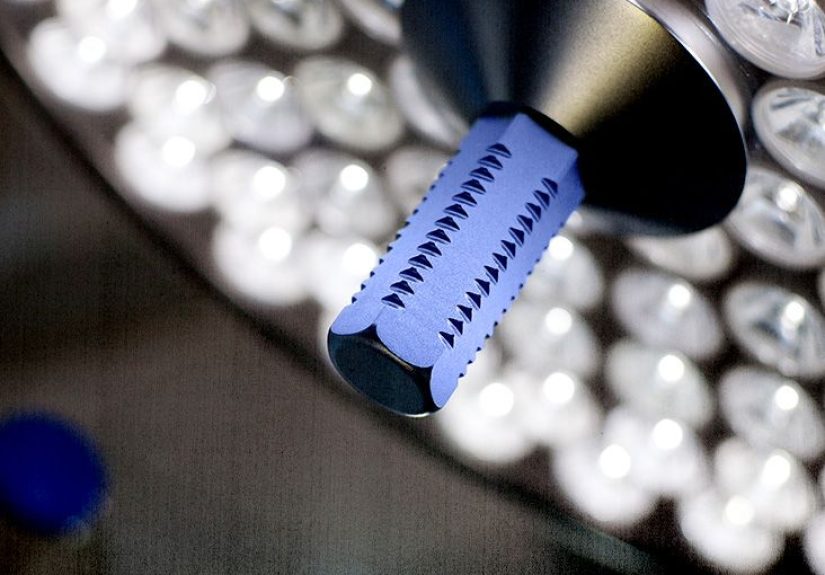
Instead of removing the tumor through open or robotic surgery, the doctor guides a thin needle-like probe through the skin and into the kidney mass. Extremely cold gas travels through the probe, rapidly freezing the tumor. This freezing damages the cancer cells, disrupts blood flow, and leads to cell death. Think of it as putting the tumor into a very permanent deep freeze. No tiny winter coat required.
In many centers, the procedure is performed by an interventional radiologist, though some cases are done laparoscopically by a urologic surgeon. The percutaneous approach, which goes through the skin rather than through larger surgical incisions, is the one most people mean when they talk about kidney cryoablation today.
Who is a good candidate for kidney cancer cryoablation?
Cryoablation is usually not the first recommendation for every person with kidney cancer. For many healthy patients with localized disease, partial nephrectomy remains the standard treatment because it removes the tumor and has the deepest long-term track record. But cryoablation becomes especially attractive in a few common situations.
1. People with small, localized kidney tumors
The sweet spot is usually a small kidney tumor, often under 3 centimeters, although some experienced centers treat carefully selected tumors up to about 4 centimeters. Smaller, peripheral tumors are generally easier to target and less likely to sit dangerously close to structures like the collecting system, bowel, or major blood vessels.
2. People who are poor surgical candidates
If someone is older, has heart disease, lung disease, frailty, or other medical issues that make anesthesia and surgery riskier, cryoablation may offer a kidney-sparing alternative with less physiologic stress.
3. People who need to preserve kidney function
This matters a lot in patients with one kidney, reduced kidney function, multiple tumors, or tumors in both kidneys. Since cryoablation targets the mass rather than removing part of the kidney, it can help preserve more working kidney tissue.
4. People who prefer a less invasive option
Some patients simply want to avoid a larger operation if their tumor and overall health make ablation reasonable. That preference should be balanced with honest counseling about the trade-offs, especially the possibility of local recurrence or the need for retreatment.
In short, cryoablation is often a “best fit” treatment rather than a “one-size-fits-all” treatment.
How effective is cryoablation for kidney cancer?
This is the million-dollar question, minus the fun of actually receiving a million dollars.
The answer: cryoablation can be highly effective for carefully selected small kidney cancers. Short- and mid-term tumor control rates are strong, and long-term observational data are encouraging. In selected patients with biopsy-proven stage I renal cell carcinoma, studies have shown excellent cancer-specific survival after percutaneous cryoablation.
That said, effectiveness depends on several factors:
- Tumor size: Smaller tumors respond better.
- Tumor location: Peripheral tumors are often easier to treat completely than central or deeply embedded masses.
- Operator experience: This is a procedure where precision matters a lot.
- Follow-up quality: Imaging after treatment is essential to confirm the tumor is truly dead and stays that way.
Compared with surgery, cryoablation usually offers lower invasiveness, quicker recovery, and good kidney function preservation. The trade-off is that local tumor persistence or recurrence may be somewhat more likely than with partial nephrectomy, which is why careful follow-up is part of the deal. Some people may need repeat ablation if the first treatment does not fully destroy the mass.
So, the best summary is this: cryoablation is not necessarily “better” than surgery overall, but for the right patient, it can be an excellent and very effective option.
What happens before the procedure?
Before cryoablation, the care team usually performs several steps to make sure the treatment is appropriate and safe:
- Imaging review: CT or MRI is used to study the tumor’s size, shape, and location.
- Kidney function testing: Bloodwork helps the team understand how well the kidneys are working.
- Medication review: Blood thinners may need to be paused.
- Biopsy planning: In many cases, a renal mass biopsy is done before or at the time of ablation to confirm the diagnosis and guide follow-up.
- Anesthesia planning: Some procedures use conscious sedation and local anesthesia, while others use general anesthesia.
Patients are usually asked not to eat or drink for a period before the procedure. The team also explains what symptoms are normal afterward and which warning signs should trigger a call.
Step by step: the cryoablation procedure
If you have ever wondered how doctors freeze a kidney tumor without turning the whole person into a popsicle, the answer is imaging, planning, and a very steady hand.
Imaging guidance comes first
The patient is positioned based on where the tumor sits in the kidney. CT is commonly used because it helps the doctor see both the tumor and the developing ice ball during treatment. Ultrasound or MRI may be used in select settings.
The doctor places the cryoprobes
After numbing the skin and deeper tissues, the doctor inserts one or more slender probes through the skin and into the tumor. Probe placement is everything. Too shallow, and part of the tumor may survive. Too close to nearby structures, and there is added risk to healthy tissue.
The freeze-thaw cycles begin
Extremely cold gas moves through the probes, producing a controlled ice ball around the tumor. The team watches the ice ball carefully on imaging to make sure it covers the tumor with an adequate safety margin. The tissue is then allowed to thaw, and the cycle is often repeated. That freeze-thaw sequence is what creates the destructive effect.
Protecting nearby structures
If the tumor is near the bowel, ureter, or other sensitive anatomy, the team may use special techniques to separate or protect those areas. This is one reason the procedure is highly specialized and best done by an experienced center.
After the probes come out
Once imaging confirms the treatment is complete, the probes are removed. Small bandages are placed over the insertion sites. Some patients go home the same day, while others stay overnight for monitoring.
Recovery: what should patients expect?
Compared with kidney surgery, recovery after cryoablation for renal cell carcinoma is often faster and easier. That does not mean it feels like a spa day, but most people are relieved by how manageable it is.
Common short-term effects include:
- Soreness or tenderness where the probes were placed
- Mild bruising
- Fatigue for a few days
- Temporary blood in the urine in some cases
Many patients return to normal daily activities within a few days, though strenuous activity may need to wait a bit longer. Pain is usually controlled with routine medications rather than the kind of post-op pharmacy haul people expect after bigger surgery.
Risks and possible complications
Every procedure has risks, and cryoablation is no exception. The overall complication rate is generally favorable, but patients deserve the unvarnished version.
Possible complications include:
- Bleeding or hematoma
- Infection
- Damage to nearby organs or structures, such as bowel, ureter, nerves, or blood vessels
- Incomplete ablation, meaning some tumor remains alive
- Local recurrence after an initially successful treatment
- Rare systemic reactions to cryotherapy-related tissue injury
These risks are one reason why patient selection matters so much. Cryoablation can be wonderfully elegant when the tumor is favorable and the team is experienced. It can be much less simple when anatomy is tricky.
Cryoablation vs. surgery for kidney cancer
Patients often compare cryoablation with partial nephrectomy, because both aim to treat the tumor while preserving as much kidney function as possible. Here is the practical difference:
Partial nephrectomy
- Usually remains the preferred treatment for many healthy patients with localized kidney cancer
- Provides a surgical specimen for full pathology
- Has a longer-established cancer control record
- Is more invasive and usually involves a longer recovery
Cryoablation
- Is less invasive
- Usually offers a shorter recovery
- Can preserve kidney function well
- May carry a higher chance of needing repeat treatment or close surveillance for local persistence
There is no universal winner. A fit 45-year-old with a favorable small tumor may lean toward surgery. An older adult with heart disease and a 2.5 cm peripheral renal mass may be a terrific cryoablation candidate. The right answer depends on the whole patient, not just the scan.
Outlook after cryoablation
The outlook after kidney cancer cryoablation is often good, especially when the tumor is small, localized, and completely treated. Many patients keep stable kidney function and avoid the stress of a bigger operation. The emotional benefit matters too: for some people, less invasive treatment feels more manageable and less disruptive.
But outlook is not just about the day of treatment. It is also about follow-up.
Surveillance matters
After cryoablation, patients usually need scheduled imaging with CT or MRI to confirm that the treated tumor no longer enhances and that no new suspicious growth appears. A common pattern is imaging at around 3 months and 6 months, then yearly for several years, though the exact plan depends on pathology, imaging findings, and individual risk.
When retreatment is needed
If imaging suggests residual or recurrent tumor, repeat ablation may be possible. That is one of the practical advantages of ablation-based management: it can sometimes be repeated without jumping immediately to a larger operation.
Kidney function is often preserved
One of the strongest arguments for cryoablation is that it can preserve renal function, which is particularly valuable for patients with a solitary kidney, chronic kidney disease, or tumors likely to require future treatment.
Overall, the long-term picture is encouraging, but the best outcomes happen when treatment decisions are made in a multidisciplinary setting involving urology, interventional radiology, and oncology when needed.
Bottom line
Cryoablation for kidney cancer is a serious treatment option, not a backup plan pulled from the medical bench at the last minute. For carefully selected patients with small, localized renal tumors, it offers strong tumor control, less invasive treatment, quicker recovery, and good kidney preservation.
At the same time, it is not automatically the best choice for everyone. Surgery still leads the conversation for many healthy patients, and cryoablation works best when the tumor size, location, and patient health profile line up in its favor.
The smartest next step for any patient is not to ask, “What is the newest treatment?” but rather, “Which treatment gives me the best balance of cancer control, kidney preservation, safety, and peace of mind?” That is the question that usually leads to the right answer.
Experiences related to cryoablation for kidney cancer
The following experience-style section is a composite based on common real-world themes patients and clinicians describe around kidney tumor cryoablation. It is written to add practical depth, not to quote any single person.
For many patients, the experience starts with surprise rather than symptoms. A small kidney mass often shows up by accident during imaging for something else, which means people go from “I thought I had a back issue” to “Why is my doctor saying the word tumor?” in one very strange week. That emotional whiplash is common. When cryoablation enters the conversation, many patients feel a mix of relief and suspicion. Relief, because they hear “less invasive.” Suspicion, because they wonder whether “less invasive” secretly means “less effective.”
That tension usually lasts until the consultation gets specific. Patients tend to feel more comfortable when the doctor explains why they are a good candidate: the tumor is small, the location is favorable, kidney preservation matters, and surgery would not necessarily improve the outcome enough to justify the added burden. Once people understand that cryoablation is a deliberate choice rather than a consolation prize, anxiety often drops.
On procedure day, the experience is usually calmer than patients expect. There is still stress, of course. Nobody wakes up thinking, “Wonderful, today strangers will freeze part of my kidney.” But compared with major surgery, the atmosphere can feel more controlled and less overwhelming. Patients often remember the prep, the monitors, the imaging equipment, and the team talking through each step. Many are surprised that the procedure itself is not dramatic from their point of view. The drama is mostly happening on the screen.
Afterward, the most common feeling is a kind of cautious amazement. People expect intense pain and instead report soreness, fatigue, and bruising that feel more manageable than anticipated. Some are back to light activity within days and keep saying versions of the same sentence: “I thought it would be worse.” That does not mean recovery is effortless. The waiting period after treatment can be psychologically harder than the procedure itself. Follow-up imaging becomes the new emotional obstacle course.
The first post-treatment scan matters a lot. Patients often describe holding their breath, mentally and sometimes literally, until they hear that the treated area looks as expected. Even when the news is good, there can be lingering unease. Because the tumor was destroyed in place rather than removed, some patients need extra reassurance that “dead tissue left behind” is not the same thing as “cancer left behind.” A clear explanation from the care team makes a huge difference here.
Longer term, many patients say the biggest benefit is that cryoablation let them treat the cancer without feeling like their life got bulldozed in the process. They still had a real cancer treatment, but often with less time away from work, family, and normal routine. For older adults or those with other health problems, that trade-off can feel especially meaningful. The experience is not stress-free, but it often feels less like a medical earthquake and more like a sharp, serious detour that was handled with precision.






 Close
Close