
Table of Contents >> Show >> Hide
- Why the French Connection Feels So Good Right Now
- The French-Girl Wardrobe (Updated for Real Life)
- Beauty: French Pharmacy Energy Without Leaving Your Zip Code
- Food: Butter, Bread, and the Delicious Discipline of Simplicity
- Travel: Paris Beyond the Postcard
- Culture: French Films, Books, and the Art of Feeling Interesting
- The Brand Angle: Wearing “French Connection” Without Trying Too Hard
- Bring the French Connection Home (No Passport Required)
- Experiences: The 7-Day “French Connection” Experiment (About )
- Conclusion: The French Connection Is a Life Edit, Not a Costume
Let’s clear something up before anyone calls their dad to ask where the DVD collection went: this is not the 1971 crime thriller (though if you
love a good car chase, I respect your hobbies). This is the other kind of French connectionthe one that shows up in your closet, your skincare shelf,
your grocery cart, and suddenly… your Tuesday night feels like it has better lighting.
“French” has become shorthand for a certain kind of life edit: fewer things, better things, and a suspicious confidence in butter. Americans have been
flirting with that vibe forever, but right now it’s less “vacation fantasy” and more “daily operating system.” And honestly? We could all use a little
more ease, a little more intention, and a little less panic-buying of neon leggings we only wear to return packages.
Why the French Connection Feels So Good Right Now
Part of the obsession is aesthetic. The French approachat least the version that keeps popping up in U.S. fashion and lifestyle coverageleans on
timeless silhouettes, quiet confidence, and practical pleasures. It’s not about owning a million things. It’s about owning the right
things and using them well: a blazer that behaves, a lipstick that wakes up your face, a loaf of crusty bread that makes dinner feel planned.
But the deeper reason the French connection sticks? It sells a believable kind of “put-together.” Not perfection. Not hustle. Just a vibe that says,
“Yes, I have a calendar, but I also have joy.” That’s a very specific flex.
The French-Girl Wardrobe (Updated for Real Life)
“French-girl style” gets flattened into stereotypesberets, striped shirts, cigarette smoke, and a dramatic sigh. In reality, the best takeaways are
more useful than that: strong basics, smart repetition, and a closet that’s edited enough to make mornings feel less like a hostage situation.
The Core Staples That Do the Heavy Lifting
The recurring theme in French-leaning wardrobe advice is a tight rotation of versatile essentials. Think:
- A tailored blazer that can dress up denim or calm down a dress.
- A crisp button-down (white or pale blue), slightly relaxed, not fussy.
- Great jeansstraight-leg, dark wash, or vintage-inspired, depending on your mood.
- Ballet flats or sleek loafers for that “effortless” look that is secretly very intentional.
- A silk-ish shirt (silk, satin, or a good dupe) for instant polish.
The magic isn’t any one itemit’s the repeatability. You build outfits by swapping one piece at a time instead of reinventing yourself daily.
The result is a capsule wardrobe energy that’s chic, sustainable-ish, and way easier on your brain.
The “Five Fresh Things” Rule (Because Trends Are Fun, Not Rent)
A classic French-inspired closet strategy is to anchor your wardrobe in basics, then allow a small, controlled number of trend pieces per season.
Translation: you can absolutely enjoy trendsjust don’t let them move in and start eating your groceries.
Try this: pick five seasonal “bonus” items (a modern sneaker, a statement bag, a denim shape, a color you’re craving, a dress that solves summer). When
you limit trend buying, you choose betterand you actually wear what you buy.
How to Make It Work in American Life
The U.S. version of French-girl style needs two upgrades: comfort and weather realism. Add a great trench or a longer coat, choose breathable fabrics
(cotton, linen, wool blends), and don’t be afraid of clean sneakers. The goal isn’t “Paris cosplay.” It’s a closet that makes you feel like your life
has an opening credits sequence.
Beauty: French Pharmacy Energy Without Leaving Your Zip Code
If fashion is the French connection’s opening act, beauty is the encore. American beauty editors have been obsessed with French pharmacy brands because
they tend to be ingredient-focused, dermatologist-friendly, and packaged like they’re too busy being effective to audition for a reality show.
The French-Pharmacy Starter Pack
The U.S. conversation keeps circling a few classicsespecially moisturizers, balms, and gentle cleansers. You’ll often see brands like
La Roche-Posay, Embryolisse, and Caudalie praised for basics that play well with sensitive skin and
minimal routines.
- One gentle cleanser that doesn’t leave your face feeling like it just filed taxes.
- One moisturizer that layers under makeup and works on “I slept weird” days.
- One multi-use balm for lips, cuticles, dry patches, and general emotional support.
- Daily SPF, because the French connection still lives in reality.
The French approach to beauty (in its most practical form) is more about consistency than complication. It’s “good skin and good brows,” not a 14-step
ritual that requires a spreadsheet. And yes, it pairs beautifully with the fashion philosophy: fewer products, better products, used faithfully.
Hair and Makeup: Soft Focus, Not No Effort
“Effortless” hair is usually well-cut hair. If you’ve ever wondered why a simple ponytail looks better on certain people, the answer is often a great
cut and healthy ends. French-leaning beauty advice is big on shape, texture, and letting your features do the talking.
Makeup stays light: tinted base, spot concealer, a little mascara, a creamy blush, and one lipstick that makes you look like you have somewhere to be.
The point isn’t to hide yourselfit’s to look like yourself, but with a soundtrack.
Food: Butter, Bread, and the Delicious Discipline of Simplicity
The most persuasive part of French culture might be how it treats everyday food like it matters. Not in a precious waymore in a “why would we eat sad
toast when we can eat good toast?” way.
Pantry Staples That Make Everything Taste More “Paris”
If you want to build a French connection in your kitchen, start with a few staples that show up again and again in French-leaning cooking content:
- Salted butter (or good butter + flaky sea salt)
- Dijon mustard for dressings, sauces, and sandwich upgrades
- Good vinegar (wine vinegar is a workhorse)
- Herbs like thyme and tarragon
- Decent bread (no shame if it’s a great local baguette or a bakery loaf)
With butter + Dijon alone, you can transform chicken, vegetables, potatoes, sandwiches, and any Tuesday that needs help. The French don’t “overthink” in
the sense of adding more stuffthey think better about the stuff they use.
The French Omelet: A Skill That Pays Rent Forever
The classic French omelet is the culinary equivalent of a white T-shirt: simple, revealing, and surprisingly hard to do perfectly. The technique leans
on speed, heat control, and a texture that’s tender inside without browning outside. Master it once and you’ll feel like you have a secret handshake
with every good cook you’ve ever admired.
Practice it three times in a week. By the third attempt, you’ll understand why the French treat eggs like a serious food group.
Jambon-Beurre Energy (Even If You Don’t Eat Ham)
The iconic Paris sandwichham, butter, baguetteworks because it’s perfectly balanced: rich, salty, crisp, and soft. You can recreate the spirit with
turkey, roasted veggies, or even a “bread-and-butter salad” concept built around toasted buttery croutons, Dijon vinaigrette, and good cheese.
This is the French connection at its most charming: not complicated, just thoughtfully assembled.
Travel: Paris Beyond the Postcard
Even if you’re not hopping a flight tomorrow, Paris is still part of the obsession because it’s endlessly referenceable. U.S. travel writers keep
highlighting how the best Paris experiences often live in the details: neighborhood walks, lesser-known bakeries, jazz clubs, small museums, and
meals that aren’t “famous” but are unforgettable.
Neighborhood-First Planning
A smart Paris trip doesn’t try to conquer the whole city in three days. It picks a walkable home base (think areas like the Marais or near the
Tuileries), then builds days around neighborhoodscafés, markets, bookstores, and long meanders that turn into memories.
The Louvre (Without the Emotional Breakdown)
The Louvre is iconic and intimidating. The most useful advice is to plan: choose a few “must-see” works, understand the layout ahead of time, and
accept that you cannot do everything in one visit. This isn’t failure; it’s maturity. Also, comfortable shoes are not optional.
Hidden Gems and Local-Feeling Moments
U.S. guides increasingly point travelers to “under-the-radar” Paris: small boulangeries, Seine-side seafood, underground jazz, and neighborhoods with a
younger, artier energy. That’s the Paris that feels lived-innot staged.
Culture: French Films, Books, and the Art of Feeling Interesting
Here’s a delightful side effect of the French connection: it makes you want to be a little more cultured, but in a low-pressure way. Like, “I watched a
French film and now I’m going to buy radishes,” not “I’m moving to a garret and writing a novel by candlelight.”
A French Film Mini-Syllabus (No Homework, Just Vibes)
If you’ve never dipped into French New Wave, start with a small set of classics often recommended in U.S. film coverage:
Breathless (Godard) and Jules et Jim (Truffaut) are foundational. Add a Jacques Tati film when you want comedy that’s clever without
being loud. If you like modern directors who borrow French sensibilities, you’ll spot the influence everywhere.
The goal isn’t to become a film snob. It’s to find the kind of storytelling that reminds you life can be messy, beautiful, and worth paying attention to.
The Playlist Effect
Try one French music playlist while cooking or cleaning. Something strange happens: the mundane feels cinematic. You start chopping onions like you have
cheekbones. You plate leftovers like it’s intentional. This is not delusion. This is self-care with a baguette.
The Brand Angle: Wearing “French Connection” Without Trying Too Hard
Yes, French Connection is also a fashion labelpopular for sleek, contemporary pieces that often hit the sweet spot between office-ready and
weekend-friendly. If your style goal is “polished but not precious,” French Connection-style staples (think knit dresses, tailored separates, coats, and
simple tops) fit neatly into a French-girl-inspired capsule wardrobe.
How to Style It the French Way
- One strong piece (a blazer or coat), everything else quiet.
- Texture over clutter: wool + denim, silk + cotton, leather + knit.
- Accessories as punctuation: a belt, a watch, a scarfpick one.
- Repeat outfits. The chic part is confidence, not constant novelty.
If you’ve ever said, “I have nothing to wear” while staring at a closet full of clothing, the French connection is your intervention.
Bring the French Connection Home (No Passport Required)
The French connection isn’t just what you buyit’s how you arrange your life. Think: small rituals, good lighting, and a refusal to treat pleasure as a
reward you earn only after suffering.
Three Easy Lifestyle Upgrades
- Apéro at home: olives, cheese, something crunchy, something fizzy. Ten minutes. Instant mood shift.
- One “Parisian” kitchen staple: keep Dijon and salted butter on hand and watch dinner get easier.
- A home edit: clear one surface, add one object you love (a candle, a book, a small vase). Less noise, more calm.
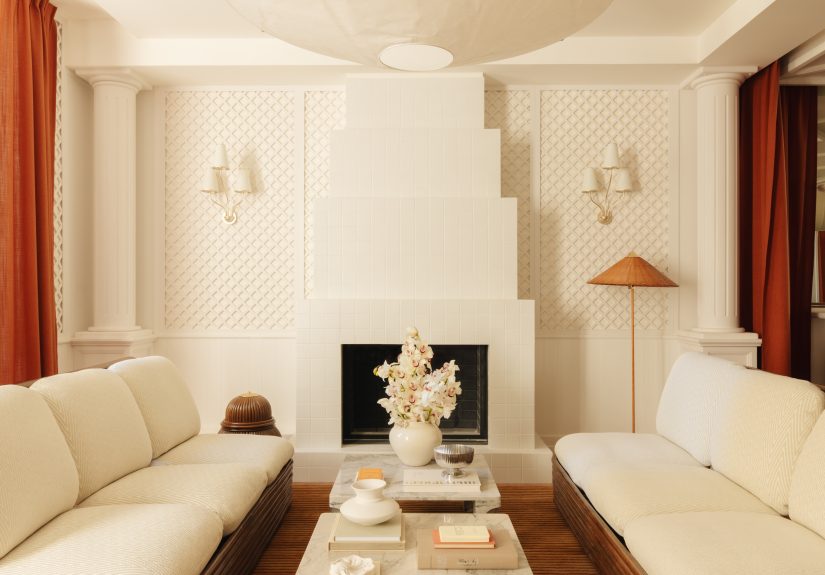
U.S. home tours of Paris apartments tend to emphasize light, intentional design, and a balance of old and newornate details paired with modern minimalism.
You don’t need Paris architecture to borrow the principle: keep what you love, display it with care, and let your space breathe.
Experiences: The 7-Day “French Connection” Experiment (About )
If you want the French connection to feel realnot like a Pinterest board you’ll abandon after one ambitious Sundaytry this seven-day experiment. It’s
designed for normal people with jobs, laundry, and a group chat that never sleeps.
Day 1: The Closet Edit (A Gentle One)
Pull five “core” pieces you actually wear (jeans, blazer, button-down, a simple tee, comfortable shoes). Then choose one “hero” item you love (a coat, a
dress, a bag). The experience here is immediate: outfits appear faster, and you stop negotiating with yourself at 7:42 a.m. Your morning becomes less of
a debate and more of a decision.
Day 2: The French-Pharmacy Simplify
Pick a basic routine: cleanse, moisturize, SPF. Add one multipurpose balm and call it a day. What you’ll notice isn’t just your skinyour time.
Fewer steps means less mental clutter. The vibe is “I take care of myself,” not “I run a small laboratory.”
Day 3: Omelet Practice (Confidence Training Disguised as Breakfast)
Make a French omelet. The first one might be ugly. Congratulations, you are alive. By the third try, you’ll understand the thrill of learning a simple
technique that makes you feel capable. This is the most underrated part of the French connection: competence is chic.
Day 4: Apéro Hour
Set a 20-minute window before dinner where you do something small and pleasant: sparkling water with citrus, a few olives, a piece of chocolate, a tiny
plate of cheese. No phone. The experience is weirdly powerful. Your evening stops being a blur of “after work chaos” and becomes a sequence with a
beginning, middle, and end. Also, your snacks suddenly have personality.
Day 5: The “Walk Like You’re in a Movie” Rule
Take a neighborhood walk without a goal. Notice storefronts, trees, the way light hits buildings. The French connection thrives on observation. You’ll
come back calmer, and you might even solve a problem you’ve been chewing on for weeksbecause brains love movement.
Day 6: Culture Night (Low Stakes)
Watch one French film or listen to a French playlist while cooking. The experience is less about “becoming cultured” and more about creating atmosphere.
Your kitchen becomes a little stage. You cook with more care. You eat slower. You remember you’re allowed to enjoy your own life.
Day 7: The Repeat Test
Rewear an outfit you loved this week. Make the same simple apéro. Use the same moisturizer. The final experience is the point: the French connection
isn’t noveltyit’s refinement. When you repeat what works, your days get smoother, your style gets clearer, and you stop buying random stuff out of
boredom. You’ll feel more “put-together,” not because you did more, but because you did lessbetter.
Conclusion: The French Connection Is a Life Edit, Not a Costume
The best part of the French connection isn’t pretending you live in Paris. It’s borrowing the principles that translate anywhere: strong basics,
thoughtful routines, good food, and pleasure that doesn’t require a special occasion. Whether your obsession starts with French-girl style, French
pharmacy skincare, Paris travel planning, or simply the realization that butter improves everything, the end result is the same: life feels a little
more intentionaland a lot more enjoyable.






 Close
Close