
Table of Contents >> Show >> Hide
- What Counts as “Defiance” Here?
- How These Rankings Work (So You Can Yell at Me Properly)
- Defiance TV Seasons: Ranked
- Top Defiance Characters: Ranked (With Highly Debatable Confidence)
- The World of Defiance: Factions and Species (Ranked by Story Value)
- Defiance the MMO Shooter: Ranked Takes (From “Surprisingly Fun” to “What Happened Here?”)
- So… Is Defiance “Good”? My Opinion (With a Straight Face)
- Extra: of “Defiance” Experiences (The Real-World Watching/Playing Feel)
- Conclusion
“Defiance” is one of those titles that shows up in conversation and immediately triggers a follow-up question:
“Waitdo you mean the Syfy show, the MMO shooter, or the weirdly ambitious ‘both-at-once’ experiment?”
The correct answer is: yes.
Back in 2013, Syfy and Trion Worlds tried something that still feels slightly unhinged (in a good way): launch a TV series and a connected open-world MMO shooter in the same universe, at roughly the same time, and let each one echo the other. The result wasn’t perfectnothing that bold ever isbut it was memorable, surprisingly heartfelt, and packed with enough alien politics, frontier-town messiness, and “why is this guy so charming while committing crimes?” energy to earn a loyal fanbase.
This article is a rankings-and-opinions tour through the “Defiance” ecosystem: the TV seasons, the characters, the factions, the show’s biggest strengths and faceplants, and where the game fits into all of itespecially now that the MMO has had a complicated afterlife. Think of it like a friendly judge at a sci-fi county fair: I’m handing out ribbons, but I’m also explaining why the pie crust matters.
What Counts as “Defiance” Here?
For clarity, we’re talking primarily about:
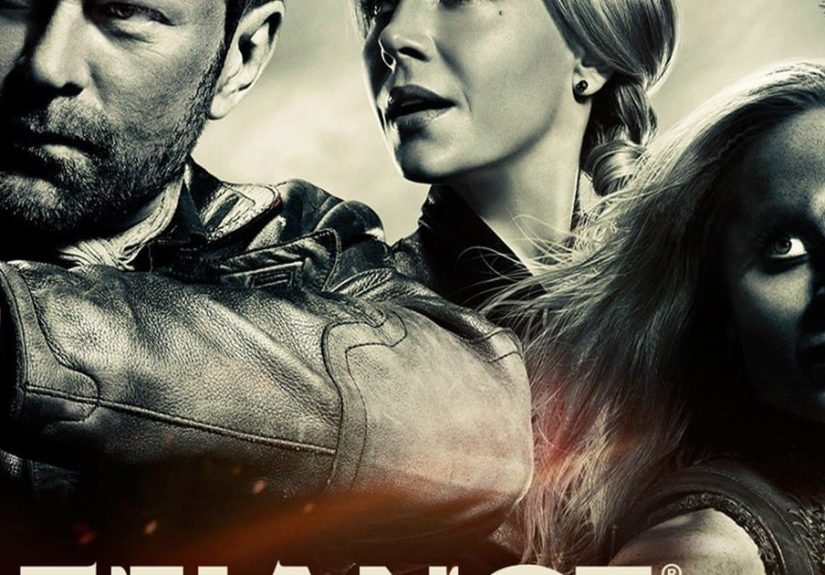
- The Syfy TV series “Defiance” (2013–2015): a sci-fi western drama set in the town of Defiance, built on the ruins of St. Louis in a radically terraformed future.
- The “Defiance” MMO shooter: originally released in 2013 as a third-person, loot-and-events-heavy online shooter with MMO DNA, designed as a companion to the show.
If you came here looking for the 2008 film “Defiance” (the WWII resistance story), you’re in the wrong neighborhoodthough you are absolutely in the right emotional zip code if you enjoy courageous people doing impossible things.
How These Rankings Work (So You Can Yell at Me Properly)
Rankings are subjective, but they don’t have to be random. Here’s the scoring vibe:
- Story momentum: does it keep moving, or does it wander off to chase a shiny side quest?
- Character payoff: do arcs land, evolve, and surprisewithout betraying the core?
- World-building density: “Defiance” lives or dies by how real its messy future feels.
- Rewatch value: do episodes/seasons improve with context, or do cracks widen?
- Fun factor: yes, fun matters. The show is a “frontier boomtown” story with aliens. If it can’t be fun, what are we even doing?
Defiance TV Seasons: Ranked
#3 Season 1 (Best at Setup, Shakiest on Tone)
Season 1 is the “trust me, it gets good” seasonexcept it’s also good already, just uneven in a way that makes you feel like the show is testing different flavors in real time. It has the heavy lifting: introduce Joshua Nolan and Irisa, establish Defiance as a town where humans and Votans collide, and prove this world can carry stories beyond its gimmick.
The big win is atmosphere: the series commits to being unmistakably science fiction while still playing like a frontier-town drama. The occasional wobble is pacingsome early conflicts feel like they exist because a season needs conflicts, not because the world demanded them. Still: the foundation is strong, and the character chemistry starts paying interest quickly.
#2 Season 3 (Bold Swings, Occasional Whiplash)
Season 3 is “Defiance” with fewer training wheels and more scars. It leans harder into gritty consequences and tests character loyalties in ways that feel genuinely risky. When it’s firing on all cylinders, it’s the most intense, most emotionally punchy version of the show.
The downside is the ride can feel unevenlike the writers had a corkboard full of great ideas and only thirteen episodes to pin them down. But if you watch “Defiance” for momentum and high-stakes character stress, Season 3 is your buffet.
#1 Season 2 (The Sweet Spot: World + Character + Chaos)
Season 2 is where “Defiance” feels most like itself: confident, textured, and comfortable mixing politics, romance, violence, and weird alien cultural detail without apologizing. The town becomes less of a set and more of a living ecosystemwhere every alliance has an expiration date and every nice speech is one bad day away from becoming a threat.
The show’s best trick in Season 2 is letting characters be complicated without being confusing. People do questionable things for understandable reasons, and the consequences tend to stick. That consistency makes Season 2 the easiest to recommend as the series’ peak.
Top Defiance Characters: Ranked (With Highly Debatable Confidence)
The heart of “Defiance” is its ensemble. Here’s a ranking that values impact, complexity, and how often a character hijacks a scene like it owes them money.
#10 Rafe McCawley
The steady anchor. In a world where everything mutates, Rafe’s moral gravity matters. He’s “town stability” in human formuseful, sometimes frustrating, always necessary.
#9 Alak Tarr
The pressure-cooker son in a family built on ambition. Alak’s best moments come when he tries to be decent inside a system that rewards ruthlessness.
#8 Kenya Rosewater
Kenya’s role in the early show is deceptively important: she exposes the town’s hypocrisy and the cost of survival. Even when she isn’t on-screen, her shadow shapes Amanda.
#7 Nolan (Joshua Nolan)
Nolan is the classic reluctant-lawman templateexcept “Defiance” lets him be selfish, wounded, and stubbornly humane. He’s a magnet for trouble, but he doesn’t pretend trouble is someone else’s problem.
#6 Irisa
Irisa’s arc is the show’s emotional engine: identity, loyalty, trauma, power, and the tension between chosen family and cultural roots. She’s also a walking reminder that “survival” isn’t the same as “healing.”
#5 Niles Pottinger
Pottinger is the kind of character who makes you laugh and then makes you nervous that you laughed. He’s brilliant, manipulative, and always operating one moral rung below “acceptable.”
#4 Amanda Rosewater
Amanda is what happens when idealism gets elected. She tries to govern a town where the rules are mostly suggestions and everyone has a hidden knifesometimes literal. Her best scenes are the ones where she refuses to become numb.
#3 Doc Yewll
The doctor/scientist character who never feels like a trope. Doc Yewll is intelligence sharpened into a weapon: clinical when she needs to be, vulnerable when it hurts, and always layered.
#2 Datak Tarr
Datak is charisma wrapped around danger. He’s the poster child for “civilization is a costume,” and the show uses him to explore ambition, pride, and the violent edge of status.
#1 Stahma Tarr
Stahma is the queen of “I’m smiling, but you’re already doomed.” She’s strategic, emotionally complex, and consistently entertaining. Even when you disagree with her choices (often), you understand how she got there. That’s the mark of a great character.
The World of Defiance: Factions and Species (Ranked by Story Value)
“Defiance” uses its alien races (collectively known as Votans) to do what great sci-fi does: reflect human politics, identity, prejudice, and survivalbut with cooler makeup and more inventive insults.
#6 Gulanee (Mystery as a Feature)
The Gulanee work best as a question mark. The less you “know,” the more they feel like a genuinely alien presence.
#5 Liberata (Underrated Social Commentary)
The Liberata often sit at the intersection of labor, class, and exploitation. When the show leans into that, the world suddenly feels sharper and more real.
#4 Indogenes (Science, Control, and Complications)
Indogenes bring the “technology as culture” angleuseful for stories about power, experimentation, and what happens when knowledge becomes hierarchy.
#3 Irathients (Identity and Belonging)
Irathients are essential because they keep the show emotionally grounded in questions of culture and displacement. They aren’t just “aliens”; they’re a people navigating survival and meaning.
#2 Castithans (Politics as an Art Form)
Castithans deliver the show’s best political drama. Their caste, ambition, and social rituals make them perfect for stories about status, manipulation, and the cost of “civilized” power.
#1 Humans + Votans Together (The Real Main Character)
The most important “faction” is the uneasy coexistence itself. The show’s best moments happen when it admits there’s no clean integrationonly constant negotiation.
Defiance the MMO Shooter: Ranked Takes (From “Surprisingly Fun” to “What Happened Here?”)
#5 The Core Loop: Loot, Guns, and “One More Event”
The game’s secret sauce has always been momentum. Even critics who called out its rough edges often admitted it was easy to keep playing because the world kept throwing objectives, battles, and chaotic public encounters at you. It’s the “messy buffet” design philosophy: not every dish is gourmet, but you keep going back for another plate.
#4 The Big Selling Point: Shared DNA with the Show
Most tie-in games feel like a souvenir. “Defiance” tried to feel like a second doorway into the same worldan early example of transmedia storytelling designed to stand alone but echo across platforms. When it worked, it made the universe feel bigger than either format.
#3 The Flaws: Age, Bugs, and the Burden of Being “First”
The downside of ambition is that it can expose every seam. The game’s interface and technical quirks were regular targets, and some design choices aged fast. This is the curse of pioneering: you don’t just build a productyou build the category that future games will improve.
#2 Defiance 2050: A Re-Spin That Didn’t Fully Solve the Problem
The later “Defiance 2050” iteration aimed to refresh the experience, but the reception often boiled down to: “it’s updated, but the underlying bones still feel old.” It’s the video game equivalent of repainting a house with a shaky foundationnice, but not magical.
#1 The 2025 Revival Era: Nostalgia with Real Work Behind It
Here’s the wild twist: “Defiance” has been revived again on PC via a dedicated launcher, with ongoing update notes from the new operator. That doesn’t erase the game’s age, but it does mean the community has a living place to return toespecially for players who miss large, messy open-world fights and cooperative boss chaos.
So… Is Defiance “Good”? My Opinion (With a Straight Face)
Yeswith asterisks that are basically their own supporting characters.
“Defiance” the TV series is good in the way some sci-fi becomes good: not because it’s always polished, but because it commits to a world and lets characters make costly choices inside it. It’s at its best when it treats politics as personal and survival as morally complicated, not just an action setup.
The game is good in the way some MMOs are good: it’s imperfect, sometimes awkward, but fundamentally fun when you lean into what it does bestpublic chaos, loot-driven momentum, and the feeling that the world is busier than your personal storyline.
If you want a neat, prestige-drama experience with flawless pacing, “Defiance” might frustrate you. If you want a lived-in sci-fi world where the “town” feels like a character and everyone has a reason (even when they’re wrong), it’s a great ride.
Extra: of “Defiance” Experiences (The Real-World Watching/Playing Feel)
Let’s talk about what “Defiance” feels like in practicebecause the experience is half the point. Watching the series is like walking into a crowded diner where everyone is mid-argument, the coffee tastes like regret, and somebody in the corner is calmly negotiating a treaty. You don’t get a gentle ramp; you get dropped into a town that already has history, grudges, rituals, and a long list of reasons nobody trusts anybody. That’s a feature, not a bug. The show’s best “hook” isn’t a single mystery boxit’s the feeling that Defiance existed before you arrived, and it’ll keep existing whether or not you approve of the mayor’s decisions.
Binging it can be surprisingly addictive because the conflicts are personal. The sci-fi elements are bigterraforming, alien cultures, post-war politicsbut the emotional engine is intimate: loyalty, ambition, jealousy, guilt, and the uncomfortable truth that people can be both lovable and dangerous. A typical “Defiance” binge moment goes like this: you start an episode thinking you’re here for action, then you catch yourself caring about who’s betraying whom over dinner, and thenwithout warningsomeone pulls a gun and you remember this is a frontier town built on ruins. It’s soap opera structure wearing sci-fi armor, and that’s why it works.
Rewatching is where the world-building sneaks up on you. The first time through, you notice the obvious: the Tarrs are terrifyingly charming, Amanda is trying to govern the ungovernable, Nolan keeps pretending he’s leaving town, and Irisa carries more internal conflict than the rest of the cast combined. The second time through, you start noticing the smaller patterns: how power is traded like currency, how “peace” often means “temporary silence,” and how the town’s rules shift depending on who has leverage that week. You also start appreciating the show’s quiet scenesbecause “Defiance” understands that threats aren’t always loud. Sometimes the scariest thing in town is a polite conversation where everyone is smiling and nobody is safe.
Playing the gameespecially with other peoplefeels like joining the town’s chaos from the outside. The best sessions aren’t the tidy quest chains; they’re the moments where you wander into a public fight and suddenly you’re part of a spontaneous militia. That’s the “Defiance” vibe in its purest form: strangers showing up, unloading everything they’ve got, and walking away with loot and a story. Even when the game shows its age, those big messy battles can still hit the same fantasy the show sells: survival is communal, and heroism is often improvised.
The most “Defiance” experience of all? Finishing an episode or logging off and realizing you miss the townits noise, its contradictions, its flawed people trying to build something that isn’t just rubble. In a genre full of shiny utopias and grimdark wastelands, “Defiance” sits in the muddy middle: a place where hope exists, but it has to negotiate rent.
Conclusion
“Defiance” deserves its cult status because it dared to be a hybrid: part sci-fi western, part political drama, part character soap opera, andthrough the gamepart community event machine. Ranking it is inevitably messy, because the franchise itself is messy. But the best parts are easy to defend: a richly imagined town, a cast that commits, and a universe where “coexistence” is never a sloganit’s a daily fight.
If you’ve never tried it, start with the show (Season 1 to get grounded, then settle into Season 2’s sweet spot). If you already love it, your rankings will differ from mineand that’s the point. “Defiance” is one of those worlds that invites arguments, rewatches, and “okay, but hear me out” speeches. That’s a healthy sign.







 Close
Close