
Table of Contents >> Show >> Hide
- What Is Dental Anxiety?
- Common Signs of Dental Anxiety
- Dental Anxiety vs. Dental Phobia: What Is the Difference?
- What Causes Dental Anxiety?
- How Dental Anxiety Can Affect Oral Health
- Management Tips for Dental Anxiety
- 1. Tell the Dental Office Before Your Visit
- 2. Choose the Right Dentist
- 3. Create a Stop Signal
- 4. Ask for a Step-by-Step Explanation
- 5. Schedule Strategically
- 6. Use Breathing Techniques
- 7. Bring Distractions
- 8. Bring a Support Person
- 9. Start Small
- 10. Consider Sedation Options
- 11. Work With a Mental Health Professional
- What to Say to Your Dentist
- Tips for Parents Helping a Child With Dental Anxiety
- When to Seek Extra Help
- Experiences Related to Dental Anxiety: Real-Life Lessons From the Chair
- Conclusion
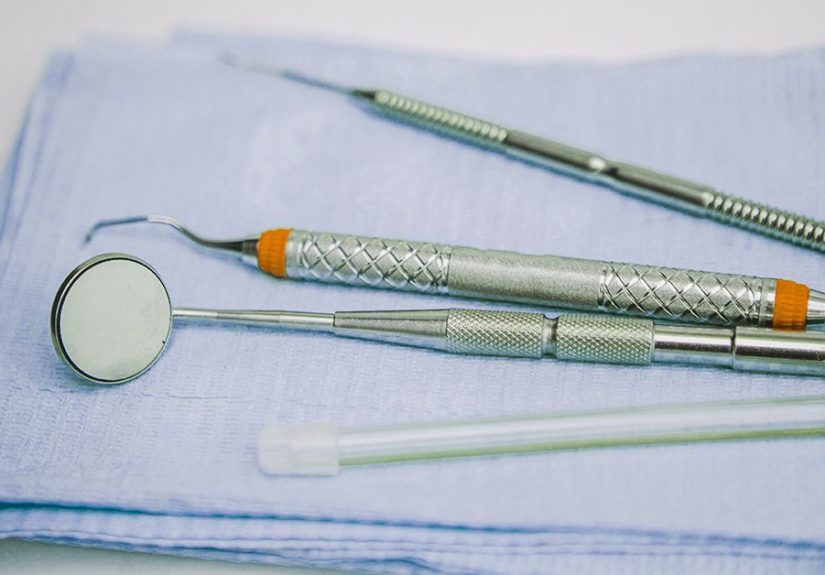
For many people, the words “dental appointment” do not inspire thoughts of polished teeth and minty freshness. Instead, they trigger a mental horror movie starring a reclining chair, a bright overhead light, and a tiny metal hook that looks suspiciously too confident. If that sounds familiar, welcome to the very large club of people who experience dental anxiety.
Dental anxiety is nervousness, fear, or stress related to visiting the dentist or receiving dental treatment. It can be mild, like feeling tense before a cleaning, or severe enough to make someone cancel appointments, ignore tooth pain, or avoid dental offices for years. The problem is not “being dramatic.” It is a real emotional and physical response that can affect oral health, confidence, daily comfort, and overall well-being.
The good news is that dental anxiety can be managed. Modern dentistry is far more patient-centered than the old-school “open wide and hope for the best” approach. Today, many dental teams are trained to help nervous patients feel informed, respected, and in control. With the right strategies, the dentist’s chair can become less like a launchpad for panic and more like what it actually is: a place to protect your health.
What Is Dental Anxiety?
Dental anxiety refers to worry, fear, or distress before or during dental care. It may happen when someone thinks about a dental visit, schedules an appointment, hears dental sounds, smells clinical scents, or sits in the exam chair. Some people feel anxious only before major dental work, while others feel nervous even during a routine cleaning.
Dental anxiety exists on a spectrum. On one end, a person may feel butterflies but still attend appointments. In the middle, they may postpone visits until symptoms become uncomfortable. On the severe end, dental fear may develop into dentophobia, a specific phobia involving intense fear of dentists or dental treatment. This level of fear can lead to long-term avoidance and significant distress.
Common Signs of Dental Anxiety
Dental anxiety does not look the same for everyone. Some people are visibly upset, while others crack jokes, go silent, or suddenly become experts at finding reasons to reschedule. Here are common emotional, physical, and behavioral signs.
Emotional Signs
- Feeling nervous, tense, or restless before an appointment
- Worrying for days or weeks before dental treatment
- Feeling embarrassed about the condition of your teeth
- Fear of being judged, scolded, or blamed
- Panic when thinking about dental tools, needles, drilling, or pain
- Feeling trapped or helpless in the dental chair
Physical Signs
- Racing heartbeat or palpitations
- Sweating or trembling
- Upset stomach or nausea
- Shortness of breath
- Dry mouth
- Trouble sleeping the night before a visit
- Muscle tension, jaw clenching, or headaches
- Dizziness or feeling faint
Behavioral Signs
- Canceling or delaying appointments repeatedly
- Avoiding phone calls from the dental office
- Only visiting the dentist during emergencies
- Using humor, anger, or silence to hide fear
- Over-researching procedures online and becoming more anxious
- Needing someone else to schedule or attend appointments with you
One of the most important signs is avoidance. When fear keeps someone from getting preventive care, small problems can grow into bigger ones. A tiny cavity may become tooth pain. Gum inflammation may turn into gum disease. In other words, dental anxiety can accidentally give minor issues a VIP pass to become expensive, dramatic, and rude.
Dental Anxiety vs. Dental Phobia: What Is the Difference?
Dental anxiety and dental phobia are related, but they are not exactly the same. Dental anxiety usually involves worry or fear that may feel uncomfortable but manageable. Dental phobia is more intense and may cause panic, avoidance, and a strong sense of danger even when a person knows the fear is bigger than the actual risk.
For example, someone with dental anxiety might say, “I hate cleanings, but I can get through it if I bring headphones.” Someone with dental phobia might say, “I cannot even make the appointment. My chest tightens just thinking about it.” Both experiences deserve compassion, but severe fear may require extra support from a dentist, physician, or mental health professional.
What Causes Dental Anxiety?
Dental anxiety rarely appears out of nowhere. It usually develops from one or more triggers. Understanding the cause can help you choose the right management strategy.
1. Past Negative Dental Experiences
A painful procedure, a rushed provider, a dismissive comment, or feeling ignored during treatment can leave a lasting impression. Even one bad visit years ago can teach the brain to associate dental care with danger. The brain is trying to protect you, but sometimes it behaves like an overprotective security guard who tackles the mailman.
2. Fear of Pain
Many people worry that dental treatment will hurt. This fear may be stronger if someone had dental work before modern numbing techniques were used effectively, or if they have a low pain threshold. The good news is that pain control is a normal part of modern dentistry, and patients can ask about numbing options before treatment begins.
3. Loss of Control
Lying back with your mouth open while someone works close to your face can feel vulnerable. You may not be able to speak clearly, see what is happening, or pause the procedure easily unless a plan is in place. This lack of control is a major trigger for many nervous patients.
4. Embarrassment or Shame
Some people avoid the dentist because they are embarrassed about cavities, gum bleeding, missing teeth, bad breath, stains, or years without care. They worry the dental team will judge them. A good dental office should focus on solutions, not lectures. Your mouth is not a courtroom, and your dentist is not supposed to be the prosecutor.
5. Fear of Needles, Drills, or Dental Sounds
Specific sights, sounds, smells, or sensations can trigger anxiety. The sound of a drill, the smell of dental materials, the feeling of scraping, or the thought of injections may bring on a strong stress response. These triggers are common and can often be managed with planning, distraction, and communication.
6. General Anxiety or Trauma History
People who live with anxiety disorders, panic attacks, post-traumatic stress, or sensory sensitivity may be more likely to feel overwhelmed in a dental setting. Dental offices include bright lights, close physical proximity, unusual sounds, and unfamiliar sensations, which can be difficult for someone whose nervous system is already on high alert.
7. Family Influence and Childhood Experiences
Children can learn dental fear from parents, siblings, or caregivers. If a child repeatedly hears “the dentist is scary,” the idea can stick. On the other hand, calm early dental visits can help children build confidence and view oral care as normal rather than terrifying.
How Dental Anxiety Can Affect Oral Health
Avoiding dental care may feel safer in the moment, but it can create a cycle. Anxiety leads to delay. Delay allows problems to grow. Bigger problems require more treatment. More treatment can reinforce anxiety. Breaking this cycle is the goal.
Regular dental checkups help detect cavities, gum disease, enamel wear, oral infections, and other concerns before they become severe. Preventive care is usually simpler, shorter, and more comfortable than emergency care. In practical terms, a routine cleaning is like changing the oil in your car. Waiting until smoke comes out of the hood is rarely the cheaper plan.
Management Tips for Dental Anxiety
Managing dental anxiety does not mean pretending you are fearless. It means building a plan that helps your brain and body feel safer. Below are practical strategies that can make dental visits more manageable.
1. Tell the Dental Office Before Your Visit
When scheduling, say something simple: “I have dental anxiety and may need extra time or explanations.” This gives the team a chance to prepare. Many offices can note your chart, schedule you with a gentle hygienist, offer a quieter appointment time, or explain comfort options.
2. Choose the Right Dentist
Look for a dentist who describes their approach as gentle, patient-centered, anxiety-friendly, or trauma-informed. Read reviews carefully. Pay attention to comments about communication, kindness, and whether patients felt rushed. The best dentist for an anxious patient is not only technically skilled but also calm, respectful, and willing to listen.
3. Create a Stop Signal
Before treatment starts, agree on a clear signal, such as raising your left hand. This tells the dentist to pause. Having a stop signal can reduce fear because it restores control. You are not trapped; you are participating.
4. Ask for a Step-by-Step Explanation
Fear grows in mystery. Ask your dentist to explain what will happen, how long it may take, what sensations to expect, and when you can take breaks. Some people want every detail. Others prefer only the basics. Tell your dental team which style helps you most.
5. Schedule Strategically
Pick a time when you are less likely to feel rushed. Morning appointments can be helpful because there is less time to worry throughout the day. Avoid squeezing a dental visit between stressful meetings, school pickup, and a grocery run unless you enjoy turning your calendar into an obstacle course.
6. Use Breathing Techniques
Slow breathing can help calm the body’s stress response. Try inhaling through your nose for four counts, holding briefly, and exhaling slowly for six counts. Practice before the appointment so the technique feels familiar. During treatment, focus on breathing through your nose unless your dentist gives different instructions.
7. Bring Distractions
Headphones, calming music, podcasts, audiobooks, or guided meditation can shift attention away from dental sounds. Some offices offer TVs or virtual reality headsets. Choose something soothing, not a true-crime episode about dental fraud right before a cleaning.
8. Bring a Support Person
If the office allows it, bring a trusted friend or family member. Choose someone calm, encouraging, and not equally terrified. A supportive person can help you get through the door, remember questions, and feel less alone.
9. Start Small
If you have avoided dental care for years, you do not have to begin with a major procedure. Start with a consultation, conversation, or simple exam. You can meet the dentist, discuss fears, and create a treatment plan. Small positive experiences help retrain the brain.
10. Consider Sedation Options
For some patients, sedation dentistry can make care more comfortable. Options may include nitrous oxide, oral sedatives, or IV sedation depending on the procedure, medical history, and dental office. Nitrous oxide, often called laughing gas, is commonly used to help patients relax while staying awake. Always discuss benefits, risks, costs, transportation needs, and medical conditions before choosing sedation.
11. Work With a Mental Health Professional
If fear is severe, therapy may help. Cognitive behavioral therapy, exposure therapy, relaxation training, and guided imagery can support people with phobia-level fear. A therapist can help you challenge catastrophic thoughts, reduce avoidance, and build coping skills that apply beyond the dental office too.
What to Say to Your Dentist
Many anxious patients know they should speak up but do not know how. Here are simple scripts you can use:
- “I am nervous about dental visits, and I need a dentist who will explain things clearly.”
- “Can we agree on a stop signal before we start?”
- “I am embarrassed because I have not been in for a while, but I want to get back on track.”
- “Please tell me before you use any instruments that make noise.”
- “I do better when I know how long each step will take.”
- “Can we take short breaks if I feel overwhelmed?”
These sentences are not dramatic. They are useful. A professional dental team should appreciate clear communication because it helps them care for you better.
Tips for Parents Helping a Child With Dental Anxiety
Children may fear the dentist because the environment is unfamiliar. Parents can help by using calm, simple language. Instead of saying, “It won’t hurt,” try saying, “The dentist will count your teeth and help keep them strong.” Avoid scary words like shot, drill, pain, or needle unless needed, and let the dental team explain procedures in child-friendly terms.
Schedule visits when your child is rested. Bring a comfort item if allowed. Praise brave behavior, even if the appointment is not perfect. A child who sits in the chair for two minutes today may manage a full cleaning later. Progress counts.
When to Seek Extra Help
Consider extra support if dental anxiety causes panic attacks, years of avoidance, severe distress, worsening oral pain, or difficulty eating and sleeping. You may need a dentist experienced with anxious patients, a sedation consultation, or help from a mental health professional. If you have swelling, fever, facial pain, uncontrolled bleeding, or severe tooth pain, seek urgent dental or medical care.
Experiences Related to Dental Anxiety: Real-Life Lessons From the Chair
Many people with dental anxiety describe the same pattern: they know they should make an appointment, they promise themselves they will call, and then suddenly the phone weighs 900 pounds. One common experience is the “I’ll go next month” loop. A person notices bleeding gums or a sensitive tooth, but because there is no major pain yet, they delay. Then embarrassment joins the party. After several months or years, the fear is no longer just about treatment; it is also about explaining the delay. The helpful lesson is this: dental teams have seen everything. A patient returning after five years, ten years, or even longer is not a scandal. It is a starting point.
Another common experience involves fear of judgment. Someone may imagine the dentist saying, “Wow, this is the worst mouth in history,” while dramatic thunder crashes in the background. In reality, most dentists are focused on diagnosis and treatment, not personal criticism. A compassionate dentist may simply say, “Here is what I see, and here are your options.” Patients often report that once they finally hear a calm plan, the fear shrinks. The monster under the bed turns out to be a treatment estimate and a fluoride recommendation.
Some anxious patients find that control makes the biggest difference. For example, a patient who fears choking may feel calmer when the dentist explains suction use, allows breaks, and keeps the chair slightly less reclined when possible. A patient afraid of pain may relax after learning how local anesthesia works and being told they can raise a hand if they feel discomfort. A patient overwhelmed by sound may bring noise-canceling headphones. These small accommodations do not make someone “high maintenance.” They make care possible.
There are also positive comeback stories. A person who avoided the dentist for years may begin with a consultation only. No cleaning, no drilling, just a conversation. At the next visit, they complete X-rays. Later, they manage a cleaning. Over time, their brain collects new evidence: “I can do this. I can pause. I can ask questions. I can leave with a plan.” Confidence often grows through repeated, manageable experiences rather than one giant heroic leap.
Another lesson is that dental anxiety is easier to manage when patients stop treating it like a personal flaw. Fear is not a failure. It is information. It tells you that you need support, clarity, and control. The goal is not to become the kind of person who celebrates root canals with confetti. The goal is to protect your mouth without feeling like you must wrestle your nervous system every time you book a visit.
Many people discover that the hardest step is not sitting in the dental chair. It is making the first call. Once they say, “I’m anxious and I need help getting started,” the process becomes less mysterious. The appointment becomes a plan. The plan becomes action. And action, even small action, is how dental anxiety starts losing its grip.
Conclusion
Dental anxiety is common, understandable, and manageable. It may come from past painful experiences, fear of judgment, loss of control, sensory triggers, or general anxiety. The signs can include racing thoughts, sweating, nausea, insomnia, avoidance, and panic. Left unaddressed, dental anxiety can lead to delayed care and more complicated oral health problems.
The best approach is not to “tough it out” silently. Tell your dental team, ask questions, create a stop signal, use relaxation techniques, bring distractions, start with small visits, and explore sedation or therapy when needed. The right support can turn dental care from something you avoid into something you can manage with confidence. Your teeth do not need perfection. They need attention, maintenance, and a dental team that treats you like a person, not a chart with molars.
Note: This article is for educational purposes only and does not replace personalized advice from a dentist, physician, or licensed mental health professional. If you have severe pain, swelling, fever, bleeding, or signs of infection, seek urgent dental or medical care.






 Close
Close