
Table of Contents >> Show >> Hide
- What Does “Post Something Random” Really Mean?
- Why Random Posts Work Online
- Types of Random Posts That People Actually Enjoy
- How Random Posting Fits Into Social Media Strategy
- How to Post Something Random Without Looking Completely Lost
- Examples of Good Random Posts
- The SEO Value of Random Content
- When Random Posts Go Wrong
- Personal Experiences With Posting Something Random
- Conclusion
“Post something random” sounds like the internet’s official invitation to open the junk drawer of your brain and toss the contents onto the screen. A blurry photo of your lunch? A childhood memory involving a suspiciously heroic hamster? A question like, “If socks had personalities, which one would be the villain?” Congratulations. You have entered the joyful, unpredictable world of random posting.
But here is the twist: random content is not as random as it looks. In online communities, social feeds, comment sections, forums, and creator spaces, spontaneous posts often perform an important social job. They break the ice. They make people laugh. They invite low-pressure participation. They turn passive scrollers into active commenters. In a digital world crowded with polished videos, brand campaigns, expert threads, and “I woke up like this” posts that clearly required lighting equipment, randomness can feel refreshingly human.
This article explores what it means to post something random, why random posts can attract attention, how they fit into online culture, and how to use them without turning your social media presence into a digital garage sale. Whether you are a casual user, community manager, blogger, creator, or brand trying to sound less like a corporate refrigerator manual, random posting can be surprisingly useful when done with creativity and purpose.
What Does “Post Something Random” Really Mean?
At its simplest, “post something random” means sharing content that does not follow a strict theme, schedule, or expected pattern. It might be funny, strange, personal, nostalgic, curious, visual, or completely unexpected. The point is not perfection. The point is surprise.
A random post can be a question, photo, opinion, meme-style thought, mini-story, poll, observation, list, joke, confession, or challenge. For example, someone might post, “Name one food that tastes better at midnight,” or “Here is a picture of a cloud that looks like a tired duck.” Neither post is solving world hunger, but both can invite a reaction. And online, reaction is oxygen.
Random Does Not Mean Meaningless
One common mistake is assuming that random content has no value. In reality, randomness often works because it creates curiosity. The human brain likes patterns, but it also notices interruptions. When a post appears slightly unexpected, it can make people pause. That pause is valuable because every social platform is a fast-moving river of competing distractions.
Randomness also lowers the pressure to participate. A serious post about economic policy may require knowledge, confidence, and possibly caffeine. A random post asking, “What fictional character would be the worst roommate?” only requires imagination and a willingness to be mildly ridiculous. That is why casual prompts often generate lively discussions.
Why Random Posts Work Online
Random posts work because they tap into several things people already enjoy: novelty, humor, self-expression, and connection. Social media users are not only looking for information. They are also looking for moments that feel relatable, surprising, or emotionally easy to join.
Novelty Gets Attention
Creativity is often linked to novelty and usefulness. A random post may not always be useful in the traditional sense, but it can be useful socially. It can entertain, start a conversation, or give people a small mental break. In a feed full of predictable content, something unusual can stand out like a flamingo at a board meeting.
This does not mean every random post must be bizarre. Sometimes the best random posts are ordinary ideas presented from a fresh angle. “What is a tiny inconvenience that feels like a personal attack?” is random, but everyone understands it. Suddenly, people are discussing tangled earbuds, slow elevators, and printers that smell fear.
Random Posts Encourage Participation
Online communities often have many more readers than contributors. Most people scroll quietly, react occasionally, and comment only when something feels easy enough to answer. Random prompts reduce the barrier. They invite quick, playful responses instead of long explanations.
That is why posts like “Drop the weirdest thing in your camera roll” or “Describe your day using only a movie title” can perform well. They do not demand expertise. They simply ask people to bring a tiny piece of themselves into the conversation.
Humor Builds Human Connection
Random posts often succeed because they are funny without trying too hard. Humor makes content feel more personal and less manufactured. A post that says, “My houseplant has given up on me emotionally” may be more memorable than a perfectly edited quote graphic about resilience.
People enjoy content that sounds like it came from a real person. Random humor creates a sense of shared experience. We all have awkward moments, strange thoughts, and tiny daily disasters. Posting something random gives those moments a stage, even if the stage is just a comment thread with three likes and one confused uncle.
Types of Random Posts That People Actually Enjoy
Not all random posts are created equal. Some are charming. Some are chaotic in a good way. Some make people quietly close the app and reconsider civilization. The best random posts usually fall into a few reliable categories.
1. Random Questions
Random questions are among the easiest ways to spark engagement. They work because people like sharing opinions, especially low-stakes opinions. A good random question is simple, specific, and slightly unexpected.
Examples include:
- What snack would you choose if you could only eat one for the rest of the year?
- What is the most dramatic thing your pet has ever done?
- If your phone could talk, what would it complain about first?
- What song instantly teleports you back to high school?
These questions are casual, but they invite stories. Stories create comments, and comments create community.
2. Random Photos
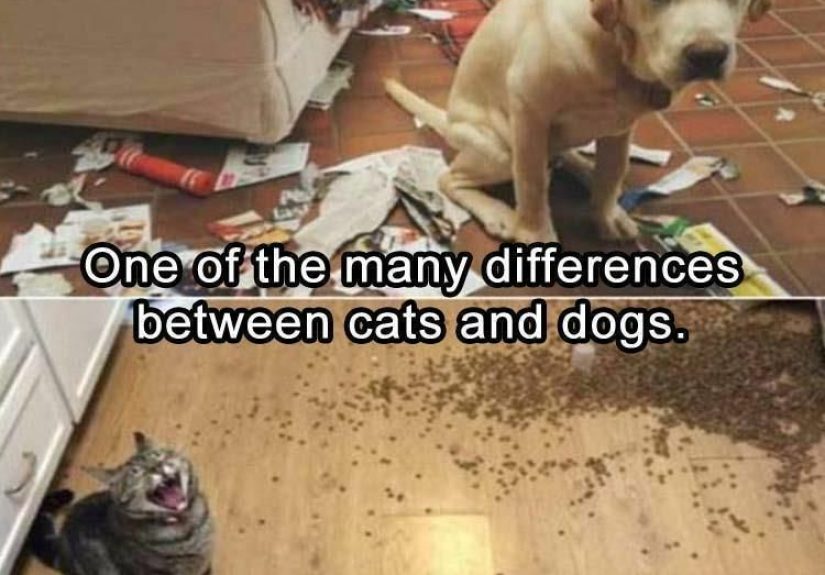
A random photo can be surprisingly powerful when it captures something odd, funny, beautiful, or relatable. It might be a coffee cup with a mysterious face in the foam, a dog sitting like a disappointed landlord, or a grocery store sign that accidentally becomes poetry.
Visual randomness works especially well because people process images quickly. A strange or funny image can stop the scroll before the caption even begins. The caption then gives context, adds humor, or invites others to share similar moments.
3. Random Thoughts
Random thoughts are short observations that feel like they wandered into your brain wearing slippers. They often work because they express something many people have noticed but never said out loud.
Examples include:
- Why does the last five minutes of work feel longer than an entire weekend?
- Every group chat has one person who responds three business days later with “lol.”
- Microwaves are just tiny food theaters with trust issues.
The best random thoughts are specific enough to be funny but broad enough for many people to relate.
4. Random Nostalgia
Nostalgia is one of the internet’s favorite emotional buttons. A random post about childhood snacks, old cartoons, school supplies, early phones, mall culture, or forgotten toys can quickly become a memory party.
For example, “What smell instantly reminds you of childhood?” can lead to comments about crayons, rain on pavement, library books, sunscreen, cafeteria pizza, and grandma’s kitchen. A simple random prompt becomes a shared archive of personal history.
5. Random Mini-Stories
A random mini-story gives people a quick scene with a punchline or emotional hook. It does not need to be dramatic. In fact, tiny everyday stories often perform better because they feel authentic.
For example: “Today I waved back at someone who was waving at the person behind me, so naturally I must move to a new city.” That is random, short, and painfully relatable. It gives readers a little comedy snack.
How Random Posting Fits Into Social Media Strategy
For personal accounts, random posting can simply be fun. For creators and brands, however, randomness should still have a purpose. The goal is not to post nonsense for the sake of noise. The goal is to create moments that feel spontaneous while still matching your voice, audience, and platform.
Random Content Can Humanize a Brand
Brands often struggle because they sound too polished. Audiences can tell when every sentence has been approved by seven departments and one nervous legal team. A tasteful random post can make a brand feel more human.
For example, a coffee shop might post, “Today’s mood: espresso with the emotional stability of a squirrel.” A bookstore might ask, “Which fictional character would absolutely ignore a ‘quiet please’ sign?” These posts are random, but they still connect to the brand’s world.
Random Posts Can Support Community Building
Communities need more than announcements. They need rituals, jokes, prompts, and casual spaces where members feel welcome. Random posts can act like conversation starters at a party. They give people something easy to respond to before deeper discussion begins.
A community about gardening might ask, “What plant are you currently negotiating with?” A cooking group might post, “What ingredient do you always buy and then forget exists?” A parenting group might ask, “What sentence did you never imagine saying before you had kids?” These prompts are random, but they are also targeted.
Random Does Not Replace Useful Content
Random posts should complement helpful content, not replace it. If every post is random, your audience may stop understanding what your page is about. A strong content mix includes educational posts, entertaining posts, personal posts, visual posts, and conversation starters.
Think of random content as seasoning. A little makes the meal better. Too much and suddenly your soup tastes like a birthday candle.
How to Post Something Random Without Looking Completely Lost
There is an art to random posting. The best random content feels effortless, but it usually has a hidden structure. It is clear, readable, audience-aware, and easy to engage with.
Keep It Simple
A random post should be easy to understand within seconds. If people need a map, three footnotes, and a dramatic reading to understand your joke, it may be too complicated. Short posts often work best because they match the speed of social feeds.
Make It Relatable
Random content becomes stronger when it connects to common experiences. Food, pets, work, school, weather, technology, family, nostalgia, and awkward social moments are reliable subjects because many people have opinions about them.
Add a Clear Hook
Even random posts need a hook. A hook can be a question, surprising statement, funny comparison, unusual image, or emotional detail. The hook tells people why they should care.
Weak hook: “Random thought.”
Better hook: “Random thought: grocery carts always have one wheel with a personal vendetta.”
Invite Responses
If you want engagement, give people a reason to reply. Add a question, challenge, or fill-in-the-blank prompt. For example: “Post something random from your week, but make it sound like a movie title.” This turns randomness into participation.
Read the Room
Random does not mean careless. Avoid posting insensitive jokes, private information, misleading claims, or content that could confuse your audience in a harmful way. Timing matters too. A silly post may not land well during a serious community moment or crisis.
Examples of Good Random Posts
Need inspiration? Here are some random post ideas that are playful, safe, and easy to adapt.
Funny Random Prompts
- What is a tiny problem that instantly ruins your mood?
- Describe your week using only a weather forecast.
- What object in your home has the most suspicious energy?
- If your pet had a job, what would they be fired for?
- What food do you respect but do not personally trust?
Creative Random Prompts
- Invent a holiday that should exist.
- Name a fictional restaurant and its worst menu item.
- Create a slogan for your current mood.
- Write a six-word story about your morning.
- Give your Wi-Fi network a dramatic backstory.
Community-Friendly Random Prompts
- Share one small win from today.
- What is something oddly satisfying?
- What is your most harmless unpopular opinion?
- What is a skill you learned for no practical reason?
- What is one thing that always makes you laugh?
The SEO Value of Random Content
At first glance, “post something random” may not sound like an SEO topic. However, random content can support search visibility when it is organized, keyword-aware, and useful to readers. Search engines reward content that answers intent, keeps users engaged, and provides original value.
For blogs, random post ideas can become searchable resources. People look for funny social media prompts, random questions to ask, conversation starters, engagement post ideas, creative captions, and community post examples. A well-structured article can target those searches naturally while still being entertaining.
Use Keywords Naturally
Useful keywords for this topic include “post something random,” “random post ideas,” “funny random questions,” “social media prompts,” “conversation starters,” “creative post ideas,” and “engagement post ideas.” These phrases should appear where they fit, not every three sentences like a robot trying to win a spelling bee.
Focus on Search Intent
Someone searching for “post something random” may want inspiration, examples, entertainment, or help starting a conversation. A strong article should satisfy all of those possibilities. That means explaining the concept, giving examples, offering tips, and making the content easy to scan.
Make the Page Easy to Read
Good SEO is not only about keywords. It is also about user experience. Clear headings, short paragraphs, bullet lists, and practical examples help readers find what they need. If the page feels like a giant wall of text, visitors may leave faster than someone asked to explain cryptocurrency at Thanksgiving.
When Random Posts Go Wrong
Random posting can be fun, but it can also misfire. The biggest problems happen when content is too confusing, too frequent, too off-brand, or too attention-seeking.
Too Confusing
If nobody understands the post, they may not engage. Mystery can be interesting, but total confusion is not a strategy. A random post should still have enough context for people to respond.
Too Frequent
If every post is random, your audience may feel like they are following a runaway shopping cart. Balance matters. Mix random posts with helpful, relevant, and consistent content.
Too Forced
Random content works best when it feels natural. Trying too hard to be quirky can backfire. The internet has a strong radar for fake weirdness. Be playful, but do not perform randomness like a substitute teacher attempting TikTok slang.
Personal Experiences With Posting Something Random
Anyone who has spent time online has probably seen how a random post can outperform a carefully planned one. You may spend an hour crafting a thoughtful update, choosing the right words, adjusting the image, and wondering whether the comma in the caption has emotional depth. Then, another day, you post a casual sentence like, “Why does opening a bag of chips quietly feel illegal?” and suddenly people appear from every corner of the internet with opinions, memories, and snack-related trauma.
That is the strange charm of random posting. It often feels more real than polished content. A random post can capture a tiny human moment before it gets edited into blandness. People respond because they recognize the feeling. They have also tried to open chips silently. They have also waved at the wrong person. They have also discovered a vegetable in the fridge that has become a science project with roots and ambition.
In community spaces, random posts can be especially useful when conversation has gone quiet. A simple prompt like “What is one oddly specific thing that made you smile today?” can revive a sleepy group. The answers may be small, but they create warmth. Someone mentions a dog wearing a raincoat. Someone else shares that their coffee order was perfect. Another person says their kid called broccoli “tiny trees with attitude.” None of these comments are breaking news, but they make the space feel alive.
Random posting also teaches an important lesson about creativity: not every idea needs to be grand to be worthwhile. Sometimes the best content starts as a throwaway thought. A funny observation can become a caption. A strange question can become a discussion. A casual story can become a blog post. The trick is learning to notice the small sparks before dismissing them.
For creators, random posts can reduce perfectionism. Many people avoid posting because they think every update must be impressive. But audiences often connect with the imperfect details: the messy desk, the failed recipe, the weird dream, the unexpected lesson, the behind-the-scenes moment. Random content reminds us that online presence does not always need to wear a suit and carry a clipboard.
Of course, the best random posts still respect the audience. There is a difference between charming spontaneity and dumping every unfiltered thought onto the internet like a cereal box with no bottom. A good rule is to ask: Is it harmless? Is it understandable? Is it likely to amuse, help, comfort, or invite people in? If the answer is yes, post it. If the answer is “this may start a family argument and possibly a neighborhood meeting,” maybe save it as a draft.
Over time, random posting can become a creative habit. You begin collecting odd questions, funny moments, overheard phrases, visual details, and tiny daily surprises. The world becomes more interesting because you are paying attention. A crooked sign, a dramatic pigeon, a suspiciously cheerful elevator tunesuddenly everything has content potential. That does not mean you must post every random thing you notice. It simply means your creative radar is switched on.
The real beauty of “post something random” is that it gives people permission to participate without needing a perfect reason. It says the conversation does not always have to be serious, polished, or strategic. Sometimes it can begin with a weird question, a small laugh, or a picture of a potato that looks like a celebrity. And honestly, the internet could use more harmless potatoes.
Conclusion
“Post something random” is more than a casual internet phrase. It is a reminder that online connection often begins with simple, unexpected moments. Random posts can entertain, invite conversation, humanize brands, energize communities, and inspire creativity. When used thoughtfully, they can be a powerful part of social media content, blogging, and digital communication.
The key is balance. Random content should feel spontaneous but not careless, funny but not forced, and personal but not confusing. Whether you are posting a silly question, a strange photo, a nostalgic memory, or a tiny story from your day, the best random posts make people feel welcome to respond. In a crowded online world, that kind of easy connection is not random at allit is valuable.
Note: This article is based on synthesized information from reputable U.S. sources related to social media usage, online communities, creativity research, user experience, content marketing, engagement behavior, and digital communication trends.






 Close
Close