
Table of Contents >> Show >> Hide
- What You’ll Need (and What You’ll Wish You Had)
- Method 1: The Classic Fold-and-Pleat Heart (The “Real Heart” Heart)
- Method 2: Reverse Tie Dye Heart (For Dark Shirts That Deserve a Glow-Up)
- Method 3: The Stitched Heart (A Clean Outline Without Pleat Drama)
- Method 4: Ice Dye Heart (Soft, Watercolor Hearts With Maximum “Ooooh”)
- Method 5: Bleach Heart (High Contrast, Low Patience)
- Easy Variations: Make Your Heart Look Custom (Without Becoming a Fabric Engineer)
- Troubleshooting: Why Your Heart Looks Like “Something Else”
- Rinsing and Washing Without Ruining Your Masterpiece
- Conclusion: Your Heart Tie Dye Era Starts Now
- Extra: Real-World Experiences (AKA What Usually Happens When You Tie Dye a Heart)
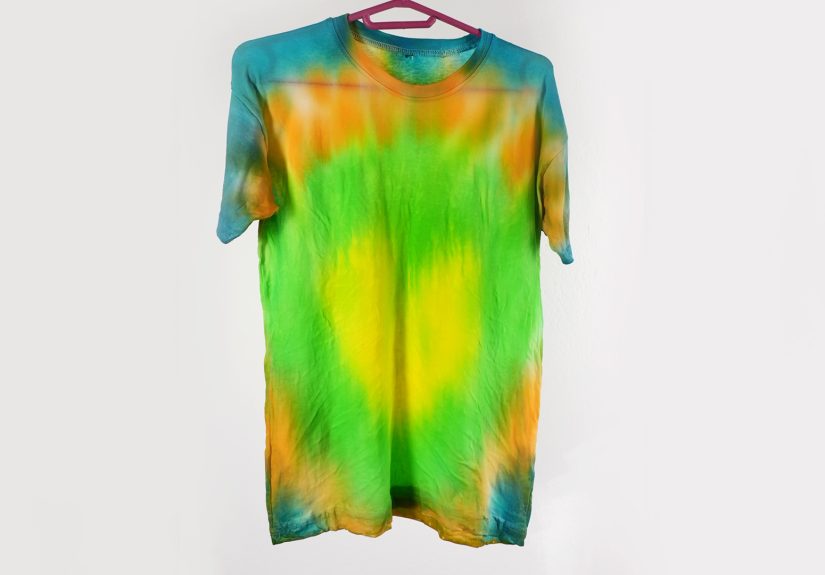
There are two kinds of people in the tie-dye universe: the “spiral forever” crowd and the brave souls who attempt a
tie dye heart. Spirals are forgiving. Hearts? Hearts are honest. They will reveal every wrinkle, every sloppy fold,
and every rubber band you placed with the confidence of a raccoon handling a hot dog.
The good news: once you learn the “secret” (spoiler: it’s just folding neatly and tying tightly), you can make
clean heart shapes on shirts, hoodies, tote bags, pillowcasesbasically anything that sits still long enough.
Below are several easy ways to tie dye a heart, from classic beginner-friendly folding to reverse tie-dye on dark tees,
plus pro tips to keep your heart from turning into a suspicious-looking avocado.
What You’ll Need (and What You’ll Wish You Had)
You can make a heart tie dye shirt with a basic kit, but a few upgrades will save your sanityand your countertops.
Here’s a practical checklist:
Supplies
- Fabric: 100% cotton shirt (brightest results). Cotton blends work, but colors can look softer.
- Dye: Fiber-reactive dye (common in many tie-dye kits) or the dye type recommended for your kit.
- Soda ash (if using fiber-reactive dyes): Helps dye bond to cotton for vibrant, wash-fast color.
- Rubber bands or waxed sinew (for sharper lines).
- Washable marker or tailor’s chalk (for drawing the heart template).
- Gloves (your hands will otherwise look like a comic-book villain’s origin story).
- Plastic table cover or trash bags + paper towels.
- Squeeze bottles for liquid dye application.
- Zip-top bags or plastic wrap (to keep fabric damp while dye sets).
- Optional but amazing: A wire rack over a tray to reduce muddy “back-bleed.”
Prep That Actually Matters
- Pre-wash your shirt (no fabric softener). This removes sizing/finishes that can block dye.
- Dampen fabric before folding (most heart techniques behave better on slightly damp fabric).
-
If using fiber-reactive dye: soda ash soak first for best color.
Then wring until dampnot dripping like a sad sponge.
Method 1: The Classic Fold-and-Pleat Heart (The “Real Heart” Heart)
This is the iconic heart tie dye pattern you’ve seen on Valentine’s shirts and summer camp masterpieces.
The technique is simple: fold the shirt in half, draw half a heart, then accordion fold along that line until the heart outline becomes a
straight “spine” you can tie.
Step-by-Step: How to Tie Dye a Heart
- Lay the shirt flat (front side up), smooth wrinkles, and line up seams so everything is symmetrical.
- Fold in half vertically (lengthwise), matching sleeves and side seams as neatly as possible.
-
Draw half a heart on the folded shirt, placing the straight edge of the half-heart right along the fold.
Tip: Make the bottom “V” deep enoughshallow V’s often turn into “guitar pick” shapes. -
Accordion fold (pleat) along the drawn line, starting at one end and working your way along the curve.
Your goal is to keep the marker line stacked so it forms a straight edge when folded. -
Tie tightly right on the heart line with a rubber band or sinew. This is the heart’s outline.
Tight ties = cleaner heart edges. - Add 2–4 more bands below the heart line to create dye “sections” for stripes, fades, or multicolor backgrounds.
- Apply dye: Saturate the heart “spine” thoroughly (both sides). Then dye the other sections as desired.
- Let it set according to your dye instructions (often several hours to overnight), keeping it damp in a bag.
- Rinse and wash: Rinse cool first, then warmer until water runs mostly clear. Wash separately the first time.
Color Ideas That Make the Heart Pop
- Solid heart + wild background: Dye the heart section one bold color (red, hot pink, black), then go rainbow outside.
- Two-tone heart: Dye one side of the heart section one color and the other side another color for a split-heart look.
- Ombre heart: Use a lighter shade near the top of the heart and deepen toward the point.
- Negative space heart: Keep the heart section mostly undyed (or very lightly dyed), then make the outside loud.
Pro Tips for Crisp Heart Lines
-
Keep the pleats even. If the marker line wiggles, your heart outline will wiggle too. Hearts can be quirky,
but “heart with scoliosis” is a specific aesthetic. - Tighten the outline tie more than the others. The outline is where you want the sharp boundary.
-
Soak the spine. The heart edge must be fully saturated all the way through the folded layers.
If it’s under-dyed, you’ll get a broken outline. - Elevate your work on a rack so extra dye doesn’t pool underneath and muddy the design.
Method 2: Reverse Tie Dye Heart (For Dark Shirts That Deserve a Glow-Up)
Want a heart on a black tee that doesn’t look like it whispered its feelings into a void? Try
reverse tie dye heart techniques. Instead of adding dye to white fabric, you remove color (or “discharge” it)
in a heart pattern, then optionally add bright dye back in.
How It Works
- Fold and tie the heart using the same classic method above.
-
Apply a color remover (often included in reverse tie-dye kits) to the heart section and/or background.
This lightens the fabric where applied. - Rinse thoroughly and wash if the product instructions require it.
- Optional: Apply bright dye to the lightened areas for neon-on-dark effects (because subtlety is overrated).
Reverse Tie Dye Design Ideas
- Bright heart on dark background: Discharge only the heart area, then dye it vivid pink or teal.
- Dark heart on bright halo: Discharge around the heart, leaving a deeper heart silhouette.
- Galaxy heart: Lighten and then add purple/blue tones with splashes for a cosmic vibe.
Method 3: The Stitched Heart (A Clean Outline Without Pleat Drama)
If folding perfectly makes you sweat, the stitched method is your calm, organized friend who labels pantry jars.
You draw a heart, stitch along the line with string, then pull the string tight to gather the fabric and create a resist.
This technique can produce a very defined outline and can be done as a symmetrical folded heart, too.
Stitched Heart Steps (Beginner-Friendly Version)
- Lightly dampen and smooth the shirt flat.
- Draw a heart (full heart on one layer, or half-heart on a folded shirt for symmetry).
-
Using sturdy string, make simple running stitches along the drawn line. Keep stitches relatively even.
(No need to audition for a fashion school.) - Pull the string ends to gather the fabric tightly along the heart outline. Tie off firmly.
- Dye the gathered line area thoroughly to define the heart edge, then dye the rest however you want.
- Let dye set, rinse, then carefully cut/remove stitches.
Why You Might Love This Method
- Cleaner outline without relying on perfect pleats.
- Cool placement options: off-center hearts, sleeve hearts, neckline mini-hearts.
- Double-sided potential if stitched through multiple layers.
Method 4: Ice Dye Heart (Soft, Watercolor Hearts With Maximum “Ooooh”)
Ice dyeing can turn a basic tie dye heart shirt into something that looks like it belongs in an art gallery
(or at least in a fancy coffee shop where someone is paying $9 for oat milk foam).
The idea: you place ice on the fabric and sprinkle powdered dye on top. As the ice melts, it carries dye through the folds,
creating organic blending.
Ice Dye Setup (Heart + Background)
- Fold and tie the heart using the classic method (or stitched method).
- Place the tied shirt on a rack over a tray/bin so meltwater can drip away.
- Pack ice over the shirt (focus ice where you want the most blend).
- Sprinkle powdered dye over the ice in light layers (a little goes a long way).
- Let the ice melt completely. Keep it undisturbed to avoid muddy smears.
- Batch the shirt (keep damp) per your dye’s instructions, then rinse and wash.
Ice Dye Color Combos for Hearts
- Sunset heart: peach + magenta + a touch of golden yellow.
- Mermaid heart: teal + aqua + lavender.
- Strawberry milk heart: light pink + fuchsia + tiny dusting of purple for depth.
Method 5: Bleach Heart (High Contrast, Low Patience)
Bleach (or discharge agents) can create striking hearts on dark cotton, but this method deserves an extra dose of respect.
Work in a well-ventilated area, wear gloves, and never mix cleaning chemicals. If you’re doing this with kids,
consider reverse tie-dye kits designed for fabric instead of improvising a chemistry experiment.
Basic Bleach-Style Approach
- Use the classic heart fold and tie on a dark, mostly-cotton shirt.
- Apply diluted bleach solution carefully (spray bottle or controlled pour) to the areas you want lightened.
- Watch closelylightening can happen fast and continues even after you stop applying.
- Neutralize and rinse thoroughly (follow best practices for your chosen discharge method).
- Optional: Overdye the lightened heart with bright colors once fully rinsed and prepped.
Easy Variations: Make Your Heart Look Custom (Without Becoming a Fabric Engineer)
Once you can make one heart, you can make a whole soap opera of hearts.
Here are simple upgrades that still count as “easy,” even if they look like you spent three days meditating over folds.
Variation A: Heart-in-a-Heart
- Make a big heart using the classic method.
- Add an extra tight band closer to the heart line to create a second outline.
- Dye the inner section one color and the outer heart ring another color.
Variation B: Mini Hearts Down the Sleeve
- Fold the sleeve lengthwise and draw half hearts along the fold.
- Pleat and tie each heart line separately (yes, it’s fiddly; yes, it’s cute).
- Use one color for all mini hearts for a clean, graphic look.
Variation C: Off-Center Heart (Streetwear Vibes)
- Place the heart slightly left or right of center.
- Use a bold, limited palette (two or three colors) for a modern look.
- Leave more negative space so the heart reads clearly from a distance.
Troubleshooting: Why Your Heart Looks Like “Something Else”
Tie-dye is art, but it’s also physics wearing a headband. If your heart didn’t come out the way you pictured it,
here are the most common culpritsand how to fix them next time.
Problem: The Heart Outline Is Blurry
- Cause: Outline tie wasn’t tight enough, or dye seeped across the boundary.
- Fix: Tie the heart line tighter (use sinew if you want crisp edges). Apply dye more carefully near the outline.
Problem: The Heart Has Gaps or Looks “Broken”
- Cause: The heart spine wasn’t saturated all the way through the folds.
- Fix: Spend extra time soaking the heart edge on both sides. Gently press dye into the folds.
Problem: The Heart Shape Looks Weird (Pick, Blob, or Potato)
- Cause: The drawn template wasn’t shaped well, or the bottom “V” wasn’t deep enough.
- Fix: Draw a deeper point and a clearer dip at the top. Pleat slowly so the drawn line stacks evenly.
Problem: Colors Look Dull
- Cause: Fabric is a cotton blend, shirt wasn’t prewashed, or dye chemistry wasn’t ideal.
- Fix: Use 100% cotton for brightest color. Prewash. Use soda ash when recommended for fiber-reactive dyes.
Rinsing and Washing Without Ruining Your Masterpiece
The rinse is where many great tie-dye dreams go to die. Don’t rush it. A solid rinse routine keeps whites cleaner,
colors brighter, and prevents that sad “everything turned brown” moment.
- Rinse cool first while the shirt is still tied (this helps remove excess dye gently).
- Remove ties, then keep rinsing until water runs closer to clear.
- Rinse warmer (gradually) to help flush out extra dye.
- Wash hot (if fabric allows) with detergent, separately the first time.
- Dry as usual and admire your heart like it’s a trophy.
Conclusion: Your Heart Tie Dye Era Starts Now
Making a tie dye heart pattern is mostly about two things: aligning your fold and treating that heart outline tie
like it owes you money. Start with the classic fold-and-pleat method, then branch out into reverse tie dye, stitched hearts,
and dreamy ice-dyed blends. The best part? Even the “imperfect” hearts usually look charminglike they have personality,
which is a polite way of saying you can call it “handmade” and no one can argue.
If you want the fastest win: do one solid-color heart and a fun background. If you want the most compliments:
ice dye the background and keep the heart crisp and bold. Either way, you’ll end up with a shirt that’s
impossible to ignorein the best way.
Extra: Real-World Experiences (AKA What Usually Happens When You Tie Dye a Heart)
Let’s talk about the part tutorials rarely admit: the experience of trying to tie dye a heart is basically a mix of
crafting joy, mild chaos, and at least one moment where you stare at a folded shirt and whisper,
“Is this… geometry?” If you’re doing this at home, here’s what people typically run intoand how to make it more fun
instead of more stressful.
First, the setup always feels like it will take “five minutes,” and then suddenly you’re building a plastic-covered workstation
like you’re preparing for an art heist. This is normal. Tie-dye has a way of expanding. You start with one shirt and a couple
of colors, and then you’re adding “just one more” bottle, a rack, extra gloves, paper towels, and the confidence of someone
who thinks they can keep fuchsia off the floor. The best mindset is to treat prep like a mini ritual: lay everything out,
label bottles if you’re using multiple colors, and keep a “clean zone” for phones, snacks, and anything you don’t want
to look like a rainbow sneezed on it.
The folding step is where the heart becomes a personality test. Some folks get very precise: smoothing seams,
aligning sleeves, measuring center lines, and drawing the half-heart like it’s a logo for a luxury brand. Others fold once,
eyeball a heart, and go full “trust the process.” Both approaches can work, but the results match the energy:
careful folding gives a clean, crisp heart; casual folding gives a heart that looks hand-drawn and artsy. If you’re crafting
with kids (or adults who behave like kids once they see dye), the stitched heart method can be surprisingly calming.
There’s something satisfying about pulling the string and watching the fabric gather into a perfect outlinelike a drawstring
bag, but with more emotional commitment.
Dye application is where optimism meets gravity. People often discover that dye doesn’t politely stay in one spot.
It travels, blends, and occasionally makes color choices you didn’t vote for. A wire rack over a tray helps a lot because
it prevents puddles underneath from soaking back into the shirt and muddying your design. Another common experience:
you think you used enough dye, then you unfold the shirt and realize the heart outline looks “broken” in a few places.
That usually means the heart spine wasn’t saturated all the way through the folds. Next time, spend extra seconds
working dye into that straight edge from both sides. It feels like overkill in the moment, but it’s the difference between
“clear heart” and “heart symbol seen through fog.”
Then there’s the waiting. Tie-dye requires patience, which is rude but effective. People will bag their shirts,
set them aside, and then keep peeking like the dye is going to finish early out of politeness. If you’re making multiple shirts,
this is a great time to plan your “collection”: maybe one classic red heart, one pastel heart for spring, one reverse tie dye heart
on a black tee for high contrast, and one ice dye heart with soft blends for that watercolor vibe. It turns a single project into
a mini wardrobe upgradeand makes it easier to accept that not every heart will come out exactly the same. That’s part of
the charm: each heart tie dye shirt is its own little surprise.
Finally, the big reveal. Unfolding a heart tie-dye pattern is genuinely excitinglike opening a present you wrapped yourself.
Even when the heart is slightly lopsided or the colors blend unexpectedly, most people still love the result because it feels
personal. And if it comes out hilariously weird? Congratulations, you just made “wearable comedy,” which is arguably harder
than making a perfect heart. The best practical habit is to take notes (even quick phone notes): what colors you used,
whether you soaked in soda ash, how tight you tied the heart line, and how long you batched it. Next time, you’ll level up
fastand your hearts will go from “cute attempt” to “how did you DO that?” in just a few rounds.






 Close
Close