
Table of Contents >> Show >> Hide
- What Is Fifth Disease (Erythema Infectiosum)?
- What Causes Fifth Disease?
- Symptoms of Fifth Disease
- Is Fifth Disease Dangerous?
- How Is Fifth Disease Diagnosed?
- Treatment of Fifth Disease
- Prevention: Can You Avoid Fifth Disease?
- Living With or Around Fifth Disease: Real-Life Experiences and Practical Advice
- Bottom Line
If your child suddenly looks like they lost a slap fight with a tomato, take a breath before you panic.
That bright red “slapped cheek” look might be a classic sign of fifth disease, also known as
erythema infectiosum. Despite its dramatic appearance, this viral illness is usually mild, especially
in otherwise healthy kids and adults.
Still, because fifth disease can cause problems in certain peoplelike those who are pregnant, have blood disorders,
or have weakened immune systemsit’s worth understanding how it works. In this guide, we will walk through
symptoms, causes, treatment options, and prevention tips, and then share real-life experiences and
practical advice to help you feel more prepared if this rash ever shows up in your home.
What Is Fifth Disease (Erythema Infectiosum)?
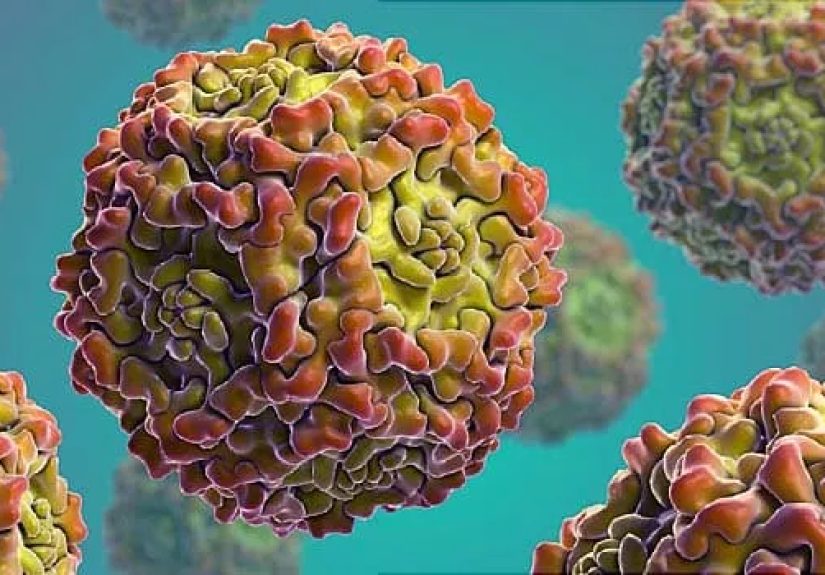
Fifth disease is a common childhood viral infection caused by parvovirus B19, a virus that infects
humans onlynot your dog, not your cat, just us. It earned its name because it was historically listed as the
“fifth” of the classic childhood rash illnesses. Today, it’s best known for its bright red facial rash and lacy
body rash that can look more alarming than it really is.
Fifth disease is most common in school-aged children, typically between 4 and 14 years old,
but adults can absolutely get it too (and often feel it more in their joints than in their cheeks). Most cases
are mild and clear on their own without any specific medication. Many people never realize they had it because
their symptoms are so subtle.
What Causes Fifth Disease?
The culprit behind fifth disease is human parvovirus B19. This virus spreads mostly through
respiratory dropletstiny bits of saliva or mucus when an infected person coughs, sneezes, or talks. It can also
spread through blood and, during pregnancy, from a pregnant person to the fetus.
How It Spreads
- Respiratory droplets: Close contact in classrooms, daycare, or at home.
- Hands and surfaces: Touching a contaminated surface and then touching your nose, mouth, or eyes.
- Blood products: Rarely, parvovirus B19 can spread through blood transfusions.
- Pregnancy: The virus can cross the placenta and infect the fetus.
Interestingly, by the time the famous rash appears, the person is usually no longer contagious.
The highest risk of spreading the virus happens about a week before the rash shows upoften when symptoms look like a
mild cold or flu.
Who Is Most at Risk?
- Children in daycare or school settings
- Parents, teachers, and childcare workers
- People with chronic blood disorders (like sickle cell disease)
- People with weakened immune systems
- Pregnant people who haven’t had parvovirus B19 before
Symptoms of Fifth Disease
Fifth disease often shows up in two phases. The first phase is easy to miss; the second phase is when the rash
makes its big entrance.
Phase 1: Mild “Cold-Like” Symptoms
About 4–14 days after being exposed to the virus, a person may have very nonspecific symptoms that feel like a
minor viral illness:
- Low-grade fever
- Headache
- Runny or stuffy nose
- Mild sore throat
- General fatigue or “just not feeling right”
At this point, most people assume it’s a regular cold and move on with life. This is also the time when the virus is
most contagious.
Phase 2: The Classic Rash
Several days later, the slapped-cheek rash appears. On lighter skin, it often looks bright red; on
darker skin, it can be subtler, more purplish, or easier to feel than to see. Then, a lacy, pink or red rash
can spread to the arms, legs, and trunk. The body rash may itch, especially on the soles of the feet.
The rash usually lasts about a week, but it can come and go for several weeks, especially if the child gets hot,
stressed, or spends time in the sun.
Symptoms in Adults
Adults often have less obvious rash and more joint pain, especially in the hands, wrists, knees,
and ankles. The pain can be symmetrical (both hands, both knees) and may last for weeks or even months but usually
resolves without permanent damage.
When Is Fifth Disease Contagious?
The timing is a bit sneaky:
- Most contagious: During the early, cold-like phasebefore the rash appears.
- Less contagious: Once the slapped-cheek rash is visible, most people are no longer spreading the virus.
This is why school outbreaks can be trickyby the time you see the rash, the child has probably already been infectious
around classmates for days.
Is Fifth Disease Dangerous?
For the vast majority of healthy children and adults, fifth disease is mild and self-limited. However,
it can cause more serious problems in certain situations.
Healthy Children and Adults
In otherwise healthy people, fifth disease generally:
- Clears up on its own within 1–3 weeks
- Does not usually cause long-term problems
- Leads to lifelong immunity after infection in most cases
Many adults are already immune because they were infected in childhood and didn’t realize it.
Pregnancy and Fifth Disease
Fifth disease is not usually dangerous for the pregnant person’s health, but infection during pregnancyespecially in
the first halfcan rarely cause serious fetal complications. These include severe anemia in the fetus and,
in some cases, miscarriage or fetal loss. The overall risk is still low, but it’s taken very seriously.
If a pregnant person has been exposed (for example, teaching in a classroom with an outbreak), a healthcare professional
may recommend blood tests and ultrasound monitoring to check for recent infection and fetal health.
People with Blood Disorders or Weakened Immune Systems
Parvovirus B19 can temporarily shut down red blood cell production in the bone marrow. In people who already have
conditions like sickle cell disease or other chronic hemolytic anemias, this can trigger an
aplastic crisisa sudden drop in red blood cells that may cause severe anemia and require urgent care.
People with weakened immune systems (for example, due to cancer treatments, organ transplantation, or certain chronic
diseases) may have longer-lasting infections and may need special monitoring and treatment.
How Is Fifth Disease Diagnosed?
In many cases, healthcare professionals can diagnose fifth disease just by looking at the rash and
reviewing symptoms and exposure history. That “slapped-cheek” plus lacy body rash combination is pretty distinctive.
Physical Exam
During an exam, a provider may:
- Ask about recent fever, cold-like symptoms, or exposure to sick contacts
- Look closely at the face, trunk, arms, and legs for rash patterns
- Check joints if the patient has pain or swelling
Blood Tests
Blood tests are not always necessary. They may be ordered when:
- The person is pregnant
- There is a known blood disorder (such as sickle cell disease)
- The person has a weakened immune system
- The diagnosis isn’t clear from symptoms alone
Blood tests can detect antibodies (IgM and IgG) to parvovirus B19 or measure the amount of virus in the blood in
complex cases.
Treatment of Fifth Disease
Here’s the good news: for most people, fifth disease treatment is all about comfort. Because it’s a
viral infection, antibiotics won’t help. The body’s immune system usually clears the virus on its own.
Home Care for Fifth Disease
Always follow your healthcare professional’s advice, but general home care may include:
- Rest: Let kids (and adults) rest if they’re tired.
- Fluids: Encourage water, oral rehydration solutions, or other hydrating drinks.
- Fever and discomfort relief: Over-the-counter pain relievers like acetaminophen or ibuprofen
may be used if recommended by a provider and appropriate for age and health status. - Itch relief: Cool baths, fragrance-free moisturizers, or anti-itch lotion may help with
rashes that are uncomfortable. - Sun and heat avoidance: Heat and sunlight can make the rash flare up or look worse.
Do not give aspirin to children or teenagers with viral illnesses due to the risk of Reye’s syndrome.
When Medical Treatment Is Needed
Most people recover at home, but some situations call for prompt medical attention. Contact a healthcare professional if:
- A child or adult has trouble breathing, extreme fatigue, or looks very ill
- Fever is high, lasts more than a few days, or returns after improving
- There is a known blood disorder or immune deficiency
- You are pregnant and have been exposed to fifth disease or have symptoms
In severe casessuch as aplastic crisis or serious fetal complicationstreatment may involve hospital care, blood
transfusions, or specialized therapies.
Prevention: Can You Avoid Fifth Disease?
You cannot completely prevent fifth disease, especially if you live or work around children (kids share everything,
including viruses). But you can lower the risk of spread with good hygiene habits:
- Encourage frequent handwashing with soap and water
- Teach kids to cover their coughs and sneezes with a tissue or their elbow
- Avoid sharing cups, utensils, or straws
- Stay home when feeling sick with fever or flu-like symptoms
- Clean frequently touched surfaces like doorknobs and tabletops
There is currently no vaccine for parvovirus B19, so basic infection-control habits are the main
tools we have.
Living With or Around Fifth Disease: Real-Life Experiences and Practical Advice
Medical facts are helpful, but what does fifth disease look like in everyday life? Families, teachers, and adults who’ve
had it often describe a mix of confusion (“Why is my child’s face so red?”), worry (especially during pregnancy), and
ultimately relief when they learn how mild it usually is.
A Parent’s Perspective
Imagine this: your 6-year-old wakes up one morning and looks like they fell asleep on a red paint palette. Their cheeks
are bright red, but they seem… fine. Maybe a bit tired, but they’re playing, talking, and asking for breakfast like
nothing happened. You mentally replay the last week: a low fever, some sniffles, maybe a day or two of being a little
cranky. You chalked it up to yet another “school virus.”
Then you Google “red cheeks child” (because of course you do), and fifth disease pops up. By the time you call the
pediatrician, the doctor calmly explains that, thankfully, your child is probably no longer contagious and that the
rash is just the tail end of the illness. They may recommend symptom relief, extra fluids, and watching for any
unusual changesbut no high-level emergency measures. The panic dial slowly turns down.
A Teacher’s Story
In classrooms, fifth disease tends to travel in little waves. A teacher might notice a handful of students showing up
with flushed cheeks and lacy rashes on their arms. At first, it can be easy to confuse with sunburn, allergies, or
even a reaction to a new soap. Once the school nurse or pediatrician identifies fifth disease, parents usually receive
a letter explaining what it is, how it spreads, and why kids are often most contagious before the rash appears.
For teachers, the experience becomes a crash course in hand hygiene enforcement: more handwashing breaks, reminders
not to share snacks and drinks, and lots of tissues. The silver lining? Most affected kids still feel pretty good and
can continue learning, as long as they are otherwise well and their school’s policy allows it.
Experiencing Fifth Disease as an Adult
Adults who catch fifth disease may tell a slightly different story. Instead of a striking rash, they might notice
joint pain that makes everyday taskstyping, holding a coffee mug, climbing stairsfeel surprisingly
uncomfortable. Some describe it as “mini arthritis that showed up out of nowhere.” The pain can be annoying, but in
most cases, it gradually fades over days to weeks.
Many adults only discover they had fifth disease after a blood test later in life shows parvovirus B19 antibodies.
In other words, the body quietly handled it at some point, and life went on.
Pregnancy and Peace of Mind
For someone who is pregnant, hearing about fifth disease in a school or workplace can feel frightening. The key here
is not to ignore itbut also not to spiral. Calling a prenatal provider to discuss exposure is the right move. They
may order blood tests to check immunity and, if needed, monitor the pregnancy more closely.
Many pregnant individuals who are exposed discover they’re already immune, meaning they had a past infection and
their body is prepared. Even when a new infection occurs, serious fetal complications remain relatively uncommon,
though they require careful follow-up. Having accurate informationand a clear plan with your medical teamcan make
the experience much less scary.
Emotional Takeaways and Practical Tips
Fifth disease is a reminder that not every dramatic-looking rash signals disaster. For most healthy people, it’s a
short-lived inconvenience rather than a major crisis. From the stories parents, teachers, and adults share, a few
themes stand out:
- Don’t judge by appearance alone: The rash can look intense, but the child may feel relatively well.
- Ask questions: If you’re unsure whether a rash is fifth disease, an allergy, or something else,
a quick call or visit to a healthcare professional can save a lot of worry. - Think about your risk profile: If you’re pregnant, have a blood disorder, or a weakened immune
system, checking in with a doctor after possible exposure is especially important. - Focus on comfort and care: Rest, fluids, and itch relief go a long way.
- Practice prevention basics: Handwashing, cough etiquette, and staying home when sick help with
fifth disease and many other infections.
Ultimately, fifth disease is one of those things that sounds scarier on paper than it usually is in real life.
With a bit of knowledge, a good relationship with your healthcare team, and a solid supply of soap and tissues,
you can handle it if it shows up in your world.
Bottom Line
Fifth disease (erythema infectiosum) is a common viral illness, especially in children, that typically causes a
distinctive “slapped-cheek” rash and mild symptoms. For most healthy people, it’s more of a temporary annoyance
than a serious health threat. However, it can pose risks during pregnancy and in people with blood disorders or
weakened immune systemsso those groups deserve extra attention and timely medical guidance.
If a strange rash suddenly appears in your household, don’t panicbut don’t ignore it either. A quick conversation
with a healthcare professional can help you confirm what’s going on, protect vulnerable family members, and keep
everyone as safe and comfortable as possible.





 Close
Close