
Table of Contents >> Show >> Hide
- Why Fruit Crisp Is the Dessert You’ll Make Again (and Again)
- Crisp vs. Crumble vs. Cobbler (Quickly, Before Dessert)
- The Blueprint: Fruit + Thickener + Topping
- Master Fruit Crisp Recipe (Works With Almost Any Fruit)
- Best Fruit Combos (Specific Examples You Can Steal)
- Using Frozen Fruit (Without Ending Up With a Watery Crisp)
- Topping Upgrades (Because Crunch Is a Love Language)
- Make-Ahead, Storage, and Reheating
- Troubleshooting: Fix the Usual Fruit Crisp Drama
- Serving Ideas (Beyond “Put Ice Cream on It”)
- Conclusion
- Kitchen “Experience” Notes: What You Learn After Making Fruit Crisp a Lot (About )
If pie is the tuxedo of fruit desserts, a fruit crisp recipe is the comfy hoodie that still somehow looks good in photos.
No rolling pins. No dramatic crust tears. No “why is my kitchen suddenly a flour-based crime scene?”
Just juicy fruit, a buttery-crunchy topping, and an oven that does the heavy lifting while you take credit.
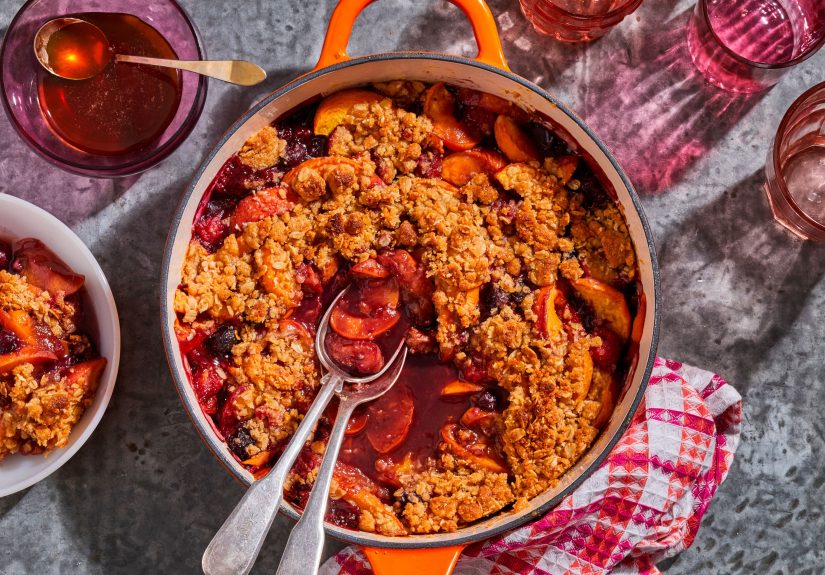
This guide gives you a master fruit crisp you can use with apples, berries, peaches, pears, cherriesbasically anything that had a good day at the farmers market
(or a less glamorous day in the freezer aisle). Along the way, you’ll learn the “why” behind the steps, so you can riff confidently without accidentally creating Fruit Soup With Sad Granola.
Why Fruit Crisp Is the Dessert You’ll Make Again (and Again)
A good crisp nails three things at once: soft fruit, saucy juices, and a crisp oat crumble topping that tastes like dessert and breakfast shook hands.
It’s also forgivingswap fruits, change spices, adjust sweetness, and it’ll still come out like you know what you’re doing.
Crisp vs. Crumble vs. Cobbler (Quickly, Before Dessert)
The names get used interchangeably, but here’s the practical difference:
- Crisp: fruit + streusel-like topping, often with oats for extra crunch.
- Crumble: similar topping, sometimes without oats, often a bit more clumpy.
- Cobbler: fruit topped with a biscuit/cake-like layermore “pillowy,” less “crumbly.”
Translation: if it’s bubbling fruit with a buttery crumb blanket, nobody at the table is filing a complaint.
The Blueprint: Fruit + Thickener + Topping
1) Pick Your Fruit Like a Pro
The best fruit crisps balance sweetness, acidity, and water content. Here are easy guidelines:
- Apples & pears: sturdy, hold shape, need a bit more time.
- Peaches, plums, apricots: juicy and quick-cooking; watch for extra liquid.
- Berries & cherries: very juicy; they love a thickener and a slightly longer rest after baking.
- Frozen fruit: totally finejust account for extra moisture (tips below).
2) Sweetness, Spice, and a Little Acid
Fruit changes wildly by season and mood. Taste a piece first. If it’s sweet enough to make you pause and smile, go light on added sugar.
If it tastes like it needs a pep talk, add a little more sugar and a squeeze of lemon.
Reliable flavor boosters:
- Cinnamon for apples/pears
- Vanilla for just about everything
- Ginger for peaches, plums, and berries
- Lemon zest to make fruit taste more “itself”
3) Thickeners: The Secret to “Saucy,” Not “Watery”
As fruit bakes, it releases juice. A thickener helps those juices become glossy sauce instead of running all over the plate like it’s late for something.
Cornstarch is common because it thickens without adding flavor; tapioca starch also works beautifully, especially for berries.
Master Fruit Crisp Recipe (Works With Almost Any Fruit)
This easy fruit crisp is built for a standard 9-inch square baking dish (about 2 quarts). It scales up or down without drama.
Ingredients
For the fruit filling
- 6 cups fruit (about 2 to 2 1/2 pounds), sliced if needed
- 2–5 tablespoons sugar (white or brown; adjust to taste)
- 1 tablespoon lemon juice (or 2 teaspoons apple cider vinegar for apples/pears)
- 1–2 tablespoons cornstarch (use 1 for apples/pears; 2 for very juicy berries/peaches)
- 1 teaspoon vanilla extract (optional but strongly encouraged)
- 1–2 teaspoons spice (cinnamon, ginger, or a mix)
- Pinch of salt
For the crisp topping
- 3/4 cup old-fashioned rolled oats (not instant)
- 1/2 cup all-purpose flour (or whole wheat for a nuttier vibe)
- 1/2 cup brown sugar (light or dark)
- 1/4 cup granulated sugar (optional for extra crunch; reduce if fruit is very sweet)
- 1/2 teaspoon cinnamon
- 1/4 teaspoon salt
- 6 tablespoons cold unsalted butter, cubed (or 5 tbsp if you like a lighter topping)
- Optional: 1/2 cup chopped pecans or walnuts
Step-by-step instructions
-
Heat the oven. Preheat to 350°F (or 375°F if you like a crisper top and your fruit isn’t super delicate).
Place a sheet pan on the rack below to catch any bubbling over, because crisp is charmingoven cleanup is not. -
Mix the filling. In a large bowl, toss fruit with sugar, lemon juice, cornstarch, vanilla, spice, and salt.
Let it sit for 10 minutes if the fruit is especially juicy (peaches, berries). This helps the juices start flowing so your thickener can get to work. -
Build the topping. In another bowl, combine oats, flour, sugars, cinnamon, and salt.
Add cold butter and work it in with your fingers or a pastry cutter until you get pea-size clumps plus some sandy bits.
(Those sandy bits bake into crispiness. Science, but delicious.) -
Assemble. Spread fruit mixture in a buttered 9-inch square dish. Sprinkle topping evenly over the fruit.
Don’t pack it downlet it sit fluffy so it bakes crunchy. -
Bake. Bake 40–55 minutes, until the topping is golden and the filling is bubbling around the edges (and ideally, in a few spots near the center).
Bubbling isn’t just cuteit signals the thickener is activating and the sauce is forming. - Cool (a little). Rest 15–25 minutes before serving. The filling thickens as it cools, and you’ll get neat spoonfuls instead of lava.
How to know it’s done
Color matters, but bubbling matters more. If the top is browned but the fruit isn’t bubbling, loosely tent with foil and keep baking.
Conversely, if it’s bubbling like a happy hot tub but the top needs color, give it a few extra minutes uncovered.
Best Fruit Combos (Specific Examples You Can Steal)
Classic Apple Cinnamon Crisp
- Use 6 cups sliced apples (a mix of tart and sweet is ideal).
- Add 2 teaspoons cinnamon + a pinch of nutmeg.
- Use 1 tablespoon cornstarch (apples are juicy, but not berry-level chaotic).
Pro move: slice apples about the same thickness so they cook evenly. Thin slices go saucy faster; thicker slices stay chunkier.
Peach + Blueberry Summer Crisp
- 4 cups peaches (sliced) + 2 cups blueberries
- 2 tablespoons cornstarch
- 1 teaspoon ginger + lemon zest
The peaches bring perfume, the blueberries bring tang, and together they make your kitchen smell like you have your life together.
Mixed Berry Crisp (Fresh or Frozen)
- 6 cups mixed berries
- 2 tablespoons cornstarch (or 1 1/2 tbsp tapioca starch)
- Use a little less sugar if berries are peak-season sweet
Berries release lots of juice, so don’t panic when it bubbles aggressively. That’s not a problemthat’s a performance.
Using Frozen Fruit (Without Ending Up With a Watery Crisp)
Frozen fruit works beautifully for a frozen fruit crisp, but it contains extra surface ice that turns into extra liquid.
You have three good options:
- Bake from frozen, add 10–15 minutes, and use the higher end of thickener.
- Thaw partially in a colander, then toss with thickener and bake as usual.
- Use tapioca starch for berriesit handles juicy fillings like a champ.
Topping Upgrades (Because Crunch Is a Love Language)
The topping is where you can customize flavor and texture without messing up the “it will definitely bake” part.
- Nuts: pecans for apples, almonds for stone fruit, walnuts for everything rebellious.
- Whole wheat flour: adds a slightly nutty depth (especially nice with peaches).
- Spice mix: cinnamon + ginger + a pinch of cardamom if you want “fancy bakery energy.”
- Extra crisp factor: add 1–2 tablespoons of granulated sugar for more crackly crunch.
Make-Ahead, Storage, and Reheating
Make-ahead
- Mix the topping up to 3 days ahead and refrigerate (or freeze up to 3 months). Bake straight from cold.
- Prep fruit up to a day ahead, but keep it separate and toss with thickener right before baking for best texture.
Storage
- Cover and refrigerate leftovers up to 4–5 days.
Reheating (for a crisp top again)
The microwave is fast, but it makes the topping soft. For best results, reheat in a 350°F oven until warmed through and re-crisped.
Troubleshooting: Fix the Usual Fruit Crisp Drama
-
“My crisp is watery.”
Use more thickener next time (especially for berries/frozen fruit), and make sure you baked until bubbling.
Also: resting time matters. Give it 20 minutes to thicken up after baking. -
“The topping browned too fast.”
Tent with foil once it’s golden, then keep baking until the fruit bubbles.
A moderate oven (350–375°F) helps fruit soften before the topping goes too dark. -
“The topping is dry.”
You likely needed a bit more butter, or it wasn’t incorporated enough. Aim for clumps that hold when squeezed. -
“Not enough topping!”
Use a wider dish so you get a better topping-to-fruit ratio, or simply double the topping (no one has ever regretted this).
Serving Ideas (Beyond “Put Ice Cream on It”)
- Vanilla ice cream: classic for a reason.
- Greek yogurt: turns it into “breakfast” with plausible deniability.
- Whipped cream: airy, nostalgic, and slightly chaotic in the best way.
- Sharp cheddar: with apple crisp, it’s a sweet-salty moment that surprises people into silence.
Conclusion
A great fruit crisp recipe is less about strict rules and more about smart checkpoints: taste the fruit, thicken the juices, bake until bubbly, and build a topping that’s unapologetically crunchy.
Once you nail the master method, you can customize endlesslyseasonal fruit, pantry swaps, dietary tweaks, and “whatever I have” combinations that still taste intentional.
Bake one when you want a dessert that feels homemade without requiring a baking degree. And if anyone asks for the recipe, you can casually say,
“Oh, it’s just a little crisp I threw together,” as if you didn’t just create the best smell on your block.
Kitchen “Experience” Notes: What You Learn After Making Fruit Crisp a Lot (About )
After you’ve made a few crispswhether for summer cookouts, fall potlucks, or that one Tuesday when your fridge fruit looks like it’s begging for a purposeyou start noticing patterns.
The first is that fruit crisp is basically a personality test. Apples are reliable, berries are dramatic, peaches are flirty, and frozen fruit is the friend who shows up late but still brings snacks.
You also learn that the topping is the real crowd-pleaser. People say they love “how fresh the fruit tastes,” but what they mean is,
“I would like more of that buttery oat crumble topping, please, and I would like it now.” The topping is your crunch insurance policy,
and it’s worth mixing with cold butter until you get those clumps that bake into golden nuggets. Too sandy and it can melt flat; too chunky and it can sit on top like a hat.
The sweet spot looks a little messylike cookie dough’s more relaxed cousin.
Then there’s the bubbling rule. The top can be perfectly browned, photo-ready, and still hide a filling that isn’t thickened yet.
The bubbling around the edges (and ideally peeking through the center) is the sign that the fruit juices are hot enough for the thickener to do its job.
When you pull it too early, it tastes fine but serves like a puddle. When you wait for bubbles, it sets up into that jammy, spoon-coating sauce that feels luxurious.
The hard part is patience, because crisp smells like success long before it actually becomes success.
Another lesson: a shallow dish is your friend. Deep pans make the fruit layer thicker, which means longer bake times and a higher risk of “topping perfection, fruit still crunchy.”
Wider dishes give you more topping surface area (a blessing), plus faster evaporation, which helps keep fillings from turning watery.
And yes, you can absolutely “wing it” with fruit, but taste matters. A quick bite of the raw fruit tells you everything:
if it’s super sweet, lighten the sugar; if it’s flat, add lemon; if it’s watery, use a bit more thickener. This small moment of tasting makes the final dessert feel dialed in.
It’s the difference between “nice” and “please send me home with leftovers.”
Finally, you learn that crisp is at its best when it’s not scorching hot. Warm is perfect. The rest time lets the filling thicken and the flavors calm down.
If you want the topping extra crisp the next day, a short reheat in the oven brings it right back. The microwave, meanwhile, is great if you like your crisp topping to have the texture of a cozy sweater.
Not wrong, just… different.





 Close
Close