
Table of Contents >> Show >> Hide
- Psoriasis Is More Than Skin Deep
- The Main Bone Connection: Psoriatic Arthritis
- How Inflammation Can Damage Bone
- Enthesitis: When Tendons Meet Bone and Start Complaining
- Can Psoriasis Affect Bone Density?
- The Spine and Sacroiliac Joints
- Nail Psoriasis May Signal Higher Joint Risk
- Why Early Diagnosis Matters
- How Doctors May Check Bone and Joint Health
- Treatment Can Help Protect Bones and Joints
- Daily Habits That Support Bone Health With Psoriasis
- Warning Signs You Should Not Brush Off
- Experience-Based Insights: What Living With Psoriasis-Related Bone Pain Can Feel Like
- Conclusion
- SEO Tags
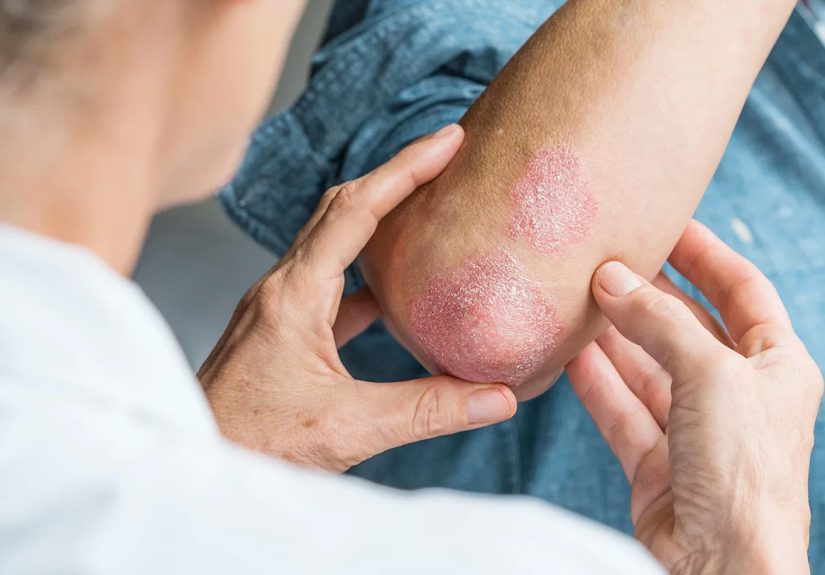
Psoriasis is often introduced as a skin condition, which is technically true in the same way a volcano is “a warm mountain.” The visible plaques, itching, flaking, and redness are only part of the story. Psoriasis is an immune-mediated inflammatory disease, and when inflammation keeps sending loud, bossy messages through the body, bones and joints may get dragged into the drama.
For some people, psoriasis remains limited mainly to the skin. For others, it can be connected with psoriatic arthritis, tendon pain, spine stiffness, joint damage, bone erosion, and possibly changes in bone density. That does not mean everyone with psoriasis will develop bone problems. It means psoriasis deserves more respect than a “just use lotion” condition. Your skin may be the billboard, but your immune system is the advertising agency.
This guide explains how psoriasis can affect bones, what warning signs to watch for, how psoriatic arthritis fits into the picture, and what daily habits may help protect long-term bone and joint health.
Psoriasis Is More Than Skin Deep
Psoriasis happens when the immune system becomes overactive and speeds up the life cycle of skin cells. Instead of shedding quietly, those cells pile up and create thick, scaly patches. The same inflammatory process that fuels plaques can also influence tissues beneath the skin, including joints, tendons, ligaments, and bones.
The key word is inflammation. Short-term inflammation is useful; it helps the body fight infections and heal injuries. Chronic inflammation is different. It is like leaving the smoke alarm blaring after the toast has already been rescued. Over time, inflammatory chemicals can affect how bone is broken down and rebuilt.
The Main Bone Connection: Psoriatic Arthritis
The most important way psoriasis can affect bones is through psoriatic arthritis, often shortened to PsA. Psoriatic arthritis is a chronic inflammatory arthritis linked to psoriasis. It can cause pain, swelling, stiffness, and tenderness in joints, and it may affect the hands, feet, knees, hips, spine, or places where tendons attach to bone.
Not everyone with psoriasis develops psoriatic arthritis, but the connection is significant enough that anyone with psoriasis should take new joint symptoms seriously. PsA can start mildly, with a finger that feels stiff in the morning or a heel that complains every time you get out of bed. But when it is untreated, inflammation may damage joints and nearby bone structures.
Common symptoms of psoriatic arthritis
- Joint pain, swelling, warmth, or tenderness
- Morning stiffness that improves after movement
- Swollen fingers or toes, sometimes called “sausage digits”
- Heel pain or pain along the bottom of the foot
- Lower back, hip, or neck stiffness
- Nail pitting, nail thickening, or separation from the nail bed
- Fatigue that feels bigger than ordinary tiredness
One tricky part is that psoriatic arthritis does not always follow a neat pattern. It may affect one knee, several fingers, the spine, or a tendon attachment. It can also come and go in flares, which makes some people wonder whether they are “imagining it.” Spoiler: joints do not usually invent swelling as a hobby.
How Inflammation Can Damage Bone
Bone is not a dead, dusty frame inside the body. It is living tissue that constantly remodels itself. Specialized cells called osteoclasts break down old bone, while osteoblasts build new bone. In a healthy system, this process works like a renovation crew with a sensible budget. In psoriatic disease, inflammatory signals may disrupt that balance.
In psoriatic arthritis, inflammation can increase bone breakdown in certain areas, leading to bone erosions. These are small areas where bone tissue has been worn away near inflamed joints. At the same time, PsA can also trigger abnormal new bone formation, such as bone spurs near tendon or ligament attachments. In other words, psoriasis-related inflammation may cause the body to remove bone in places where it should not and add bone in places where it creates pain and stiffness. Very efficient, but unfortunately not in a useful way.
Bone erosion
Bone erosion can occur when chronic inflammation attacks the lining of a joint and nearby bone. Over time, this may contribute to joint instability, pain, and reduced function. In severe cases, untreated psoriatic arthritis can lead to visible joint deformity.
New bone formation
Psoriatic arthritis is also known for new bone formation, especially near entheses, the places where tendons and ligaments attach to bone. This can create stiffness, bony growths, and pain with movement. It is one reason PsA can feel different from other types of arthritis.
Enthesitis: When Tendons Meet Bone and Start Complaining
One of the signature features of psoriatic arthritis is enthesitis. This means inflammation at an enthesis, where a tendon or ligament attaches to bone. Common trouble spots include the Achilles tendon, heel, bottom of the foot, elbows, knees, hips, and ribs.
Enthesitis can feel like a stubborn sports injury, even if the most athletic thing you did was carry groceries from the car in one heroic trip. Heel pain, tenderness near the elbow, or pain around the kneecap may be related to enthesitis, especially in someone with psoriasis.
Because enthesitis happens at the bone-tendon connection, it is a major reason psoriasis can feel like a bone problem. The pain may be sharp, deep, and movement-related. It can also be difficult to spot on a basic exam, so doctors may use ultrasound or MRI when symptoms are persistent but not obvious on X-rays.
Can Psoriasis Affect Bone Density?
Researchers are still studying the relationship between psoriasis, psoriatic arthritis, and bone mineral density. Some studies suggest that chronic inflammation may be linked with a higher risk of osteopenia, osteoporosis, or fractures, especially in people with psoriatic arthritis or severe inflammatory disease. Other studies have found mixed results, meaning the relationship is real enough to study seriously but not simple enough for a one-size-fits-all answer.
Osteopenia means bone density is lower than normal but not low enough to be called osteoporosis. Osteoporosis means bones have become weaker and more likely to fracture. These conditions are usually silent until a fracture happens, which is rude behavior from an organ system that could at least send a calendar invite.
Several factors may influence bone density in people with psoriasis or psoriatic arthritis:
- Long-term systemic inflammation
- Reduced physical activity because of pain or fatigue
- Vitamin D deficiency
- Smoking or heavy alcohol use
- Long-term use of corticosteroids in some cases
- Age, menopause, low body weight, and family history
The takeaway is not that psoriasis automatically weakens bones. The smarter takeaway is that people with psoriasis, especially those with joint symptoms, should think about bone health as part of whole-body care.
The Spine and Sacroiliac Joints
Psoriatic arthritis can affect the axial skeleton, which includes the spine and sacroiliac joints near the pelvis. This form may cause inflammatory back pain, lower back stiffness, hip discomfort, or neck stiffness. Unlike ordinary mechanical back pain, inflammatory back pain often feels worse after rest and better with gentle movement.
For example, someone may wake up stiff every morning, shuffle around like a haunted coat rack for twenty minutes, and then slowly loosen up. That pattern can be a clue. Back pain caused by posture, lifting, or muscle strain usually behaves differently. Because symptoms overlap, a rheumatologist may use a medical history, physical exam, imaging, and blood tests to sort out what is happening.
Nail Psoriasis May Signal Higher Joint Risk
Nail changes are more than a cosmetic nuisance. Pitting, thickening, ridging, discoloration, or nails lifting from the nail bed may be associated with psoriatic arthritis. This connection makes sense anatomically because the nail unit is close to the small joints and tendon attachments in the fingers and toes.
If someone has psoriasis plus nail symptoms and new joint pain, that combination deserves attention. It does not prove psoriatic arthritis, but it raises the “please get checked” flag. The flag is not subtle. It is waving enthusiastically.
Why Early Diagnosis Matters
Early treatment of psoriatic arthritis can help reduce inflammation, control symptoms, and lower the risk of lasting joint damage. This matters because bone erosion and joint changes may not fully reverse once they occur. Waiting years to mention joint pain because “it is probably nothing” can give inflammation plenty of time to redecorate your skeleton without permission.
Doctors may diagnose psoriatic arthritis by looking at symptoms, psoriasis history, nail changes, family history, physical exam findings, imaging, and blood tests that help rule out other conditions such as rheumatoid arthritis or gout. There is no single perfect test for PsA, which is why the details matter.
How Doctors May Check Bone and Joint Health
If psoriasis is accompanied by joint pain, stiffness, swelling, or tendon pain, a healthcare professional may recommend evaluation by a rheumatologist. Depending on symptoms, testing may include:
- Physical exam: checking joints, tendons, range of motion, skin, and nails
- X-rays: useful for seeing established joint damage, erosions, or new bone formation
- Ultrasound: helpful for detecting inflammation in tendons, joints, and entheses
- MRI: useful for early inflammation, spine involvement, or deep joint problems
- Blood tests: used to assess inflammation and rule out similar conditions
- Bone density scan: sometimes used when osteoporosis risk is a concern
The right tests depend on the person. A single sore knee after moving furniture is different from months of morning stiffness, nail pitting, and swollen toes. Context is the medical detective’s favorite snack.
Treatment Can Help Protect Bones and Joints
Treating psoriasis-related bone and joint issues usually means controlling inflammation. For psoriatic arthritis, treatment may include nonsteroidal anti-inflammatory drugs, conventional disease-modifying drugs, biologic therapies, targeted oral medications, physical therapy, and lifestyle changes. The best plan depends on disease severity, affected areas, other health conditions, and treatment response.
Modern psoriatic arthritis treatments can be highly effective for many people. Some target inflammatory pathways such as TNF, IL-17, IL-23, or other immune signals involved in psoriatic disease. The goal is not only to reduce pain but also to prevent progression and preserve function.
For bone density concerns, doctors may recommend calcium and vitamin D assessment, weight-bearing exercise, fall prevention, medication review, smoking cessation, and, when appropriate, osteoporosis treatment. Bone health is not built from one magic supplement. It is more like a savings account: small deposits over time, fewer withdrawals, and no letting inflammation steal the debit card.
Daily Habits That Support Bone Health With Psoriasis
1. Move in joint-friendly ways
Regular movement helps maintain bone strength, muscle support, balance, and joint mobility. Walking, swimming, cycling, yoga, resistance bands, and light strength training may be helpful. During flares, gentler activity may be better than pushing through pain like a motivational poster with bad judgment.
2. Eat for inflammation and bone strength
A balanced eating pattern rich in vegetables, fruits, whole grains, lean proteins, legumes, nuts, seeds, and fatty fish may support overall inflammatory health. Calcium-rich foods and vitamin D are important for bones. Highly processed foods, excess sugar, and heavy alcohol may work against health goals, especially when inflammation is already acting dramatic.
3. Do not ignore vitamin D
Vitamin D helps the body absorb calcium and supports bone metabolism. People with psoriasis may avoid sun exposure because plaques are uncomfortable or because treatments require caution. A clinician can check vitamin D levels and recommend safe supplementation when needed.
4. Avoid smoking
Smoking is associated with worse inflammatory disease outcomes and poorer bone health. Quitting is not easy, but it is one of the most powerful steps for long-term health.
5. Protect sleep and stress levels
Stress and poor sleep can worsen psoriasis flares for some people and make pain harder to tolerate. Relaxation routines, consistent sleep timing, therapy, breathing exercises, and realistic boundaries can help. Yes, “realistic boundaries” includes not answering work messages at midnight like a raccoon with Wi-Fi.
Warning Signs You Should Not Brush Off
People with psoriasis should speak with a healthcare professional if they notice persistent joint pain, swollen fingers or toes, heel pain, morning stiffness, new back stiffness, reduced range of motion, or nail changes. Sudden severe pain, inability to bear weight, fever with joint swelling, or signs of fracture require urgent medical attention.
The earlier psoriatic arthritis is recognized, the better the chance of protecting joints and bones. A short appointment can be much less annoying than long-term joint damage.
Experience-Based Insights: What Living With Psoriasis-Related Bone Pain Can Feel Like
People often describe psoriasis-related bone and joint symptoms as confusing before they are diagnosed. The skin symptoms are visible, so they get the attention. Joint symptoms can be easier to explain away. A stiff finger becomes “too much typing.” Heel pain becomes “bad shoes.” Lower back stiffness becomes “sleeping weird.” After a while, the excuses need their own spreadsheet.
A common experience is the slow morning start. Someone may wake up feeling as if their joints have been replaced overnight with rusty hinges. After a hot shower and some movement, things improve. That improvement with activity can be an important clue because inflammatory stiffness often loosens with gentle motion. It is not the same as soreness after a workout, where rest usually helps more.
Another experience is the unpredictable flare. One week, walking the dog feels fine. The next week, the same walk feels like a negotiation with every joint below the waist. This unpredictability can be emotionally exhausting. People may worry about canceling plans, looking unreliable, or being misunderstood because they “look fine.” Psoriasis already comes with enough social awkwardness; adding invisible joint pain is like installing a second difficulty setting.
Some people first notice symptoms in small joints. A finger may swell, rings may feel tight, or a toe may look puffy. Others feel pain at tendon attachments, especially the heel or bottom of the foot. This can make ordinary routines surprisingly difficult. Getting out of bed, climbing stairs, opening jars, chopping vegetables, or standing in line can become daily reminders that inflammation has terrible manners.
People who eventually receive a psoriatic arthritis diagnosis often say they wish they had reported symptoms earlier. Many assume joint pain must be from age, work, exercise, or old injuries. Sometimes that is true. But when joint symptoms appear alongside psoriasis, nail changes, fatigue, or morning stiffness, it is worth asking whether inflammation is part of the story.
Daily management usually becomes a mix of medical care and practical adaptation. Supportive shoes may matter. So may stretching, pacing activities, using jar openers, adjusting workouts, meal planning, tracking flares, and learning which habits make symptoms better or worse. None of these steps are glamorous. No one wins a trophy for buying ergonomic kitchen tools. But small changes can protect energy and reduce strain.
Emotionally, the biggest shift is learning not to treat symptoms as a personal failure. Psoriasis and psoriatic arthritis are immune-mediated conditions, not character defects. Needing medication, rest, or a modified exercise routine does not mean someone is weak. It means their body is running a complicated operating system and occasionally needs updates, patches, and professional tech support.
The most helpful experience-based lesson is this: take patterns seriously. One sore day may not mean much. Repeated morning stiffness, recurring heel pain, swollen digits, or joint symptoms that keep returning deserve medical attention. Bones and joints are easier to protect before major damage occurs. Listening early is not overreacting; it is maintenance.
Conclusion
Psoriasis can affect bones mainly through psoriatic arthritis, enthesitis, spine involvement, bone erosion, abnormal new bone formation, and possible changes in bone density. The risk is not the same for everyone, but the connection is important enough that joint pain in a person with psoriasis should never be ignored.
The good news is that early diagnosis and proper treatment can make a major difference. Modern therapies, movement, nutrition, vitamin D awareness, smoking cessation, and smart daily habits can all support healthier joints and bones. Psoriasis may begin on the skin, but caring for it well means looking at the whole body. Your bones may be quiet, but they are definitely part of the conversation.
Note: This article is for educational purposes only and should not replace professional medical advice. Anyone with psoriasis and new or worsening joint, tendon, back, or bone symptoms should consult a qualified healthcare professional.






 Close
Close