
Table of Contents >> Show >> Hide
- What you’ll learn
- What you need
- First, make sure you’re boiling the right kind of noodle
- How to Boil Lasagna Noodles: 9 Steps
- Step 1: Choose a pot that gives the noodles room
- Step 2: Use plenty of waterand bring it to a real rolling boil
- Step 3: Salt the water like you mean it
- Step 4: Add noodles one at a time (and don’t drop them in like playing cards)
- Step 5: Stir frequently during the first minute
- Step 6: Keep the boil steady and stir occasionally
- Step 7: Cook to just shy of al dente
- Step 8: Drain gently (and decide how you’ll stop the cooking)
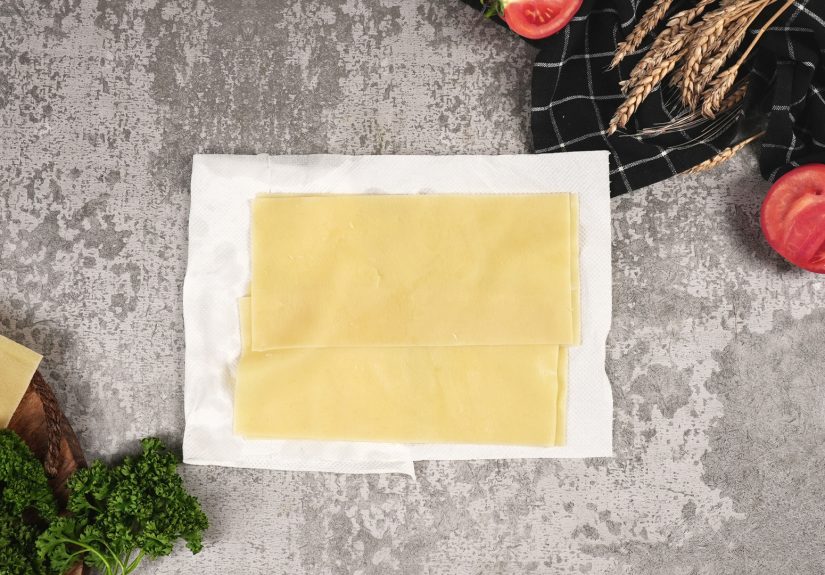
- Step 9: Lay noodles flat so they don’t fuse together
- Common problems (and how to fix them fast)
- Should you rinse lasagna noodles?
- Pro tips for perfect lasagna layers
- Two easy alternatives to boiling (for busy humans)
- FAQ: Boiling lasagna noodles
- Conclusion
- Extra: Real kitchen experiences (so you don’t repeat my mistakes)
- SEO tags (JSON)
Boiling lasagna noodles sounds like the kind of task you could do with your eyes closeduntil you open them and discover
you’ve created a single, sticky pasta duvet. The good news: you don’t need culinary magic. You need hot water, decent timing,
and a couple of small habits that keep the noodles separate, flexible, and perfectly al dente.
This guide walks you through exactly how to boil lasagna noodles in 9 practical steps, plus troubleshooting,
pro layering tips, and a few “been there” kitchen lessons so you don’t have to learn the hard way (again).
What you need
Keep it simple. The goal is controlled cooking and easy handling.
- Lasagna noodles (regular dried sheets, not oven-ready unless the box says to boil)
- Large pot (bigger than you thinkcrowding makes sticking worse)
- Lots of water (enough for the sheets to move freely)
- Salt (yes, it matters)
- Tongs or a spider strainer (for lifting sheets gently)
- Timer (your phone counts)
- Colander
- Sheet pan (or two) lined with parchment
- Optional: cooking spray or a tiny bit of oil for the sheet pan (not the water)
- Optional: a large bowl of cool water if you need to stop cooking fast
First, make sure you’re boiling the right kind of noodle
Not all lasagna noodles are meant to be boiled the same way. Before you fire up the stove, check the box:
-
Regular dried lasagna noodles: These are the classic. They typically need boiling (or at least softening)
before layering. -
Oven-ready / no-boil noodles: Designed to cook in the oven as the sauce hydrates them. Boiling can turn them
into fragile, gummy slips of regret. -
Fresh lasagna sheets: Cook fast (sometimes seconds to a couple minutes), and some don’t require boiling at all,
depending on thickness.
If you’re unsure, follow package directions. This article focuses on the most common scenario: boiling regular dried
lasagna noodles so they’re flexible, not mushy, and ready to layer.
How to Boil Lasagna Noodles: 9 Steps
The secret isn’t a secret: prevent sticking early, stop overcooking, and keep the noodles separated after draining.
Here’s the play-by-play.
-
Step 1: Choose a pot that gives the noodles room
Lasagna sheets are wide and awkward. A tall, narrow pot makes them fold, clump, and slap each other like wet envelopes.
Use a large pot so the noodles can move and stay separated. -
Step 2: Use plenty of waterand bring it to a real rolling boil
More water dilutes released starch and gives the sheets space. Wait for a rolling boil (not “steamy with a few bubbles”).
If you add noodles too early, they sit, soften unevenly, and glue themselves together. -
Step 3: Salt the water like you mean it
Salt is your only chance to season the pasta itself. The goal is pleasantly brinynot ocean water, not sad bathwater.
Add salt once the water is boiling so it dissolves quickly.Practical rule: If your sauce is flavorful, moderately salted water is enough. If your sauce is mild,
salt a little more so the noodles don’t taste like cardboard shingles. -
Step 4: Add noodles one at a time (and don’t drop them in like playing cards)
Slide in each sheet gently. If you dump them in a stack, they’ll stick before you can say “Why is this happening to me?”
Add a few, stir, add a few more, stir again. -
Step 5: Stir frequently during the first minute
The first 60 seconds are the danger zone. That’s when surface starch starts releasing and the noodles are most likely to bond.
Stir and separate sheets with tongs or a spoon, especially right after adding them. -
Step 6: Keep the boil steady and stir occasionally
You want an active simmer/boilenough movement to keep noodles from settling into a clump. Stir every so often,
especially if you’re cooking a full box.Don’t add oil to the water. It mostly floats on top and doesn’t reliably prevent sticking. Plus, oil can make
sauce slide off noodles later (lasagna should be cozy, not slippery). -
Step 7: Cook to just shy of al dente
Most dried lasagna noodles cook in roughly 8–10 minutes, but thickness varies by brand. Start checking early:
taste a corner. You want the sheet pliable with a slight bitenot crunchy, not floppy like a wet paper towel.Lasagna-specific tip: If the noodles will bake in the oven, pull them about 1–2 minutes early.
They’ll finish cooking as the lasagna bakes, which helps prevent a mushy final slice. -
Step 8: Drain gently (and decide how you’ll stop the cooking)
Drain in a colander carefully so you don’t tear the sheets. At this point you have two good options:
- Assemble soon: Drain well and move directly to the “lay flat” step below.
-
Not assembling right away: A quick dip in cool water can stop carryover cooking and reduce sticking.
(You’re not trying to wash away everythingjust cool them down.)
-
Step 9: Lay noodles flat so they don’t fuse together
The #1 mistake after boiling is dumping noodles in a pile and hoping for the best. Don’t.
Lay sheets in a single layer on parchment-lined sheet pans. If you must overlap, do it slightly and rotate directions.If you’re building later, a light mist of cooking spray on the parchment (or the pan) can help the noodles release.
Keep it minimalthis is lasagna, not an oil slick.
Common problems (and how to fix them fast)
Problem: The noodles stick together in the pot
- Cause: Not enough water, water wasn’t boiling, or not enough stirring early.
- Fix: Bring back to a steady boil and separate sheets with tongs immediately. Stir more during the first minute next time.
Problem: The noodles tear or break
- Cause: Boiling too aggressively in a cramped pot, or overcooking until fragile.
- Fix: Use a bigger pot, handle with tongs, and start checking doneness earlier.
Problem: The lasagna turns out gummy or mushy
- Cause: Noodles fully cooked before baking (then cooked again in the oven).
- Fix: Pull noodles 1–2 minutes early, and let the bake finish the job.
Problem: Noodles stick together after draining
- Cause: They were piled up hot and wet (a.k.a. pasta stacking Jenga).
- Fix: Lay flat on parchment immediately. If they’ve already stuck, dunk briefly in warm water and gently separate.
Should you rinse lasagna noodles?
You’ll hear a strong “never rinse pasta!” ruleand it’s mostly true when you want sauce to cling to noodles. Rinsing removes
surface starch, which helps sauces stick and emulsify. That’s why many pasta pros avoid it.
But lasagna is a little different: the noodles are layered with sauce and cheese, not tossed in a pan sauce. If you’re worried about
sticking or overcooking, a brief cool-water rinse or dip can be usefulespecially if you won’t assemble immediately.
The key is moderation: cool the noodles, don’t blast them for a full minute like you’re pressure-washing a driveway.
Best compromise: Drain well, then lay flat. Use a bowl of cool water only if you need to stop cooking fast or you’re waiting to assemble.
Pro tips for perfect lasagna layers
Undercook slightly if baking
Lasagna noodles keep cooking in the oven. Pulling them a little early helps the final bake land at tender-but-structured,
so your slices don’t slump.
Keep noodles covered if you’re waiting
If noodles are laid out and you’re still finishing sauce, cover them with a lightly damp towel to prevent drying and cracking.
Dried edges can become tough in the bake.
Start your lasagna with sauce
Always put a thin layer of sauce in the bottom of the pan before the first noodle layer. It prevents sticking and helps the
first layer hydrate evenly.
Don’t be afraid to trim
If noodles are a little long for your pan, trimming is better than folding thick layers that cook unevenly. Save scraps to patch gaps.
Lasagna is not a geometry exam.
Two easy alternatives to boiling (for busy humans)
1) Hot-water soak “softening” method
If boiling feels like a whole side quest, you can soften regular noodles by soaking them in very hot water until flexible,
then layer and bake. This reduces breakage and frees up stovetop space. It works best when your sauce is loose enough to finish
hydrating the noodles in the oven.
2) Use oven-ready (no-boil) noodles correctly
Oven-ready noodles are designed to hydrate from sauce. The trick is making sure there’s enough moisture and that the noodles are fully covered.
If your sauce is thick, add a splash of water or extra sauce so the noodles don’t bake up dry at the edges.
FAQ: Boiling lasagna noodles
How long do you boil lasagna noodles?
Many regular dried lasagna noodles cook in about 8–10 minutes, but always check your package and start testing early.
If baking afterward, aim a little under al dente.
Do I need to add oil to pasta water to prevent sticking?
No. Stirring early and using enough water works better. Oil can also make sauce cling less later. Save oil for flavoring, not for “fixing” physics.
Can I boil noodles ahead of time?
Yesjust lay them flat so they don’t fuse. If making far ahead, keep them lightly covered and avoid letting them dry out.
If they stick, a quick dip in warm water helps separate them gently.
What if my noodles are still a bit stiff when I assemble?
Slight stiffness is okay if you’re baking with plenty of sauce. The oven time and moisture will finish the cooking.
Just don’t start with crunchy sheets unless you’re using a method specifically designed for that.
What’s the biggest mistake people make?
Not laying noodles flat after draining. A hot pile turns into a single mega-noodle. Which is funny once. Then it’s just annoying.
Conclusion
Boiling lasagna noodles isn’t hardit’s just oddly specific. Use a big pot, wait for a rolling boil, salt the water, stir early,
and cook to just shy of al dente if you’re baking. Then lay the noodles flat like you’re tucking them in for a nap.
Do that, and your lasagna layers will be neat, tender, and sliceableno pasta wrestling match required.
Extra: Real kitchen experiences (so you don’t repeat my mistakes)
The first time I tried to “save time” boiling lasagna noodles, I treated them like spaghetti: tossed them in, walked away,
and came back to what can only be described as a pasta group hug. The top sheets looked fine. Underneath? A welded mat of noodles
that required negotiation, patience, and possibly legal counsel. The lesson: lasagna noodles demand attention for the first minute.
Stir early, separate sheets, and you’ll avoid the Great Noodle Merger.
Another classic misstep: cooking the noodles perfectly al dente… and then forgetting they’re about to spend 40–60 minutes in a hot oven
surrounded by steamy sauce. That’s how you end up with a lasagna that tastes great but cuts like oatmeal. Now I treat the boil like a head start,
not the finish line. I pull noodles a minute or two early, especially if my sauce is on the thinner side and likely to bubble enthusiastically.
The bake completes the texture, and the slices stay upright instead of sliding into a delicious landslide.
I’ve also learned that “don’t rinse pasta” is wise advice… right up until you’re trying to build lasagna while also answering texts, grating cheese,
and pretending you didn’t just splash sauce on your shirt. If I’m assembling immediately, I skip rinsing and lay the noodles flat on parchment.
But if dinner prep gets chaotic and the noodles are waiting, a quick cool-water dip can prevent them from overcooking and sticking. The trick is not
to overdo itthink “cool down,” not “car wash.” Lasagna doesn’t rely on surface starch the same way a tossed pasta does, because the sauce and cheese
do the binding in layers.
One surprisingly helpful habit: staging the noodles like ingredients, not like an afterthought. I set up two sheet pans with parchment before I even
boil the water. When the noodles are done, they go straight onto the pans in a single layer. This keeps them workable and prevents tearing.
If I’m doing a big batch, I’ll cook in smaller rounds so the water stays hot and the pot doesn’t become a crowded hot tub of starch.
It also reduces breakagebecause fishing out one noodle from a pot full of tangled sheets is how noodles die.
Finally, I’ve made peace with the fact that lasagna is a “systems” food. When the sauce is ready, the noodles should be ready.
When the noodles are ready, the pan should be ready. If you line up those dominoes, everything feels easy. If you don’t,
you’ll be holding floppy noodles in one hand while trying to open ricotta with the other, wondering if it’s too late to order pizza.
(It’s never too late. But it’s also totally fixableespecially with the 9 steps above.)





 Close
Close