
Table of Contents >> Show >> Hide
- Why Build a Pallet Dolly?
- What You’ll Need
- Start With the Right Pallet
- How to Choose the Right Casters
- Step-by-Step: How to Build the Pallet Dolly
- Optional Upgrades That Make It Better
- Mistakes to Avoid
- Where a Pallet Dolly Works Best
- A Practical Build Example
- Experience: What Building and Using a Pallet Dolly Teaches You
- Conclusion
A pallet dolly is one of those gloriously simple workshop builds that makes you wonder why you spent so long dragging heavy stuff around like a medieval villager. Take an old pallet, add reinforcement where it matters, bolt on sturdy casters, and suddenly lumber, sheet goods, toolboxes, planters, storage bins, and even that suspiciously heavy “temporary” pile in the corner become much easier to move.
The beauty of this project is that it’s practical, cheap, and forgiving. You do not need a cabinetmaker’s ego, a wall of premium tools, or a sacred moon phase to build one. You need a solid pallet, decent wheels, basic fasteners, and enough common sense to avoid using the sketchiest pallet on earth. Done right, a pallet dolly becomes a low-cost rolling platform that saves your back, speeds up cleanup, and makes your shop feel a whole lot smarter.
Why Build a Pallet Dolly?
The short answer: mobility. The longer answer: mobility makes everything in a workshop, garage, shed, or backyard easier. A pallet dolly turns a fixed load into a rolling load, which means fewer awkward lifts, fewer multi-trip hauling sessions, and less chance of twisting yourself into a human pretzel carrying lumber from point A to point B.
It is especially useful for moving long boards, stacked cutoffs, bags of soil, bins of tools, seasonal decorations, and bulky supplies. If your space serves multiple purposes, a rolling platform also helps you reclaim square footage fast. Load it, move it, park it, and suddenly your floor works harder than your coffee.
What You’ll Need
- One sturdy wood pallet in good condition
- Four heavy-duty plate-mount casters
- Reinforcement blocking made from 2×4 scrap or similar stock
- Construction screws or lag screws with washers
- Drill/driver and drill bits
- Measuring tape and pencil
- Pry bar and hammer for minor pallet cleanup
- Sander or sanding block
- Safety glasses and work gloves
- Optional: exterior paint, polyurethane, plywood top, tie-down points, rope handles
For most DIY pallet dollies, the real stars of the show are the casters and the reinforcement blocks. The pallet gives you the platform, but the wheels determine how well the thing actually behaves. Bad casters make a dolly feel like a shopping cart with trust issues. Good casters make it glide.
Start With the Right Pallet
Not every pallet deserves a second career. Some are sturdy and dry with solid deck boards and decent stringers. Others look like they survived a bar fight behind a warehouse. Choose wisely.
Look for a pallet that sits flat and has no major cracks, rotten sections, loose deck boards, or protruding nails. Skip anything with oil stains, chemical odors, mold, excessive splintering, or broken structural members. A pallet dolly is only as reliable as the base under the load, so do not build your mobility platform on a tiny wooden tragedy.
Before you buy hardware, think about what you plan to move. If the dolly will mostly haul lumber, tools, and storage bins across a garage floor, a standard sturdy pallet is usually enough with added blocking. If you want to move extremely heavy or awkward loads, choose the strongest pallet you can find and reinforce it aggressively.
How to Choose the Right Casters
This is where the project goes from “cute idea” to “actually useful.” Four corners, four casters, done? Technically yes. But the details matter.
Plate-Mount vs. Stem-Mount
For a pallet dolly, plate-mount casters are the best choice nearly every time. They spread the load over a wider mounting area, are easier to fasten securely to wood, and are generally better suited for shop carts and heavy-duty platforms. Stem casters are better for lighter furniture and legs, not rough-and-ready pallet builds.
Swivel vs. Rigid
If you need maximum maneuverability in a tight garage or crowded shop, four swivel casters are hard to beat. The dolly can pivot, crab-walk, and snake around obstacles with less drama. If your path is mostly straight and you want better tracking over longer distances, a mix of two rigid and two swivel casters can work well. For most small-space DIY users, all-swivel is the easiest setup.
Wheel Size
Larger wheels generally roll more smoothly over cracks, cords, small debris, and threshold transitions. Smaller wheels keep the platform lower to the ground, which can improve stability and make loading easier. A good home-shop sweet spot is often around 4 inches, especially for indoor use on reasonably smooth surfaces. For rougher terrain, larger wheels are the better bet.
Wheel Material
Harder wheels can carry weight efficiently on smooth floors, but softer or non-marring materials are often kinder to finished surfaces and quieter in use. If the dolly will live on concrete, garage flooring, or shop floors, pick a wheel material that matches the surface and won’t leave marks or fight every bump like it’s personally offended.
Load Rating
Add up the weight of the pallet itself plus the heaviest load you realistically expect to move. Then choose casters with a combined capacity that exceeds that total with room to spare. Do not design right at the edge of the rating. That is how DIY projects turn into cautionary tales.
Step-by-Step: How to Build the Pallet Dolly
Step 1: Clean and Inspect the Pallet
Brush off dirt and debris. Pull stray nails, hammer down anything proud, and sand rough edges or splintery spots. You do not need furniture-grade perfection, but you do want a pallet that won’t snag gloves, scratch floors, or slice your hand open when you grab it in a hurry.
Step 2: Reinforce the Weak Areas
This is the part many people skip until the first saggy test roll. Don’t be that person. Flip the pallet over and add reinforcement blocking near the corners where the casters will mount. Use solid wood blocks or short sections of 2×4 fastened tightly to the underside. The goal is to create a thicker, stronger base so the caster screws or bolts are anchored into more than thin pallet boards.
If the pallet has any flex in the middle, consider adding a cross brace or extra blocking there too. Loads do not politely stay centered all the time, and your dolly should be built for real life, not ideal life.
Step 3: Mark Caster Locations
Set the casters near the corners, but do not mount them so close to the edge that the hardware risks splitting the wood. Mark each mounting plate carefully and make sure the wheels will spin freely without rubbing against blocks, deck boards, or protruding fasteners.
If you are using swivel casters with locks, think about access before you drill. A brake that ends up tucked where your foot can’t reach is less a safety feature and more a decorative suggestion.
Step 4: Pre-Drill the Holes
Pre-drilling helps prevent splitting and makes installation more accurate. Line up each caster plate, drill pilot holes, and double-check the fit. This takes a few extra minutes, but it is far better than discovering halfway through installation that one caster is mounted at a jaunty, confidence-destroying angle.
Step 5: Fasten the Casters
Attach each caster securely using heavy screws or bolts with washers. Tighten everything firmly, but do not overdrive the hardware into soft wood. The caster plate should sit flat and solid against the pallet base with no rocking or gaps.
Once all four casters are installed, flip the pallet upright and test roll it empty. If it wobbles, drifts oddly, or one wheel seems lazy, correct the issue now. It is much easier to fix alignment before the dolly is loaded with 300 pounds of “I’ll deal with this later.”
Step 6: Test It Like You Mean It
Start with a moderate load and move the dolly across the surfaces where it will actually be used. Test straight runs, turns, stop-and-start movement, and any transitions such as door thresholds. Watch for flexing, shifting casters, or unstable loads. Better to discover a weak point during a calm test than during a heroic but poorly planned haul.
Optional Upgrades That Make It Better
Add a Plywood Top
If the gaps in the pallet deck annoy you, screw a sheet of plywood over the top. This creates a flatter surface for bins, smaller tools, and awkward loads. It also makes the dolly feel more finished and versatile.
Install Side Rails
Low side rails or removable end stops can keep lumber, boxes, or buckets from sliding off during movement. They are especially helpful if your route includes slopes, rough surfaces, or the occasional sharp turn inspired by overconfidence.
Use Locking Casters
If the dolly will double as a temporary storage platform, locking casters are worth it. They keep the platform from wandering when parked and make loading safer.
Add Pull Handles or Rope Loops
A pair of cutout handles or heavy rope loops makes the dolly easier to reposition. Just keep them low-profile so they do not become trip hazards or snag points.
Seal or Paint the Wood
A finish is not required, but it helps if the dolly will live in a damp garage or outdoor shed. Paint also makes it easier to spot cracks, dirt buildup, and loose hardware over time.
Mistakes to Avoid
- Using a damaged pallet and hoping reinforcement will solve everything
- Buying under-rated casters because they were cheaper
- Skipping reinforcement blocks under the caster plates
- Ignoring the route the dolly will travel, especially thresholds and rough ground
- Loading the platform top-heavy so it becomes tippy during turns
- Forgetting to inspect screws, wheels, and mounting plates after repeated use
The most common failure points on DIY dollies are not glamorous. They are loose fasteners, overloaded wheels, weak mounting points, and bad load balance. In other words, the boring stuff. Respect the boring stuff and your dolly will reward you with years of loyal rolling service.
Where a Pallet Dolly Works Best
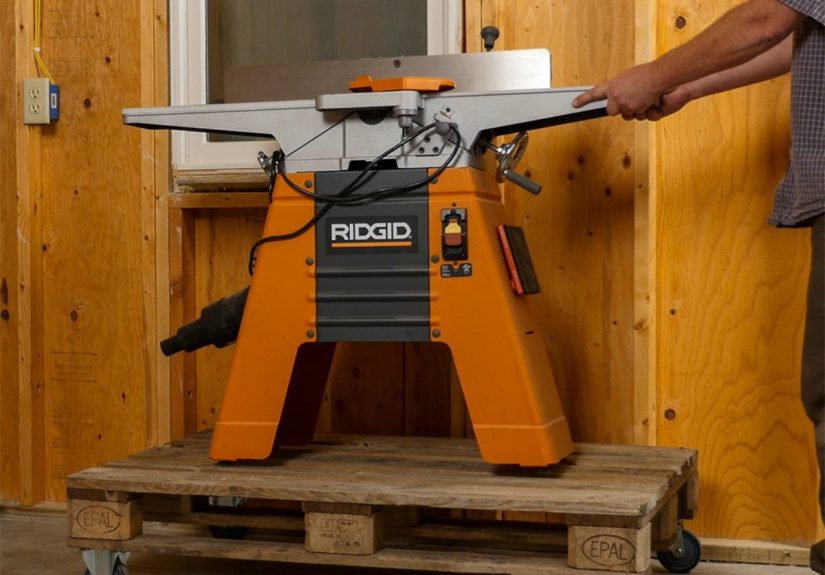
This project shines in garages, workshops, sheds, small warehouses, backyard work areas, and renovation zones. It is especially good for moving long boards, power tools, boxed supplies, bags of mulch or soil, shop vacs, and medium-sized machinery that needs mobility but not a fancy custom base.
It can also serve as a temporary staging platform during cleanouts, remodels, and seasonal reorganizing. Need to move everything from one wall so you can paint? Dolly. Need to haul a pile of lumber from the driveway to the saw station? Dolly. Need to feel absurdly pleased with a scrap-wood project that actually improves daily life? Definitely dolly.
A Practical Build Example
Say you have a garage workshop and constantly move stacks of 2x4s, plywood offcuts, and tool cases. A reinforced pallet with four sturdy plate-mount swivel casters and a plywood top gives you a flat, strong rolling base. Add two locking casters on one side and a pair of simple end stops, and you now have a mobile lumber platform that can park neatly against a wall when not in use.
That kind of build is not flashy, but it solves a real problem. It reduces lifting, shortens cleanup time, and keeps materials organized. Sometimes the best shop upgrades are not the ones with glossy marketing photos. Sometimes they are the rough, ugly, competent ones that quietly save your back every Saturday.
Experience: What Building and Using a Pallet Dolly Teaches You
The funny thing about a pallet dolly is that it looks like a throwaway project right up until you use it for a week. Then it starts to feel like one of the most valuable things in the shop. Not because it is beautiful, and certainly not because anyone will write poems about its elegant joinery, but because it earns its keep immediately.
The first lesson most people learn is that movement is a form of organization. Before the dolly, materials pile up wherever gravity and exhaustion decide they belong. After the dolly, you can group things, stage projects, and shift clutter without turning every cleanup session into a deadlift competition. The difference is not just convenience; it changes how you use the whole space.
The second lesson is that wheels expose your mistakes fast. If the pallet is weak, you will feel flex. If the hardware is loose, you will hear it. If the load is unbalanced, the dolly will tell on you immediately. That is actually a gift. A project like this teaches you to think structurally: where the weight sits, how forces transfer into the frame, and why “good enough” hardware sometimes turns out to be “not even close.”
There is also a sneaky lesson in restraint. Once the dolly is built, the temptation is to load it with everything short of a compact car. That is when the smart builder learns that capacity is not just about whether the platform can hold the weight in theory. It is also about stability, floor conditions, turning space, and the simple question of whether you can control the load safely. A well-built dolly makes heavy work easier, but it does not cancel physics. Sadly, physics remains undefeated.
Another thing you notice over time is how small upgrades matter. Locking casters seem optional until you park the dolly on a slight slope. A plywood top seems unnecessary until a toolbox foot drops neatly into a pallet gap. A quick pass with sandpaper feels cosmetic until you stop getting snagged by rough edges. The project teaches you that durability is rarely one dramatic choice; it is usually the result of several sensible ones stacked together.
And maybe the best part is that this build encourages reuse without feeling flimsy or performative. You are taking a basic shipping pallet, giving it reinforcement and better hardware, and turning it into a tool that solves a real problem. That is the sweet spot of DIY: less waste, more usefulness, and no fake rustic speech required.
Over time, a pallet dolly becomes one of those shop helpers you stop noticing because it is always there when needed. It hauls, stages, stores, and occasionally rescues you from a truly dumb lifting idea. That is a strong return on a small project. Not bad for a humble pallet with a second chance and four decent wheels.
Conclusion
Building a pallet dolly is not complicated, but building a good one means paying attention to the details that matter: a sound pallet, solid reinforcement, properly rated plate-mount casters, secure hardware, and realistic load expectations. Get those right and you end up with a rugged DIY shop cart that punches far above its price tag.
It is one of the rare weekend projects that pays you back immediately. Your lumber moves easier. Your tools stay mobile. Your back files fewer complaints. And your workshop starts behaving like a smarter space instead of a stubborn one. That is the kind of DIY win worth rolling with.







 Close
Close