
Table of Contents >> Show >> Hide
- Climbers vs. Ramblers: Know What You’re Growing (Before You Start Snipping)
- Pick the Right Rose for the Right Job
- Where to Plant Climbing Roses for Maximum Blooms
- Support Structures: The Rose Gym Equipment That Prevents Chaos
- Watering: Deep, Consistent, and Mostly Boring (Which Is Good)
- Feeding Climbing Roses: Yes, They’re HungryNo, They Don’t Need Dessert All Year
- Training: The Secret Sauce for More Blooms (Go Sideways, Not Straight Up)
- Pruning Climbing Roses: Less Buzzcut, More Strategy
- Deadheading and Summer Touch-Ups: Keep It Blooming, Keep It Tidy
- Mulch and Weed Control: The Quiet Work That Pays Off Loudly
- Pests and Diseases: A Calm, Practical Game Plan
- Winter Care: Help Your Climber Sleep, Not Struggle
- Quick Troubleshooting: What Your Climbing Rose Might Be Telling You
- Real-World Experiences With Climbing Roses (The “Wish I Knew That” Section)
- Final Thoughts
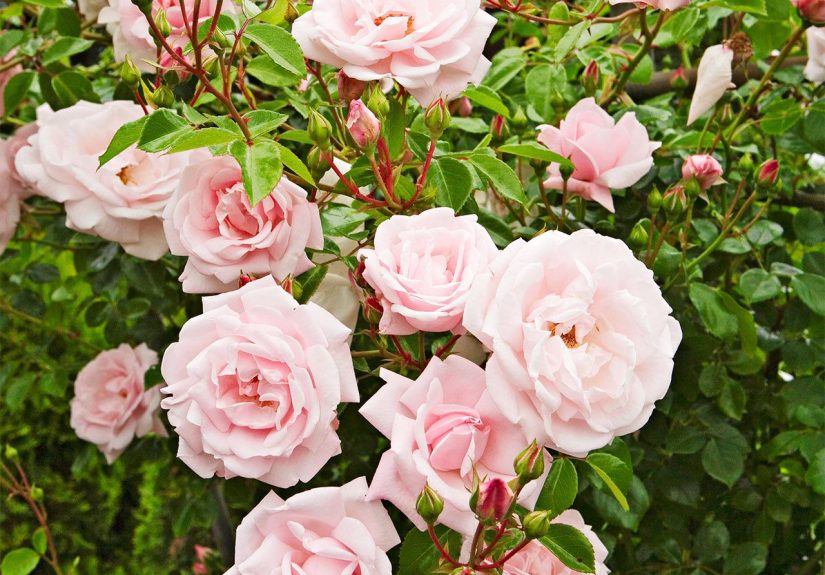
Climbing roses are the garden’s overachievers: they don’t just bloom, they perform. Give them a trellis, fence, arbor, or a set of wires on a wall, and they’ll turn vertical space into a curtain of color and fragrance. But here’s the twist: climbing roses don’t naturally “cling” like ivy. They grow long canes that need your help to be positioned, supported, and (gently) persuaded into blooming their best.
The good news? Once you understand the big threesun + soil + trainingclimbing rose care becomes a satisfying routine, not a mysterious thorny ordeal. This guide covers planting, watering, feeding, training, pruning, and practical pest/disease prevention, plus a final section of real-world lessons gardeners learn the hard way (so you don’t have to).
Climbers vs. Ramblers: Know What You’re Growing (Before You Start Snipping)
“Climbing rose” is sometimes used as a catch-all, but timing matters. Many repeat-blooming climbers flower in flushes through the season and are often pruned in late winter/early spring. Many ramblers bloom once (usually in early summer) on older wood and are typically pruned after they finish flowering. If you prune a once-bloomer at the wrong time, you can remove the very wood that would have carried next season’s show.
Quick clue
- Repeat-blooming climber: blooms on laterals along established canes; usually spring pruning.
- Once-blooming rambler: big early-summer burst; usually prune right after bloom.
Pick the Right Rose for the Right Job
Climbing roses can grow large, fast, and impressively… opinionated. Start by matching the rose to your space and conditions rather than trying to “discipline” a variety that wants to be 20 feet tall into behaving like a polite 6-foot shrub.
What to look for in a climbing rose
- Mature size: Height and spread should fit your support and the footprint you can realistically maintain.
- Bloom habit: Repeat-blooming climbers are great for long seasons of color; once-bloomers can be jaw-dropping for a few weeks.
- Disease resistance: In humid or rainy climates, black spot resistance is a love language.
- Hardiness: Choose a variety that can handle your winter lows and summer highs.
A practical tip: if you’re new to roses, consider starting with a disease-resistant climber. You’ll spend more time enjoying blooms and less time playing “What is this spot?” detective.
Where to Plant Climbing Roses for Maximum Blooms
The easiest climbing rose to care for is the one planted in a spot it actually likes. Roses are famously sun-hungry, and climbers are no exception.
Site requirements that make (or break) success
- Sun: Aim for at least 6 hours of direct sun dailymore is often better for bloom and disease prevention.
- Airflow: Good circulation helps leaves dry faster, reducing fungal disease pressure.
- Drainage: Roses dislike “wet feet.” If water puddles after rain, improve drainage or plant on a raised berm.
- Competition: Keep roses away from aggressive tree roots and thirsty shrubs that steal water and nutrients.
Planting basics (without turning it into a novel)
Improve the soil with compost, plant at the right depth for your region and rose type, water thoroughly to settle soil around roots, and mulch to moderate moisture and temperature. If you’re planting near a wall, leave a little space so air can move and you can access the plant for training and pruning.
Support Structures: The Rose Gym Equipment That Prevents Chaos
Climbing roses don’t wrap or cling on their own. They need you to tie canes onto a sturdy structure. The support should be installed before (or at planting time) so you’re not trying to wrestle a mature, thorny vine while balancing a drill.
Good support options
- Trellis: Great for fences, privacy screens, and decorative backdrops.
- Arbor/pergola: The “storybook entrance” option (with occasional pruning reality checks).
- Wires on a wall: Excellent for training canes in a fan patternjust keep wires slightly off the wall for airflow and access.
- Fence panels: Solid choice, but plan for training and tie points.
Use soft ties (fabric ties, stretchy garden tape, or purpose-made plant ties). Avoid anything thin that can girdle canes as they thickenyour rose should not be slowly strangled by something that looked “convenient” in April.
Watering: Deep, Consistent, and Mostly Boring (Which Is Good)
The goal is deep moisture that encourages strong roots, not frequent shallow sprinkles. Most established roses do well with roughly 1–2 inches of water per week (including rainfall), adjusted for heat, wind, sandy soil, and container growing.
Watering do’s
- Water at the soil line when possible to keep foliage drier and reduce disease risk.
- Water in the morning so any splashed leaves dry quickly.
- Soak slowly to reach deeper rootsdrip irrigation or a soaker hose works well.
Watering don’ts
- Don’t let roses swing wildly between bone-dry and swampy.
- Don’t assume a quick surface splash helps during heat waves (it mostly doesn’t).
Feeding Climbing Roses: Yes, They’re HungryNo, They Don’t Need Dessert All Year
Roses are vigorous plants that reward consistent feeding, especially repeat bloomers. A balanced approach beats “more fertilizer” every time.
A simple fertilizing rhythm
- Start in spring once the risk of hard freezes has passed and growth is underway.
- Feed every 4–6 weeks during active growth for many repeat bloomers (follow label directions for your product).
- Stop in late summer (often 6–8 weeks before your expected first frost) to avoid tender growth that won’t harden off.
Compost and organic mulches support soil health over time. If you use granular fertilizer, apply around the plant’s drip line and water in. If you use liquid feeds, follow dilution instructions carefully“extra strong” is how roots learn trust issues.
Training: The Secret Sauce for More Blooms (Go Sideways, Not Straight Up)
Here’s the climbing-rose trick that feels like cheating: more horizontal cane placement usually means more flowering laterals.
When canes are trained more horizontally (or fanned out), the plant tends to produce more side shoots along the canethose side shoots are where many blooms happen.
How to train climbing roses step-by-step
- Start early while canes are young and flexible.
- Choose a few strong main canes and guide them onto your support.
- Fan canes outward rather than stacking them in one vertical bundle.
- Bend graduallydon’t force a stiff cane into a hard angle in one afternoon.
- Tie loosely with soft material, leaving room for cane thickening.
- Fill gaps over time with newer canes that emerge from the base.
In the first couple of years, think “training and patience” more than “major pruning.” Your mission is to build a framework of healthy canes positioned well on the support.
Pruning Climbing Roses: Less Buzzcut, More Strategy
Pruning is where many gardeners panic, apologize to the rose, and then either do nothing or do everything. Let’s avoid both. Climbing rose pruning is usually about:
removing old or damaged canes, encouraging new canes, and shortening lateral shoots to stimulate flowering.
When to prune
- Repeat-blooming climbers: prune in late winter/early spring while dormant or just as growth begins.
- Once-blooming ramblers/climbers: prune right after flowering so you don’t remove next year’s bloom wood.
What to prune (the practical checklist)
- Dead, diseased, or winter-damaged wood: remove anytime you see it.
- Oldest canes: over time, remove the oldest, least productive canes near the base to make room for vigorous new canes.
- Crossing/rubbing canes: reduce tangles that create wounds and invite disease.
- Flowering laterals: shorten side shoots (often to a few buds or several inches) to promote strong flowering stems.
How to make good cuts
- Use sharp, clean pruners.
- Cut about ¼ inch above a bud on a slight angle so water sheds.
- Remove thin, weak growth that will never support great blooms.
If you only remember one thing: with climbers, the main canes are your structure. You don’t usually chop them down annually like shrub roses. You keep and position them, then prune the side shoots for bloom power.
Deadheading and Summer Touch-Ups: Keep It Blooming, Keep It Tidy
For repeat-blooming climbers, deadheading (removing spent flowers) can encourage more blooms and keeps the plant looking fresher. Snip back to a strong leaf set when flowers fade.
During the growing season, it’s also fine to do light grooming:
- Remove spent clusters.
- Trim a wild shoot that’s trying to colonize your gutter.
- Retie canes as they grow so wind doesn’t snap them.
Mulch and Weed Control: The Quiet Work That Pays Off Loudly
A 2–3 inch layer of organic mulch helps conserve moisture, suppress weeds, and buffer soil temperature swings. Keep mulch a little away from the crown/base to discourage rot and pests hiding right against the stems.
Bonus: reducing dust and drought stress can also help discourage spider mites, which love hot, dry, stressed plants.
Pests and Diseases: A Calm, Practical Game Plan
The best rose care is preventative. You don’t need to hover over your climber with a magnifying glassjust check it regularly and respond early.
Fungal diseases (like black spot and powdery mildew)
- Start with culture: plenty of sun, good spacing, and airflow.
- Water at the base: wet leaves (especially overnight) can increase fungal pressure.
- Clean up: remove infected leaves and fallen debris to reduce reinfection.
- If needed: use labeled products responsibly and follow local guidanceprevention is easier than chasing a full outbreak.
Common insect pests (and what to do first)
- Aphids: blast them off with a strong stream of water; encourage beneficial insects.
- Spider mites: reduce plant stress, wash leaves, and target undersides; soaps/oils can help if needed.
- Japanese beetles: handpick and drop into soapy water (morning or evening is often easiest).
- Thrips: more common in blooms; reduce stress and avoid over-fertilizing with high nitrogen.
A solid Integrated Pest Management (IPM) mindset is simple: monitor, use low-impact methods first, protect beneficials, and escalate only when damage justifies it.
Winter Care: Help Your Climber Sleep, Not Struggle
Winter care depends on climate, but a few principles apply widely:
- Stop fertilizing in late summer so growth can harden off.
- Water during dry spells, even in cooler months, so plants don’t desiccate.
- Secure long canes to prevent wind whip and breakage.
- Mulch more deeply in colder regions to protect roots and stabilize soil temperatures.
In very cold areas, gardeners may protect the base/graft union with extra mulch or soil and may take additional winterizing steps. The key is avoiding late-season stimulation that invites tender growth right before cold hits.
Quick Troubleshooting: What Your Climbing Rose Might Be Telling You
- Tons of leaves, few blooms: not enough sun, too much nitrogen, or canes trained too vertically.
- Yellowing leaves: watering stress, nutrient imbalance, or diseaselook for spotting patterns and check soil moisture.
- Black spots + leaf drop: likely black spot pressure; improve airflow, clean up debris, avoid wet foliage.
- New canes snapping in wind: retie and add support points; don’t let long canes whip around.
- Dieback on cane tips: prune back to healthy tissue and sanitize pruners.
Real-World Experiences With Climbing Roses (The “Wish I Knew That” Section)
Gardeners rarely regret planting a climbing rosewhat they regret is where they planted it, what they attached it to, and when they finally admitted it needed training. The most common learning curve is realizing that a climber isn’t a “set it and forget it” shrub. It’s more like adopting a very talented puppy that can paint murals… if you give it a canvas and teach it where the walls are.
One of the biggest “aha” moments people report is the power of horizontal training. Many gardeners initially let a climber shoot straight up because it feels natural: tall plant goes up, right? Then they wonder why the blooms cluster at the top while the lower eight feet look like green curtains. Once they start fanning canes and tying them more sideways, they often notice flowering improves along the length of the plant. The rose didn’t suddenly become “better.” It just finally got positioned in a way that encourages lateral shootsand those laterals are bloom factories.
Another common experience: underestimating the support. A cute little trellis can look perfectly reasonable next to a newly planted rose… for about six weeks. Then the canes thicken, the plant gains weight, and suddenly the trellis starts leaning like it’s trying to exit the conversation. Gardeners who upgrade to sturdier structuresstronger trellises, fence panels, or properly anchored wiresoften describe an immediate drop in frustration because tying and training becomes easier and safer. The rose becomes more controllable, and pruning feels less like wrestling a thorny extension cord.
Many climber owners also learn patience the slow way. In year one, you might get a few blooms, but the real payoff often comes after you’ve built a framework of canes. New growers sometimes prune too hard early because the plant “looks messy,” only to slow establishment. Experienced gardeners tend to do minimal pruning in the early yearsmostly removing dead or damaged woodwhile they focus on training the strongest canes into a good shape. Once that structure exists, pruning becomes more about maintaining productivity: removing an oldest cane here, shortening laterals there, and keeping airflow open.
Then there’s the “micro-climate surprise.” A climber planted against a wall can thrive because it gets warmth and shelterbut it can also suffer if that spot is too hot, too dry, or too tight for airflow. Gardeners in humid climates often discover that spacing and airflow matter as much as fertilizing. A little extra room (and watering at the base instead of overhead) can reduce black spot and mildew headaches dramatically. On the flip side, gardeners in windy areas learn to tie canes more frequently, especially after flushes of new growth, because wind whip can break tender shoots quickly.
Finally, almost everyone who grows climbing roses develops a “glove philosophy.” Some swear by thick gauntlet gloves; others prefer thinner gloves for dexterity and accept a few scratches as the price of precision. Either way, experienced growers tend to keep soft ties, pruners, and a plan nearby before they start workingbecause nothing invites chaos like realizing you need more ties while standing inside a thorny vine like you’re trapped in a polite medieval hedge maze.
The shared takeaway from real gardens is encouraging: climbing roses are not fragile divas. They’re vigorous, resilient plants that respond to good fundamentalssun, consistent water, sensible feeding, and (most importantly) training that spreads canes out instead of stacking them straight up. Do that, and your rose will often repay you with the kind of bloom show that makes neighbors “just happen” to walk by your fence a lot more often.
Final Thoughts
Caring for climbing roses is part gardening, part gentle negotiation. Give them sun, well-drained soil, steady water, and a sturdy support. Train canes outward and more horizontally to spark blooms along the plant. Prune with purposeprotect the main framework, renew old wood over time, and shorten laterals for flowers. Keep foliage dry when watering, clean up fallen leaves, and use low-impact pest controls early. Do those things consistently, and your climber will do what it was born to do: turn vertical space into a living bouquet.







 Close
Close