
Table of Contents >> Show >> Hide
- Why Roasting Is the Best Way to Cook Brussels Sprouts
- How to Choose Brussels Sprouts for Roasting
- How to Prep Brussels Sprouts Before Roasting
- Best Way to Roast Brussels Sprouts in the Oven
- Common Mistakes That Ruin Roasted Brussels Sprouts
- Easy Flavor Variations for Oven-Roasted Brussels Sprouts
- What to Serve with Roasted Brussels Sprouts
- How Long to Roast Brussels Sprouts
- Can You Roast Frozen Brussels Sprouts?
- Experience and Real-Life Tips from the Kitchen
- Conclusion
Brussels sprouts have lived through one of the greatest comeback stories in vegetable history. For years, they were treated like the weird cousin at Thanksgiving: technically invited, rarely celebrated. Then somebody roasted them properly, and suddenly the same people who once pushed them around a plate started fighting over the crispy ones. Funny how a hot oven can fix a reputation.
If you searched for “Brussel sprouts,” you are in the right place. The correct spelling is Brussels sprouts, but no matter how you type it, the goal is the same: you want deeply golden edges, tender centers, and that irresistible nutty, caramelized flavor that makes people hover near the sheet pan “just to taste one more.”
This guide covers the best way to roast Brussels sprouts in the oven, why roasting works so well, the biggest mistakes to avoid, and simple flavor upgrades that make this easy side dish feel a little fancy without requiring a culinary degree or a tiny chef hat.
Why Roasting Is the Best Way to Cook Brussels Sprouts
Roasting transforms Brussels sprouts because high heat does two important things at once. First, it softens the inside so the sprouts become tender instead of stubbornly firm. Second, it browns the outside, creating crispy leaves and caramelized cut surfaces packed with savory, slightly sweet flavor.
That is the magic. Brussels sprouts are part of the cruciferous vegetable family, which means they have a bold personality. Boiling can leave them waterlogged and a little too enthusiastic in the sulfur department. Roasting, on the other hand, concentrates flavor and rewards patience with crisp edges, toasted notes, and a texture that actually makes you want seconds.
In other words, the oven is not just cooking them. It is giving them a glow-up.
How to Choose Brussels Sprouts for Roasting
Look for Firm, Tight Heads
The best Brussels sprouts for roasting are bright green, compact, and firm. Loose leaves are not the end of the world, but tightly packed leaves usually roast more evenly and hold their shape better. Skip any that look slimy, heavily bruised, or yellowing. Vegetables should not look like they also need a nap.
Buy Similar Sizes When Possible
Uniform size matters more than people think. If half your sprouts are tiny and the other half look like mini cabbages, your tray will become a study in chaos: some pieces will be perfectly crispy while others are still chewing through life. Similar-size sprouts cook more evenly, which means less stress and fewer oven door pep talks.
Fresh Is Great, but Convenience Is Fine
Fresh Brussels sprouts are ideal, but pre-trimmed or bagged sprouts are perfectly usable for weeknight cooking. Just inspect them quickly before roasting and remove any wilted outer leaves. Convenience is welcome in the kitchen; flavor just wants a little attention.
How to Prep Brussels Sprouts Before Roasting
Trim the Ends
Slice off the tough stem end of each sprout. You do not need to remove a lot, just enough to get rid of the dry, woody base. After trimming, pull off any damaged or discolored outer leaves.
Halve the Large Ones
Most Brussels sprouts roast best when cut in half lengthwise. This gives you a flat side that can sit against the hot pan and brown beautifully. Very small sprouts can be left whole, but medium and large ones should be halved for better texture and more caramelization.
Wash, Then Dry Thoroughly
This step is boring, which is probably why people skip it. Please do not skip it. Moisture is the enemy of crispness. If your sprouts are wet, they will steam before they roast, and steamed Brussels sprouts are the culinary equivalent of socks in a puddle. Rinse them if needed, then dry them very well with a clean towel or paper towels.
Best Way to Roast Brussels Sprouts in the Oven
Here is the method that consistently delivers the best results: high heat, enough oil to coat, generous space on the pan, and the cut sides facing down. That combination gives you crispy edges, deeply browned surfaces, and tender centers without turning dinner into a science experiment.
Ingredients
- 1 1/2 pounds Brussels sprouts
- 2 to 3 tablespoons olive oil
- 3/4 teaspoon kosher salt, or to taste
- 1/4 teaspoon black pepper
- Optional: garlic powder, red pepper flakes, lemon juice, balsamic vinegar, Parmesan, maple syrup, or honey
Step-by-Step Oven Method
- Preheat the oven to 425°F. This is the sweet spot for most home cooks. It is hot enough to brown the sprouts well without demanding full-time supervision.
- Prepare the sprouts. Trim the ends, remove rough outer leaves, and halve medium or large sprouts lengthwise.
- Dry them well. Again, this matters. Dry vegetables roast. Wet vegetables negotiate.
- Toss with oil, salt, and pepper. Coat everything evenly. The sprouts should glisten, not swim.
- Arrange on a sheet pan in a single layer. Place the cut sides down. Give them space. If the pan looks crowded, use two pans. Overcrowding leads to steaming, and steaming leads to disappointment.
- Roast for 20 to 30 minutes. Smaller sprouts may finish sooner; larger ones can take longer. Check around the 18-minute mark.
- Flip or shake once if you want more even browning. Some cooks leave them mostly undisturbed for a stronger sear on the cut side. Either approach works.
- Finish and serve immediately. Add a squeeze of lemon, a drizzle of balsamic, a touch of honey, or a shower of Parmesan while they are still hot.
How to Tell When They Are Done
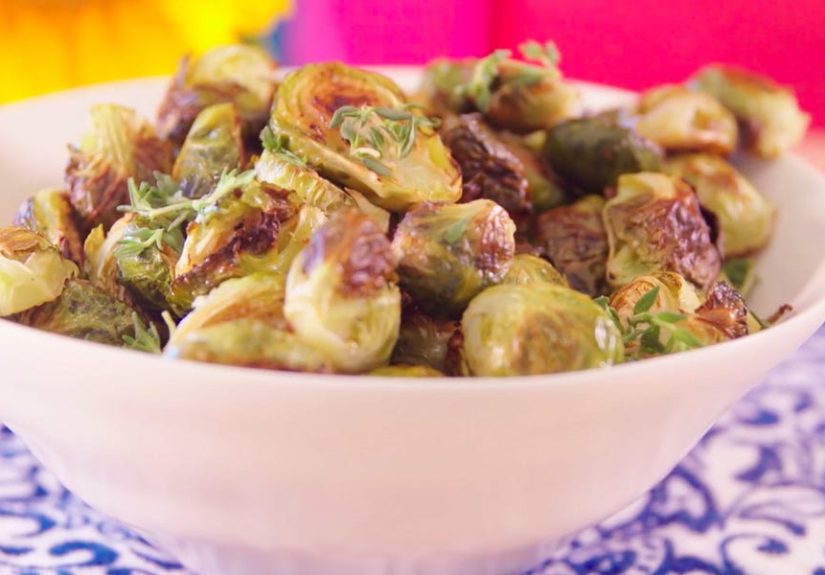
Perfect roasted Brussels sprouts should be browned on the outside, fork-tender in the center, and crisp around the edges. The outer leaves may look almost chip-like. That is not a problem. That is a prize.
Common Mistakes That Ruin Roasted Brussels Sprouts
1. Crowding the Pan
This is the number-one mistake. If the sprouts are packed too closely together, they trap moisture and steam each other. It is basically a vegetable traffic jam. Use a large sheet pan, and when in doubt, spread out.
2. Not Drying Them
Water on the surface slows browning. The drier the sprouts, the crispier the result. A few extra minutes with a towel can save the whole tray.
3. Using Too Low a Temperature
A timid oven gives timid results. Roast Brussels sprouts at a relatively high temperature so the outside browns before the inside turns mushy. This is not the moment for low-and-slow energy.
4. Too Much Oil
Oil helps with browning, but too much makes the sprouts greasy instead of crisp. You want a light, even coating, not a tiny salad dressing situation.
5. Underseasoning
Brussels sprouts love salt. They also respond beautifully to acidity and a little sweetness. Taste them after roasting and adjust. Often, the difference between “pretty good” and “who made these?” is one last squeeze of lemon or a pinch of flaky salt.
Easy Flavor Variations for Oven-Roasted Brussels Sprouts
Balsamic Brussels Sprouts
Toss the roasted sprouts with a small drizzle of balsamic vinegar right after they come out of the oven. The heat softens the sharpness and makes the flavor taste richer and slightly sweet.
Lemon Parmesan Brussels Sprouts
Add lemon zest, a squeeze of lemon juice, and grated Parmesan after roasting. Bright, salty, and deeply snackable.
Maple Roasted Brussels Sprouts
For a sweet-savory version, drizzle a little maple syrup over the sprouts during the last few minutes of cooking or right after roasting. Add pecans if you want a holiday-table moment.
Honey and Chili Flakes
Hot honey or regular honey plus red pepper flakes adds sweet heat and turns a simple vegetable side into something people remember.
Garlic and Parmesan
Use garlic powder before roasting or add minced garlic carefully near the end so it does not burn. Finish with Parmesan for extra savory depth.
Bacon or Pancetta
Roast chopped bacon or pancetta alongside the sprouts, or fold in crisp cooked pieces at the end. Because sometimes the path to vegetable appreciation takes a scenic detour through pork.
What to Serve with Roasted Brussels Sprouts
One reason roasted Brussels sprouts are so popular is that they are wildly flexible. They work with roast chicken, steak, salmon, pork chops, meatloaf, pasta, grain bowls, and holiday mains. They also pair well with creamy foods like mashed potatoes, mac and cheese, or risotto because the crisp edges balance richer textures.
If you have leftovers, toss them into a grain bowl, fold them into a frittata, add them to pasta, or reheat them in a hot skillet to revive some of the crispness. They will not be exactly the same as fresh from the oven, but they will still be miles better than sad microwaved vegetables from office lunches past.
How Long to Roast Brussels Sprouts
The exact cooking time depends on size, oven accuracy, and how deeply browned you like them. As a general guide:
- Small sprouts: 18 to 22 minutes
- Medium sprouts: 22 to 28 minutes
- Large sprouts: 28 to 35 minutes
If you want extra-crispy results, leave them in a little longer, but keep an eye on the loose leaves so they do not cross the line from deliciously charred to aggressively smoky.
Can You Roast Frozen Brussels Sprouts?
Yes, but fresh Brussels sprouts usually produce the best texture. Frozen sprouts hold more moisture, so they tend to roast softer and less crisp. If using frozen, roast them straight from frozen at a high temperature and give them extra space on the pan. Do not expect identical results, but do expect a very respectable dinner.
Experience and Real-Life Tips from the Kitchen
The first time I made Brussels sprouts well, I was honestly more surprised than proud. I had eaten enough bland versions growing up to assume the vegetable itself was the problem. It turns out the real villain was bad technique. Once I roasted them hot enough and stopped piling them onto a crowded pan like little green commuters on a delayed train, everything changed.
One of the biggest lessons from experience is that Brussels sprouts reward confidence. When cooks hesitate, they tend to under-season, under-brown, or pull the tray too early. The sprouts come out pale, a little squeaky in texture, and nobody at the table looks emotionally moved. But when you let them really roast, when you give them permission to get dark on the edges and crispy on the outside, they become the side dish everyone mysteriously keeps “sampling” before dinner is served.
I have also learned that the sheet pan matters more than many people realize. A large, heavy pan helps the sprouts brown instead of flop around in their own moisture. When I switched from a smaller pan to a proper rimmed baking sheet, the difference was immediate. Instead of soft, crowded sprouts, I got caramelized surfaces and those flaky outer leaves that taste like vegetable chips. It felt like discovering that my oven had been capable of joy all along.
Another real-life tip: do not panic if some leaves fall off while you are trimming and tossing. Those loose leaves often become the crispiest, most addictive bits on the tray. In many households, they disappear before the main dish even hits the table. If you have children, guests, or suspicious adults who claim not to like Brussels sprouts, those crispy leaves can be your gateway strategy. They are tiny, crunchy, salty, and alarmingly effective.
Flavor finishing has also changed the way I cook this vegetable. For years, I thought roasting alone was enough. It is very good, but a small final touch can make the whole dish taste sharper, brighter, and more complete. Lemon juice wakes everything up. Balsamic adds sweet tang. Parmesan gives salty richness. A tiny drizzle of maple syrup or honey makes the sprouts taste more rounded and complex. None of these additions need to be heavy-handed. Brussels sprouts do not need to be buried under toppings like a casserole in disguise. They just need a little help crossing the finish line.
Over time, I have served roasted Brussels sprouts with weeknight chicken, Sunday salmon, holiday turkey, and random fridge-cleanout dinners that had no business being memorable. They fit almost everywhere. That may be their real superpower. They are easy enough for a Tuesday but dramatic enough for a special meal. A tray of deeply browned Brussels sprouts looks like you tried, even when the prep took only a few minutes.
If you are still unsure about them, try this once: roast them until they look almost a shade darker than your comfort zone, then hit them with lemon and flaky salt right before serving. Eat one while standing at the counter. That is the honest test. If your immediate reaction is “okay, wait, these are actually fantastic,” welcome to the club. Membership includes crispy edges, empty sheet pans, and the occasional need to hide the last serving from everyone else in the house.
Conclusion
So, what is the best way to roast Brussels sprouts in the oven? Keep it simple: trim them, dry them thoroughly, coat them lightly with oil, season well, spread them out, place the cut sides down, and roast at high heat until browned and tender. That is the formula. From there, you can go classic, lemony, balsamic, cheesy, spicy, or sweet-savory depending on your mood and what is hiding in your pantry.
Roasted Brussels sprouts are proof that a humble vegetable can become one of the best parts of a meal with just a little technique and a hot oven. Not bad for a side dish that used to be the butt of so many dinner-table jokes.






 Close
Close