
Table of Contents >> Show >> Hide
- Why Cutting Brussels Sprouts Correctly Matters
- How to Choose Good Brussels Sprouts
- How to Store Brussels Sprouts Before Cutting
- Tools You Need to Cut Brussels Sprouts
- How to Cut Brussels Sprouts Step by Step
- Different Ways to Cut Brussels Sprouts
- How to Make Perfect Roasted Brussels Sprouts
- The Cut-Side-Down Trick
- How Hot Should the Oven Be?
- Common Mistakes When Cutting and Roasting Brussels Sprouts
- Flavor Ideas for Roasted Brussels Sprouts
- How to Serve Roasted Brussels Sprouts
- How to Reheat Roasted Brussels Sprouts
- Kitchen-Tested Experience: What Actually Makes Brussels Sprouts Better
- Conclusion
Brussels sprouts have had one of the greatest comeback stories in the vegetable world. For years, they were the tiny green villains of the dinner tableboiled into submission, smelling suspiciously like cafeteria regret. Then home cooks discovered roasting, and suddenly Brussels sprouts were not punishment. They were crispy, caramelized, nutty, and just fancy enough to make a Tuesday dinner feel like it had a reservation.
The secret is not complicated, but it is specific: you need to know how to cut Brussels sprouts the right way. The cut determines how evenly they cook, how much surface area browns, and whether you end up with golden, crispy edges or sad little steamed cabbages wearing olive oil. This guide walks you through trimming, halving, quartering, shaving, seasoning, and roasting Brussels sprouts so they come out tender inside, crisp outside, and flavorful enough to convert even the family vegetable skeptic.
Whether you are making a holiday side dish, meal-prep vegetables, a sheet-pan dinner, or a “standing at the stove eating crispy leaves before guests arrive” snack, the technique starts on the cutting board.
Why Cutting Brussels Sprouts Correctly Matters
Brussels sprouts are compact buds with tightly layered leaves and a firm core. That core is useful because it holds the sprout together while cooking, but it can also slow down heat penetration if the sprout is left whole. Cutting Brussels sprouts exposes the interior, increases the browning surface, and helps them cook more evenly.
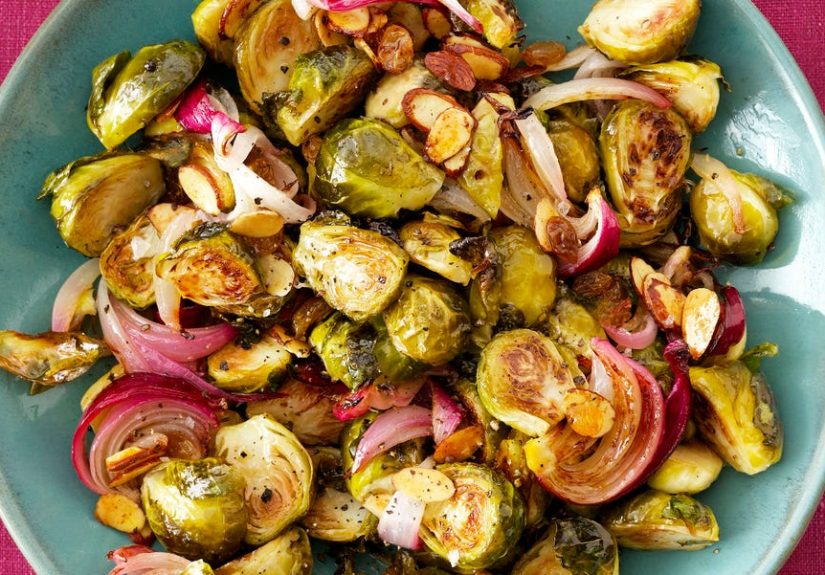
For roasted Brussels sprouts, the best everyday cut is usually a lengthwise half. That means slicing from the stem end through the top, keeping part of the core attached to each half. This cut creates a flat surface that can sit directly on the hot pan. When that cut side meets heat, oil, and salt, magic happens: caramelization, browning, crisp edges, and a flavor that says, “Yes, I am technically a cabbage, but I have range.”
Large Brussels sprouts may need to be quartered, while tiny sprouts can sometimes stay whole. The goal is uniform size. If one sprout is the size of a grape and another is built like a golf ball, they will not finish cooking at the same time. The small one will get crispy first; the big one will still be negotiating with the oven.
How to Choose Good Brussels Sprouts
Great roasted Brussels sprouts begin before you touch a knife. Look for sprouts that are bright green, firm, compact, and heavy for their size. The leaves should be tightly closed rather than loose and wilted. A few yellow or blemished outer leaves are normal and can be removed, but avoid sprouts that are soft, slimy, deeply discolored, or smell overly strong before cooking.
Medium-size Brussels sprouts are usually the easiest to roast. They are big enough to halve and develop a crisp flat side, but not so large that the center stays tough. If you buy Brussels sprouts on the stalk, they may stay fresh longer and look charmingly dramatic, like a vegetable medieval weapon. If you buy them loose or bagged, check the bottom of the bag for excess moisture, which can shorten freshness.
How to Store Brussels Sprouts Before Cutting
Do not wash Brussels sprouts until you are ready to use them. Moisture encourages spoilage, especially when vegetables sit in the refrigerator for several days. Store them in the crisper drawer in a loose plastic bag, reusable produce bag, or container with slight airflow. Whole, unwashed Brussels sprouts typically keep better than pre-cut sprouts.
Once cut, they should be used sooner. Cutting breaks the vegetable’s natural barrier, which means the sprouts can dry out, discolor, or absorb refrigerator odors. If you want to prep ahead, trim and halve them up to a day in advance, dry them well, and store them in an airtight container lined with a paper towel.
Tools You Need to Cut Brussels Sprouts
You do not need a professional chef kit. A few basic tools will make the job safer and faster:
- A sharp chef’s knife or paring knife
- A sturdy cutting board
- A colander for rinsing
- A clean kitchen towel or salad spinner for drying
- A large bowl for seasoning
- A rimmed baking sheet for roasting
A sharp knife is important because Brussels sprouts are round, dense, and occasionally determined to roll away like they have somewhere else to be. A dull knife requires more pressure, which increases slipping. Keep the cutting board stable by placing a damp towel underneath it.
How to Cut Brussels Sprouts Step by Step
Step 1: Rinse and Dry
When you are ready to cook, rinse the Brussels sprouts under cool running water. Do not use soap, detergent, or produce wash. The sprouts have layered leaves that can trap water, so drain them well and dry them thoroughly with a towel. Dry sprouts roast better because excess moisture creates steam. Steam is wonderful for dumplings, not for crispy Brussels sprouts.
Step 2: Trim the Stem End
Place one sprout on the cutting board and slice a thin piece from the dry stem end. Do not cut away the entire core. The core keeps the leaves attached, especially when halving or quartering. If you remove too much, the sprout may fall apart into a leafy confetti situation. Not tragic, but not ideal for even roasting.
Step 3: Remove Damaged Outer Leaves
Pull away any yellow, brown, wilted, or blemished outer leaves. Some loose leaves will fall off naturally during trimming. Save the clean loose leaves if you want extra crispy bits. Toss them with oil and roast them alongside the halves, but watch them closely because they brown faster.
Step 4: Halve Through the Core
Stand the sprout on its trimmed end if it feels stable, or lay it on its side. Slice lengthwise through the core from top to bottom. Each half should have a piece of core holding the leaves together. This is the classic cut for roasted Brussels sprouts because it gives you a flat surface for browning.
Step 5: Quarter Large Sprouts
If a sprout is especially large, cut it into quarters through the core. Quarters cook faster and are easier to eat. Try to keep pieces similar in size so they roast evenly. If you are mixing small and large sprouts, leave the tiny ones whole or halved and quarter the big ones.
Different Ways to Cut Brussels Sprouts
Halved Brussels Sprouts
This is the best cut for roasting. Halves are easy to season, simple to arrange cut-side down, and perfect for crispy edges. Use this cut for most sheet-pan recipes, holiday sides, and weeknight dinners.
Quartered Brussels Sprouts
Quartering is ideal for large sprouts or faster cooking. Smaller pieces absorb seasonings well and work nicely in grain bowls, warm salads, pasta, and hash-style dishes.
Shaved Brussels Sprouts
To shave Brussels sprouts, trim the stem, cut them in half, place the flat side down, and slice thinly. You can also use a mandoline or food processor slicing blade, but protect your fingers. Shaved sprouts are excellent for slaws, quick sautés, salads, and crispy skillet dishes.
Whole Brussels Sprouts
Whole sprouts can be roasted, but they take longer and do not brown as dramatically. If leaving them whole, choose small sprouts and consider cutting a shallow X in the stem end to help heat reach the center. For most home ovens, halving still gives better results.
How to Make Perfect Roasted Brussels Sprouts
Once the sprouts are trimmed and cut, roasting is simple. The formula is high heat, enough oil, proper spacing, and patience. Crowded Brussels sprouts steam. Well-spaced Brussels sprouts roast. The difference is the difference between “Can I have seconds?” and “Did the broccoli cancel?”
Basic Roasted Brussels Sprouts Recipe
Ingredients:
- 1 1/2 pounds Brussels sprouts, trimmed and halved
- 2 to 3 tablespoons olive oil
- 3/4 teaspoon kosher salt, or to taste
- 1/2 teaspoon freshly ground black pepper
- Optional: garlic powder, lemon zest, balsamic vinegar, Parmesan, red pepper flakes, or honey
Instructions:
- Preheat the oven to 425°F. For deeper browning, you can go up to 450°F if your oven runs accurately.
- Place a rimmed baking sheet in the oven while it preheats. A hot pan helps the cut sides start browning quickly.
- In a large bowl, toss the Brussels sprouts with olive oil, salt, and pepper. Every piece should look lightly glossy, not drenched.
- Carefully remove the hot sheet pan and spread the sprouts in a single layer, cut-side down.
- Roast for 20 to 30 minutes, depending on size, until the cut sides are deep golden brown and the centers are tender.
- Finish with lemon juice, vinegar, cheese, herbs, or a light drizzle of honey if desired.
The Cut-Side-Down Trick
If you remember only one roasting tip, make it this one: place halved Brussels sprouts cut-side down. That flat side is where the best browning happens. It makes direct contact with the hot pan, forming a golden crust while the outer leaves crisp and curl.
Yes, arranging them takes an extra minute. Yes, it may feel slightly fussy. But it is the kind of fussy that pays rent. Randomly scattering sprouts across the pan can still produce a decent dish, but cut-side-down placement gives consistent caramelization and a restaurant-style finish.
How Hot Should the Oven Be?
For most roasted Brussels sprouts recipes, 425°F is the sweet spot. It is hot enough to brown the cut sides and crisp the leaves without burning the outside before the inside softens. If you want a more intense char and your sprouts are evenly cut, 450°F can work beautifully. Some cooks go even hotter for fast, dramatic browning, but you need to watch carefully because the difference between “deeply caramelized” and “tiny vegetable meteorites” can happen quickly.
Lower temperatures, such as 350°F or 375°F, can cook the sprouts, but they often produce softer, less crispy results. The longer cooking time gives moisture more opportunity to steam the vegetables, and that can bring out stronger cabbage-like flavors. High heat is your friend.
Common Mistakes When Cutting and Roasting Brussels Sprouts
Cutting Off Too Much Stem
Trim only the dry end. Removing the entire core causes the leaves to separate. A few crispy loose leaves are delightful; a whole pan of separated leaves can burn before the thicker pieces are done.
Skipping the Drying Step
Wet sprouts steam. Dry sprouts brown. After rinsing, give them a thorough towel dry. This small step makes a big difference.
Overcrowding the Pan
If the sprouts are piled together, moisture gets trapped. Use a large rimmed baking sheet and leave space between pieces. For a big batch, use two pans rather than forcing everyone into one vegetable traffic jam.
Using Too Little Oil
Oil helps conduct heat, encourage browning, and keep the sprouts from drying out. You do not need a swimming pool of oil, but the pieces should be evenly coated.
Adding Sweet Glazes Too Early
Honey, maple syrup, and balsamic glaze can burn if added at the start of roasting. For best results, roast the sprouts first, then toss with sweet or sticky finishes during the last few minutes or right after they come out of the oven.
Flavor Ideas for Roasted Brussels Sprouts
Once you master the basic cut and roast, Brussels sprouts become a blank canvas with better texture. Try these easy variations:
- Lemon Parmesan: Finish with lemon zest, lemon juice, and grated Parmesan.
- Balsamic Honey: Toss roasted sprouts with balsamic vinegar and a small drizzle of honey.
- Garlic Chili: Add garlic powder before roasting and chili flakes after roasting.
- Maple Mustard: Whisk maple syrup with Dijon mustard and toss lightly after cooking.
- Caesar Style: Finish with Parmesan, black pepper, lemon, and toasted breadcrumbs.
- Breakfast Hash: Roast quartered sprouts with potatoes, onions, and a fried egg on top.
How to Serve Roasted Brussels Sprouts
Roasted Brussels sprouts are flexible enough for weeknight dinners and special enough for holidays. Serve them with roasted chicken, turkey, salmon, pork chops, steak, pasta, rice bowls, or vegetarian mains. They also work well in salads after roasting, especially with nuts, dried cranberries, apples, blue cheese, goat cheese, or a sharp vinaigrette.
For meal prep, keep the seasoning simple before roasting. Salt, pepper, and oil give you a neutral base that can be changed later with sauces or toppings. One batch can become a side dish on Monday, a grain bowl topping on Tuesday, and a crispy addition to scrambled eggs on Wednesday.
How to Reheat Roasted Brussels Sprouts
The best way to reheat roasted Brussels sprouts is in a hot oven, toaster oven, or air fryer. Use 375°F to 400°F until warmed through and crisped at the edges. The microwave works if speed is the priority, but it softens the texture. If you must microwave them, add a squeeze of lemon or a sprinkle of cheese afterward to wake the flavor back up.
Leftovers can be chopped and used in fried rice, pasta, omelets, tacos, or warm salads. Roasted Brussels sprouts are surprisingly good with creamy sauces and sharp flavors because their slight bitterness balances richness.
Kitchen-Tested Experience: What Actually Makes Brussels Sprouts Better
After cooking Brussels sprouts many different ways, the biggest lesson is this: the cutting board matters as much as the oven. When the sprouts are trimmed neatly and cut into similar sizes, roasting becomes almost effortless. When they are uneven, wet, or tossed onto a crowded pan, the oven has to work miracles, and ovens are appliances, not fairy godmothers.
One of the most useful habits is sorting the sprouts by size before cutting. Put the tiny ones in one pile, the medium ones in another, and the huge ones in a third. Tiny sprouts can often be halved or left whole if they are truly small. Medium sprouts should be halved. Large sprouts should be quartered. This simple sorting step prevents the annoying situation where half the pan is perfect and the other half tastes like it needed five more minutes and a motivational speech.
Another practical experience: do not throw away every loose leaf. The clean outer leaves that fall off during trimming become the crispiest bits on the pan. They are like Brussels sprout chips, and they are often the first pieces people steal before dinner. However, they cook faster than the halves, so if your oven runs hot, scatter them toward the center of the pan rather than the edges, where heat can be more intense.
Preheating the pan is also worth it. A hot sheet pan gives the cut sides a head start, especially when the sprouts are dry and lightly oiled. You should hear a gentle sizzle when they hit the pan. That sound is dinner applause. Just be careful when arranging them cut-side down because the pan is hot. Tongs help, and so does accepting that perfection is not required. Aim for most of them cut-side down, not a museum exhibit.
Seasoning is another place where small choices matter. Salt before roasting, but save acidic ingredients for after. Lemon juice, vinegar, and balsamic glaze taste brighter when added at the end. If added too early, they can interfere with browning or become too sharp. Cheese also works best near the end or after roasting, unless you specifically want crispy cheese edges.
For family dinners, the most reliable flavor combination is olive oil, salt, pepper, garlic powder, and a lemon-Parmesan finish. It tastes familiar, bright, and savory without hiding the vegetable. For holiday meals, balsamic and honey add a glossy, crowd-pleasing finish. For people who claim they dislike Brussels sprouts, crisp texture is the best argument. Nobody wants mushy sprouts. Nobody. Not even the sprouts.
The final lesson is to serve them right away when possible. Roasted Brussels sprouts are at their peak when the edges are crisp and the centers are tender. If they sit covered for too long, steam softens the crispy parts. If you need to hold them before serving, leave them uncovered in a warm spot and add the finishing sauce just before they go to the table.
Conclusion
Learning how to cut Brussels sprouts is the first step to making perfect roasted Brussels sprouts. Trim the dry stem, remove damaged leaves, cut through the core, keep the pieces similar in size, and roast them hot with the cut sides down. That simple method turns a misunderstood vegetable into a crispy, caramelized side dish with real dinner-table power.
The beauty of Brussels sprouts is that they do not need much to taste good. A sharp knife, a hot oven, olive oil, salt, and a little patience can do most of the work. Once you master the basic technique, you can dress them up with lemon, Parmesan, balsamic, garlic, herbs, bacon, nuts, or a sweet-savory glaze. Cut them well, roast them boldly, and give them enough space on the pan. The sprouts will handle the rest.






 Close
Close