
Table of Contents >> Show >> Hide
- Before You Start: Why Lithium Batteries Need Special Handling
- How to Dispose of Lithium Batteries: 14 Steps (with Pictures)
- Step 1: Identify the Battery Type
- Step 2: Power Down and Unplug
- Step 3: Inspect for Damage
- Step 4: Tape the Terminals or Bag Individually
- Step 5: Keep Cool (Literally)
- Step 6: Sort by Chemistry and Size
- Step 7: Find a Certified Drop-Off
- Step 8: Check Retailer Rules Before You Go
- Step 9: Prepare Devices with Embedded Batteries
- Step 10: Don’t Ship Batteries on Your Own (Especially Damaged Ones)
- Step 11: Transport Safely to Drop-Off
- Step 12: Follow Staff Instructions at the Site
- Step 13: Special CaseE-Bike, Scooter, or Large Packs
- Step 14: Bonus Safety Habits
- What Not to Do (Seriously, Please Don’t)
- FAQs & Pro Tips
- Conclusion
- Real-World Experiences and Lessons Learned ()
Short version: Don’t toss lithium batteries in the trash, don’t toss them in your curbside recycling, and please don’t try “home science” with saltwater buckets. Do prep them safely, find a certified drop-off, and hand them to people who do this for a living. Below is the fun, clear, search-optimized long versioncomplete with 14 picture-friendly steps and expert tips.
Before You Start: Why Lithium Batteries Need Special Handling
- Fire risk: A crushed or damaged cell can short and ignite. That’s why waste trucks and materials recovery facilities really dread stray batteries.
- Valuable materials: Spent cells still contain critical minerals. Recycling gets those materials back into the supply chain.
- Different types, different rules: “Lithium-ion” (rechargeable) and “lithium metal” (single-use, like some coin cells) both avoid the trash, but drop-off locations and prep steps can differ slightly.
How to Dispose of Lithium Batteries: 14 Steps (with Pictures)
Step 1: Identify the Battery Type
Check the label or the device manual. If it says “Li-ion,” “Li-poly,” or “lithium,” treat it as a lithium battery. If the battery is embedded in the device (like many phones, earbuds, e-bikes, tools), plan to recycle the whole device unless you’re trained to remove the pack.

Step 2: Power Down and Unplug
Shut off the device completely. If it’s removable, take the battery out gentlyno bending, prying, or stabbing (this is a how-to, not an action movie).

Step 3: Inspect for Damage
Is it swollen, leaking, cracked, hot, hissing, or smelly? Treat as damaged. Do not charge it, puncture it, or force it out of tight spots. Place in a fire-resistant container (metal tin with sand or clean, unscented cat litter) and set it in a cool, ventilated area until you can take it to a facility that accepts damaged cells.

Step 4: Tape the Terminals or Bag Individually
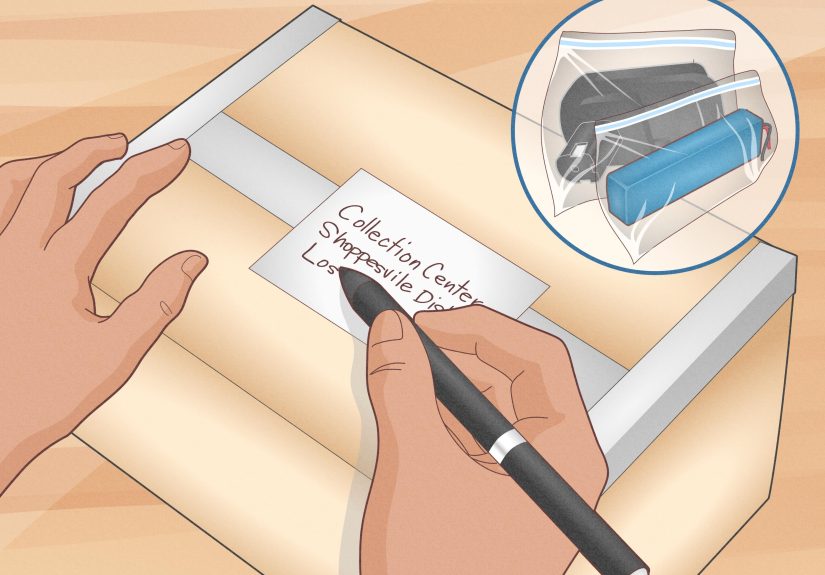
Prevent short circuits by covering each exposed terminal with non-conductive tape (e.g., clear packing tape) or placing each battery in its own small plastic bag. For coin cells, tape both sides so they can’t touch other metal surfaces.

Step 5: Keep Cool (Literally)
Until drop-off day, store prepared batteries in a clean, dry, cool place away from heat sources and anything that burns. No sunny windowsills or car trunks.

Step 6: Sort by Chemistry and Size
Keep lithium batteries separate from alkaline or other types. If you’re gathering a pile, label the container “LithiumPrepared for Recycling.” Your future self (and the drop-off attendant) will thank you.

Step 7: Find a Certified Drop-Off
Use a battery recycling locator or check with your household hazardous waste (HHW) program. Big-box retailers often partner with national collection programs and accept many rechargeable batteries at the front of the store.

Step 8: Check Retailer Rules Before You Go
Retail programs commonly accept small rechargeables under certain size/weight limits. Some locations may not accept swollen or leaking cellscall ahead.

Step 9: Prepare Devices with Embedded Batteries
If the pack isn’t meant to come out, don’t force it. Recycle the entire device through an e-waste program or manufacturer take-back. Back up and wipe personal data first.

Step 10: Don’t Ship Batteries on Your Own (Especially Damaged Ones)
Mailing lithium batteries has strict rules. Use only approved mail-in kits or carrier-authorized instructions. Never ship damaged or swollen batteries yourself.

Step 11: Transport Safely to Drop-Off
Use a sturdy container, keep batteries taped/bagged, and separate from metal objects (keys, tools). Keep them out of hot cars and handle with care.

Step 12: Follow Staff Instructions at the Site
Some kiosks ask you to bag batteries on the spot; others require you to hand them to an attendant. If you brought a damaged cell, notify staff immediately.

Step 13: Special CaseE-Bike, Scooter, or Large Packs
These higher-capacity batteries often have different rules. Contact the manufacturer, dealer, or your local HHW facility for approved options. Don’t attempt DIY pack disassembly or “cell harvesting.”

Step 14: Bonus Safety Habits
- Check recalls on devices and packs occasionally.
- Store spares in original packaging or separate bags.
- Buy certified, reputable products and chargers.

What Not to Do (Seriously, Please Don’t)
- No trash or curbside recycling. Lithium batteries don’t belong in either.
- No puncturing, crushing, or prying. That’s how you make “spicy air.”
- No DIY saltwater baths. That advice is outdated and unsafe.
- No mailing damaged batteries. Use approved programs only.
FAQs & Pro Tips
Are coin cells “lithium” too?
Many are. Tape both sides before drop-off so they can’t short against metal. Keep them away from children and petsingestion is an emergency.
Can I recycle power banks and vape pens?
Yestreat them as devices with embedded lithium batteries. If damaged or recalled, isolate and bring to a site that accepts them; don’t trash them.
How do I prep tool batteries?
Slide the pack off the tool, cover terminals, bag individually, and use retailer or HHW drop-offs. If it’s cracked or swelling, isolate and ask the site which queue to use.
Conclusion
Disposing of lithium batteries the right way isn’t complicatedjust a little methodical. Identify the chemistry, power down, tape or bag, store cool, and bring them to certified drop-off locations (or use approved mail-in kits). You’ll reduce fire risks, keep workers safe, and help recover valuable materials for new batteries. That’s a tidy win for your home, your community, and your search engine rankings.
sapo: Learn the safe, compliant way to dispose of lithium and lithium-ion batteriesat home and on the go. This guide breaks the process into 14 picture-ready steps: identify and prep your batteries, tape terminals, find certified drop-offs (including popular retailer kiosks), handle damaged packs, and avoid common mistakes like tossing cells in the trash or using risky “saltwater” tricks. Practical, funny, and grounded in real U.S. guidance, it’s everything you need to recycle smarter and safer.
Real-World Experiences and Lessons Learned ()
Across municipal waste programs, fire departments, and retail collection partners, a few stories repeat. One common scenario involves a homeowner who empties a junk drawer into the curbside recycling cart “to deal with it later.” Mixed into the tangle of cables and coin cells is a rechargeable tool battery with exposed terminals. During collection, the battery shifts, shorts against metal, heats up, and smolders under a pile of paper. The truck crew spots smoke in time, but the route is delayed and material is ruined. Facilities report that even tiny cellslike those in earbudscan light off bigger fires once shredders and compactors get involved. The fix was wonderfully boring: bag each battery, tape terminals, and keep a small, clearly labeled “battery box” at home to prompt regular drop-offs.
Retailers share another pattern: customers often arrive with mixed bagsalkaline, lithium, tool packs, and a swollen phone batterybecause “the internet said you take everything.” Staff are trained to accept what their program covers, and to redirect damaged items to HHW events or specialized e-waste partners. Many stores keep extra clear bags at their kiosks and post simple diagrams showing how to tape coin cells and cover contacts on rectangular packs. The stores that display these visuals report fewer messy drop-offs and faster queues.
Repair technicians describe the “pry panic” that happens when an adhesive-backed pack won’t budge. The temptation is to lever it harderor poke it with something sharp. That’s the moment small flames, hissing, or noxious fumes can appear. Shops mitigate the risk by using plastic tools, patience, and alcohol to release adhesives, keeping metal away from the cell. If a pack puffs or warms, they move it into a vented, fire-resistant container and wait before proceeding. The key takeaway for consumers: if removal isn’t straightforward, recycling the entire device is safer and often faster.
Fire services recount calls where a battery was charging on a soft surface, got hot, and was tossed outside in a panic. The better outcome occurs when the user recognizes warning signs earlyunusual odor, heat, swellingand unplugs the device, moves it away from combustibles (if safe), and seeks disposal guidance. Communities that push simple messages like “tape it, bag it, drop it” see fewer curbside fires and smoother HHW events.
Finally, program coordinators emphasize messaging. People respond to specific, doable steps: “Cover contacts,” “One battery per bag,” “Under 11 lb / 300 Wh at retail kiosks,” “Damaged? HHW only.” They also recommend promoting locator tools widely and reminding residents that lithium batteries are not “trash,” even if they’re tiny. Over time, households that keep a small shoebox for “future drop-off” dramatically cut down on accidental tosses. The collective lesson is simple: safe disposal isn’t about heroicsit’s about boring, repeatable habits that keep workers safe and materials in circulation.





 Close
Close