
Table of Contents >> Show >> Hide
- What a “Kidney Cleansing Fast” Actually Should Mean
- The 12 Steps (A Safer, Smarter “Fast” for Kidney Health)
- Step 1: Decide if you should do this at all
- Step 2: Set a realistic goal (spoiler: it’s not ‘detox toxins’)
- Step 3: Choose your “fast” window (and keep it gentle)
- Step 4: Hydrate like an adult, not like a dare
- Step 5: Go on a sodium “timeout”
- Step 6: Keep protein reasonable (don’t turn your cleanse into a steak festival)
- Step 7: Add potassium wisely (food first, not supplements)
- Step 8: Build every plate around fiber (your kidneys will thank your gut)
- Step 9: Stop the “detox” supplements and random herb cocktails
- Step 10: Avoid kidney-unfriendly painkiller habits
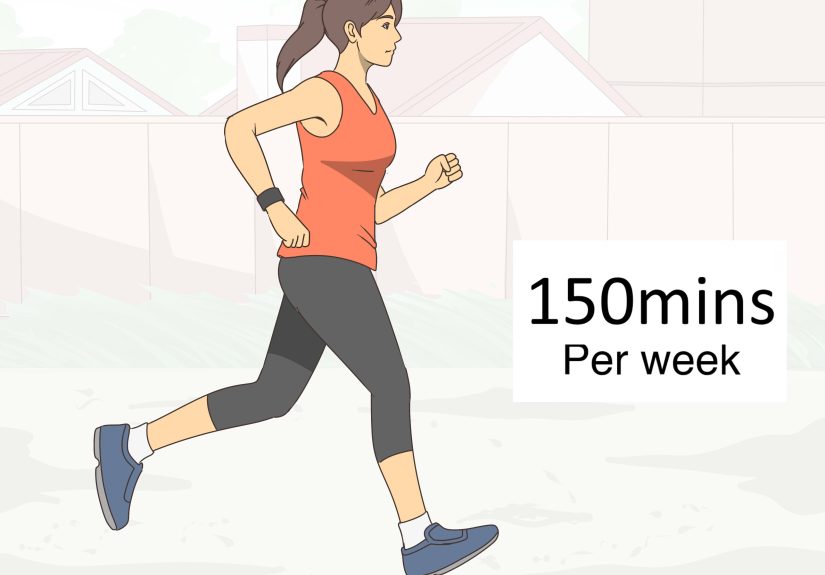
- Step 11: Move gently to support circulation and blood pressure
- Step 12: Watch for red flagsand know when to stop
- A 3-Day Kidney-Support “Fast” Sample Plan (Food Included!)
- FAQ: Kidney Cleanse Questions People Google at 1:00 a.m.
- Conclusion: The Best Kidney Cleanse Is Boringand That’s Great
- of Real-World “Experience”: What This Reset Feels Like
Let’s get one thing straight: your kidneys are already doing a full-time “cleanse” right now. No influencer discount code required. They filter your blood, balance fluids and electrolytes, help manage blood pressure, and send waste packing via urine. In other words, they’re the bouncers at the club of your internal organsquiet, consistent, and not impressed by gimmicks.
So why do “kidney cleansing fasts” trend every few months? Because the idea of pressing a big shiny RESET button is comforting. And because “drink water, eat fiber, sleep” doesn’t sell as well as “detox in 48 hours.”
This guide gives you a practical, kidney-supportive version of a “cleanse fast” that’s grounded in real health guidancenot magical teas, not sketchy supplement drops, and not starvation. Think of it as a short, structured break from kidney stressors (ultra-processed foods, high sodium, dehydration, heavy alcohol, and questionable pills) while doubling down on habits that help your kidneys do their job well.
Important safety note: If you’re under 18, pregnant, have diabetes, gout, a history of eating disorders, kidney disease, frequent UTIs, kidney stones, or take prescription meds (especially blood pressure meds, diuretics, lithium, or anything that affects electrolytes), don’t attempt any “fast” without clinician guidance. For many people, the safest “cleanse” is simply a kidney-friendly routinenot restriction.
What a “Kidney Cleansing Fast” Actually Should Mean
A real kidney “detox” isn’t a product. It’s the day-to-day conditions that make kidney filtration easier:
- Steady hydration (not flooding your system in one afternoon).
- Lower sodium to support healthy blood pressure and reduce fluid strain.
- Balanced meals with fiber and reasonable portions of protein.
- Avoiding kidney-unfriendly extras like unregulated supplements and unnecessary NSAID use.
And yespeople often feel “lighter” during a cleanse. That’s usually because they reduced salty, processed foods and sugary drinks, not because toxins were evicted like bad roommates.
The 12 Steps (A Safer, Smarter “Fast” for Kidney Health)
Step 1: Decide if you should do this at all
Before you plan a single smoothie: ask, “Is restriction safe for me?” A kidney-support reset is not a good DIY project if you have medical conditions, take meds, or have symptoms like swelling, foamy urine, blood in urine, severe fatigue, persistent flank pain, or uncontrolled blood pressure. When in doubt, don’t fastget checked.
Step 2: Set a realistic goal (spoiler: it’s not ‘detox toxins’)
Use goals that kidneys actually care about:
- Drink more water consistently for 7 days
- Cut sodium for 3–5 days
- Swap sugary drinks for kidney-friendlier options
- Build a simple meal rhythm that supports blood pressure and blood sugar
Those are unsexy goals. They also work.
Step 3: Choose your “fast” window (and keep it gentle)
If you insist on calling it a fast, make it a fast from kidney stressors, not a fast from food.
- Best option: a 24–72 hour “reset” where you eat normal calories from whole foods.
- Skip: multi-day water-only fasts, juice-only cleanses, laxative teas, and “detox” pills.
Extreme restriction can increase dehydration risk and disrupt electrolytestwo things kidneys do not enjoy.
Step 4: Hydrate like an adult, not like a dare
Hydration helps kidneys move waste into urine, supports electrolyte balance, and may reduce risk of kidney stones and infections for some people. But “more” isn’t always “better.”
- Use urine color as a rough guide: aim for pale yellow, not crystal-clear-all-day.
- Spread fluids across the day.
- If you exercise or it’s hot, you’ll likely need more.
Simple example: 1 glass on waking, 1 with each meal, 1 mid-morning, 1 mid-afternoon, and sip as needed. No heroics.
Step 5: Go on a sodium “timeout”
High sodium can raise blood pressure, and high blood pressure is a major kidney risk. For your reset window, aim to reduce packaged foods and restaurant meals (the usual sodium suspects).
- Cook once, eat twice: make a pot of beans, lentil soup, or brown rice.
- Flavor with lemon, garlic, herbs, vinegar, or salt-free blends.
- Check labelssodium can hide in sauces, bread, and “healthy” packaged snacks.
Step 6: Keep protein reasonable (don’t turn your cleanse into a steak festival)
Protein is essentialbut mega-high protein diets can increase nitrogenous waste that kidneys must process. During your reset, aim for moderation:
- Choose portions you’d recognize as human-sized.
- Mix in plant proteins (beans, lentils, tofu) if they work for you.
- If you already have kidney disease, protein targets should be individualized by a clinician/dietitian.
Step 7: Add potassium wisely (food first, not supplements)
Potassium helps counter sodium’s effects and supports healthy blood pressurebut it’s not a “more is always better” nutrient, especially if kidney function is reduced.
For most healthy adults: potassium-rich foods (leafy greens, beans, potatoes, bananas) can be helpful. For anyone with kidney disease: potassium may need limitsthis is why supplementing potassium without guidance is a bad idea.
Step 8: Build every plate around fiber (your kidneys will thank your gut)
Fiber supports metabolic health, helps regulate blood sugar, and can make your reset feel satisfying without extreme restriction.
- Breakfast: oatmeal with berries + yogurt (or a dairy-free option)
- Lunch: big salad with beans + olive oil/lemon dressing
- Dinner: roasted veggies + brown rice + salmon or tofu
Step 9: Stop the “detox” supplements and random herb cocktails
Many “kidney cleanse” products are poorly regulated and may contain ingredients that can harm kidneys or interact with medications. If a bottle promises to “flush toxins,” be suspiciousespecially if it also promises “rapid weight loss” and “no diet needed,” like a too-perfect dating profile.
If you want tea, choose a normal beverage you recognizenot something with a 47-ingredient label and a vibe of chaos.
Step 10: Avoid kidney-unfriendly painkiller habits
Frequent or high-dose NSAID use (like ibuprofen or naproxen) can be risky for kidneys, especially with dehydration. During your reset window, avoid “pre-gaming” workouts with painkillers or taking them casually “just in case.” If you need pain management often, that’s a conversation with a cliniciannot a cleanse problem.
Step 11: Move gently to support circulation and blood pressure
You don’t need a bootcamp. You need consistency.
- 20–40 minutes of walking
- Light cycling
- Easy yoga or mobility work
Movement supports cardiovascular health, and kidney health follows blood vessel health like a loyal best friend.
Step 12: Watch for red flagsand know when to stop
A reset should make you feel stable, not wrecked. Stop and seek medical advice if you notice:
- Dizziness, fainting, or confusion
- Heart palpitations
- Severe weakness
- Very dark urine, inability to pee, or blood in urine
- Worsening swelling in legs/face
- Persistent flank/back pain with fever
A 3-Day Kidney-Support “Fast” Sample Plan (Food Included!)
Day 1: The “Hydration and Fiber” day
- Breakfast: oatmeal + berries + cinnamon
- Lunch: lentil soup + side salad
- Dinner: baked salmon (or tofu) + roasted carrots + brown rice
- Drinks: water, sparkling water, unsweetened tea
Day 2: The “Lower sodium, higher color” day
- Breakfast: plain yogurt + fruit + nuts (or chia pudding)
- Lunch: grain bowl (quinoa, beans, cucumber, tomato, olive oil/lemon)
- Dinner: veggie stir-fry with garlic/ginger + rice
Day 3: The “Keep it simple” day
- Breakfast: eggs + sautéed greens (or tofu scramble)
- Lunch: turkey/bean lettuce wraps + fruit
- Dinner: baked potato + steamed broccoli + protein of choice
Notice what’s missing? “Detox drops,” laxative teas, and the emotional rollercoaster of starving until you can hear colors.
FAQ: Kidney Cleanse Questions People Google at 1:00 a.m.
Do kidneys need cleansing?
In healthy people, kidneys continuously filter blood and remove waste. Most “cleanse” claims are marketing. What kidneys benefit from is long-term support: hydration, blood pressure control, blood sugar control, and sensible nutrition.
Can a juice cleanse help kidney health?
Juice-only cleanses can be low in protein and fiber and may be high in oxalates depending on ingredients. For some people prone to stones, that’s not ideal. Whole foods generally win.
What’s the best “detox drink” for kidneys?
Water. Sparkling water if you want it to feel fancy. Unsweetened tea if you like warmth. The kidneys are impressed by consistency, not choreography.
Conclusion: The Best Kidney Cleanse Is Boringand That’s Great
A “kidney cleansing fast” shouldn’t mean deprivation, dehydration, or gambling on unregulated supplements. The smarter approach is a short, structured break from the biggest kidney stressorspaired with hydration, lower sodium, fiber-rich meals, moderate protein, gentle movement, and good sleep.
If you want a quick takeaway: ditch the gimmicks, keep the habits. Your kidneys are already cleansing. Your job is to stop making their work harder.
of Real-World “Experience”: What This Reset Feels Like
Most people who try a kidney-support “cleanse fast” expect fireworkssome dramatic moment on Day 2 when they awaken with glowing skin, perfect posture, and the ability to read ingredient labels from across the room. The reality is less cinematic and more… human.
The first day often feels surprisingly normal if meals are still satisfying. People tend to notice the biggest change in thirst cues. When hydration is spread out across the day, energy feels steadier. Bathroom trips may increase at first (a shock to anyone who usually treats water like an optional subscription), then settle into a normal rhythm. A common “aha” moment is realizing how many headaches, afternoon slumps, and snack cravings were really just a mix of dehydration and salty foods.
Day two is where habits start talking back. If someone regularly drinks sweet coffee drinks, soda, or energy drinks, this is when the body may complain. Not because the kidneys are “dumping toxins,” but because caffeine and sugar routines have a way of making themselves known. People often report that the strongest cravings hit at the exact time they usually grab their usual thinglike a 3 p.m. snack or a late-night salty bite. The helpful move here is to plan substitutions ahead of time: sparkling water, fruit, yogurt, nuts, or a real meal rather than a pantry scavenger hunt.
By day three, the benefits are usually subtle but real. Many people describe less bloating (often from reduced sodium), more predictable digestion (thank you, fiber), and fewer “spiky” energy dips. Meals feel simplerless like solving a puzzle and more like feeding a body. Some notice their taste buds recalibrate. Foods that used to seem bland (plain yogurt, oatmeal, roasted vegetables) start tasting better once ultra-salty, ultra-sweet items aren’t dominating the palate.
The most useful experience is the long-term one: this kind of reset teaches what actually moves the needle. People learn that hydration isn’t a one-time chug, sodium hides in places you wouldn’t suspect, and “detox” products are mostly expensive distractions. The win isn’t completing three perfect daysit’s keeping one or two habits afterward: drinking water earlier, cooking one lower-sodium meal, or swapping a daily sugary drink for something simpler.
If a cleanse leaves someone exhausted, dizzy, or feeling worse, that’s also a real-world experienceand it’s a sign to stop and reassess. A kidney-support plan should feel steady and sustainable, not like a punishment. The goal is support, not suffering.





 Close
Close