
Table of Contents >> Show >> Hide
- Why Dye Silk Flowers Instead of Buying New Ones?
- What You Will Need
- How to Dye Silk Flowers: 12 Steps
- Step 1: Figure Out What Your “Silk” Flower Really Is
- Step 2: Start With Light-Colored Flowers
- Step 3: Disassemble the Flower if Possible
- Step 4: Clean Off Dust, Coatings, and Craft-Store Mystery Residue
- Step 5: Choose the Right Coloring Method
- Step 6: Test on a Hidden Petal First
- Step 7: Mix Your Dye or Color in Thin, Buildable Layers
- Step 8: Pre-Wet or Mist the Petals for Softer Blending
- Step 9: Apply the Color With a Dipping, Brushing, or Spraying Technique
- Step 10: Build Dimension Instead of Chasing Flat Perfection
- Step 11: Dry Fully and Reshape Gently
- Step 12: Reassemble, Evaluate, and Make Final Touches
- Best Color Ideas for Dyed Silk Flowers
- Common Mistakes to Avoid
- How to Make Dyed Faux Flowers Look More Realistic
- Real-World Experiences: What Dyeing Silk Flowers Actually Feels Like
- Final Thoughts
- SEO Tags
Silk flowers are the overachievers of home decor. They never wilt, they never complain, and they can survive a move better than most houseplants. But sometimes their color is wrong, faded, or just painfully ordinary. That is where dyeing comes in. With the right method, you can transform plain faux blooms into custom flowers for weddings, wreaths, centerpieces, seasonal decor, photography backdrops, or craft projects that no longer scream, “I came from aisle seven with a 40% off coupon.”
The trick is that “silk flowers” are not always silk. Many are made from polyester, plastic, rayon, fabric blends, or a combination of materials. That matters because the best coloring method depends on what the petals are actually made of. Real silk reacts differently than polyester. Plastic leaves have their own diva behavior. Some flowers love a dye bath. Others behave much better with diluted paint, fabric color, or a spray application.
This guide walks you through the full process in 12 practical steps, from identifying the material and picking a coloring method to drying, reshaping, and styling the finished flowers. Along the way, you will also learn how to avoid blotches, muddy colors, stiff petals, and the classic DIY mistake of turning a romantic blush bouquet into something that looks like it lost a fight with grape juice.
Why Dye Silk Flowers Instead of Buying New Ones?
Dyeing faux flowers gives you control that store-bought stems rarely offer. You can match wedding palettes, create vintage tones, deepen cheap-looking colors, revive faded petals, and blend flowers from different collections into one cohesive arrangement. It is also a smart way to customize clearance florals, leftover stems from previous events, or older decor that still has good structure but the wrong color story.
Beyond the budget benefits, dyeing gives your flowers a more layered and believable look. Real flowers are not one flat color. They have soft shading, darker centers, subtle edging, and tonal variation from petal to petal. Once you start tinting faux blooms yourself, you can create the kind of depth that makes people lean in and ask, “Wait, are these actually fake?” That is the dream.
What You Will Need
- Silk or faux flowers in a light color, preferably white, ivory, cream, blush, or pale pastel
- Gloves
- Plastic table cover or drop cloth
- Paper towels or old rags
- Small bowls, cups, or a stainless steel pot for dye baths
- Soft paintbrushes or foam brushes
- Spray bottle or mister
- Tongs or tweezers
- Craft dye, synthetic dye, fabric paint, or diluted acrylic-based fabric color depending on the flower material
- Water
- Mild soap for cleaning
- Hair dryer or drying rack, optional but useful
How to Dye Silk Flowers: 12 Steps
Step 1: Figure Out What Your “Silk” Flower Really Is
Before you do anything colorful, play detective. Many craft-store “silk flowers” are actually polyester or synthetic fabric, and some parts may be plastic or foam. If the petals feel soft and fabric-like, they may absorb color. If they feel slick or slightly shiny, paint or spray methods may work better than a traditional dye bath. This one step saves a lot of frustration because a method that works beautifully on real silk can flop spectacularly on polyester petals.
Step 2: Start With Light-Colored Flowers
If you want clear, predictable color, begin with white or very pale flowers. Dyeing is more like layering transparent color than applying wall paint. A yellow flower can become peach, coral, or orange, but it will not magically become an icy lavender. Existing color affects the final result, so treat the original flower like the base note in your recipe. Pale blooms give you the most freedom and the fewest plot twists.
Step 3: Disassemble the Flower if Possible
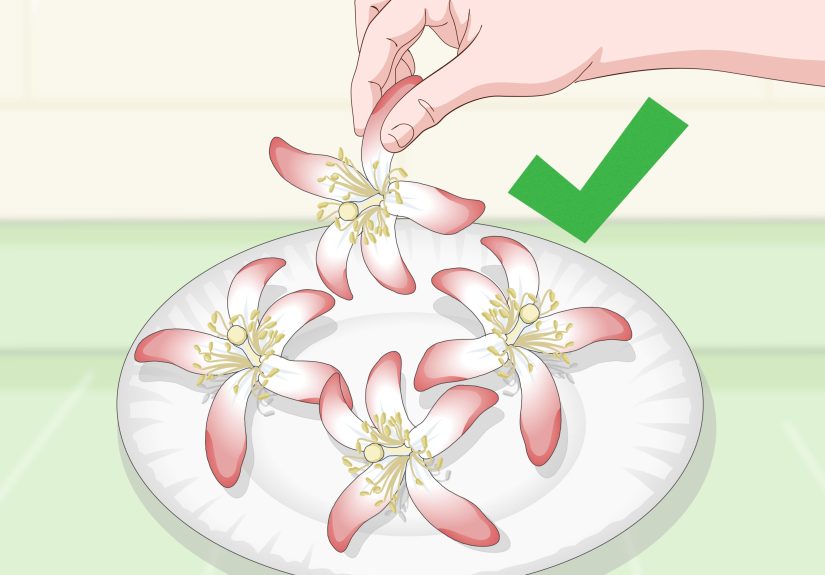
Take the flower apart gently. Remove the bloom head from the stem. If the petals can be separated from the center, even better. Working with individual petals or smaller sections makes it easier to apply color evenly, control intensity, and create natural gradients. It also helps you keep green stems and plastic centers from accidentally becoming the same color as the petals, which can look less “garden romance” and more “craft store accident.”
Step 4: Clean Off Dust, Coatings, and Craft-Store Mystery Residue
Faux flowers often have dust, packaging residue, or surface finishes that interfere with color absorption. Wipe petals gently with a barely damp cloth, or rinse quickly in cool water if the material allows it. Let them dry or remain just slightly damp, depending on your chosen method. Clean petals take color more evenly, and that alone can make the difference between a custom finish and a streaky mess.
Step 5: Choose the Right Coloring Method
This is the heart of the project. If your flowers are real silk, nylon, or another dye-friendly fabric, a fabric dye or silk-compatible dye can work well. If they are polyester or synthetic, you may need a dye formulated for synthetics and a hotter process. If the petals seem resistant, use fabric paint, a free-flowing textile color, diluted craft paint made suitable for fabric-like surfaces, or a spray approach for surface tinting. There is no single universal formula because faux flowers are a mixed-material world. The best method is the one your flower will actually accept.
Step 6: Test on a Hidden Petal First
Never trust your imagination more than a test petal. Mix a small batch of color and try it on one spare petal, the underside of a bloom, or a flower you can afford to sacrifice to science. Check how quickly it absorbs, how dark it dries, whether the fabric stiffens, and whether the result looks natural. Wet color almost always looks deeper than the final dry shade, so do not panic if the test looks intense at first. Let it dry completely before judging.
Step 7: Mix Your Dye or Color in Thin, Buildable Layers
Beginners often go too dark, too fast. Resist that urge. Mix a lighter solution than you think you need. Thin applications give you room to build depth gradually, which creates more realistic petals. You can always add another pass. You cannot always rescue a flower that now resembles a neon traffic cone. For dip dyeing, prepare a shallow bath. For brush application, mix color in a bowl. For spraying, strain the mixture if necessary so the mister does not clog right when you are feeling confident.
Step 8: Pre-Wet or Mist the Petals for Softer Blending
Lightly damp petals often accept color more smoothly than bone-dry ones. A gentle mist helps prevent harsh edges and allows shading to spread in a more natural way. This is especially useful when you want watercolor-style variation, ombre edges, or a soft antique finish. Do not soak them unless your method requires immersion. The goal is cooperative petals, not tiny wet laundry.
Step 9: Apply the Color With a Dipping, Brushing, or Spraying Technique
Now for the fun part. Dip petals for full coverage, brush color from the center outward for natural depth, or spray lightly for a misted finish. Work from the lightest area to the darkest. On many flowers, darker centers and slightly tinted edges look more realistic than one solid shade. For roses and peonies, a deeper center can add dimension. For hydrangeas, varying the petals slightly makes the cluster look less manufactured. Rotate each piece as you work so no area gets overloaded.
Step 10: Build Dimension Instead of Chasing Flat Perfection
Real flowers are gloriously uneven. One petal catches more light. Another folds under. Edges fade. Centers deepen. Embrace that. Add a second tone if needed. Dust the tips with a slightly darker shade. Leave some pale areas intact. A custom-dyed faux flower usually looks better when it has tonal variation instead of trying too hard to look factory-uniform. Ironically, the less perfect it is, the more convincing it often becomes.
Step 11: Dry Fully and Reshape Gently
Lay petals flat on paper towels, hang small stems upside down, or set blooms on a rack to dry. A hair dryer on a cool or low setting can speed things up, but patience is usually safer. As the flowers dry, gently curl or fluff the petals back into shape. Some materials soften when damp and hold a lovely new form when dry. This is your chance to make the flowers look fuller, looser, or more natural than they did fresh out of the package.
Step 12: Reassemble, Evaluate, and Make Final Touches
Once everything is dry, put the flower back together. Check the arrangement in natural light. Add a little extra color to the center if it looks flat. Tone down an edge with a damp brush if it got too heavy. Pair the dyed flowers with greenery, filler stems, or companion blooms that support the new palette. Custom dyeing works best when the final arrangement feels intentional, not like you randomly attacked a bouquet with a paintbrush during a caffeine event.
Best Color Ideas for Dyed Silk Flowers
Need inspiration? Here are a few combinations that tend to look polished and stylish:
- Soft blush and champagne: ideal for weddings, bridal showers, and romantic centerpieces
- Dusty blue and lavender: lovely for spring arrangements and vintage styling
- Terracotta and rust: perfect for fall wreaths, boho decor, and warm event palettes
- Moody plum and burgundy: dramatic, elegant, and excellent for holiday tablescapes
- Antique cream with tea-stained edges: great for heirloom-inspired or cottage-style decor
- Blackened floral tones: striking for Halloween displays, editorial photo shoots, or modern arrangements
Common Mistakes to Avoid
Using the Wrong Dye for the Material
This is the biggest one. If the flower is synthetic and your dye is meant for natural fibers only, the color may barely stick. Always match the coloring method to the material.
Skipping the Test Petal
Testing feels boring until it saves your entire bouquet. One hidden petal can protect twenty expensive stems from disaster.
Applying Too Much Color at Once
Heavy first coats create blotches, stiffness, and fake-looking results. Light layers create depth and control.
Ignoring Dry Time
Reassembling damp petals can cause transfer, smudges, or flattened blooms. Let them dry all the way, even when your patience is trying to file a complaint.
How to Make Dyed Faux Flowers Look More Realistic
Use at least two tones instead of one. Darken the petal base slightly and keep the outer tips lighter. Add tiny inconsistencies rather than fighting for total uniformity. Mix flower sizes in the final arrangement. Bend stems into natural angles. Pair matte blooms with textured greenery. Most importantly, do not overwork every single petal. Real flowers are beautiful because they are not identical, and your dyed faux flowers should borrow that same confidence.
Real-World Experiences: What Dyeing Silk Flowers Actually Feels Like
The first time many people dye silk flowers, they assume the job will be quick: buy flowers, add color, feel brilliant, go home. Then step one arrives and suddenly half the bouquet is wired, one flower head refuses to come off the stem, and a “soft ivory rose” turns out to be some mysterious synthetic fabric that laughs in the face of your original plan. That is normal. In fact, it is practically part of the hobby.
A common experience is realizing that the flowers you almost donated are actually the best practice material. Older stems are perfect for experimentation because they take the pressure off. Once you stop trying to make every petal flawless, you start noticing what looks good in real arrangements: subtle edges, richer centers, slightly different shades from bloom to bloom. That is usually the moment this craft becomes genuinely fun.
Another shared lesson is that color behaves differently on every flower shape. Roses tend to reward gentle brush shading. Hydrangeas are great for soft tinting and tonal variation. Cheap daisies can surprise you by looking much better after one moody wash of color. And white flowers that seemed plain in the store often become the stars of the arrangement because they take custom color more gracefully than heavily pre-colored stems.
There is also a funny emotional arc to the project. At first, you are cautious. Then one test petal dries beautifully and suddenly you feel like a floral genius. Ten minutes later, you overdo one bloom, stare at it in silence, and begin negotiating with the universe. Then it dries lighter, looks better than expected, and your confidence returns. Dyeing silk flowers is not just a craft. It is a tiny roller coaster with petals.
People who keep at it often say the biggest improvement comes from slowing down. Not from buying more supplies. Not from chasing the “perfect” product. Just from working in layers and observing what the flowers need. A bloom that looks too pale when wet may dry beautifully. A flower that seems ruined can become the dark accent in the arrangement. A color mix that looks boring in the bowl can turn elegant on fabric. Experience teaches restraint, and restraint usually makes the flowers look more expensive.
There is also something satisfying about using dyeing to solve real design problems. Maybe the wedding palette changed and the flowers no longer match. Maybe the wreath needs one deeper shade to look finished. Maybe the decor feels too bright, too fake, too seasonal, or too new. Dyeing lets you nudge those flowers into the exact mood you want. It is customization in the most hands-on, forgiving, creative sense.
And perhaps the best part is that the results feel personal. Store-bought flowers are pretty. Custom-dyed flowers tell a story. They show decisions, taste, and a little courage. They say someone cared enough not to settle for the default color. Even when the process is messy, the finished arrangement often feels richer, softer, and more intentional than something pulled straight from the shelf. That kind of transformation is what keeps people coming back to the craft table, gloves on, bouquet in hand, ready to try “just one more shade.”
Final Thoughts
Learning how to dye silk flowers is part craft, part color study, and part joyful experimentation. The best results come from understanding your materials, choosing a method that suits them, and building color slowly. Whether you are refreshing old stems, designing wedding flowers on a budget, or creating a custom palette for your home, dyed faux flowers can look surprisingly beautiful when handled with patience and a little strategy.
Start with light blooms, test first, work in thin layers, and let the flowers dry fully before making final judgments. Once you get the hang of it, you will stop seeing artificial flowers as finished products and start seeing them as blank canvases with petals. And honestly, that is when the real fun begins.





 Close
Close