
Table of Contents >> Show >> Hide
- Why Flossing Matters (Even If You Brush Like a Champion)
- Before You Start: Pick the Right Floss (Yes, It Matters)
- How to Floss Properly (Step-by-Step)
- Step 1: Use the right amount
- Step 2: Wrap for control (the “clean finger / dirty finger” trick)
- Step 3: Slide in gentlydon’t snap
- Step 4: Make the “C” shape (the most important part)
- Step 5: Slide slightly under the gumline (gently!)
- Step 6: Up-and-down strokes, not sawing
- Step 7: Use a fresh section for the next gap
- Step 8: Don’t forget the back teeth
- Quick “Flossing Teeth Step by Step” Checklist
- Common Flossing Mistakes (And How to Fix Them)
- Should You Floss Before or After Brushing?
- How Often Should You Floss?
- “My Gums Bleed When I Floss.” Is That Bad?
- Flossing With Braces, Bridges, Implants, or Permanent Retainers
- Alternatives to Traditional String Floss (Interdental Cleaners)
- How to Help Kids (and Teens) Floss Without a Daily Argument
- How to Make Flossing a Habit That Actually Sticks
- Mini Troubleshooting Guide
- The Takeaway
- Real-World Flossing Experiences (So You Feel Less Alone)
- SEO Tags
Flossing is the dental equivalent of cleaning the corners of your room: nobody notices when you do it,
but everyone (including your gums) notices when you don’t. Brushing is great at handling the big, obvious
surfaces. But between-teeth spaces are where plaque loves to throw a house partyquietly, daily, and with
snacks.
This guide breaks down how to floss properly with a simple, repeatable method (no circus tricks required),
plus realistic tips for tight teeth, sensitive gums, braces, and “I swear the floss gets stuck every time” situations.
Why Flossing Matters (Even If You Brush Like a Champion)
Your toothbrush can’t reliably reach the narrow contact points between teeth or slide under the gumline the way floss can.
That’s where plaque builds up and can contribute to cavities between teeth, irritated gums, bleeding, and breath that
screams “I ate onions yesterday and I’m not sorry.”
The goal of flossing teeth isn’t to punish your gums. It’s to disrupt plaque, sweep out trapped food, and clean the sides
of each toothespecially just under the gumlinewithout snapping, sawing, or starting a tiny floss-related feud.
Before You Start: Pick the Right Floss (Yes, It Matters)
The “best” floss is the one you’ll use consistently, but comfort helps. Here’s how to match floss to your mouth:
- Waxed floss: Often glides easier for tight contacts and beginners.
- Unwaxed floss: Thinner feel; some people like the “grippy” texture.
- Dental tape: Wider and flatternice for slightly larger spaces or sensitive gums.
- PTFE/glide floss: Super slick for very tight teeth (great if floss tends to shred).
- Super floss / floss threaders: Helpful for bridges, braces, and around permanent retainers.
If you’re using floss picks, choose sturdy ones and focus on technique. They’re convenient, and “convenient and used”
beats “perfect and never touched.”
How to Floss Properly (Step-by-Step)
This is the classic, dentist-approved approachoften called the “spool method.” It gives you control and lets you use a
clean section for each space (because reusing the same tiny segment is basically moving yesterday’s plaque around like a
houseplant).
Step 1: Use the right amount
Pull out about 18 inches of floss. It sounds dramatic, but it’s the difference between “clean sections for each gap”
and “why is this floss suddenly… fuzzy?”
Step 2: Wrap for control (the “clean finger / dirty finger” trick)
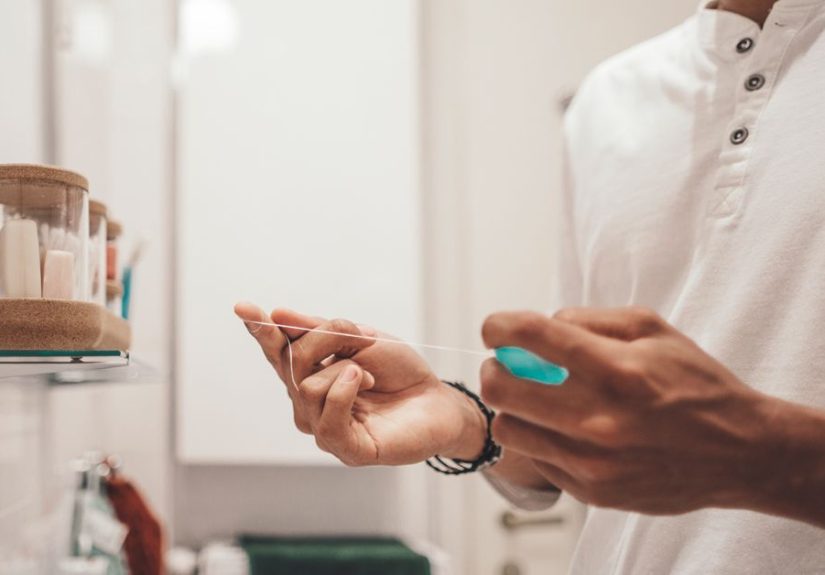
Wind most of the floss around the middle finger of one hand (your “clean” supply). Wind the rest around the middle finger
of the other hand (your “take-up reel”). Leave about 1–2 inches taut between your thumbs and index fingers.
Step 3: Slide in gentlydon’t snap
Guide floss between two teeth using a gentle back-and-forth motion. If you snap it down like you’re trying to crack a safe,
your gums will file a complaint. Slow and steady wins the plaque.
Step 4: Make the “C” shape (the most important part)
When the floss reaches the gumline, curve it into a C-shape around one tooth. This “hug the tooth” move is the key to
proper flossing techniqueyou’re cleaning the side of the tooth, not slicing the gum.
Step 5: Slide slightly under the gumline (gently!)
Keeping the floss hugged to the tooth, glide it slightly beneath the gumline until you feel light resistancethen stop.
You’re cleaning under the edge of the gum, not digging for treasure.
Step 6: Up-and-down strokes, not sawing
Move the floss up and down along the side of the tooth several times. Think “polish the tooth wall,” not “cut wood.”
Then repeat on the neighboring tooth surface in the same space.
Step 7: Use a fresh section for the next gap
Unwind a little from the clean finger and wind it onto the take-up finger so you’re using clean floss as you go.
Step 8: Don’t forget the back teeth
Molars matter. Angle your fingers to reach the very last tooth on each side. If you only floss the front, plaque will
quietly move to the back like it’s avoiding rent.
Quick “Flossing Teeth Step by Step” Checklist
- 18 inches of floss.
- Taut 1–2 inches between fingers.
- Gentle glide between teeth (no snapping).
- C-shape “hug” on one tooth.
- Slide slightly under gumline.
- Up-and-down strokes.
- Repeat on the other tooth surface.
- Fresh floss section for the next space.
Common Flossing Mistakes (And How to Fix Them)
Mistake 1: Snapping floss into your gums
Fix: Use a gentle rocking motion to get past the contact point. Slow down at the gumline.
Mistake 2: Only flossing “between,” not around the tooth
Fix: Always do the C-shape on both tooth surfaces. Plaque clings to the sides.
Mistake 3: Sawing back and forth aggressively
Fix: Switch to up-and-down strokes with floss pressed against the tooth. If it shreds, try a slicker floss.
Mistake 4: Reusing the same inch of floss everywhere
Fix: Advance the floss as you moveclean section per gap.
Mistake 5: Skipping the back teeth
Fix: Start with a molar so you’re not “tired and bargaining” by the time you get there.
Should You Floss Before or After Brushing?
There’s some debate, but here’s the practical answer: do both daily, and do them well.
Many dentists like flossing first because it clears debris so fluoride toothpaste can better reach between teeth.
Others say the “best” time is simply the time you’ll stick with (morning, night, or after lunch).
How Often Should You Floss?
For most people, once a day is the standard recommendation for cleaning between teeth.
If you’re prone to food getting stuck, have gum inflammation, or wear orthodontic gear, your dentist may suggest
cleaning between teeth more thoughtfully (sometimes with additional tools).
“My Gums Bleed When I Floss.” Is That Bad?
A small amount of bleeding can happen if you’re new to flossing or returning after a long breakyour gums may be inflamed
and sensitive. Gentle, consistent flossing often helps calm that down over time.
But bleeding isn’t something to ignore forever. If your gums bleed heavily, hurt, look swollen, or keep bleeding after
you’ve been flossing daily for a week or two, it’s smart to check in with a dentist. Also: if flossing hurts, that’s a sign
to adjust technique (less force, more “hug the tooth”) or ask for guidance.
Flossing With Braces, Bridges, Implants, or Permanent Retainers
Braces
Standard floss can be tricky with wires. Try a floss threader, orthodontic “super floss,” or a water flosser as an add-on.
The goal is still the same: clean around each tooth and under the gumline, without yanking on hardware.
Bridges
Bridges can trap plaque underneath. A floss threader or special bridge/implant floss helps guide floss under the bridge
so you can clean the area that brushing can’t reach.
Implants
Clean around implants carefully. Many people do well with soft floss, interdental brushes designed for implants, or oral
irrigators. Ask your dental team what’s best for your specific implant setup.
Alternatives to Traditional String Floss (Interdental Cleaners)
If string floss is difficultbecause of arthritis, braces, tight spacing, gag reflex, or just plain frustrationyou still
have options. The goal is cleaning between teeth daily.
- Interdental brushes: Tiny brushes that slide between teeth (great for larger spaces).
- Water flossers (oral irrigators): Helpful around braces, bridges, and implants; great for people who struggle with string floss.
- Floss holders: Keep floss stable if finger wrapping is tough.
- Floss picks: Convenient for travel and quick routines (focus on C-shape “hugging” as much as the pick allows).
How to Help Kids (and Teens) Floss Without a Daily Argument
Kids can start flossing when they have two teeth that touchbecause that’s when a toothbrush can’t clean between them.
At first, adults usually need to do it. Many kids can take over later (often around the pre-teen years) when their hands
can manage the coordination.
Make it easier:
- Keep it short: One clean pass for each tight contact is a win.
- Use tools: Child-friendly floss picks or holders can reduce frustration.
- Pair with a habit: Floss happens right after brushing at nightno negotiations.
- Stay positive: Avoid “You’ll get cavities!” and go with “Let’s kick out the hidden crumbs.”
How to Make Flossing a Habit That Actually Sticks
Motivation is unreliable. Systems work. Try these:
- Lower the barrier: Put floss where you’ll see it (by the toothbrush, on your nightstand, in your bag).
- Anchor it: “After I brush at night, I floss.” Same order, same time.
- Start small: Begin with 4–6 teeth for a week, then expand. Consistency beats intensity.
- Track it: A simple calendar checkmark is surprisingly powerful.
- Make it pleasant: Listen to a song, a podcast, or do it during a 2-minute skincare step.
Mini Troubleshooting Guide
If floss keeps getting stuck
- Try a slicker floss (PTFE/glide) or waxed floss.
- Use a gentler back-and-forth motion to break the contact point.
- If it consistently shreds or catches in one spot, ask your dentistthere may be a rough filling edge or tight contact.
If your teeth are very tight
- Choose thinner floss that slides more easily.
- Go slow at the contact point, then switch to the C-shape cleaning strokes.
If you have larger gaps
- Dental tape or interdental brushes can be more effective than thin floss.
- Ask your dentist what size interdental brush is safest for your gums.
If you have a sensitive gag reflex
- Breathe through your nose, keep your tongue relaxed, and start with front teeth first.
- Consider a floss holder or water flosser to reduce finger traffic in the back of your mouth.
The Takeaway
If you remember only one thing, make it this: hug the tooth in a C-shape and clean gently under the gumline.
That’s the heart of how to floss properly. Do it once a day, keep it gentle, use the tool you’ll actually use,
and ask your dentist for personalized tips if you have braces, bridges, implants, or ongoing bleeding.
Real-World Flossing Experiences (So You Feel Less Alone)
If flossing has ever made you feel like you missed a class everyone else attendedwelcome to the club. The most common
flossing experience is this: you start strong, your gums complain, you get discouraged, and you assume you’re “bad at it.”
You’re not. You’re just new, and your mouth is adjusting to a habit it’s been politely requesting for years.
Many people notice a little bleeding in the first few days of daily flossing. It’s not a sign you should quitit’s often
a sign your gums were inflamed and are finally getting cleaned properly. The key is going gentler, not harder. When people
switch from snapping floss down to sliding it in slowly and doing the C-shape “tooth hug,” bleeding and soreness often
improve because they stop poking the gum tissue and start cleaning the tooth surface like they meant to all along.
Another relatable moment: the “floss shredding mystery.” You’re flossing, you pull it out, and suddenly it looks like a
tiny broom. That’s usually a floss type issue (try waxed or glide floss), or a sign there’s a rough spot between teeth
catching the fibers. Plenty of people only discover they have a snagging filling edge because floss keeps tearing in the
same place. That’s a very normal reason to mention it at your next dental visitquick fixes exist.
People with braces often describe flossing as “a chore with extra paperwork.” Using a floss threader or orthodontic floss
can turn it from a 15-minute adventure into something manageable. And lots of folks use a water flosser as their “weekday
helper,” then do string floss a few times a week for a more hands-on clean. Dental routines don’t have to be all-or-nothing.
The best routine is the one you can repeat without resenting your bathroom mirror.
Then there’s the “I only floss the teeth I want to keep” jokewhich is funny until you realize plaque doesn’t respect
your preferences. Many people get consistent by shrinking the task: floss just the back molars for a week, then add more.
Once it’s automatic, it stops feeling like a project. Another habit hack people swear by is leaving floss where temptation
is strongestnext to the toothbrush, in the shower, or even by the couch if nighttime TV is your daily ritual. (Yes, couch
flossing is a thing. No, the floss police won’t arrest you.)
Finally, one of the most satisfying experiences people report is the “clean tooth feeling” after a week or twoless stuff
getting stuck, fresher breath, and gums that look calmer. It’s subtle, but it’s real. Flossing isn’t glamorous. It’s not
going viral on social media. But it’s one of those low-effort, high-impact habits that pays you back quietlylike saving
money, stretching, or actually replying to texts. Okay, maybe flossing is easier than replying to texts.






 Close
Close