
Table of Contents >> Show >> Hide
- What Is Curtain Hair?
- How to Get Curtain Hair: 11 Steps
- Step 1: Grow Your Hair to the Right Length
- Step 2: Decide Which Curtain Hair Style Fits Your Hair Type
- Step 3: Bring Reference Photos to Your Barber or Stylist
- Step 4: Ask for Layers That Create Movement
- Step 5: Train Your Middle Part
- Step 6: Wash and Condition Without Weighing Hair Down
- Step 7: Start Styling on Damp Hair
- Step 8: Blow-Dry for Shape and Volume
- Step 9: Add Texture Without Making Hair Stiff
- Step 10: Adjust the Finish With Your Fingers
- Step 11: Maintain the Cut Every 4 to 8 Weeks
- Best Products for Curtain Hair
- Common Curtain Hair Mistakes to Avoid
- How to Style Curtain Hair Fast in the Morning
- Personal Experience: What Getting Curtain Hair Actually Feels Like
- Conclusion
Curtain hair is back, and honestly, it looks like it never fully left. The style has that relaxed, “I woke up handsome but also own a blow dryer” energy: longer hair on top, a clean or textured middle part, and front pieces that fall to both sides likeyou guessed itcurtains. Think 90s movie heartthrob, modern K-pop polish, soft skater texture, or the effortlessly cool guy in a coffee shop who somehow makes messy hair look professionally negotiated.
The good news? You do not need a celebrity stylist living in your bathroom to get curtain hair. You need the right length, a cut that supports the shape, a few basic styling tools, and a little patience while your hair learns its new job. Whether your hair is straight, wavy, thick, fine, or slightly rebellious before 9 a.m., this guide will walk you through how to get curtain hair in 11 practical steps.
Below, you will learn what to ask your barber or stylist, how long your hair should be, which products actually help, and how to style curtain hair without turning your head into a helmet made of gel. Let’s open the curtains.
What Is Curtain Hair?
Curtain hair is a middle-part hairstyle where the front section of the hair separates and falls on both sides of the face. The look usually includes medium-length hair on top, layered or tapered sides, and enough movement in the front to frame the face naturally. Some versions are sleek and polished, while others are messy, fluffy, or textured.
The classic curtain haircut became famous in the 1990s, but the modern version is more flexible. Today’s curtain hair can be worn with a fade, undercut, shaggy layers, longer surfer-style hair, or a soft Korean-inspired middle part. The key is balance: the hair should split cleanly, fall naturally, and move instead of sitting flat like a disappointed pancake.
How to Get Curtain Hair: 11 Steps
Step 1: Grow Your Hair to the Right Length
Before you can style curtain hair, you need enough length to create the curtain effect. In most cases, the front pieces should reach at least your eyebrows or the bridge of your nose when pulled down. If your hair is currently short, expect a growing-out phase of a few months, depending on how fast your hair grows.
For a shorter curtain hairstyle, aim for about 3 to 4 inches on top. For a fuller, more dramatic version, 5 to 7 inches gives you more flow and movement. The sides can stay shorter, especially if you want a modern curtain haircut with a taper or fade.
During the grow-out stage, keep the hair tidy with light trims. Do not cut the front too aggressively, or your future curtains will become tiny blinds.
Step 2: Decide Which Curtain Hair Style Fits Your Hair Type
Curtain hair works on many hair types, but the styling method changes depending on texture. Straight hair often creates a cleaner, sharper middle part. Wavy hair gives the style natural movement and a relaxed finish. Thick hair may need layering or thinning to avoid too much bulk. Fine hair usually benefits from lightweight volume products and careful blow-drying.
If your hair is curly, you can still wear curtain hair, but you may need longer layers because curls shrink as they dry. A stylist can shape the front so it opens around the face without forcing your natural texture to behave like straight hair. That battle rarely ends well.
Step 3: Bring Reference Photos to Your Barber or Stylist
One person’s “curtain hair” may be another person’s “middle-part mushroom,” so reference photos are your best friend. Bring two or three images that show the exact length, shape, and finish you want. Choose photos with hair similar to yours if possible.
When talking to your barber or stylist, say something clear like: “I want a middle-part curtain haircut with longer layers in the front, enough length to fall around my face, and sides that are tapered but not too short.” If you want a fade, mention how high or low you want it. If you prefer a softer look, ask for blended layers instead of a harsh disconnect.
The more specific you are, the less likely you are to leave the chair looking like you lost a disagreement with a lawn mower.
Step 4: Ask for Layers That Create Movement
Layers are what make curtain hair fall correctly. Without them, medium-length hair can look heavy, flat, or triangular. Your stylist may add shorter internal layers, face-framing pieces, or soft texture through the ends so the hair naturally parts and moves away from the face.
For thick hair, layering removes weight and helps the curtains swing instead of clump. For fine hair, subtle layers can add shape without making the hair look thinner. The goal is not to chop the hair into obvious steps; it is to create flow.
A good curtain haircut should look decent even before styling. Products and tools help, but the cut is the foundation. Styling a bad cut is like trying to decorate a cake that collapsed in the ovenyou can try, but everyone knows.
Step 5: Train Your Middle Part
If your hair naturally falls to one side, the middle part may need training. Start by parting damp hair down the center after washing. Use a comb for a clean line or your fingers for a softer, natural part. Then blow-dry the hair while directing each side away from the center.
At first, your hair may try to return to its old part. Be patient. Hair has habits, and some strands are stubborn little employees. Keep styling it in the same direction every day, and the part will usually become easier over time.
If your natural part is slightly off-center, you do not have to force a perfect ruler-straight split. A slightly imperfect middle part often looks more relaxed and wearable.
Step 6: Wash and Condition Without Weighing Hair Down
Curtain hair looks best when it has movement, not grease, flakes, or product buildup. Wash your hair based on your scalp type. If your scalp gets oily quickly, you may need to shampoo more often. If your hair is dry or textured, washing too frequently can remove natural oils and make the style frizzy.
Use conditioner on the mid-lengths and ends, especially if your hair is longer, wavy, curly, or prone to dryness. Avoid loading conditioner directly onto the roots if your hair gets flat easily. Curtain hair needs softness, but it also needs lift at the front.
Once a week, consider a clarifying shampoo if you use wax, pomade, sea salt spray, or hairspray often. Buildup can make the curtains hang sadly instead of opening with style.
Step 7: Start Styling on Damp Hair
The best time to shape curtain hair is when it is damp, not soaking wet and not fully dry. After showering, gently blot your hair with a towel or soft T-shirt. Avoid rough towel rubbing, which can cause frizz and make longer hair harder to control.
Apply a small amount of product before blow-drying. For fine hair, use volumizing mousse, light styling cream, or sea salt spray. For thick hair, try a smoothing cream, lightweight pomade, or texture clay. For wavy hair, a curl cream or leave-in conditioner can help define movement without crunch.
Start with less product than you think you need. You can always add more. Removing too much product, unfortunately, usually means washing your hair again and questioning your life choices.
Step 8: Blow-Dry for Shape and Volume
Blow-drying is the secret weapon behind many good curtain hairstyles. Use medium heat when possible, and point the airflow in the direction you want the hair to fall. Begin by drying the roots near the middle part, lifting slightly with your fingers or a brush to create volume.
For a soft curtain shape, push each front section away from the center while drying. A round brush can help create a gentle bend, but do not overdo it unless you want dramatic bounce. A vent brush or your fingers can create a more natural finish.
Once the hair is almost dry, switch to cool air for a few seconds. Cooling the hair helps set the shape. This is the difference between “styled curtain hair” and “wind lost a fight on my forehead.”
Step 9: Add Texture Without Making Hair Stiff
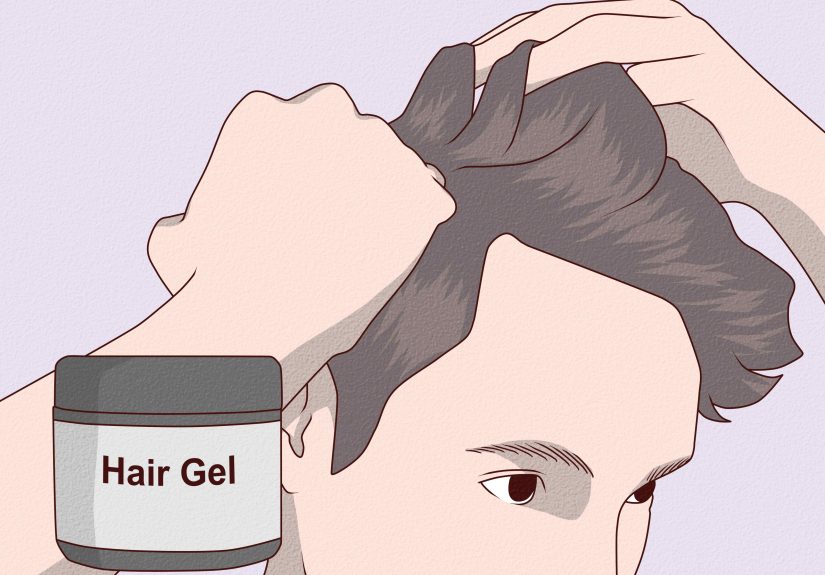
Modern curtain hair should move. That means heavy gel is usually not the best choice unless you want a wet, slick look. For everyday styling, choose products that give light to medium hold.
Sea salt spray adds beachy texture and works well for straight or slightly wavy hair. Texture powder can lift fine hair at the roots. Matte clay can control thick hair while keeping a natural finish. Styling cream is great for softness and light control. Flexible hairspray can lock in the shape without making the hair crunchy.
Apply product mostly through the mid-lengths and ends, then lightly touch the front. Too much product at the roots can flatten the style. Too much product in the fringe can make your curtains look like they need a shower and a motivational speech.
Step 10: Adjust the Finish With Your Fingers
Once the hair is dry, use your fingers to shape the final look. Pull the front pieces slightly away from the face, separate any clumps, and loosen the part if it looks too perfect. Curtain hair should look intentional, but not like you used a geometry set to place every strand.
If you want a cleaner look, use a comb to define the part and smooth the sides. If you want a messier style, shake out the roots and use a small amount of texture spray. For extra volume, lift the front sections and apply a tiny bit of texture powder near the roots.
The best curtain hair has personality. It frames your face, moves naturally, and survives normal human activities like walking, laughing, and accidentally checking your reflection in dark windows.
Step 11: Maintain the Cut Every 4 to 8 Weeks
Curtain hair needs maintenance, especially around the front and sides. If your bangs get too long, they can fall into your eyes. If the sides grow too bulky, the shape can lose balance. Most people should schedule trims every 4 to 8 weeks, depending on hair growth, length, and desired style.
Ask your stylist to clean up the ends, refresh the layers, and maintain the middle-part shape. If you have a fade or taper, you may need more frequent visits to keep the sides sharp.
Do not panic if your curtain hair changes as it grows. One of the best things about this hairstyle is that it evolves well. Short curtains become medium curtains. Medium curtains become dreamy, longer curtains. Eventually, you either trim them or start pricing guitars and leather jackets.
Best Products for Curtain Hair
For Fine Hair
Fine hair needs lift without weight. Look for volumizing mousse, texture powder, lightweight sea salt spray, or flexible hairspray. Avoid heavy waxes and thick pomades, which can make the hair collapse.
For Thick Hair
Thick hair often needs control and weight management. A matte clay, styling cream, or light pomade can help keep the curtain shape in place. Ask your stylist for layers if your hair feels too bulky.
For Wavy Hair
Wavy hair is excellent for curtain styles because it already has movement. Use curl cream, leave-in conditioner, or sea salt spray to define the wave. Avoid brushing dry waves too much, as this can create frizz.
For Straight Hair
Straight hair may need extra volume at the roots. Blow-dry with lift, use a light mousse, and finish with texture spray. A slightly layered cut can keep the style from looking too flat.
Common Curtain Hair Mistakes to Avoid
Using Too Much Product
Curtain hair should look touchable. If your hair feels sticky, greasy, or stiff, you are probably using too much product. Start with a pea-sized amount of cream or clay and build slowly.
Forcing a Perfect Middle Part
A clean middle part can look great, but it does not have to be perfectly centered. A natural, slightly relaxed part often looks better and is easier to maintain.
Skipping Heat Protection
If you blow-dry often, use a heat protectant. Heat styling can dry out hair over time, especially if you use high heat every day. Medium heat, partial air-drying, and occasional heat-free days can help keep your hair healthier.
Cutting the Front Too Short
The front section is the star of curtain hair. If it is cut too short, it cannot fall properly to both sides. When in doubt, leave a little extra length and adjust gradually.
How to Style Curtain Hair Fast in the Morning
If you are short on time, lightly dampen the front section of your hair with water. Create your part with your fingers, apply a small amount of styling cream or texture spray, then blow-dry the front pieces away from the center for one to two minutes. Finish by shaping with your fingers.
For second-day hair, dry shampoo can absorb oil and add volume. Spray it near the roots, wait a minute, then massage it in. This helps revive the curtain shape without starting from zero.
If your hair refuses to cooperate, do not panic. Some days the curtains open beautifully; other days they resemble theater drapes during an earthquake. A hat is not defeat. It is strategy.
Personal Experience: What Getting Curtain Hair Actually Feels Like
Getting curtain hair sounds simple until you actually begin the process. The first surprise is the growing-out phase. There is a point where your hair is too long to be “short” but too short to be “cool and flowing.” This is the awkward middle stage, also known as the hairstyle waiting room. During this time, the front pieces may poke your eyes, flip in weird directions, or make you wonder whether you should abandon the mission and return to your old haircut. Do not quit too early. Curtain hair needs length before it starts looking intentional.
The second lesson is that the haircut matters more than most people think. You can watch every tutorial, buy every product, and still struggle if the cut is too blunt or too heavy. When the layers are right, styling becomes much easier. The front naturally separates, the sides sit better, and the shape looks more relaxed. When the layers are wrong, you may spend twenty minutes blow-drying only to end up with hair that looks like it is trying to leave your head in two different directions.
Another real-world discovery is that curtain hair changes depending on the weather. Humidity can make straight hair puffier and wavy hair more unpredictable. Dry air can make the ends look flat or fuzzy. This is why flexible styling is important. On humid days, a small amount of smoothing cream can help. On flat days, sea salt spray or texture powder can bring back volume. The goal is not to force the exact same hairstyle every day; it is to understand what your hair is doing and work with it.
Blow-drying also makes a bigger difference than expected. Many people try to get curtain hair by simply combing a middle part and walking away. Sometimes that works, especially if your hair naturally falls that way. But for most people, a quick blow-dry gives the front pieces lift, direction, and shape. You do not need salon-level skills. Just dry the roots first, push the front sections away from the center, and let the hair cool in place. That small routine can turn “random middle part” into actual curtain hair.
Product choice is another trial-and-error adventure. Heavy gel may hold the shape, but it often kills movement. Too much pomade can make the hair greasy. Too much sea salt spray can make it dry or stiff. The best result usually comes from using a small amount of lightweight product and adding more only if needed. Curtain hair is supposed to look effortless, even if you absolutely made effort. That is the magic trick.
Maintenance is the final lesson. Curtain hair grows out nicely, but it still needs trims. The front can become too long, the ends can lose shape, and the sides can get bulky. A light trim every few weeks keeps the style looking fresh without removing the length you worked so hard to grow. Once the haircut settles and the middle part is trained, the style becomes surprisingly easy. It can look casual, polished, retro, modern, neat, messy, or somewhere in between. That flexibility is exactly why curtain hair keeps coming back.
Conclusion
Learning how to get curtain hair is really about combining the right cut, the right length, and the right styling habits. Start by growing enough hair in the front, ask for soft layers and a middle-part shape, then train your hair with consistent styling. Use lightweight products, blow-dry for volume, and maintain the cut with regular trims.
The best curtain hairstyle does not look forced. It frames your face, moves naturally, and gives you that relaxed confidence that says, “Yes, my hair does this on purpose.” With patience and a little practice, curtain hair can become one of the most versatile and flattering styles in your grooming routine.







 Close
Close