
Table of Contents >> Show >> Hide
- First: What Are “Sugar Ants,” Exactly?
- The Most Effective Strategy: Think Like an Ant (Not Like a Flamethrower)
- Step-by-Step: How To Get Rid of Sugar Ants (For Real)
- Step 1: Follow the ant “highway” to find their entry point
- Step 2: Remove their food supply (the “kitchen reset”)
- Step 3: Clean the trailwithout ruining your bait plan
- Step 4: Fix moisture (ants love a kitchen spa day)
- Step 5: Use ant baits correctly (this is where most people accidentally lose)
- Step 6: Seal entry points (exclusion = the long-term win)
- Step 7: Do a quick outdoor “ant-proofing” loop
- Step 8: Monitor and adjust (because ants are stubborn, not magical)
- Common Mistakes That Keep Sugar Ants Coming Back
- When to Call a Professional
- Quick Action Plan: What To Do Today vs. This Week
- Real-Life Experiences: What Getting Rid of Sugar Ants Usually Looks Like (500+ Words)
- Conclusion
Sugar ants are the world’s tiniest roommates with the biggest opinions about your pantry.
One minute your kitchen is peaceful; the next, it’s a six-legged parade heading straight for the
sticky spot you “totally cleaned up” yesterday. The good news: you don’t need to declare war on
your entire house. You need a smart planone that removes what attracts them, blocks how they
get in, and uses the right tools (hint: slow-acting baits, not frantic spray-and-pray).
This guide walks you through a practical, real-world approach to getting rid of sugar ants and
keeping them from coming backwithout turning your home into a chemistry lab.
First: What Are “Sugar Ants,” Exactly?
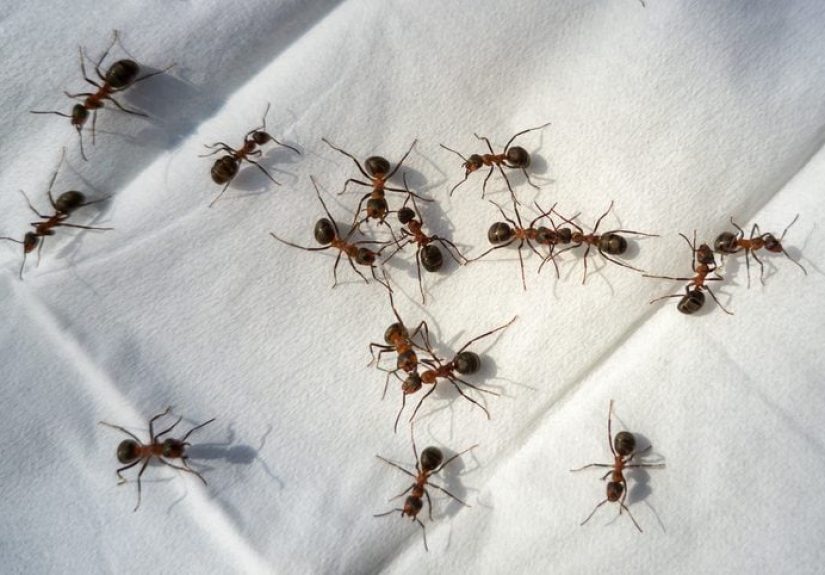
“Sugar ant” isn’t one specific species. It’s a nickname people use for small household ants that
love sweetsoften odorous house ants, pavement ants, little black ants, and a few other frequent
indoor visitors. Different ants can prefer different foods (sweets vs. proteins/grease), and that’s
why one bait works like magic for your neighbor… while your ants act like you served them the wrong entrée.
Why this matters
- The right bait depends on what they’re craving. Sweet-seeking ants usually go for liquid or gel sweet baits.
- Sprays can make you feel productive (you saw ants die!), but often don’t solve the colony problem.
- Ants use scent trails. That “line” you see is basically their GPS routeremove the attraction and interrupt the route, and you’re already winning.
The Most Effective Strategy: Think Like an Ant (Not Like a Flamethrower)
The goal is simple: stop the ants from finding food and water, stop them from entering,
and get the colony to “self-eliminate” using slow-acting bait they carry back to their nest.
Pest pros call this an Integrated Pest Management (IPM) approach, and it’s effective because it targets the
reason ants show up in the first place.
Step-by-Step: How To Get Rid of Sugar Ants (For Real)
Step 1: Follow the ant “highway” to find their entry point
Before you start cleaning like a game-show contestant, take two minutes to observe. Where are they coming from?
Common entry points include:
- Gaps around windows and door frames
- Cracks in baseboards or flooring edges
- Where pipes and wires enter the wall (under sinks is a classic)
- Gaps around cabinets, backsplashes, and countertops
If you can locate the entry point, you’ll know where to focus bait placement and where to seal later.
(And yes, it feels a little creepy to trail them like a detectivebut it works.)
Step 2: Remove their food supply (the “kitchen reset”)
Ants don’t invade because your home is “dirty.” They invade because they’re excellent at finding microscopic snacks.
Your job is to make your kitchen boring.
- Wipe sticky spots: counters, cabinet handles, appliance fronts, and the backsplash.
- Check the usual suspects: toaster crumb tray, under the coffee maker, around the trash can, recycling bin drips.
- Store sweets airtight: sugar, cereal, granola bars, honey, syrup, fruit snacks, even vitamins.
- Don’t forget pet bowls: pick up food after feeding time; store kibble in sealed containers.
- Rinse recyclables: soda cans and juice bottles can be ant magnets.
Step 3: Clean the trailwithout ruining your bait plan
You want to remove scent trails, but timing matters. Here’s the practical way to do it:
- Clean everywhere that has food residue (always).
- Place bait first if you’re going to bait (next step).
-
After bait is set, avoid aggressively scrubbing the exact trail between the ants and the bait for a day or two.
You want them to keep recruiting their friends to the bait station. -
Once feeding slows, wipe trails with soapy water (or a mild vinegar-and-water wipe on non-porous surfaces)
to reduce re-trailing.
Big safety note: don’t mix cleaners (especially bleach with anything acidic like vinegar). If you’re using any cleaning product,
follow the label directions and ventilate the area.
Step 4: Fix moisture (ants love a kitchen spa day)
Even “sugar ants” need water. Moisture makes your home more attractive and can support indoor nesting for some species.
Do a quick moisture sweep:
- Repair leaky faucets and under-sink drips
- Dry out damp sponges and dishcloth piles
- Address condensation under the sink or around the fridge water line
- Check clogged gutters or downspouts that dump water near the foundation
Step 5: Use ant baits correctly (this is where most people accidentally lose)
For most sugar-ant situations, baits are the best tool. The concept is beautifully sneaky:
ants eat the bait, carry it back, share it, and the colony gradually collapses.
How to choose the right bait (without becoming an entomologist)
- Seeing ants chasing sweets? Start with a sweet liquid or gel bait.
- Seeing ants near grease or protein? Try a bait formulated for that preference (many brands label this clearly).
- If they ignore one bait: Don’t take it personally. Switch to a different formulation after a couple of days.
Where to place bait (the “right place” is boring, not dramatic)
- Along trails and near entry points
- Under the sink, behind the trash can, under appliances (if accessible)
- Along baseboards where ants travel
The bait rules that actually matter
- Be patient: bait is slow by design. It can take days to weeks depending on the colony.
- Don’t spray near bait: repellents can keep ants away from the bait (and break the whole plan).
- Don’t wipe up every ant immediately: you need workers to transport bait back home.
- Use enough bait: too little is like putting out one French fry at a football game.
- Keep bait away from kids and pets: use tamper-resistant stations and place them where little hands and paws can’t reach.
If you’re under 18, get a parent/guardian to handle any pesticide product (including ant baits) and follow the label directions exactly.
In the U.S., the label is the lawseriously.
Step 6: Seal entry points (exclusion = the long-term win)
Once baiting is underway (or once the ant traffic slows), block their routes so the next scouting mission fails.
Focus on the entry point you identified earlier and then expand outward.
- Caulk small cracks: baseboards, trim gaps, window edges, backsplash seams
- Weather-strip doors and windows and install/replace door sweeps
- Seal pipe gaps: where plumbing enters walls under sinks
- Repair screens and tighten loose window frames
Step 7: Do a quick outdoor “ant-proofing” loop
Many household ants nest outdoors and forage inside. A few simple yard and exterior tweaks can reduce repeat invasions:
- Trim vegetation so branches/shrubs don’t touch the house (easy ant bridges).
- Keep mulch and leaf litter from piling against the foundation.
- Store firewood away from the home and off the ground when possible.
- Check plants for aphids (ants harvest their honeydew like it’s a tiny farm-to-table café).
Step 8: Monitor and adjust (because ants are stubborn, not magical)
After you set bait and reduce food sources, keep an eye on activity:
- Daily for the first week: is bait being consumed? Are trails shrinking?
- Replace dried-out bait and keep stations in place a few days after activity stops.
- If activity moves: place additional bait along the new trail and keep food sources locked down.
Common Mistakes That Keep Sugar Ants Coming Back
- Using sprays instead of baiting: you kill visible ants but not the colony.
- Not removing competing food: ants choose your crumbs over your bait.
- Not using enough bait: the colony never gets a full dose.
- Switching tactics too fast: bait needs time to work.
- Leaving moisture problems: leaks quietly support ongoing ant activity.
- Skipping exclusion: even if you win today, the next scouts can re-enter tomorrow.
When to Call a Professional
Most sugar-ant invasions are DIY-fixable. But sometimes calling a licensed pest management professional saves money, time, and sanityespecially if:
- You see ants daily for 2–3 weeks despite strict sanitation and proper baiting
- You suspect carpenter ants (large ants, wood-related moisture issues, or repeated indoor sightings)
- You suspect pharaoh ants (tiny yellowish ants that can be difficult to control without specialized baiting strategies)
- You can’t find the entry point and the infestation spans multiple rooms
Quick Action Plan: What To Do Today vs. This Week
In the next 10 minutes
- Identify the main trail and entry zone
- Wipe up obvious sticky spills and put sweets away
- Take out trash and rinse recycling
In the next 24 hours
- Set a sweet liquid/gel bait along the trail (tamper-resistant placement)
- Fix any leaks and dry damp areas
- Keep counters crumb-free and store food airtight
Over the next 7 days
- Monitor bait consumption and replace as needed
- Add bait stations if trails shift
- Seal cracks and gaps once activity slows
- Trim outdoor “ant bridges” and reduce foundation moisture
Real-Life Experiences: What Getting Rid of Sugar Ants Usually Looks Like (500+ Words)
If you’ve ever felt personally judged by a line of ants marching across your counter, you’re not alone.
Homeowners often describe sugar ants as “random,” but the pattern is usually predictable once you know where to look.
Here are a few common scenarios people run intoand what tends to work in the real world.
Experience #1: “They appear out of nowhere… right after I cleaned.”
This is the classic. Someone wipes the counters, runs the dishwasher, even lights a “fresh linen” candle…
and then ants show up like they’re RSVP’d. What’s happening is usually one of two things:
(1) a tiny sugary residue survived in a spot you didn’t think about (under the coffee maker, around the syrup bottle,
the trash can rim, a drip near the recycling), or (2) the ants already found the food earlier and laid a scent trail,
so the “scouts” keep returning even if the buffet is gone.
In this situation, the best results tend to come from pairing a true kitchen reset (including the hidden crumb zones)
with bait placed directly on the travel route. Many people notice an initial “ant surge” after baitingmore ants show up,
and it looks worse for a day or two. That’s often a sign the bait is being discovered and shared. The key is resisting
the urge to spray everything in sight. When homeowners stay consistentno competing snacks, bait kept fresh, and only gentle
cleanup away from the bait trailthe parade usually shrinks noticeably within several days.
Experience #2: “They keep coming back to the pet bowl.”
Pet food is an ant magnet because it’s easy, reliable, and usually served on a predictable schedulebasically
an all-you-can-eat restaurant with convenient hours. People often try moving the bowl, but the ants simply update their GPS
and keep going. What tends to help most is a routine tweak: pick up the food bowl after feeding time, wipe the floor underneath,
and store kibble in a sealed container. For water bowls, making sure the area stays dry helps too (little splashes add up).
Homeowners also report better success when bait is placed along the ants’ approach route instead of right next to the bowl,
especially if kids or pets are around. If you cut off the food source and let the bait do the heavy lifting, the ants lose
their reason to visit. Then sealing the entry point (often a baseboard crack or a gap near a pipe) prevents a repeat performance.
Experience #3: “It gets worse when it rains (or when it gets really hot).”
Weather swings are a common trigger. After heavy rain, outdoor nests can get waterlogged and ants seek drier ground.
During heat waves, ants may forage more aggressively for water. Homeowners often notice trails near sinks, tubs, or condensation-prone
areas. The fix is usually a combination of moisture control and exclusion: fix drips, dry damp zones, improve drainage, and seal entry points.
People also report that outdoor “ant bridges” matter more than they expected. A shrub touching the siding, vines near a window,
or mulch piled against the foundation can turn the outside of the house into an ant highway system. Trimming plants back and keeping the
foundation area cleaner and drier often reduces indoor invasions dramaticallyespecially when paired with correctly placed bait.
The big takeaway from these shared experiences is that sugar ants don’t require extreme measuresthey require consistency.
When you remove the attractants, use bait patiently, and seal up the easy entrances, the problem usually goes from “daily invasion”
to “wait… when was the last time I saw one?” pretty quickly.
Conclusion
Getting rid of sugar ants isn’t about having the strongest sprayit’s about having the smartest strategy.
Start by removing what attracts them (food and moisture), then use slow-acting bait so the colony does the hard work for you.
Once activity slows, seal entry points so new scouts can’t restart the problem. Stick to the plan for a full week (sometimes longer),
and you’ll usually see the ant traffic fade out like a bad trend you never asked for.






 Close
Close