
Table of Contents >> Show >> Hide
- Understanding the Siberian Husky Coat
- Essential Tools for Grooming a Siberian Husky
- How Often Should You Groom a Siberian Husky?
- How to Brush a Siberian Husky Step by Step
- How to Bathe a Siberian Husky
- Managing Husky Shedding Without Losing Your Mind
- Trimming a Siberian Husky’s Nails
- Cleaning Your Husky’s Ears
- Dental Care for Siberian Huskies
- Should You Trim Husky Paw Fur?
- Common Husky Grooming Mistakes to Avoid
- When to Use a Professional Groomer
- Extra Experience-Based Grooming Advice for Husky Owners
- Conclusion
Grooming a Siberian Husky is not quite like grooming an average dog. It is more like negotiating with a small, dramatic snowstorm that has opinions, zoomies, and a surprisingly strong sense of personal freedom. Huskies are famous for their thick double coat, bright eyes, athletic build, and legendary shedding. One minute your floor is clean. The next, it looks like a white wolf exploded politely in the living room.
The good news? Siberian Husky grooming is not difficult once you understand how their coat works. They do not need fancy haircuts, weekly salon visits, or perfume that smells like blueberry cupcakes. In fact, over-grooming or shaving can do more harm than good. The real goal is to manage shedding, protect the skin, keep the coat clean and breathable, trim nails, care for ears and teeth, and help your Husky feel comfortable during the process.
This guide explains how to groom a Siberian Husky at home, what tools to use, how often to brush and bathe, what to avoid, and how to survive coat-blowing season with your sanity mostly intact.
Understanding the Siberian Husky Coat
Before you grab a brush, it helps to understand what you are brushing. A Siberian Husky has a double coat: a soft, dense undercoat and a longer outer coat made of guard hairs. The undercoat insulates the dog in cold weather and helps regulate body temperature in warmer weather. The guard hairs protect the skin from dirt, moisture, sun exposure, and everyday outdoor adventures.
This coat is one of the reasons Huskies can handle cold climates so well. It is also the reason your vacuum cleaner may start giving you judgmental looks. Huskies shed throughout the year, but they usually “blow” their coat one or two times annually, often during seasonal changes. During this period, the undercoat loosens in large tufts, and brushing becomes less of a chore and more of a household weather event.
Why You Should Not Shave a Siberian Husky
One of the most important Husky grooming rules is simple: do not shave the coat unless a veterinarian recommends it for a medical reason. Shaving a Siberian Husky can interfere with the coat’s natural temperature-regulating function. It may also expose the skin to sunburn, irritation, bug bites, and uneven regrowth.
Many owners think shaving will keep a Husky cooler in summer. That sounds logical, but Huskies are not tiny humans in fur coats. Their double coat helps create insulation and protection. Instead of shaving, focus on removing loose undercoat through proper brushing, providing shade, offering fresh water, avoiding exercise in extreme heat, and keeping your dog indoors during the hottest parts of the day.
Essential Tools for Grooming a Siberian Husky
You do not need a professional grooming salon in your bathroom, but the right tools make a huge difference. Cheap or incorrect brushes can tug the coat, irritate the skin, or barely reach the undercoat. A Husky’s coat needs tools that can move through dense fur without cutting or damaging healthy hair.
Best Grooming Tools for a Husky
- Undercoat rake: Helps remove loose undercoat during shedding season.
- Slicker brush: Useful for lifting loose hair and smoothing the coat.
- Wide-tooth comb: Helps check for tangles behind the ears, around the legs, and near the tail.
- Pin brush: Good for regular maintenance brushing.
- Dog shampoo: Choose a gentle shampoo made for dogs, not human shampoo.
- High-velocity dryer: Optional but extremely helpful for blowing out loose coat after bathing.
- Nail clippers or grinder: For routine nail maintenance.
- Ear cleaner and cotton balls: Use only dog-safe products recommended by your veterinarian.
- Dog toothbrush and toothpaste: Human toothpaste is not safe for dogs.
Avoid harsh de-shedding blades if you are inexperienced. Some tools can cut or damage the topcoat when used too aggressively. When in doubt, ask a professional groomer to show you proper technique.
How Often Should You Groom a Siberian Husky?
For most Siberian Huskies, brushing once or twice a week is enough during normal shedding periods. During coat-blowing season, daily brushing may be necessary. This is the time when your Husky releases enough fur to assemble a second, slightly smaller Husky. Do not panic. This is normal.
Bathing should be occasional, not constant. Huskies are naturally clean dogs and often have less “doggy odor” than many breeds. A bath every few months is usually enough unless your dog rolls in mud, discovers something suspicious in the yard, or comes home smelling like a swamp with legs.
A Simple Husky Grooming Schedule
- Brush: 1–2 times weekly; daily during heavy shedding.
- Bathe: Every 2–4 months or when dirty.
- Trim nails: About every 3–4 weeks, or when nails click on the floor.
- Check ears: Weekly.
- Brush teeth: Ideally daily, or several times a week.
- Professional grooming: As needed, especially during coat-blowing season.
How to Brush a Siberian Husky Step by Step
Brushing is the heart of Siberian Husky grooming. It removes loose fur, prevents mats, distributes natural oils, supports healthy skin, and helps you notice lumps, scratches, ticks, hot spots, or irritation early.
Step 1: Choose the Right Location
Brush your Husky somewhere easy to clean. Outdoors is ideal if the weather is comfortable and your dog is secure. Indoors, use a washable mat or towel. Do not brush near a fan unless you want your living room to look like a snow globe with furniture.
Step 2: Start With a Dry Coat
Brush the coat when it is dry. Wet undercoat can tighten, clump, and become harder to remove. If your Husky is muddy, let the mud dry first, then brush it out before bathing.
Step 3: Brush in Sections
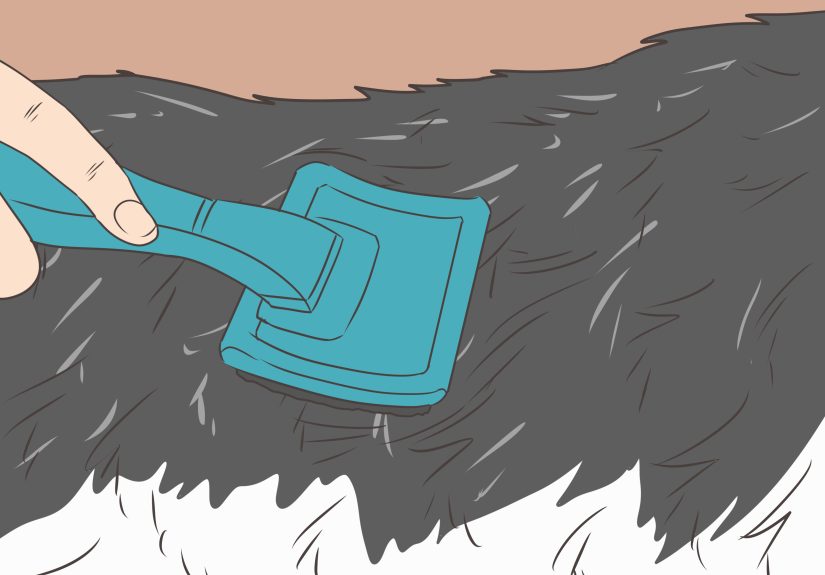
Work in small areas instead of attacking the entire dog at once. Start at the shoulders and move toward the back, sides, chest, legs, tail, and rear. Use gentle strokes and follow the direction of hair growth. Pay extra attention to the thick fur around the neck, thighs, and tail.
Step 4: Use an Undercoat Rake Carefully
During shedding season, an undercoat rake is your best friend. Use light pressure and short strokes to loosen dead undercoat. The goal is to remove loose fur, not scrape the skin. If your Husky flinches, turns away, or gives you the famous “excuse me, human” look, ease up.
Step 5: Finish With a Slicker Brush or Comb
After removing the loose undercoat, use a slicker brush or comb to smooth the coat and catch remaining hair. Check behind the ears, under the collar, around the elbows, and near the back legs. These areas can collect tangles, especially in active dogs.
How to Bathe a Siberian Husky
Bathing a Husky is not always a quiet spa experience. Some Huskies tolerate baths. Others behave as if you have betrayed generations of sled-dog ancestors. Preparation helps.
Step 1: Brush Before Bathing
Always brush your Husky before a bath. Removing loose hair first prevents wet fur from matting and helps shampoo reach the skin more evenly. If your Husky is blowing coat, brush thoroughly before bathing and again after drying.
Step 2: Use Lukewarm Water
Use lukewarm water, never hot water. Wet the coat slowly and thoroughly. A Husky’s double coat can resist water at first, so take your time. Avoid spraying directly into the ears, eyes, and nose.
Step 3: Apply Dog-Safe Shampoo
Use a gentle shampoo made for dogs. Human shampoo can disrupt a dog’s skin pH and cause dryness or irritation. Massage shampoo through the coat down to the skin, especially around the belly, legs, and tail area. Avoid using heavy conditioners unless recommended, because they can weigh down the coat and trap residue if not rinsed well.
Step 4: Rinse More Than You Think You Need To
Rinsing is where many owners accidentally go wrong. Shampoo left in a dense Husky coat can cause itching and flaky skin. Rinse until the water runs clear and the coat feels clean, not slippery.
Step 5: Dry Thoroughly
Towel-dry first, then use a dog-safe dryer on a cool or low-heat setting if available. A high-velocity dryer can help push out loose undercoat and speed up drying. Make sure the coat dries completely, especially near the skin. Damp undercoat can contribute to irritation and odor.
Managing Husky Shedding Without Losing Your Mind
Siberian Husky shedding is not a flaw. It is a feature. A very fluffy, furniture-covering feature. The trick is consistency. Brushing once a month will not control shedding. Brushing several times a week during peak shedding can dramatically reduce loose fur around your home.
Practical Shedding Tips
- Brush outdoors during coat-blowing season when possible.
- Use an undercoat rake before the slicker brush.
- Vacuum frequently with a pet-hair attachment.
- Wash dog bedding weekly during heavy shedding.
- Feed a balanced diet to support healthy skin and coat.
- Do not overbathe; dry skin can make shedding look worse.
If your Husky suddenly sheds excessively outside normal seasonal patterns, develops bald patches, smells bad, scratches constantly, or has red or flaky skin, contact your veterinarian. Shedding is normal. Skin problems should not be ignored.
Trimming a Siberian Husky’s Nails
Nail care is part of grooming, even if your Husky votes against it. Overgrown nails can affect posture, make walking uncomfortable, and even increase the risk of injury. If you hear clicking on hard floors, the nails may be too long.
Use sharp dog nail clippers or a grinder. Trim small amounts at a time, especially if your Husky has dark nails and the quick is hard to see. The quick contains nerves and blood vessels, and cutting it is painful. If you are nervous, ask your veterinarian or groomer for a demonstration.
Tips for Easier Nail Trims
- Touch your Husky’s paws often when you are not trimming nails.
- Reward calm behavior with treats and praise.
- Trim one or two nails per session if your dog is anxious.
- Keep styptic powder nearby in case of minor bleeding.
- Use a grinder if your dog dislikes clippers, but introduce the sound slowly.
Cleaning Your Husky’s Ears
Siberian Huskies do not usually need intense ear maintenance, but weekly checks are smart. Healthy ears should not smell bad, look inflamed, or contain heavy discharge. If you notice redness, swelling, a strong odor, head shaking, or scratching, call your veterinarian.
To clean the ears, use a dog-safe ear cleaner and cotton balls. Do not use cotton swabs deep inside the ear canal, because they can push debris farther in or cause injury. Gently wipe the visible part of the ear and stop if your dog seems painful or irritated.
Dental Care for Siberian Huskies
A clean coat is wonderful, but fresh breath is also a gift to everyone sharing the couch. Dental care helps reduce plaque, tartar, gum disease, and bad breath. Brush your Husky’s teeth with dog toothpaste and a pet toothbrush. Never use human toothpaste, because some ingredients can be harmful to dogs.
Start slowly. Let your Husky taste the toothpaste, then touch the brush to a few teeth, then gradually build up to longer sessions. Dental chews and veterinarian-approved products can help, but brushing remains one of the best at-home habits for oral health.
Should You Trim Husky Paw Fur?
Light trimming around the paws can be useful, especially if fur grows between the pads and collects dirt, ice, or debris. Trim carefully and only around the feet. Do not give your Husky a full-body haircut. The natural coat should remain intact.
If your dog walks on slippery floors, overgrown paw-pad fur can reduce traction. A small, neat trim can help. Use blunt-tip scissors or clippers designed for pets, and stop if your dog pulls away. Paw injuries are no fun for anyone, especially the person who has to explain to the veterinarian that “we were just doing a tiny trim.”
Common Husky Grooming Mistakes to Avoid
Even loving owners can make grooming mistakes. Huskies look rugged, but their skin still needs care and their coat has a purpose.
Do Not Shave the Coat
Shaving can damage coat function and expose the skin. Brush out the undercoat instead.
Do Not Bathe Too Often
Frequent bathing can dry the skin. Bathe only when needed or every few months.
Do Not Use Human Shampoo
Dogs need products made for their skin. Human products can cause irritation.
Do Not Rush the Drying Process
A damp undercoat can lead to skin issues. Dry thoroughly after every bath.
Do Not Fight the Fur
Heavy shedding is normal for the breed. The goal is management, not total elimination.
When to Use a Professional Groomer
You can groom a Siberian Husky at home, but a professional groomer can be helpful during heavy shedding season or if your dog hates baths with the passion of a courtroom drama. Professional groomers often have high-velocity dryers, grooming tables, and experience handling thick double coats.
Choose a groomer who understands Siberian Huskies and double-coated breeds. Be clear that you do not want the coat shaved. Ask what tools they use and how they handle drying. A good groomer will respect the coat, avoid unnecessary trimming, and help your dog leave cleaner, lighter, and still fully Husky-shaped.
Extra Experience-Based Grooming Advice for Husky Owners
Living with a Siberian Husky teaches you that grooming is not just a task. It is a relationship. The best results come when your dog trusts the process. If you only bring out the brush when you plan a marathon de-shedding session, your Husky may learn to vanish like a furry magician. Instead, make grooming short, positive, and predictable.
One practical approach is the “five-minute rule.” Brush for five calm minutes, reward your dog, then stop before frustration begins. This works especially well for young Huskies or rescue dogs that are not used to grooming. Over time, those five minutes can become ten, then fifteen. The goal is not to win a wrestling match. The goal is to teach your Husky that grooming is normal, safe, and possibly profitable in the treat department.
Another helpful habit is to groom after exercise. A Husky with a full battery is basically a tornado wearing ears. After a walk, run, or play session, your dog may be more relaxed and willing to stand still. Keep water nearby, choose a quiet spot, and use a calm voice. Huskies are intelligent and expressive. If you are tense, rushed, or annoyed, they often notice and respond with their own dramatic flair.
During coat-blowing season, expect fur in places you did not know fur could travel. It may appear in your coffee, on your keyboard, and possibly in rooms your dog has never entered. A realistic routine helps: brush outside when possible, wear clothes you do not love deeply, and keep a lint roller near the door. For indoor grooming, a non-slip mat can help your Husky feel stable. Some owners also place a towel under the dog to catch loose hair.
Bath days require strategy. Prepare everything before the dog gets wet: towels, shampoo, brush, drain catcher, treats, and dryer. Once a Husky realizes bath time is happening, the window for peaceful cooperation may shrink dramatically. Speak cheerfully, move efficiently, and rinse thoroughly. After the bath, be prepared for the post-bath zoomies. This ancient ritual may include sprinting, rolling, snorting, and rubbing against furniture like a freshly washed wolf trying to restore its artistic texture.
Do not underestimate paw handling. Many Huskies dislike having their feet touched, so practice when you are not trimming nails. Touch a paw, give a treat, release. Press a toe, give a treat, release. This tiny training routine can turn future nail trims from a rodeo into something closer to a business meeting. Still not fun, perhaps, but manageable.
Finally, remember that grooming is also a health check. As you brush, look for changes: lumps, scabs, hot spots, ticks, cracked paw pads, broken nails, ear odor, or unusual sensitivity. Huskies can be stoic about discomfort, so your hands and eyes are important tools. A clean, well-groomed Husky is not just prettier for photos; the dog is more comfortable, healthier, and less likely to leave enough fur on the couch to qualify as a roommate.
Conclusion
Learning how to groom a Siberian Husky is really about respecting the breed’s natural coat. Brush regularly, bathe occasionally, never shave without medical need, trim nails, check ears, brush teeth, and stay consistent during shedding season. With the right tools and a calm routine, grooming becomes less stressful for you and more comfortable for your dog.
Yes, your Husky will shed. Yes, you will find fur in impossible places. But with smart grooming habits, you can keep the coat healthy, reduce mess, and enjoy life with one of the most beautiful, expressive, and entertaining breeds on the planet.
Note: This article is based on synthesized guidance from reputable veterinary, breed-club, and professional dog-care resources. For skin problems, severe matting, unusual shedding, or medical concerns, consult a veterinarian or qualified professional groomer.






 Close
Close