
Table of Contents >> Show >> Hide
- What Is a Hanging Address Planter?
- Why Make a DIY House Number Planter?
- Best Place to Hang an Address Planter
- Materials You Will Need
- Suggested Size for a Hanging Address Planter
- Step-by-Step: How to Make a DIY House Number Planter
- Best Plants for a House Number Planter
- Design Ideas for Different Home Styles
- Maintenance Tips
- Common Mistakes to Avoid
- Budget-Friendly Variations
- Real Experience: What I Learned Making a Hanging Address Planter
- Conclusion
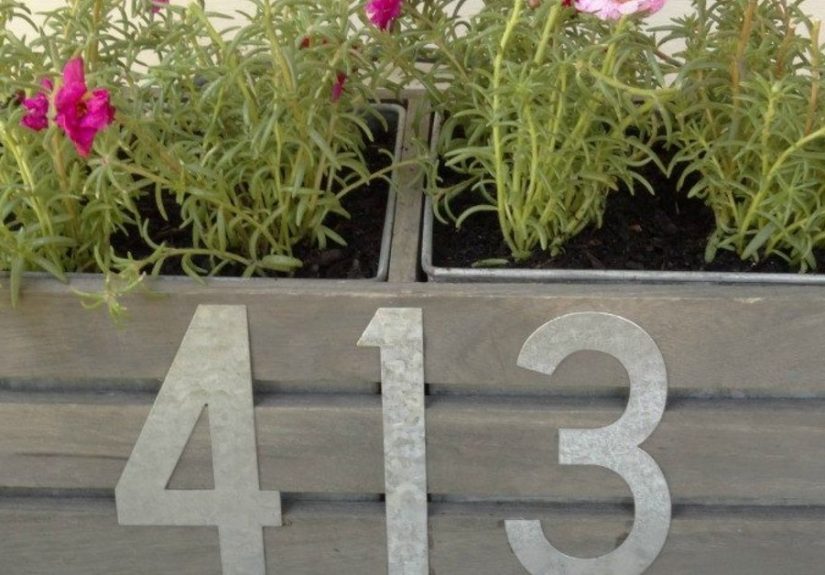
A hanging address planter is the rare DIY project that does three jobs at once: it displays your house number, adds curb appeal, and gives your front porch a cheerful little “hello” without requiring a full landscaping budget. In other words, it is the home exterior version of wearing a nice jacket over jeansyou look instantly more put together with surprisingly little effort.
Better yet, a DIY house number planter is practical. Clear address numbers help guests, delivery drivers, mail carriers, and emergency responders find your home faster. A beautiful planter box makes those numbers more noticeable, especially when you use strong contrast, sturdy materials, and plants that do not flop over the digits like they are trying to hide your house from civilization.
This guide walks you through how to make a hanging address planter from start to finish, including material choices, sizing, construction steps, weatherproofing, plant selection, mounting tips, and real-life lessons learned from porch projects that looked easy on the internet but still somehow involved three extra trips to the hardware store.
What Is a Hanging Address Planter?
A hanging address planter, also called a house number planter or address planter box, is a wall-mounted board or plaque with house numbers attached and a small planter box built into the bottom. It can hang beside the front door, on a porch column, near a garage, on a fence, or at the driveway entrance if your home sits far from the street.
The best versions combine visibility and style. The number panel should be easy to read from the road, while the planter adds flowers, trailing greenery, succulents, or seasonal décor. You can make it modern with black metal numbers and cedar, farmhouse-style with white paint and galvanized accents, or rustic with stained wood and warm brass digits.
Why Make a DIY House Number Planter?
A standard address plaque does the job, but a planter turns a basic necessity into a small design moment. The project is beginner-friendly, affordable, and customizable. You can size it for your exact house number, match it to your home’s exterior colors, and change the plants with the seasons.
There is also a safety benefit. Address numbers should be visible from the street, not hidden behind wreaths, shrubs, shadows, or porch decorations. A hanging planter gives you a dedicated display area, which helps your address stand out. That means fewer confused delivery drivers slowly rolling past your house while squinting at garage trim.
Best Place to Hang an Address Planter
Before cutting wood, decide where the planter will live. Location affects size, plant choice, mounting hardware, and whether your numbers are actually readable.
Choose a Visible Spot
The ideal placement faces the street directly. If your front door is visible from the road, hang the planter near the entry. If your door is set back, consider the garage wall, porch column, fence, mailbox post, or a freestanding post near the driveway.
Think About Lighting
House numbers should be readable during the day and at night. If possible, mount the address planter under a porch light or near an exterior fixture. If the spot is dark, use reflective numbers, solar lighting, or a small low-voltage spotlight. Pretty numbers are nice. Pretty numbers that no one can see after sunset are just wall jewelry.
Check Local Rules
Some cities, neighborhoods, and homeowners associations have rules about address number height, placement, color, or visibility. Before you paint the plaque neon coral and mount it on a giant reclaimed wagon wheel, check whether your area has guidelines.
Materials You Will Need
This project can be simple or fancy depending on your tools and style. Below is a practical materials list for a wooden hanging address planter that works for most homes.
Basic Supplies
- One wood board for the backing, such as cedar, redwood, pine, or exterior-grade plywood
- Wood pieces for the planter box: front, back, sides, and bottom
- House numbers, preferably at least 4 inches tall for visibility
- Exterior wood screws or brad nails
- Waterproof wood glue
- Exterior paint, stain, or sealant
- Drill and drill bits
- Saw or pre-cut boards from the hardware store
- Sandpaper or sanding block
- Measuring tape and pencil
- Level
- Exterior mounting screws or wall anchors
- Landscape fabric or plastic planter liner
- Potting mix
- Small plants or faux greenery
Recommended Wood
Cedar and redwood are excellent choices because they naturally resist rot better than many common woods. Cypress and teak are also durable, though often more expensive. Pine can work if you seal it well, but it is more vulnerable to moisture over time.
If you use pressure-treated lumber, reserve it for ornamental plants rather than herbs or edible plants. For a house number planter, that is usually fine because most people choose flowers, succulents, or trailing foliage rather than basil. Though honestly, basil beside your address would smell amazing.
Suggested Size for a Hanging Address Planter
A good beginner size is about 18 to 24 inches wide and 20 to 28 inches tall. This gives you enough space for four house numbers and a small planter box. If your address has five digits, increase the width or arrange the numbers vertically.
For the planter box, aim for a depth of 4 to 6 inches. A shallow box is lighter and easier to mount, but plants dry out faster. A deeper box holds more soil, which keeps plants happier during hot weather. Just remember: soil gets heavy when wet, so do not build a tiny wooden swimming pool and expect two drywall anchors to hold it.
Step-by-Step: How to Make a DIY House Number Planter
Step 1: Plan the Layout
Lay your house numbers on the backing board before attaching anything. Decide whether you want the digits centered, left-aligned, stacked vertically, or floating above the planter box. Leave enough space between the numbers and the plants so leaves do not cover the address.
A simple layout rule: keep the top two-thirds of the board for numbers and the bottom third for the planter. This keeps the address readable and gives the flowers their own stage.
Step 2: Cut the Backing Board
Cut your main backing board to size. For many homes, a 1×10 or 1×12 board works well. Sand all edges and corners until smooth. If you want a more polished look, slightly round the edges with sandpaper.
If you do not own a saw, ask the home improvement store to make straight cuts for you. This is one of the underrated joys of DIY: sometimes “doing it yourself” includes letting someone with a giant panel saw do the loud part.
Step 3: Build the Planter Box
Cut the front, back, sides, and bottom pieces for the planter box. A common box size is 18 inches wide, 5 inches tall, and 5 inches deep. Apply waterproof wood glue along the edges, then secure the pieces with exterior screws or brad nails.
Make sure the box is square before the glue dries. If it is slightly imperfect, do not panic. Plants are forgiving decorators. They cover many sins.
Step 4: Drill Drainage Holes
Drainage is not optional. Drill several holes in the bottom of the planter box so excess water can escape. Without drainage, roots may rot, soil can sour, and your cheerful planter may become a tiny swamp with house numbers.
Add landscape fabric inside the box to help keep soil from washing out. You can also use a plastic liner, but poke holes in it so water can drain freely.
Step 5: Attach the Planter Box to the Board
Position the box near the bottom of the backing board. Use wood glue and screws from the back of the board into the planter box, or screw through the inside back wall of the planter into the backing board. Exterior screws are best because the planter will face humidity, rain, sun, and temperature changes.
Check that the box is level. A crooked planter may still hold flowers, but it will bother you every time you walk up the steps. And once you notice it, you cannot unsee it.
Step 6: Sand, Paint, Stain, or Seal
Sand the entire piece again, then apply exterior stain, paint, or a clear weatherproof sealant. For a modern look, try a dark stain with brushed nickel or matte black numbers. For farmhouse style, use white paint with black numbers. For a warm natural look, seal cedar and add brass numbers.
Apply finish to every side, including the back and bottom edges. Moisture loves unfinished wood. It will find the one spot you ignored and set up camp there.
Step 7: Install the House Numbers
Use a ruler, level, and pencil to mark number placement. Keep spacing even, usually about 1/2 inch to 1 inch between digits depending on size and style. If your numbers come with a template, use it. Templates are the unsung heroes of straight address displays.
For screw-mounted numbers, drill pilot holes first. For adhesive numbers, choose an exterior-rated adhesive and let it cure fully before hanging the planter outside. Metal numbers are usually more durable than plastic, especially in strong sun.
Step 8: Mount the Address Planter Securely
Mounting is where function matters most. A planted box can become heavy after watering, so use hardware appropriate for your surface. For wood siding or a porch column, screw into studs or solid framing whenever possible. For brick, stucco, or concrete, use masonry anchors.
Always use a level before tightening the screws. Once mounted, tug gently on the planter to test stability. If it wiggles, reinforce it. Gravity is not known for giving second chances.
Step 9: Add Soil and Plants
Use high-quality potting mix, not garden soil. Potting mix is lighter, drains better, and works more reliably in containers. Fill the planter, leaving about an inch of space below the rim so water does not spill soil down the front of your number board.
Choose plants that match the light conditions. Full-sun porches can handle petunias, calibrachoa, lantana, sedum, portulaca, and many succulents. Part-shade areas work well with impatiens, begonias, coleus, ferns, creeping Jenny, and ivy. For a classic container look, combine a thriller, a filler, and a spiller: one upright plant, one mounding plant, and one trailing plant.
Best Plants for a House Number Planter
For Full Sun
- Petunias for bright color and trailing growth
- Calibrachoa for small, abundant blooms
- Lantana for heat tolerance
- Sedum for low-maintenance texture
- Portulaca for hot, dry conditions
For Part Shade
- Begonias for dependable flowers
- Coleus for colorful foliage
- Impatiens for soft, bright blooms
- Ferns for texture
- Creeping Jenny for a trailing chartreuse spill
For Low Maintenance
If you travel often or forget to water, choose succulents, faux succulents, preserved moss, or seasonal artificial stems. Faux plants are not cheating. They are simply plants that have chosen emotional stability.
Design Ideas for Different Home Styles
Modern Address Planter
Use a smooth rectangular board, matte black or satin nickel numbers, and a simple planter filled with one type of plant. Try black-stained wood with white numbers for crisp contrast.
Farmhouse Address Planter
Paint the board white or soft gray, add black metal numbers, and plant trailing greenery with small white flowers. A slightly distressed finish can add charm without looking like the planter lost a fight with a barn.
Rustic Address Planter
Use cedar or reclaimed wood, warm stain, and bronze or black numbers. Add moss, sedum, creeping thyme, or seasonal flowers for a cozy cottage feel.
Coastal Address Planter
Choose a pale blue, soft white, or driftwood-style stain. Pair it with brushed metal numbers and drought-tolerant plants like succulents or ornamental grasses.
Maintenance Tips
A hanging address planter does not need much care, but a little attention keeps it looking fresh.
- Water when the top inch of soil feels dry.
- Water thoroughly until excess moisture drains from the bottom.
- Trim trailing plants before they cover the numbers.
- Refresh annuals each season for color.
- Reapply sealant or exterior paint when the finish starts to fade.
- Check mounting screws after storms or seasonal temperature changes.
Common Mistakes to Avoid
Using Numbers That Are Too Small
Tiny address numbers may look cute up close, but they are not helpful from the street. Choose large, high-contrast numbers that can be read quickly.
Skipping Drainage
Plants need water, but they do not want to sit in soup. Drainage holes protect roots and help the planter last longer.
Choosing the Wrong Plants
Sun-loving flowers will sulk in shade, and shade plants may crisp up in full afternoon sun. Match plants to the actual light your porch receives.
Mounting With Weak Hardware
Do not treat a planted wooden box like a picture frame. Use sturdy exterior screws, anchors, and solid backing. Wet soil is heavy.
Budget-Friendly Variations
You can make a DIY address planter without buying premium materials. Use a pre-made wall planter, attach numbers to the front, and mount it on a painted board. You can also repurpose a small wooden crate, metal container, or window box. As long as it holds soil, drains properly, and supports readable numbers, it can work.
For renters, consider a freestanding version that leans against a porch wall or sits inside a larger planter. This gives you curb appeal without drilling into siding. Use outdoor-rated adhesive hooks only for lightweight faux-plant versions, not heavy soil-filled boxes.
Real Experience: What I Learned Making a Hanging Address Planter
The first thing you learn when making a hanging address planter is that the project looks smaller in your imagination than it does when you are holding a board in the driveway wondering if it should be two inches wider. My best advice is to mock up the layout before cutting anything. Place the numbers, planter box pieces, and even a few plant pots on the board. Step back at least 20 feet. If you can still read the address easily, you are on the right track.
Another lesson: contrast matters more than cleverness. I once saw a beautiful stained wood plaque with bronze numbers. Up close, it looked expensive and stylish. From the street, the numbers disappeared into the wood like they had entered witness protection. Dark numbers on a light board or light numbers on a dark board usually work best. Metallic finishes can be lovely, but test them in your actual lighting before committing.
Drainage is the next big experience-based lesson. It is tempting to build the box first, admire your work, and then forget the drainage holes because everything looks so clean and perfect. Do not do that. Drill the holes. Add landscape fabric. Leave room below the soil line. A planter that drains well is easier to maintain, and your siding will thank you if water is not constantly overflowing down the wall.
Weight also sneaks up on people. Dry potting mix feels light. Wet potting mix plus plants plus wood plus hardware feels like a tiny porch anchor. Use real mounting hardware and find solid framing whenever possible. If mounting on masonry, use proper anchors. If hanging on wood, exterior screws into studs or structural trim are much better than small decorative hooks.
Plant selection is where the project becomes personal. For a sunny entry, trailing petunias or calibrachoa can look incredible, but they need regular watering. For a shaded porch, begonias and coleus offer color without demanding full sun. If your life is busy, succulents or faux greenery may be the smarter choice. The goal is not to impress the neighborhood garden club for one week. The goal is to have a planter that still looks good after real life happens.
I also recommend leaving more blank space around the numbers than you think you need. Plants grow. Trailing vines trail. Flowers lean dramatically after rain like they are starring in a porch opera. If your numbers begin too close to the planter, they may be covered by midsummer. A small trim every couple of weeks keeps the display neat.
Finally, enjoy the creative part. A hanging address planter is one of those rare DIY projects where small decisions make a big visual difference. A black planter with white numbers feels modern. Cedar with brass numbers feels warm and classic. White paint with black digits feels farmhouse and crisp. Add seasonal flowers in spring, heat-loving plants in summer, mums in fall, and evergreen clippings in winter. Your house number planter can change outfits all year long, which is more than most mailboxes can say.
Conclusion
A hanging address planter is a practical curb appeal upgrade that looks custom, works hard, and does not require advanced woodworking skills. With the right wood, visible numbers, solid mounting, drainage holes, and plants suited to your light conditions, you can create a DIY house number planter that welcomes guests and helps your home stand out for all the right reasons.
Whether your style is modern, farmhouse, rustic, or colorful cottage, this project is flexible enough to fit your exterior. Build it once, refresh the plants seasonally, and enjoy the satisfying feeling of making your entryway look more polished with a weekend project that actually earns its place by the door.
Note: This article was created by synthesizing practical guidance from reputable U.S. home improvement, gardening, curb appeal, and safety resources, including The Home Depot, HGTV, This Old House, Family Handyman, Lowe’s, the U.S. Fire Administration, NFPA, The Spruce, Proven Winners, and Better Homes & Gardens.






 Close
Close