
Table of Contents >> Show >> Hide
- Getting to Know Blue Spur Flower
- Ideal Growing Conditions for Blue Spur Flower
- Planting and Propagating Blue Spur Flower
- Seasonal Care and Maintenance
- Design Ideas and Companion Plants
- Troubleshooting Common Problems
- Conclusion: A Dramatic Plant That’s Easy to Love
- Real-Life Experiences: Lessons from Growing Blue Spur Flower
If you like your plants bold, fragrant, and just a little bit dramatic, the blue spur flower is your kind of diva. With tall spires of deep blue-purple blooms and big, soft leaves that smell pleasantly herbal when brushed, this plant brings instant character to borders, beds, and patio pots. The best part? Despite its exotic look, blue spur flower is surprisingly easy to grow when you understand what it wants from you: warm weather, rich well-draining soil, and a good balance of sun and shade.
In this guide, we’ll walk through everything you need to know about how to grow and care for blue spur flower, from choosing the right spot and watering schedule to pruning, overwintering, and common problems. Whether you’re gardening in a warm USDA zone where it can live outdoors year-round or treating it as a container plant you bring inside for winter, you can absolutely keep this plant thriving.
Getting to Know Blue Spur Flower
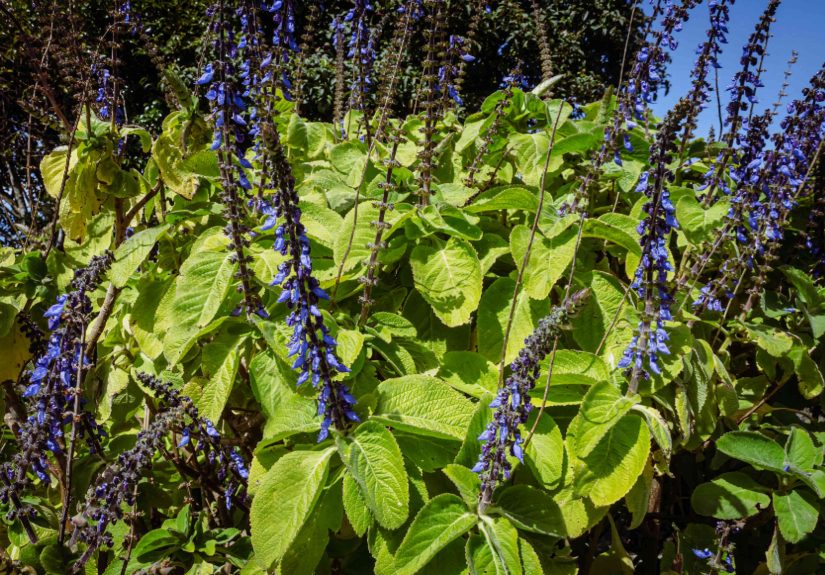
Blue spur flower is commonly grown under the botanical name Plectranthus barbatus or related species like Plectranthus ciliatus. It belongs to the mint family (Lamiaceae), which explains its aromatic foliage and square stems. Depending on the variety and climate, it can grow from about 2 feet tall in containers to 6–8 feet outdoors in ideal conditions, with a broad, bushy habit and upright flower spikes.
The leaves are usually large, soft, and slightly fuzzy, with scalloped or toothed edges. When you rub them, they release a fresh, resinous scent that many gardeners love. In warm climates, the plant behaves like a perennial shrub. In cooler regions, it’s often grown as a tender perennial or annual, or treated like a tropical houseplant in winter.
Blue spur flower gets its name from the long spikes of tubular flowers that appear in shades of blue to violet. These spikes rise above the foliage in late summer, fall, and sometimes into winter in mild climates, attracting pollinators and adding a vertical accent to beds and borders.
Hardiness and Growth Habit
Outdoors, blue spur flower typically thrives in USDA zones 9–11. In these zones, it can be evergreen or semi-evergreen, though it may die back partially after a light frost and re-sprout from the roots when temperatures warm. In colder areas, the roots are usually not hardy enough to survive strong freezes, so gardeners either grow it in containers or treat it as a warm-season plant that gets replaced each year.
Because it can grow into a substantial shrub, plan on giving each plant generous space. A mature blue spur flower can be as wide as it is tall, so crowding it into tight spaces often leads to leggy growth and poor flowering.
Ideal Growing Conditions for Blue Spur Flower
Think about the environment where blue spur flower thrives naturally: warm, bright locations with dappled light, moderately moist but well-drained soil, and no frost. If you can mimic that, you’re already halfway to success.
Light Requirements
Blue spur flower is flexible about light, but it has preferences:
- Outdoors: Aim for partial shade or dappled light. Morning sun with afternoon shade works beautifully. Full, harsh midday sun can scorch the leaves, especially in hot climates, while deep shade makes the plant lanky and less likely to bloom.
- Indoors: Give it bright, indirect light. A spot near an east- or west-facing window is ideal. Too little light will cause stretched stems and sparse growth.
A quick rule of thumb: if the leaves look washed out or crispy around the edges, it’s probably getting too much direct sun. If it’s all stems and no fullness, it likely needs more light.
Soil and Drainage
Blue spur flower is happiest in soil that is both rich and fast-draining. In garden beds, aim for loamy soil amended with organic matter such as compost or well-rotted manure. This mimics the fertile, leaf-littered forest or stream-bank soils many Plectranthus species come from.
- Soil type: Loam or sandy loam is ideal; heavy clay should be improved with compost and coarse materials to enhance drainage.
- pH: Slightly acidic to neutral (around 6.0–7.0) works well, though the plant is fairly tolerant.
- Containers: Use a high-quality potting mix labeled for outdoor containers or herbs. Ensure the pot has drainage holes; this plant hates soggy feet.
Watering Needs
Once established, blue spur flower is moderately drought tolerant, but it still appreciates consistent moisture during active growth. The key is to keep the soil lightly moist while avoiding waterlogging.
- In the ground: Water deeply when the top inch of soil feels dry. In hot weather, that might mean watering once or twice a week; in cooler periods, less often.
- In pots: Containers dry out faster. Check moisture regularly by sticking your finger into the soil. Water thoroughly until it drains from the bottom, then let the top inch dry before watering again.
Overwatering is more dangerous than underwatering. Persistently wet soil can cause root rot and limp, yellowing foliage. If you’re unsure, wait a day before watering again.
Temperature and Humidity
Blue spur flower loves warmth. Ideal temperatures are roughly 60–80°F (15–27°C). It can tolerate brief dips below that range, but frost is a problem. A light frost may kill the top growth but spare the roots in mild climates; a hard freeze often kills the whole plant.
Humidity is usually not a big issue. Average household humidity is adequate, though the plant appreciates a little extra moisture in very dry indoor environments. Just avoid misting so heavily that the leaves stay wet for long periods, which can invite fungal issues.
Fertilizing Blue Spur Flower
If you’ve planted in rich soil, this plant doesn’t need constant feeding. Still, a modest fertilizer routine helps maintain lush foliage and steady blooming:
- Apply a balanced, water-soluble fertilizer at half strength once a month during spring and summer.
- In fall and winter, reduce feeding to once every 6–8 weeks or stop altogether if the plant slows down or goes semi-dormant.
- Avoid high-nitrogen formulas applied too heavily; they can encourage leafy growth at the expense of blooms.
Planting and Propagating Blue Spur Flower
Planting in the Ground
- Pick the right spot. Choose an area with morning sun and afternoon shade or bright, filtered light.
- Prepare the soil. Loosen the top 8–12 inches and mix in compost to boost fertility and improve drainage.
- Dig the hole. Make it about twice as wide and just as deep as the root ball.
- Plant and backfill. Set the plant so the top of the root ball is level with the surrounding soil. Backfill, gently firming the soil to remove air pockets.
- Water well. Give the plant a thorough drink to help settle the roots, then mulch lightly to keep soil moisture even.
Space multiple plants 2–3 feet apart to allow for their mature spread and good air circulation.
Growing in Containers
In cooler climates, containers are your best friend. They let you enjoy blue spur flower outdoors in summer and bring it inside when cold weather looms.
- Choose a pot at least 12–16 inches wide with drainage holes.
- Fill with a loose, well-draining potting mix.
- Place the pot where it receives bright, indirect light or gentle morning sun.
- Rotate the pot every few weeks so the plant grows evenly and doesn’t lean toward the light.
Propagating from Cuttings
One of the joys of blue spur flower is how easy it is to propagate. If you can root mint, you can root this plant.
- In late spring or summer, snip a 4–6 inch non-flowering stem just below a leaf node.
- Remove the lower leaves, leaving two or three pairs at the top.
- Dip the cut end in rooting hormone (optional but helpful).
- Insert the cutting into a small pot filled with moist, well-draining mix or a blend of perlite and peat/coir.
- Place in bright, indirect light and keep the medium lightly moist.
Cuttings usually root within a few weeks. You can then pot them up individually or plant them out in the garden once they’re growing strongly and the weather is warm.
Seasonal Care and Maintenance
Pruning for Shape and Bloom
Left completely alone, blue spur flower can become a bit lanky. Regular pruning keeps it dense and encourages more flowering spikes.
- Pinch young plants when they’re 6–8 inches tall by removing the growing tips. This encourages branching.
- Lightly trim the plant through the growing season to maintain shape and prevent stems from flopping.
- Deadhead spent flower spikes to keep the plant tidy and help redirect energy into new growth.
In mild climates where it’s grown as a perennial, you can give it a more substantial cutback at the end of winter or early spring, removing old, woody stems to make way for fresh growth.
Overwintering in Cold Climates
If you live where frost is common, you’ll need a winter plan:
- Container plants: Before the first freeze, move them indoors to a bright window or sunroom. Water less often during winter, allowing the top inch or two of soil to dry between waterings.
- Garden plants: You can either take cuttings in late summer to overwinter indoors or, in marginal climates, mulch heavily and hope the roots survive. Most gardeners in colder regions simply grow it as a seasonal plant and replant from cuttings or nursery starts each year.
Pests and Diseases
Blue spur flower is generally low-maintenance and not a magnet for pests, but occasional issues can pop up:
- Aphids or whiteflies may cluster on tender new growth. A blast of water, insecticidal soap, or horticultural oil usually does the trick.
- Spider mites can show up in hot, dry, indoor conditions. Increase humidity slightly and rinse leaves regularly.
- Root rot is the main disease concern, caused by consistently soggy soil. Improve drainage, reduce watering, and trim affected roots if you catch it early in a container plant.
Good air circulation, proper spacing, and careful watering habits are your best preventive tools.
Design Ideas and Companion Plants
Because of its height and bold foliage, blue spur flower makes an excellent backdrop in mixed borders or as a focal point in large containers. Pair it with plants that appreciate similar conditions: warm temperatures, well-drained soil, and partial shade.
- Foliage companions: Hostas, heucheras, and ferns provide contrasting leaf textures and colors in shade gardens.
- Flower companions: Salvias, coleus, begonias, and impatiens can echo or contrast the blue-purple blooms.
- Pollinator-friendly mixes: Combine with lavender, agastache, or other nectar-rich plants in warm climates to create a buzzing, fluttering pollinator buffet.
In small spaces, a single blue spur flower in a large decorative pot can be enough to anchor a patio or balcony, especially when underplanted with trailing vines or low annuals spilling over the rim.
Troubleshooting Common Problems
Leggy, Sparse Growth
If your plant looks all stems and no fullness, it’s usually a sign of either insufficient light or a lack of pruning. Move it to a brighter spot with indirect or filtered sunlight and pinch back the stems to encourage branching.
Yellowing Leaves
Yellow leaves, especially if they feel soft or mushy, often indicate overwatering or poor drainage. Check the soil: if it’s consistently wet, improve drainage, reduce watering frequency, and consider repotting with a lighter mix.
Burned or Crispy Foliage
Leaves that look bleached or crispy around the edges are usually sunburned. Shift the plant to a site with gentler morning sun or more partial shade, particularly in midsummer.
No Flowers
Blue spur flower may fail to bloom if it doesn’t get enough light, if it’s overfed with high-nitrogen fertilizer, or if it’s being pruned too aggressively during its budding period. Ensure it gets several hours of bright light, cut back on fertilizer, and avoid heavy cutting once you see flower spikes forming.
Conclusion: A Dramatic Plant That’s Easy to Love
Blue spur flower looks like the kind of plant that requires a greenhouse and a full-time gardener, but it’s actually refreshingly forgiving. Give it partial shade, decent soil, and a watering schedule that leans “thoughtful but not obsessive,” and it rewards you with striking blue spikes and fragrant foliage from late summer into the cooler months.
Whether you tuck it into a mixed border, use it to frame a pathway, or grow it in a large pot that migrates indoors for winter, this plant has serious personality. Once you learn how to grow and care for blue spur flower, you may find yourself taking cuttings and tucking them into every semi-shaded corner of your garden.
Real-Life Experiences: Lessons from Growing Blue Spur Flower
The care instructions for blue spur flower look very neat on paper, but like any plant, it teaches you the most once it’s actually in your yard or on your balcony. Gardeners often end up forming strong opinions about how this plant behaves in real lifeand those experiences are helpful if you’re just getting started.
One common story goes like this: someone picks up a small, unassuming Plectranthus in a 4-inch pot because the tag promised “blue flowers” and “fragrant leaves.” They tuck it into a mixed border under a small tree, water it a few times, and promptly forget about it. A month or two later, they wander past and realize that the once modest plant is now a shoulder-high shrub politely (or not so politely) leaning over its neighbors. The lesson? Blue spur flower grows faster than you’d think in the right conditions, so don’t treat it like a tiny annual bedding plantgive it room and be prepared to prune.
Light is another area where real-world experience refines the textbook advice. On paper, “partial shade” sounds simple. In practice, garden shade is complicated: tall fences, neighboring trees, and seasonal sun angles all change how much light a plant actually receives. Many gardeners find that the sweet spot for blue spur flower is a location with bright morning sun until about 11 a.m. and then dappled or open shade for the rest of the day. In that situation, the leaves stay plump and richly colored, and the flower spikes stand tall instead of flopping.
Watering often becomes a personal rhythm. Some gardeners are “daily checkers,” walking the garden every morning with a cup of coffee. For them, sticking a finger into the soil around blue spur flower becomes second nature: if the top inch feels dry, it gets a deep soak; if it’s still cool and slightly damp, they move on. Others prefer a more scheduled routinesay, watering in-ground plants twice a week and containers every other day during summer. Over time, you’ll notice how your particular climate, soil type, and pot size affect how quickly the soil dries and can adjust without overthinking it.
Container growing brings its own set of insights. A blue spur flower in a big patio pot may behave like a mini shrub all summer, then transition indoors to a bright window when frost threatens. The first winter indoors is often a learning curve: the plant may drop a few leaves in protest at the lower light and drier air. Many gardeners find success by trimming it back slightly before bringing it in, giving it a bit less water during the darkest months, and then gradually increasing watering and feeding again in late winter as new growth appears. The payoff is huge: instead of buying a new plant every year, you have a mature specimen ready to burst back into growth when spring arrives.
There’s also an “aroma factor” that never really comes across in written care guides. The leaves of blue spur flower release scent when brushed or crushed, and individual gardeners describe it in all kinds of ways: minty, resinous, herbal, slightly medicinal. Some people love it so much they deliberately plant it near paths or seating areas so the foliage gets brushed as people walk by. Others find the scent strong and prefer to keep it a bit farther from doors and windows. It’s a good reminder that choosing plant locations isn’t just about light and waterit’s also about how you want your garden to smell and feel when you’re actually in it.
Finally, many gardeners discover that blue spur flower is the plant they reach for when they want easy impact in a new bed or a blank corner. It fills space quickly, looks lush without hours of fuss, and provides flowers at a time when some summer annuals are fading. If you’re the kind of gardener who likes to experiment, you can treat it as a “test plant”: try one specimen in different spots around your yard using cuttings, see where it does best, and use those successes to guide future plantings.
In the end, the experience of growing blue spur flower blends reliability with a bit of wild energy. It’s structured enough to behave in a border, yet vigorous enough to feel like a living, changing presence rather than static décor. Once you’ve watched those tall, blue spires sway in a warm evening breeze, you’ll understand why so many gardeners make room for this plant season after season.






 Close
Close