
Table of Contents >> Show >> Hide
- What Is a Prickly Pear Cactus?
- Why Gardeners Love Growing Prickly Pear
- The Best Growing Conditions for Prickly Pear Cactus
- How to Plant Prickly Pear Cactus
- How Often to Water Prickly Pear Cactus
- Do You Need to Fertilize Prickly Pear?
- How to Prune and Maintain Prickly Pear
- How to Propagate Prickly Pear Cactus
- Common Problems and How to Fix Them
- Harvesting Pads and Fruit Safely
- Indoor Prickly Pear Cactus Care
- Extra Growing Experience: What Gardeners Often Learn the Hard Way
- Final Thoughts
If you want a plant that looks dramatic, asks for very little, and still manages to throw a flower show like it owns the place, the prickly pear cactus is your new favorite roommate. This tough member of the Opuntia group is famous for its paddle-shaped pads, bright blooms, edible fruit, and ability to thrive where fussier plants would file a formal complaint.
But let’s be honest: prickly pear cactus care is less about doing more and more about not doing too much. Overwatering is the classic mistake. Bad drainage is the sequel nobody asked for. And grabbing the pads bare-handed is the comedy-horror crossover event of the gardening year. Get the basics right, though, and this cactus is one of the easiest low-maintenance plants you can grow outdoors or in containers.
Here’s everything you need to know about how to grow and care for prickly pear cactus, from planting and watering to propagation, winter care, and the common problems that trip up beginners.
What Is a Prickly Pear Cactus?
Prickly pear cactus is the common name for many species in the Opuntia genus. These cacti are easy to recognize because they grow in flat pads, also called cladodes, instead of traditional leafy stems. Depending on the variety, they may stay low and spreading, form clumps, or grow tall enough to become bold landscape specimens.
One of the things gardeners love most about prickly pear is its range. Some types handle blazing heat and drought with zero drama, while cold-hardy species can survive winter in parts of the Midwest and Northeast. Many produce large yellow, orange, pink, or red flowers, followed by colorful fruit often called cactus pears or tunas. In some species, the young pads are edible too and are harvested as nopales.
The catch is that prickly pear has both spines and tiny barbed bristles called glochids. Glochids are the sneaky villains of the cactus world. They’re easy to miss, annoyingly easy to touch, and memorable in all the wrong ways. Heavy gloves, long sleeves, and tongs are not optional personality traits here. They are equipment.
Why Gardeners Love Growing Prickly Pear
There’s a lot to like about this cactus beyond the obvious sculptural charm. Prickly pear works beautifully in rock gardens, xeriscapes, dry borders, gravel beds, and patio containers. It tolerates poor soil, handles reflected heat, and usually asks for less maintenance than a lawn chair.
It also brings real seasonal interest. In spring and summer, the flowers attract pollinators. Later, the fruits add color and can be harvested on certain varieties. Even when not blooming, the pad structure gives your garden strong year-round texture. Some types even take on purple tones in cool weather, which is nature’s version of changing into a winter coat.
The Best Growing Conditions for Prickly Pear Cactus
Light: Give It All the Sun You Can
If there is one rule you should tape to your watering can, it’s this: prickly pear wants sun. Full sun is the sweet spot, ideally at least six hours of direct light a day. Outdoors, choose the brightest location you have. Indoors, place it near a south- or west-facing window where it can soak up strong light for most of the day.
Too little light leads to stretched growth, weaker pads, and disappointing flowering. If your cactus starts leaning, looking pale, or growing awkwardly elongated pads, it is basically telling you it needs a sunnier address.
Soil: Drainage Is Everything
The biggest key to growing prickly pear cactus successfully is fast-draining soil. Sandy, gravelly, or rocky soil is ideal. In the garden, heavy clay can work only if drainage is improved and the planting site never stays wet for long. Raised beds, berms, rock gardens, and slopes are often excellent choices because water moves away quickly.
In containers, use a cactus or succulent potting mix, or make your own by combining potting soil with coarse sand, pumice, or perlite. The goal is simple: water should move through the pot instead of hanging around like an unwanted houseguest.
Temperature and Hardiness
Prickly pear is more adaptable than many people realize. Some hardy species can survive cold winters, while tender kinds prefer warm climates year-round. That means the best variety for Arizona may not be the best pick for Illinois, and vice versa. Before planting, check the species label and match it to your USDA hardiness zone.
If you grow prickly pear in a pot, you have more flexibility. Tender varieties can spend the warm months outdoors and move inside before frost. Hardy varieties can often remain outside as long as the container drains well and the roots are not sitting in wet winter soil.
How to Plant Prickly Pear Cactus
Planting in the Ground
Start with a sunny, well-drained location. Dig a hole no deeper than the root ball and about as wide or slightly wider. Set the cactus at the same depth it was growing before. Planting too deeply can increase the risk of rot, which is one of the few things this cactus truly cannot laugh off.
After planting, backfill with your native soil if drainage is already excellent. If the soil is heavy, improve it first with coarse mineral material and consider mounding the site. A gravel mulch around the base can help keep the crown drier and reduce splash-back from rain.
Planting in Containers
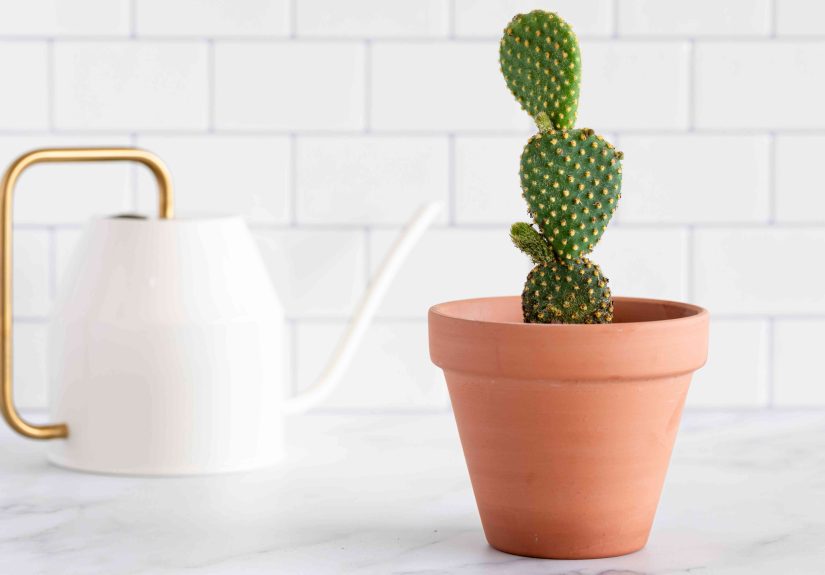
Choose a pot with drainage holes. This is not a suggestion. It is the law of cactus survival. Terracotta is especially useful because it allows excess moisture to evaporate more easily than plastic.
Fill the container with a gritty cactus mix, set the plant at its previous soil level, and leave a little room at the top for watering. If you repot a cactus that has been disturbed or has had any roots trimmed, wait a few days before watering so injured tissue can dry and settle.
How Often to Water Prickly Pear Cactus
When people ask how to care for a prickly pear cactus, what they usually mean is, “Exactly how little should I water this thing?” The answer: less than you think.
Outdoor plants that are established often need little supplemental water unless conditions are very hot and dry for an extended period. Let the soil dry thoroughly between waterings. In many climates, rainfall may be enough for mature landscape plants.
Container-grown plants need a bit more attention because pots dry faster than garden soil. Water deeply, then let the mix dry out before watering again. During active growth in warm weather, that may mean every couple of weeks depending on heat, sun, pot size, and airflow. In winter, watering should be reduced significantly.
If the pads look mushy, translucent, or are collapsing at the base, overwatering is the likely culprit. If they look a little wrinkled or deflated during a long dry stretch, that’s the plant asking for a drink, not a swimming pool.
Do You Need to Fertilize Prickly Pear?
Usually, not much. In the ground, prickly pear often performs well without regular feeding, especially in lean soils where it is not pushed into soft, overly lush growth. For potted plants, a light application of a balanced or low-nitrogen fertilizer during spring or early summer can help support growth and flowering.
Do not overfeed. Too much fertilizer can produce weak growth and fewer flowers. Think of fertilizer here like hot sauce: a little can help, but overconfidence changes the whole evening.
How to Prune and Maintain Prickly Pear
Pruning is usually minimal. Remove damaged, diseased, or badly placed pads at the joints where they connect. Always use clean tools and protective gear. If the plant is getting too wide for its space, thin it by removing entire pads rather than chopping randomly through them.
General cleanup is straightforward. Pick away dead debris around the base, check for rot after periods of heavy rain, and make sure neighboring plants are not shading it too much. This cactus is not difficult, but it does appreciate personal space.
How to Propagate Prickly Pear Cactus
One reason prickly pear is so popular is that propagation is refreshingly simple. Pads root easily, which is great when you want more plants and less great when fallen pieces land in the wrong place and decide they live there now.
Propagation by Pad Cuttings
- Use tongs or thick gloves to remove a healthy mature pad at the joint.
- Set the pad in a dry, shaded place for several days to a week until the cut end calluses.
- Plant the callused end shallowly in dry or barely moist gritty potting mix or sandy soil.
- Place it in bright light and wait before watering heavily.
- Once roots form and the pad feels anchored, begin normal light watering.
Growing prickly pear from seed is possible, but it takes longer and requires more patience. Pad propagation is faster, easier, and much more beginner-friendly.
Common Problems and How to Fix Them
Mushy Pads or Rot
This is almost always a moisture problem. Wet soil, poor drainage, or watering too often can cause the base or pads to soften and rot. Improve drainage immediately, remove damaged tissue if needed, and allow the plant to dry out.
Shriveled Pads
A little wrinkling can happen during drought or winter dormancy. If the soil is bone dry and the weather is warm, give the plant a deep watering and let excess moisture drain away. If it’s winter, some shrinkage may be normal, especially on hardy outdoor types.
No Flowers
The usual suspects are insufficient sunlight, a plant that is still too young, excess fertilizer, or winter damage to flower buds. Most flowering issues improve when the cactus gets stronger sun and a more natural dry-rest cycle.
Pests
Prickly pear is relatively trouble-free, but mealybugs, scale, and occasional fungal issues can appear, especially on stressed indoor plants. Improve airflow, avoid soggy soil, and treat infestations early with appropriate methods for cacti.
Harvesting Pads and Fruit Safely
If you’re growing an edible variety, both young pads and fruit can be useful in the kitchen. Harvest with tongs, gloves, and caution. The fruit and pads may still carry glochids even when they look smooth. Many gardeners remove glochids by careful scraping, peeling, or singeing, but the point is this: do not trust a polite-looking cactus fruit. It has a history.
Young tender pads are typically best for cooking, while ripe fruit can be used in juices, jellies, syrups, and desserts. Always verify that your variety is suitable for culinary use and handle it with proper care.
Indoor Prickly Pear Cactus Care
Growing prickly pear cactus indoors can work beautifully if you respect one non-negotiable fact: most homes are dimmer than we think. Put your plant in the brightest window available and rotate it occasionally so growth stays even. Keep it away from places where it gets bumped, brushed, or introduced to unsuspecting shins.
Water only when the potting mix has dried out completely. During winter, growth slows, so reduce watering further. Repot only when needed, usually because the plant is root-bound or top-heavy. Use a slightly larger pot, not a giant one, because extra wet soil around a small root system is a recipe for rot.
Extra Growing Experience: What Gardeners Often Learn the Hard Way
One of the most common experiences people have with prickly pear cactus is assuming it will behave like a typical houseplant or perennial. It will not. A pothos wants companionship and regular attention. A prickly pear wants bright sun, dry feet, and a respectful amount of distance. The gardeners who succeed fastest are usually the ones who stop trying to improve it every weekend.
Another lesson comes from placement. Many first-time growers put prickly pear where it looks good on day one instead of where it can succeed for years. Then summer rains arrive, the soil stays damp, and the plant starts to decline. Experienced gardeners often say the best prickly pear site is the one that seems almost too dry, too rocky, or too exposed for ordinary plants. That is exactly why this cactus likes it.
Container growers also discover that pot size changes everything. A huge decorative container may look stylish, but if it holds too much moisture, the cactus sulks. A slightly snug terracotta pot with gritty mix usually performs better than an oversized planter filled with rich soil. Many gardeners learn this after losing one plant to “kindness” and realizing that for cacti, luxury can be suspicious.
Handling is another unforgettable part of the experience. Nearly everyone who grows prickly pear eventually develops a deep and lasting respect for glochids. They are tiny, nearly invisible, and strangely good at finding skin through confidence alone. Veteran growers keep dedicated tongs, thick gloves, folded newspaper, or cardboard nearby whenever they prune, repot, or harvest. Once you’ve had a run-in with glochids, your garden toolkit suddenly becomes much more organized.
There is also the surprise factor of hardiness. Gardeners in colder regions are often stunned to discover that some prickly pears can survive freezing winters and bounce back beautifully in spring. The pads may shrivel, flatten, or even look exhausted during the cold months, which can be alarming if you’re expecting year-round plumpness. Then warmer weather returns, the plant rehydrates, and it’s back in business like nothing happened. It’s one of the most satisfying parts of growing hardy Opuntia.
Flowering brings its own rewards. People often grow prickly pear for the bold structure and then get genuinely excited when the first blooms open. The flowers can feel almost theatrical against the rugged pads, and pollinators notice them fast. It’s the kind of garden moment that makes a low-maintenance plant feel unexpectedly generous.
Gardeners who grow prickly pear for food often describe a similar learning curve. Harvesting fruit safely takes patience, and preparing pads is not something to do absentmindedly while chatting on the phone. But once people get used to the process, they enjoy having an ornamental plant that is also useful. That mix of beauty, toughness, and practicality is a big reason prickly pear keeps earning space in modern gardens.
In the end, growing prickly pear cactus is often a lesson in restraint. Give it sun. Give it drainage. Water it thoughtfully. Then step back and let it do what it has done for a very long time. For many gardeners, that shiftfrom constant intervention to confident observationis the most valuable experience of all.
Final Thoughts
If you’ve been looking for a plant with strong character, low water needs, and serious architectural appeal, prickly pear cactus is an excellent choice. The trick is not complicated: plant it in full sun, make sure the soil drains fast, water sparingly, and handle it like it absolutely deserves your caution. Because it does.
Once established, prickly pear cactus care is wonderfully simple. Whether you grow a hardy outdoor variety in a rock garden or keep a potted Opuntia near your sunniest window, this cactus rewards a light touch with years of structure, flowers, color, and personality. In gardening terms, that’s a very good deal.







 Close
Close