
Table of Contents >> Show >> Hide
- Red Hot Poker 101: What You’re Growing (and Why It Matters)
- Quick-Start Cheat Sheet
- Where to Plant Red Hot Pokers for Maximum Blooms
- How to Plant Red Hot Poker Plants Step by Step
- Watering: The “Moderate, Not Dramatic” Approach
- Fertilizing: Feed Lightly (If at All)
- Pruning, Deadheading, and Seasonal Cleanup
- Overwintering Red Hot Poker Plants (Without Losing Them)
- Propagation: Division vs. Seed (and Which One You Actually Want)
- Pests, Diseases, and Problems
- Landscape Design Ideas That Make Red Hot Pokers Look Expensive
- Are Red Hot Poker Plants Invasive?
- of Real-World Growing Experience and “Stuff People Learn the Hard Way”
- Conclusion
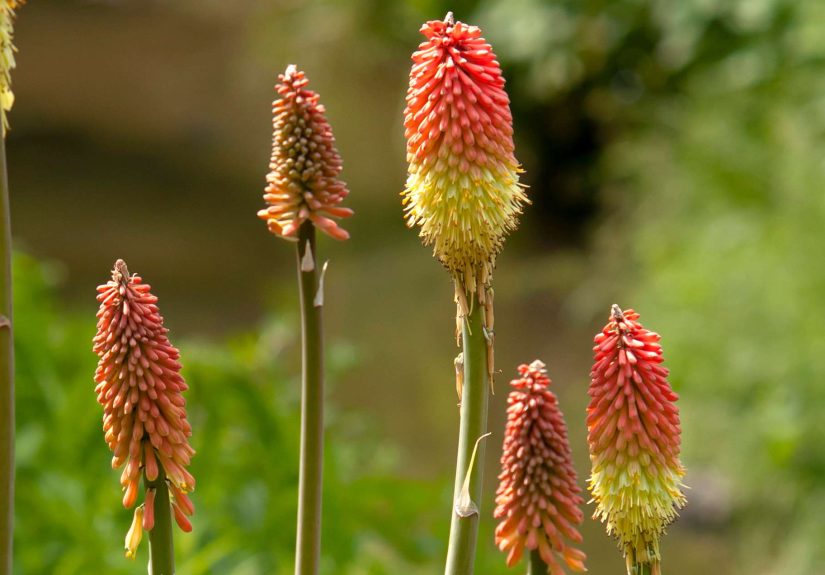
Red hot poker plants (Kniphofia) look like someone stuck a handful of flaming tiki torches into your flower bedand somehow, it’s classy.
These bold perennials (also called torch lilies or poker plants) are famous for tall, glowing flower spikes that pull in hummingbirds and butterflies like
a neon “OPEN” sign on a summer night. The secret to keeping them happy is surprisingly simple: sun, drainage, and a little restraint.
(Yes, this is one of those plants that does better when you stop “helping” so much.)
Below is a practical, in-the-dirt guide to growing red hot poker plants in standard American gardenswhat to do, what to avoid, and how to troubleshoot
the most common “Why are you mad at me?” moments. Expect specifics, real examples, and a few gentle jokes at the expense of soggy soil.
Red Hot Poker 101: What You’re Growing (and Why It Matters)
Most garden varieties form a clump of strappy, grass-like leaves and send up tall flower stalks topped with tubular blooms. Many types open in warm tones
(red/orange) and fade lighter (yellow/cream), creating that signature “hot poker” gradient. They’re perennial in many regions, generally suited to
USDA Zones 5–9, and they’re tough once establishedprovided the crown and roots aren’t sitting in cold, wet soil.
Here’s the big-picture takeaway: red hot pokers tolerate drought far better than they tolerate bad drainage. If you remember only one sentence
from this entire article, let it be that one. (I would put it on a mug, but the mug would probably hold water… which they hate.)
Quick-Start Cheat Sheet
- Light: Full sun is best (aim for 6+ hours). Partial shade is okay, but bloom count usually drops.
- Soil: Well-drained is non-negotiable. Sandy/loamy is great; heavy clay is a negotiation with consequences.
- Water: Regular water while establishing; after that, moderate. When in doubt, keep them slightly on the dry side.
- Spacing: Give them roomoften 18–24 inches (more for large varieties).
- Maintenance: Deadhead spent spikes for tidiness and possible extended bloom; cut back foliage in spring.
- Winter: In colder zones, protect crowns with mulch and keep winter moisture from pooling.
Where to Plant Red Hot Pokers for Maximum Blooms
Sunlight: Aim for “Beach Vacation,” Not “Basement Apartment”
Red hot poker plants generally bloom best in full sun. If you’re in a hot-summer climate, a bit of afternoon shade can be helpfulbut too much shade
usually means fewer flower spikes and more leafy sulking.
Drainage: The Make-or-Break Factor
If your soil drains well, you’re already halfway to success. If your soil holds water like a bathtub, don’t panicjust don’t plant Kniphofia in the bathtub.
Poor drainage, especially in winter, is a common cause of crown/root rot and “mystery disappearances” by spring.
Real-life examples of good planting spots:
- A gentle slope that sheds water naturally (often ideal).
- A raised bed with amended soil (perfect for clay-heavy yards).
- A border near reflective heat (stone paths, south-facing beds), as long as irrigation doesn’t swamp the crown.
- Coastal gardens can work well because many types tolerate some saltagain, drainage is the key.
How to Plant Red Hot Poker Plants Step by Step
The easiest path is buying a healthy potted plant (or a division) and planting it when the weather is mild. Many gardeners plant in spring after frost risk,
and in some regions fall planting also works well if the plant has time to settle in before deep cold.
Planting steps (simple, on purpose)
- Pick the site: Full sun, good airflow, and soil that drains fast.
- Prep the soil: Mix in compost for structure and nutrition. In heavy soil, add grit (coarse sand, fine gravel) and consider raising the planting area.
- Dig the hole: About as deep as the root ball and 2–3x as wide.
- Set the crown correctly: Keep the crown level with the surrounding soiltoo deep can reduce vigor and increase rot risk.
- Backfill and water: Water thoroughly once, then keep evenly moist (not soggy) while the plant establishes.
- Mulch smart: Mulch around the plant, but don’t pile mulch against the crown like you’re frosting a cupcake.
Spacing: Many common forms do well at 18–24 inches apart, but some modern cultivars are compact and others are big clumpers. When in doubt, give more room.
Crowded plants dry slowly, bloom less, and invite fungal issuesbasically the garden version of a cramped elevator in August.
Watering: The “Moderate, Not Dramatic” Approach
New transplants need consistent moisture while roots expand. Once established, red hot poker plants become fairly drought tolerant. In warm weather, many gardeners find that
about an inch of water per week (from rain and irrigation combined) is plentyespecially if your soil holds moisture. If you’re unsure, err slightly dry;
chronic overwatering is a faster path to failure than missing a watering once.
How to tell if you’re watering correctly
- Too wet: Soft crown, yellowing, floppy leaves, or a plant that collapses after cool, rainy spells.
- Too dry: Leaf tips browning in extreme heat, slower growth, fewer spikes (especially the first year).
- Just right: Firm crown, steady leaf growth, and flower spikes that appear on schedule for your variety.
Fertilizing: Feed Lightly (If at All)
Red hot pokers often perform well without heavy feeding, especially if you planted into reasonably fertile soil with compost. If your soil is very poor, a light
application of a balanced, slow-release fertilizer in early spring can help. Avoid high-nitrogen feeding that pushes lush leaves at the expense of flowers.
A practical strategy: top-dress with compost annually, watch bloom performance, and only fertilize if the plant looks weak or flowering is consistently poor
despite good sun and drainage.
Pruning, Deadheading, and Seasonal Cleanup
Deadheading: More blooms, better looks
After a flower spike finishes, cut it down near the base. This keeps the plant looking tidy and may encourage additional spikes depending on the variety and your season length.
It also prevents energy from going into seed production when you’d rather get more flowers.
Leaf care: Don’t scalpel it in fall (usually)
In many climates, it’s best to leave foliage through winter to help protect the crown. In spring, trim old or winter-damaged leaves back to a few inches above the ground
so new growth can take over. If leaves look ragged in summer, you can tidy thembut avoid removing too much green at once, especially during heat waves.
Overwintering Red Hot Poker Plants (Without Losing Them)
Winter is where red hot pokers either prove they’re perennials… or become a “That was fun while it lasted” annual. The risk isn’t just coldit’s cold plus wet.
Your goal is to keep the crown from sitting in water that later freezes or rots the plant.
Cold-climate winter tips (especially Zones 5–6)
- Mulch the root zone after the ground cools (not early fall when warmth can trap moisture).
- Keep mulch off the crown to reduce rot risk.
- Tie leaves loosely into a bundle to form a little “roof” that sheds water away from the crown.
- Prioritize drainage above everything elsewinter sogginess is a repeat offender.
If you’ve struggled with winter survival, consider moving the plant to a raised bed or a slope, or replanting divisions where winter water never pools.
A “slightly too dry” winter site is often safer than a “moist, cozy” one.
Propagation: Division vs. Seed (and Which One You Actually Want)
Division: faster, more predictable
Dividing clumps is the easiest way to make more plants that match the parent. Many gardeners divide in spring just as new growth begins. Use a sharp spade or knife,
keep a generous chunk of roots with each division, and replant at the same depth.
Note: some red hot pokers develop substantial roots and can be stubborn to divide. Don’t be surprised if the plant fights back like a garden bouncer.
The trick is using a sharp tool and taking fewer, larger divisions rather than many tiny ones.
Seed: slower, a little wild-card
You can grow red hot poker from seed, but seedlings may vary from the parent plant (especially hybrids), and flowering can take longer. If you enjoy surprises, seed is fun.
If you want a specific cultivar color and height, division (or buying the cultivar) is the reliable route.
Pests, Diseases, and Problems
The good news: red hot pokers are generally low-drama on pests. The bad news: they are high-drama about soggy soil.
Common issues
- Crown/root rot: Almost always tied to poor drainage and wet winter conditions.
- Thrips (occasionally): Can cause stippling or distorted flowers. Improve airflow, avoid over-fertilizing, and treat if severe.
- Flopping: Usually too much shade, too much nitrogen, or a variety that needs more sun and less pampering.
- No blooms: Most often shade, immature plant (first-year sulk), planting too deep, or a clump that needs division.
Landscape Design Ideas That Make Red Hot Pokers Look Expensive
These plants bring strong vertical lines and hot colorsso they pair beautifully with cooler tones and softer textures. Think “fireworks” against “calm sky.”
Companion planting wins
- Purples and blues: perennial salvia, catmint, lavender-like companions (similar sun/drainage needs).
- Silvery foliage: artemisia and other drought-tolerant silver-leaf plants that make the blooms pop.
- Grasses: ornamental grasses echo the strappy leaves and add movement.
- Tropical vibe: canna, elephant ear, and other bold-leaf plants in warm climates (watch water levels).
For maximum impact, plant in drifts or repeated clumps rather than one lonely poker standing awkwardly like it’s waiting for a bus.
Are Red Hot Poker Plants Invasive?
In some regions, red hot poker can spread aggressively through rhizomes and/or seed. A few areas (notably parts of the West Coast) treat certain types as invasive.
The smart move is to check local guidance before planting large masses, especially near natural areas. If you already have it and want to keep it polite,
deadhead before seed set and divide/remove wandering clumps.
of Real-World Growing Experience and “Stuff People Learn the Hard Way”
Garden advice sounds wonderfully clean on paper“full sun,” “well-drained soil,” “water weekly”and then real life shows up with a hose, a thunderstorm,
and a patch of clay that could be used to throw pottery. So here’s what tends to happen in actual gardens, based on repeated patterns growers report and trial
observations: red hot poker plants reward you when you treat drainage like a religion, and they punish you when you treat wet soil like a love language.
The most common “experience gap” is thinking you planted in well-drained soil because the surface looks dry. Many yards have a top layer that
dries quickly and a lower layer that holds water. Red hot pokers don’t mind a drink; they mind sitting in a cold puddle. A practical test is digging a small hole,
filling it with water, and watching how fast it drains. If it’s still holding water hours later, that’s not a garden bedit’s a slow-motion bath.
In those situations, gardeners often get the best long-term results by building a slightly raised mound, mixing in grit, or planting on a slope. It’s less romantic
than “just pop it in the border,” but so is replacing the plant every spring.
Another classic real-world lesson: the first year can be unimpressive. Many perennials spend year one building roots, especially if planted from a small pot.
People assume something is wrong, start feeding heavily, and the plant responds by making lush leaves instead of flowers. Patience is usually the better fertilizer.
If the plant has sun and drainage, it often improves noticeably in year two.
Winter survival stories also teach a pattern: plants can look terrific all season and still fail after a wet winter. Trial plantings have shown “great summer,
dead after winter” outcomes even when everything seemed rightuntil you zoom in on winter moisture and exposure. Wind protection can matter too: a site blocked from
harsh winter wind (like near a fence) may reduce stress, but it won’t compensate for a crown sitting in water. Growers who succeed long-term often do two things:
they leave foliage through winter as extra protection, and they prevent water from pooling at the crown by tying leaves loosely and avoiding mulch piled against the base.
Finally, a fun experience-based tip: red hot pokers look best when you repeat them. One plant can look like a novelty; three to five in a drift looks
like a design decision. Gardeners who pair them with purple-blue companions (salvia, catmint, or similar sun-lovers) often get that magazine-worthy “color temperature
contrast” that makes the orange spikes glow even more. And if hummingbirds are your thing, you’ll notice quickly that these blooms function like a dependable refill station.
When the pokers are blooming, the birds show upno invitation required.
Conclusion
If you give red hot poker plants what they actually wantfull sun, sharp drainage, moderate water, and a crown that stays dry in winterthey’ll repay you
with torch-like blooms that light up the garden and bring pollinators to the party. Keep them out of heavy, wet soil; deadhead for a longer show; tidy foliage in spring;
and protect the crown in colder climates. Do that, and your garden gets the fireworks display without the fire marshal.




 Close
Close