Table of Contents >> Show >> Hide
- What a “Broken Shoulder” Usually Means in a Cat
- Signs Your Cat May Have a Broken Shoulder
- What to Do Immediately
- When It Is an Emergency
- How Vets Diagnose a Broken Shoulder
- Treatment Options for a Cat with a Broken Shoulder
- How to Help Your Cat Recover at Home
- How Long Does a Broken Shoulder Take to Heal?
- Can a Cat Fully Recover?
- Common Mistakes Cat Owners Make
- What Recovery Really Feels Like: Composite Caregiver Experiences
- Conclusion
If your cat may have a broken shoulder, this is not the moment for optimism, denial, or the classic feline defense strategy of pretending nothing is wrong while quietly glaring from under the bed. A shoulder-area fracture is painful, often traumatic, and sometimes comes with other injuries that are easier to miss than a cat sneaking onto the kitchen counter at 2 a.m.
The good news is that many cats recover very well with prompt veterinary care, smart home management, and one underrated superpower: enforced rest. Not “rest” as your cat defines it, which usually means sprinting down the hallway at 4:47 a.m. Real rest. Crate rest. Boring room rest. “Sorry, your parkour career is temporarily suspended” rest.
This guide explains what a “broken shoulder” in a cat can mean, what to do right away, what treatment may involve, and how to support recovery at home without accidentally making things worse. If you are publishing pet care content online, this is the big takeaway: a cat with a suspected broken shoulder needs veterinary attention quickly, not a DIY repair session and definitely not human pain pills.
What a “Broken Shoulder” Usually Means in a Cat
When people say a cat has a broken shoulder, they usually mean an injury somewhere around the shoulder region rather than one single exact bone every time. That area may involve the scapula (shoulder blade), the upper part of the humerus (the upper front leg bone), or structures close to the shoulder joint itself.
That distinction matters because treatment can vary a lot. Some simpler fractures may heal with strict confinement and pain control. Others, especially those near the joint or in the upper arm, may need surgery with plates, screws, pins, or other stabilization methods. In plain English: two cats can both be described as having a “broken shoulder,” but their treatment plans can look very different.
That is why the internet can help you understand the process, but only X-rays and a veterinary exam can tell you what your cat actually needs.
Signs Your Cat May Have a Broken Shoulder
Cats are famously skilled at hiding pain. If they had resumes, “conceals suffering like a tiny method actor” would be near the top. So the signs may be subtle at first, especially in a stressed or stoic cat.
Common signs include:
- Limping or refusing to bear weight on a front leg
- Holding the leg in an odd position
- Swelling around the shoulder or upper front limb
- Pain when touched or when trying to move
- Vocalizing, growling, or hiding more than usual
- Reduced appetite or reluctance to move
- A shoulder that looks uneven, dropped, or abnormal
- Open-mouth breathing, agitation, or obvious distress after trauma
If your cat was hit by a car, fell from a height, got caught in something, or was attacked by another animal, assume there may be more going on than the leg alone. Chest, abdominal, head, and soft tissue injuries can happen alongside fractures.
What to Do Immediately
If you suspect a broken shoulder, the first job is not to diagnose the exact fracture. It is to keep your cat as still, safe, and contained as possible until a veterinarian takes over.
Do this right away:
- Limit movement immediately. Put your cat in a carrier, crate, or very small enclosed space. Less movement means less pain and less chance of worsening the injury.
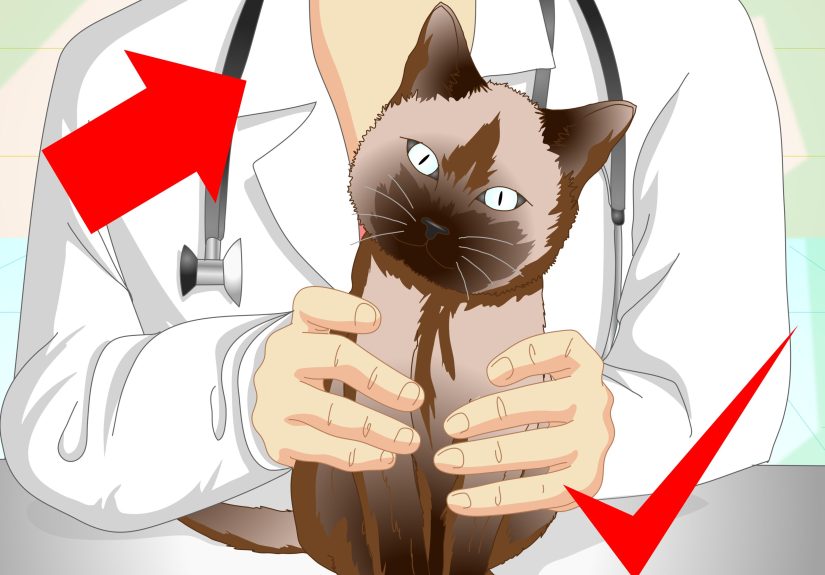
- Handle as little as possible. Support the body from underneath if you must move your cat. Do not let the injured front end dangle.
- Call your veterinarian or an emergency clinic. Tell them your cat may have a shoulder fracture so they can prepare for pain control, imaging, and trauma assessment.
- Keep the environment quiet. Dim lights, reduce noise, and keep children and other pets away. Stress makes everything harder, including pain.
- Transport carefully. A hard-sided carrier with a towel on the bottom is often the simplest and safest option.
Do not do these things:
- Do not try to “pop” anything back into place
- Do not massage or stretch the shoulder
- Do not apply a homemade splint unless a veterinarian specifically instructs you
- Do not give ibuprofen, acetaminophen, naproxen, aspirin, or any human pain medication
- Do not assume your cat is fine just because they are still purring; cats can purr when stressed or painful too
Upper front leg and shoulder injuries are especially tricky because the area is difficult to immobilize correctly outside a veterinary setting. A bad home splint can create pressure sores, swelling, delayed healing, and a whole new chapter of problems nobody asked for.
When It Is an Emergency
A suspected fracture is already urgent, but some signs mean you should seek emergency care immediately:
- Your cat is open-mouth breathing or struggling to breathe
- There is bleeding, an open wound, or exposed bone
- Your cat collapses, seems weak, or cannot stand
- The gums look pale or gray
- Your cat is extremely painful, panicked, or difficult to settle
- The injury followed major trauma such as a fall, bite wound, or car accident
Think of the fracture as the visible headline. The emergency vet is there to check for the rest of the story.
How Vets Diagnose a Broken Shoulder
At the clinic, your veterinarian will usually start with a full physical exam and pain assessment. If the injury followed trauma, they may also check for chest injuries, abdominal injury, neurologic problems, and shock.
Most cats need X-rays to confirm the fracture and see how the bone has broken. In more complex trauma cases, a CT scan may be recommended, especially if the injury involves a joint, multiple fractures, or other areas of the body.
Depending on the situation, your cat may also need blood work, chest imaging, sedation, or stabilization before orthopedic treatment begins. That can feel frustrating when all you want is “fix the shoulder,” but it is often the safest order of operations.
Treatment Options for a Cat with a Broken Shoulder
1. Strict Rest and Conservative Management
Some fractures can be managed without surgery if they are stable enough and likely to heal in good alignment. In those cases, treatment may center on pain control, activity restriction, and repeat imaging to make sure healing is progressing the way it should.
This does not mean “wait and see while the cat roams the house.” It means controlled confinement and regular veterinary follow-up.
2. Surgical Repair
Many shoulder-area fractures require surgery because the location is difficult to stabilize externally and normal movement puts a lot of force through the limb. Surgical repair may involve:
- Plates and screws
- Pins and wires
- External fixation devices
- Joint-focused repair if the fracture extends into the shoulder
The exact method depends on where the bone is broken, whether the fracture is open or closed, whether the joint is involved, your cat’s age and health, and whether other injuries are present.
3. Pain Control and Supportive Care
No matter which repair route is chosen, pain control is essential. Cats do not get bonus healing points for bravery. Your veterinarian may use injectable pain medication initially and then send home cat-appropriate medication for recovery. Some cats also need antibiotics, anti-nausea medication, fluids, or a recovery collar to stop chewing at sutures or bandages.
How to Help Your Cat Recover at Home
This is the part people underestimate. Surgery may be one day. Recovery is the marathon. The home setup can make the difference between smooth healing and a dramatic return trip to the clinic.
Create a recovery zone
A large dog crate, roomy recovery kennel, or very small quiet room often works best. Keep everything close and low:
- Soft bedding
- Food and water within easy reach
- A low-entry litter box
- No cat trees, shelves, stairs, or furniture to jump on
If you use a room instead of a crate, remove tempting launch points. Your cat may feel emotionally ready for acrobatics long before the bone agrees.
Give every medication exactly as prescribed
Do not stop pain medication early because your cat “seems better.” Cats often move more once pain is better controlled, which is precisely why your confinement plan still matters.
Protect the incision or bandage
If your cat has surgery, keep the incision clean and dry. Do not apply ointments, oils, powders, or homemade miracle goo unless your veterinarian says to. If your cat has a bandage or splint, keep it dry and intact, and never tighten, loosen, or rewrap it yourself. Bandage care sounds simple until it is 11 p.m. and the cat has turned it into a damp, angry sock. In that case, call the clinic.
Watch for complications
- Redness, heat, swelling, or discharge at the incision
- Bad odor from a bandage
- Chewing at the area
- Loss of appetite
- Lethargy beyond expected recovery
- Sudden increase in pain or refusal to use the leg after initial improvement
Go to all follow-up visits
Recheck exams and repeat X-rays are not optional extras. They are how your veterinarian confirms the bone is healing correctly before activity increases.
How Long Does a Broken Shoulder Take to Heal?
Many feline fractures heal in roughly six to 12 weeks, but that is a range, not a promise engraved in stone. Younger cats may heal faster. Complex fractures, open fractures, joint involvement, infection, or excessive activity can slow things down.
That is why recovery often feels like this:
- Week 1: pain control, swelling control, strict rest, survival mode for everyone
- Weeks 2 to 4: your cat acts suspiciously more normal and therefore becomes less trustworthy
- Weeks 4 to 8: follow-up imaging, continued restriction, possible adjustment of activity
- Weeks 8 to 12 and beyond: gradual return to normal activity if healing looks good
The most common recovery mistake is increasing freedom because the cat “looks fine.” Cats often feel better before the bone is fully ready for jumping, wrestling, sprinting, and launching off furniture like a furry missile.
Can a Cat Fully Recover?
Often, yes. Many cats do very well after fracture treatment and return to a good quality of life. The outlook is generally better when the injury is treated promptly, follow-up instructions are followed closely, and the fracture does not severely damage the joint surface.
If the shoulder joint itself is involved, some cats may later develop stiffness or arthritis. Even then, many still do well with good management, weight control, appropriate activity, and veterinary guidance.
Common Mistakes Cat Owners Make
- Waiting too long because the cat is still eating
- Letting the cat hide all day instead of seeking care
- Using human pain medication
- Trying to splint the shoulder at home
- Allowing too much movement during recovery
- Skipping recheck appointments because the cat seems better
- Leaving bandages wet, dirty, or chewed
If you avoid those errors, you are already doing a lot right.
What Recovery Really Feels Like: Composite Caregiver Experiences
Many cat owners say the hardest part is not the first vet visit. It is the emotional whiplash afterward. The first day is all adrenaline: get the cat in the carrier, get to the hospital, answer questions, approve imaging, hear words like “fracture,” “sedation,” or “orthopedic repair,” and suddenly your perfectly ordinary Tuesday becomes a veterinary drama with a payment plan.
Then comes the home phase, which is quieter but in some ways more challenging. One common experience is the crate-rest guilt spiral. A caregiver looks at their normally active cat in a recovery crate and thinks, “This feels cruel.” Then the veterinarian reminds them that confinement is not punishment. It is treatment. Cats do not understand X-rays, but their bones still benefit from not doing backflips off the couch.
Another shared experience is discovering how inventive cats become when they are under strict restrictions. Cats with healing shoulder injuries have been known to attempt climbing crate walls, performing one-legged litter box gymnastics, and acting personally betrayed by the existence of a recovery collar. Owners often say the first few days require frequent adjustments: moving the litter box closer, lowering the water bowl, swapping bulky bedding for flatter bedding, or changing medication timing so the cat eats more comfortably.
Caregivers also talk about the strange mental game of watching for progress without expecting a miracle by breakfast. One day the cat refuses to put the paw down. A few days later there is a tiny toe-touch. Then maybe a little weight-bearing. Those small milestones feel huge. But the emotional trap is assuming improvement means the cat is healed. Experienced owners often say the middle of recovery is when vigilance matters most, because the cat feels better just in time to make reckless decisions.
Follow-up visits are another reality check. Many people expect the hardest appointment to be the first one, but rechecks can be stressful too. You are hoping the X-rays look good. You are hoping the hardware is stable. You are hoping the veterinarian says, “Great progress.” When they do, it feels like winning a tiny orthopedic lottery. When they say, “We still need more time,” that can feel discouraging, even though it is completely normal.
What owners remember most, though, is often not the medical hardware or the medication charts. It is the moment their cat starts acting like themselves again: grooming normally, asking for treats, getting annoyed at household rules, and giving that familiar look that says, “I survived your nonsense, human.” Recovery can be slow, inconvenient, and expensive, but many people say the routine eventually becomes manageable. By the end, they often feel more confident, more observant, and oddly proud of having become part-time orthopedic support staff for a very judgmental roommate.
Conclusion
Helping a cat with a broken shoulder starts with one simple rule: get veterinary care quickly and keep the cat still. From there, everything else followsaccurate diagnosis, pain control, the right treatment plan, and careful home recovery.
The shoulder region is not a great place for guesswork. It is a complicated area, hard to immobilize properly, and often injured in bigger trauma events. But with prompt care and disciplined follow-through, many cats heal well and get back to doing cat things, including the ones they were absolutely told not to do.
In other words, the goal is not just bone healing. It is getting your cat safely back to their normal lifeminus, ideally, any future attempts to audition for the feline stunt hall of fame.