
Table of Contents >> Show >> Hide
- Why Children Need a Proper Desk Chair
- What Makes a Good Children’s Desk Chair?
- Types of Children’s Desk Chairs
- How to Match a Desk Chair to a Child’s Desk
- Safety Features Parents Should Not Ignore
- Materials: What to Look For
- Style Matters, But Function Wins
- Best Features by Age Group
- Common Buying Mistakes
- How to Set Up a Better Homework Station
- Budget: How Much Should You Spend?
- Quick Buying Checklist
- Real-Life Experience: What Parents Learn After Buying Children’s Desk Chairs
- Conclusion
Buying a children’s desk chair sounds easy until you discover there are approximately four million options, half of them pink, half of them “ergonomic,” and one suspiciously shaped like a tiny racing seat. But the right chair is more than a cute piece of kids’ furniture. It can affect comfort, focus, posture, room organization, and whether homework time feels like a productive routine or a nightly negotiation with a small, snack-powered CEO.
A good children’s desk chair supports the way kids actually live: they wiggle, draw, read, build, type, spin, slump, snack, and occasionally use the chair as a launchpad for imagination. The goal is not to force children into stiff, perfect posture like miniature accountants. The goal is to create a comfortable study space that fits their body, grows with them, and survives real family life.
This guide explains how to choose the best desk chair for kids, what features matter, which materials make sense, how to match a chair to a desk, and when a stylish chair is secretly a bad idea wearing adorable upholstery.
Why Children Need a Proper Desk Chair
Children are not simply “small adults,” especially when it comes to furniture. A chair that works for a grown-up can leave a child’s feet dangling, shoulders raised, back unsupported, and elbows floating awkwardly above the desktop. Cornell University’s ergonomics guidance notes that young children often sit too low at computers, with dangling feet and awkward keyboard posture, and that they need a chair that raises them to the correct height while giving their feet a stable place to rest.
That matters because comfort changes behavior. A child who is physically uncomfortable may fidget, slide forward, kneel on the seat, perch on the edge, or abandon the desk altogether for the floor. Sometimes that is just normal kid energy. Other times, the furniture is sending a very clear message: “This setup does not fit.”
The right kids desk chair can help create a dedicated zone for homework, reading, art, journaling, online learning, and creative play. It also gives children a sense of ownership. Their desk becomes a place where pencils live, projects begin, and big thoughts happenpossibly next to a pile of eraser crumbs.
What Makes a Good Children’s Desk Chair?
1. Adjustable Seat Height
Adjustable height is one of the most useful features in a children’s study chair. Kids grow quickly, and a chair that fit in September may feel too small by spring. Retailers such as IKEA emphasize that an adjustable kids desk chair helps children find the right height, ideally allowing their legs to form about a 90-degree angle with feet resting comfortably on the floor.
When checking chair height, look for three simple signs: feet supported, knees bent comfortably, and elbows able to rest near desk height without shoulders hunching. If the chair is slightly too tall but otherwise excellent, a footrest can help. A sturdy box, low stool, or dedicated foot platform can turn a “nearly right” setup into a comfortable one.
2. Back Support
A supportive backrest is better than a stool or backless chair for longer homework sessions. Nationwide Children’s Hospital recommends a chair with a straight back because it supports sitting tall, and it also advises that children should be able to rest their feet and forearms comfortably while working.
Back support does not need to look complicated. A simple curved backrest, a lightly padded panel, or a flexible ergonomic back can all work. What matters is whether the child can sit back without collapsing into a shrimp-like posture. Cute shrimp posture is still shrimp posture.
3. Seat Depth That Fits the Child
Seat depth is often ignored, but it makes a big difference. If the seat is too deep, a child may slide forward and lose back support. If it is too shallow, the chair can feel unstable or uncomfortable. A practical fit test is to have the child sit with their back against the backrest. There should be a small gap between the front edge of the seat and the back of the knees.
For younger children, compact chairs usually work better than oversized office chairs. For older kids and tweens, a slightly larger adjustable chair may provide more years of use.
4. Stability
Children move. They lean, twist, reach for markers, drop pencils, and sometimes reenact space travel with furniture. A children’s desk chair needs a stable base that can handle normal movement without tipping easily. Fixed-leg chairs are often best for younger children because they are simple and steady. Swivel chairs can be helpful for older kids, but they should have a wide, sturdy base and smooth movement.
Safety is especially important in children’s rooms. The U.S. Consumer Product Safety Commission continues to emphasize anchoring furniture and preventing tip-over hazards in homes with children. While a desk chair itself is usually not anchored, the surrounding furniturebookcases, storage units, hutches, and tall desksshould be reviewed for stability.
5. Durable, Easy-Clean Materials
A child’s desk chair lives a dramatic life. It may encounter glue, glitter, markers, cereal dust, muddy socks, and mysterious sticky substances no one in the house admits knowing about. Choose materials that match your household reality.
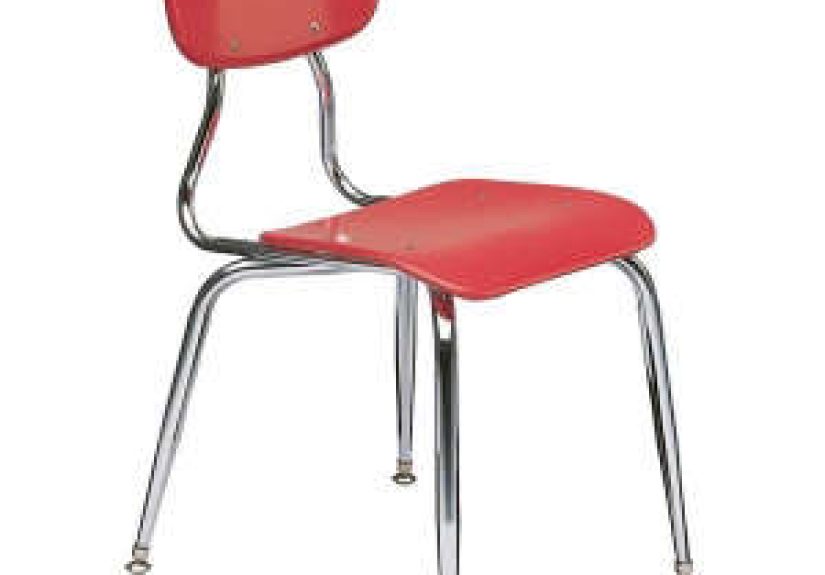
Plastic chairs are lightweight and easy to wipe clean. Wood chairs look classic and can last for years. Mesh chairs breathe well, which is helpful for kids who sit for longer periods. Upholstered chairs are comfortable and stylish, but they should have stain-resistant fabric or removable cushions if the child is still in the “markers are a lifestyle” stage.
Types of Children’s Desk Chairs
Classic Wooden Chairs
Wooden children’s desk chairs are sturdy, timeless, and easy to coordinate with traditional kids desks. They are ideal for reading corners, craft tables, and bedrooms where parents want furniture that does not scream “temporary plastic kingdom.” A well-made wooden chair can be passed down to siblings or repurposed later as an accent chair.
The downside is adjustability. Many wooden chairs have fixed heights, so they need to match the desk carefully. If you choose wood, measure first. Do not rely on hope, vibes, or the photo where the chair appears perfectly sized next to a suspiciously well-behaved child.
Adjustable Swivel Chairs
Adjustable swivel chairs are popular for school-age children and teens. Many include gas-lift height adjustment, rolling casters, padded seats, and sometimes armrests. IKEA’s children’s desk chair lineup includes height-adjustable options, and some models include safety casters that respond to pressure.
Swivel chairs are useful when children move between writing, typing, and reaching for supplies. However, they can also become entertainment devices. If your child turns every chair into a carnival ride, consider a non-rolling chair or one with locking casters.
Ergonomic Kids Chairs
Ergonomic children’s desk chairs usually offer more adjustability, such as seat height, backrest height, seat depth, or foot support. These chairs are especially helpful for children who spend regular time at a desk for homework, music practice, digital learning, drawing, or reading.
Ergonomic does not automatically mean expensive or perfect. The best ergonomic chair is the one that fits the child, supports natural posture, and is simple enough that the family actually adjusts it. A chair with 11 knobs is not helpful if everyone is afraid to touch them.
Task Chairs With Arms
Armrests can be comfortable, especially for older children, but they are not always necessary. Poorly placed arms can prevent the chair from sliding under the desk or force shoulders upward. If choosing armrests, make sure they fit under the desktop and do not interfere with writing or keyboard use.
For smaller rooms, armless chairs are often more practical. They tuck in neatly, reduce visual clutter, and leave more space for movement.
How to Match a Desk Chair to a Child’s Desk
The best chair in the world can still fail if paired with the wrong desk. Chair and desk height must work together. When seated, the child’s elbows should be near the desktop without raised shoulders. Feet should rest flat on the floor or on a footrest. The child should be able to sit close enough to the desk without leaning forward.
If the desk is too high, the child may shrug their shoulders while writing. If the desk is too low, they may round their back or tuck their legs awkwardly. Height-adjustable desks are helpful for growing children, but a fixed desk can work well when paired with the right chair and foot support.
Safety Features Parents Should Not Ignore
Check Weight Limits
Children grow, and chairs have limits. Always check the manufacturer’s recommended age, height, and weight range. A chair intended for preschoolers may not be safe or comfortable for a 10-year-old. Likewise, an adult office chair may be too large for a younger child.
Inspect Casters and Bases
For rolling chairs, look for smooth casters, a stable base, and movement that matches the flooring. Hard casters can slide too quickly on wood or tile. Soft casters or a chair mat may help. For carpeted rooms, wheels should roll without sticking.
Avoid Sharp Edges and Pinch Points
Rounded corners, smooth edges, and covered hardware are important in children’s furniture. Adjustable parts should not create obvious pinch points for small fingers. If the chair folds, tilts, or converts, inspect the moving parts carefully.
Think Beyond the Chair
A desk chair is part of a larger study zone. Tall bookcases, storage carts, wall shelves, and hutches should be stable and properly secured where needed. CPSC’s Anchor It! campaign recommends using anti-tip devices to secure furniture and TVs to help protect children from tip-over hazards.
Materials: What to Look For
Children’s desk chairs come in wood, metal, plastic, mesh, foam, and upholstered combinations. Each material has strengths.
Solid wood is durable and attractive. Metal frames add strength and stability. Plastic shells are lightweight and easy to clean. Mesh backs improve airflow. Foam padding adds comfort, especially for older kids who sit longer.
Indoor air quality is also worth considering. The U.S. Environmental Protection Agency notes that pressed wood products, including particleboard, hardwood plywood, and medium-density fiberboard used in furniture, can be sources of formaldehyde when made with certain resins. For children’s rooms, parents may prefer solid wood, low-VOC finishes, water-based finishes, or products with credible low-emission certifications.
GREENGUARD Gold certification is commonly used in children’s furniture to indicate that products have been tested for chemical emissions. Babylist explains that GREENGUARD certification involves testing products and manufacturing processes for chemical and VOC emissions. This does not mean every non-certified chair is unsafe, but certification can make comparison easier for parents who want cleaner indoor air choices.
Style Matters, But Function Wins
Children care about how furniture looks. That is not silly. A chair they like may encourage them to use the study area more often. A cheerful color, soft cushion, or modern shape can make a homework corner feel inviting.
Still, style should not defeat function. A fluffy chair with no support may look adorable but become uncomfortable after 15 minutes. A tiny designer chair may photograph beautifully but fail the feet-flat test. A huge gaming-style chair may thrill a tween but overwhelm a small bedroom and place the child too high above the desk.
The sweet spot is a chair that looks good, fits well, cleans easily, and supports everyday use. Think “study buddy,” not “furniture diva.”
Best Features by Age Group
Preschool to Early Elementary
Younger children usually do best with stable, simple chairs. Look for fixed legs, rounded edges, lightweight construction, and easy-clean surfaces. Avoid chairs that roll too freely unless the child can use them safely. At this age, the chair may be used for coloring, puzzles, early writing, and pretend office work involving very serious crayon documents.
Elementary School
For children who are starting regular homework, adjustable height becomes more important. A supportive backrest, comfortable seat, and proper desk match can help create better habits. A footrest may be needed if the desk height is designed for older kids.
Tweens and Teens
Older children may need a chair closer to a compact office chair. Look for stronger weight capacity, better padding, adjustable height, and durable upholstery or mesh. Teens may spend time typing, studying, reading, and creating digital projects, so comfort matters more. This is also the stage where style opinions may become extremely specific. Prepare for phrases like “not that shade of gray.”
Common Buying Mistakes
Buying Too Big “So They Can Grow Into It”
Growth room is useful, but a chair that is too large today can cause poor fit for years. Choose adjustable furniture instead of oversized furniture whenever possible.
Ignoring the Desk Height
A chair cannot solve every problem alone. Measure the desk. Measure the seat height. Check how the child sits at the actual workstation.
Choosing Looks Over Cleanability
White boucle may be beautiful. It may also become a historical record of every snack ever consumed in the room. For younger children, washable and wipeable materials are your friends.
Forgetting Lighting and Layout
A chair works best in a complete study setup. Add good lighting, easy-to-reach supplies, and enough desktop space. A comfortable chair in a chaotic corner still feels chaotic.
How to Set Up a Better Homework Station
Start with the chair and desk, then build outward. Place the desk in a spot with good light and minimal distractions. Keep frequently used supplies nearby. Use a small bin, drawer, or desktop organizer for pencils, paper, scissors, sticky notes, and chargers.
Encourage movement breaks. Even a great chair should not trap a child for hours. The American Academy of Pediatrics no longer recommends one universal screen-time limit for every child, instead encouraging families to create balanced media habits that fit the child and household. That same practical thinking applies to desk time: comfort, breaks, sleep, play, schoolwork, and family routines all matter.
Budget: How Much Should You Spend?
Children’s desk chairs can range from budget-friendly plastic models under $50 to premium ergonomic chairs costing several hundred dollars. The right budget depends on the child’s age, daily use, and how long you expect the chair to last.
For occasional coloring or short homework sessions, a simple sturdy chair may be enough. For daily computer use, online learning, or long study periods, investing in adjustability and support makes more sense. A chair that grows with the child may cost more upfront but last longer than a fixed-size chair that becomes too small after one growth spurt.
Quick Buying Checklist
- Does the chair fit the child’s current height?
- Can the child’s feet rest flat on the floor or a footrest?
- Does the backrest provide support?
- Is the seat depth comfortable?
- Does the chair match the desk height?
- Is the base stable?
- Are materials easy to clean?
- Are edges smooth and child-friendly?
- Will the chair fit the room without crowding it?
- Can the chair adjust as the child grows?
Real-Life Experience: What Parents Learn After Buying Children’s Desk Chairs
The first thing many parents discover is that children do not use desk chairs the way adults imagine. In the catalog photo, the child sits upright, smiles gently, and writes in a notebook beside a perfectly sharpened pencil. In real life, one leg is tucked under the body, the other foot is on the chair base, three pencils are missing, and the child is asking whether homework can be completed “mentally.” This is why fit and comfort matter more than perfect posture theory.
One practical experience is that adjustable chairs are usually worth it for school-age children. Even when the adjustment range seems minor, it can make the difference between a child reaching comfortably and a child hunching over the desk. Parents often realize the problem was not the child’s attention span but the setup. When feet are supported and the desktop is at a better height, some children settle into tasks more easily. Not magically, of course. The chair will not explain fractions. But it can remove one source of discomfort.
Another lesson is that rolling chairs are not always the best choice for younger kids. Wheels look fun because they are fun. Unfortunately, “fun” sometimes means sliding backward during handwriting practice or spinning instead of reading. For younger children, a sturdy four-leg chair may create a calmer workspace. For older kids, a swivel chair can be useful, especially when they move between a laptop, notebook, and supply drawer. The key is matching the chair to the child’s habits, not just the room’s style.
Cleanability becomes important very quickly. Upholstered chairs are cozy, but if the child loves markers, slime, paint, or snacks, parents may regret delicate fabric. A wipeable plastic or wood seat can be a sanity saver. If choosing upholstery, darker colors, performance fabrics, removable cushions, or washable covers are practical upgrades. The best children’s furniture understands that childhood is not a museum exhibit.
Parents also learn that a good desk chair cannot fix a poorly organized study area. If supplies are scattered around the house, children get up constantly. If lighting is dim, they lean forward. If the desk is covered with toys, the chair becomes irrelevant. A small drawer unit, pencil cup, task lamp, and clear desktop can make the chair more effective because the whole space finally supports focus.
Finally, the child’s opinion matters. A chair that meets every ergonomic requirement but is “ugly” may remain unused. Letting children choose between two parent-approved options gives them ownership without turning the purchase into a 90-minute debate about neon colors. When kids like their workspace, they are more likely to use it. That does not mean homework becomes thrilling, but it may become a little less dramaticand in family life, “a little less dramatic” deserves applause.
Conclusion
A children’s desk chair is a small piece of furniture with a surprisingly big job. It supports homework, reading, drawing, computer use, and the daily routine of growing up. The best chair fits your child now, adjusts for growth, supports the back, keeps feet stable, cleans easily, and works with the desk rather than fighting it.
Before buying, measure the desk, check the child’s seated position, consider how long the chair will be used each day, and think honestly about your child’s habits. A beautiful chair is nice. A comfortable, safe, durable, child-approved chair is better. And if it survives glue stick season, congratulationsyou may have found a keeper.







 Close
Close