
Table of Contents >> Show >> Hide
- First, What Ovulation Actually Is
- The Most Important Truth: You Cannot Guarantee Ovulation Naturally
- How to Support Ovulation Naturally
- 1. Reach a Healthy, Sustainable Weight
- 2. Eat Like a Human, Not a Science Experiment
- 3. Exercise Moderately, But Do Not Overdo It
- 4. Protect Your Sleep and Daily Rhythm
- 5. Lower Stress Without Pretending Stress Is the Only Issue
- 6. Stop Smoking, Vaping, and Using Recreational Drugs
- 7. Track Ovulation the Smart Way
- 8. Take Folic Acid, But Know What It Does
- Natural Remedies and Supplements: What Is Worth Skepticism?
- When “Natural” Is Not Enough
- Common Myths About Inducing Ovulation Naturally
- A Practical Natural Ovulation Plan
- Experiences People Commonly Have When Trying to Support Ovulation Naturally
- Final Thoughts
If you have ever typed “how to induce ovulation naturally” into a search bar at 1:12 a.m., welcome. You are in very crowded company. The internet is full of teas, powders, “fertility superfoods,” mysterious seed rotations, and enough anecdotal advice to make anyone want to lie down dramatically on the kitchen floor. The problem is that ovaries do not respond well to panic, random supplements, or wishful scrolling.
Here is the honest, useful answer: there is no natural method proven to make ovulation happen on command. But there are evidence-based ways to support regular ovulation, improve your chances of conception, and spot when an underlying issue is getting in the way. In other words, you may not be able to boss your ovaries around, but you can absolutely create better conditions for them to do their job.
This guide breaks down what “natural ovulation support” really means, what helps, what is overhyped, and when it is time to stop buying another herbal blend with a cottagecore label and start calling a clinician.
First, What Ovulation Actually Is
Ovulation is the release of an egg from the ovary. That sounds simple, but it depends on a finely timed conversation between your brain, your ovaries, your hormones, your metabolism, and your overall health. If one part of that conversation gets disrupted, ovulation can become irregular or stop entirely.
That is why problems such as polycystic ovary syndrome (PCOS), thyroid disorders, high prolactin, being significantly underweight, obesity, intense overtraining, chronic sleep disruption, and certain medications can all interfere with ovulation. So when people ask how to induce ovulation naturally, what they usually need is not a magic “fertility hack.” They need to identify what is making ovulation less likely and then fix what can be fixed.
The Most Important Truth: You Cannot Guarantee Ovulation Naturally
Let’s say the quiet part out loud: no food, tea, supplement, or bedtime ritual has been proven to reliably force ovulation in someone who is not ovulating. That does not mean lifestyle changes are pointless. Far from it. It means the goal is better framed as supporting regular ovulation naturally, not triggering it on demand like a smart lightbulb.
This distinction matters because a lot of misleading fertility content sells certainty where medicine offers probabilities. Good information says, “These habits can improve the odds.” Bad information says, “Drink this cinnamon-lemon-clove potion and ovulate by Thursday.” Your reproductive system deserves better than kitchen witch fan fiction.
How to Support Ovulation Naturally
1. Reach a Healthy, Sustainable Weight
Weight is one of the clearest lifestyle factors linked to ovulation. If you are significantly underweight, your body may reduce estrogen production and stop ovulating regularly. If you have overweight or obesity, especially with PCOS, insulin resistance and hormonal imbalance can disrupt ovulation.
The keyword here is sustainable. Crash dieting is not a fertility plan. Neither is punishing yourself with hours of cardio and one sad rice cake. If you are underweight, gradual weight restoration can help cycles return. If you have overweight or obesity, even a modest amount of weight loss may improve menstrual regularity and ovulation, particularly in people with PCOS.
Think gentle consistency, not dramatic reinvention. Balanced meals, realistic calorie intake, regular movement, and enough protein, fiber, and healthy fats usually beat “detoxes” every single time.
2. Eat Like a Human, Not a Science Experiment
No single fertility diet has been proven to make ovulation happen. Still, your body needs adequate energy and nutrients to support hormone production. That means eating enough, eating regularly, and not building your entire plan around internet trends that begin with “What I eat in a day” and end with three almonds and a motivational quote.
A practical ovulation-supportive pattern looks like this:
- Regular meals instead of long stretches of under-eating
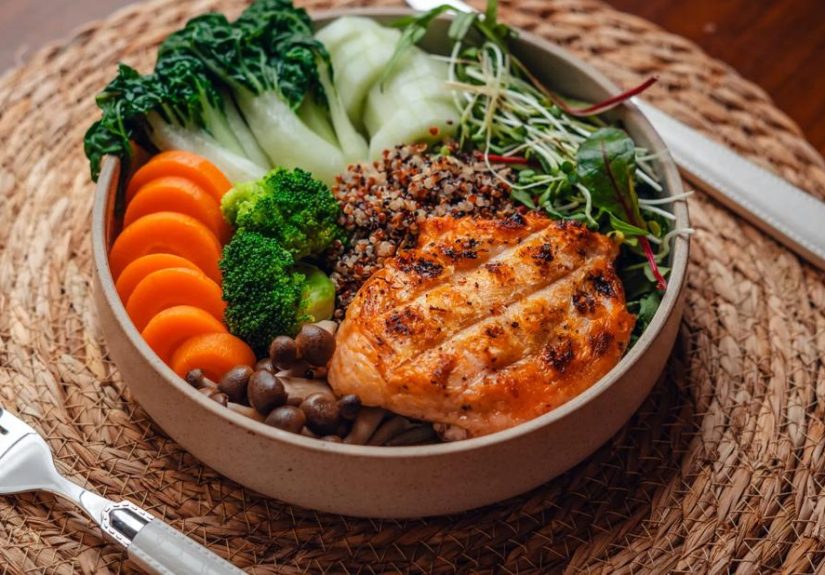
- Plenty of vegetables, fruit, whole grains, beans, nuts, seeds, and lean proteins
- Healthy fats from foods such as olive oil, avocado, nuts, seeds, and fatty fish
- Enough iron, folate, and overall calories to support reproductive hormone function
- Less reliance on ultra-processed convenience foods as your entire personality
If you have PCOS, improving insulin sensitivity through a balanced eating pattern and regular exercise can be especially helpful. A Mediterranean-style eating pattern often makes sense because it is sustainable, heart-healthy, and not ridiculous.
3. Exercise Moderately, But Do Not Overdo It
Exercise can support hormone health, improve insulin sensitivity, help with weight regulation, and reduce stress. That is all good news for ovulation. But there is a difference between moderate activity and red-lining your body every week.
Too little movement is not ideal, but excessive exercise can also disrupt ovulation, especially when it is paired with low calorie intake or weight loss. If your current routine includes intense training, skipped recovery, and a suspiciously joyful relationship with soreness, it may be worth dialing things back.
A good middle ground is moderate exercise most days of the week, with room for recovery. Walking, strength training, cycling, swimming, yoga, Pilates, and short cardio sessions can all fit. The goal is not to “burn off” fertility problems. The goal is to create a healthy metabolic environment where ovulation is more likely to occur.
4. Protect Your Sleep and Daily Rhythm
Sleep is not a glamorous fertility tip, which is probably why it gets ignored. But hormones love rhythm. Consistent sleep and wake times, enough total sleep, and less circadian chaos may support reproductive health. Chronic night shift work, irregular sleep, and high stress loads can throw off the hormonal signals involved in ovulation.
You do not need a luxury sleep retreat. Start with ordinary things that actually work:
- Go to bed at roughly the same time most nights
- Limit late-night caffeine and endless doomscrolling
- Get daylight exposure in the morning when possible
- Keep your bedroom dark, cool, and boring in the best way
If your schedule is chaotic, improving sleep will not guarantee ovulation. But it is one of those “small hinges swing big doors” habits that supports nearly everything else.
5. Lower Stress Without Pretending Stress Is the Only Issue
Stress reduction is helpful, but it should not be weaponized. If someone tells you your fertility problem would disappear if you “just relaxed,” you have permission to roll your eyes internally. Stress alone does not explain every ovulation problem, and many people with infertility are stressed because the process is hard, not infertile because they were too tense in a traffic jam.
That said, high stress and burnout can affect eating, sleep, exercise, libido, and overall hormonal well-being. So stress management is worth doing, not because it is a miracle cure, but because it supports your body while you are trying to conceive.
Helpful options include mindfulness, therapy, breathing exercises, journaling, yoga, less over-scheduling, and asking for support instead of becoming a one-person emotional cleanup crew. Pick what is realistic. Your nervous system does not care whether your stress relief is trendy.
6. Stop Smoking, Vaping, and Using Recreational Drugs
If you are trying to ovulate regularly and get pregnant, this is one of the least glamorous but most important action steps. Smoking is linked to reduced fertility and delayed conception. Heavy alcohol use can also hurt fertility, and recreational drug use is not doing your reproductive system any favors either. Marijuana gets marketed as casual and harmless, but the evidence around fertility is mixed enough that the safest move during preconception is to cut it out.
The same goes for vaping and nicotine products. “At least it is not cigarettes” is not a reproductive health strategy. If quitting feels difficult, that is not a character flaw. It is a reason to get real support instead of trying to white-knuckle it alone.
7. Track Ovulation the Smart Way
Tracking ovulation does not make you ovulate, but it helps you understand whether ovulation is likely happening and when you are most fertile. That matters because sometimes the issue is not absent ovulation. Sometimes the issue is terrible timing and an app that has been lying to you with the confidence of a bad ex.
Useful tracking methods include:
- Ovulation predictor kits: These detect the luteinizing hormone surge that happens before ovulation.
- Cervical mucus monitoring: As ovulation approaches, mucus often becomes clearer, wetter, and stretchier, similar to raw egg white.
- Basal body temperature: This can confirm ovulation after it happens, though it is less useful for predicting it.
- Cycle logging: Helpful for spotting patterns, but less reliable if your cycles are irregular.
If your cycles are highly irregular, home tracking may be frustrating and sometimes misleading. In that situation, the bigger question is not “Which app should I use?” It is “Why is ovulation irregular in the first place?”
8. Take Folic Acid, But Know What It Does
Folic acid does not induce ovulation, but it absolutely belongs in preconception planning. If pregnancy is possible, a daily folic acid supplement is recommended because it helps reduce the risk of neural tube defects very early in pregnancy, often before someone even knows they are pregnant.
In other words, folic acid is not a fertility booster in the “make me ovulate” sense. It is a smart, standard step if you are trying to conceive or could become pregnant. That is not flashy, but honestly, evidence-based health habits are rarely flashy.
Natural Remedies and Supplements: What Is Worth Skepticism?
Many supplements are sold as natural ovulation stimulants. Vitex, maca, fertility teas, detox powders, and various herbal blends are often marketed with confident promises and soft beige branding. The problem is that “natural” does not mean effective, and it definitely does not mean safe.
For several popular fertility supplements, the evidence is weak, inconsistent, or simply not reliable enough to recommend them as ovulation treatments. Some herbs may also be unsafe in early pregnancy or may interact with medications. Even acupuncture, which gets discussed often in fertility circles, has not shown consistent benefit for pregnancy or live-birth outcomes in the research most commonly cited.
If you want to try a supplement, talk with a clinician first, especially if you have PCOS, thyroid disease, high prolactin, endometriosis, or are already taking medications. A prettier label does not make a product medically sound.
When “Natural” Is Not Enough
Sometimes the most natural thing you can do is stop trying to solve a medical problem with optimism and cinnamon. If you have no periods, very irregular periods, or long cycles month after month, it is worth getting evaluated. Ovulation problems are common, and many are treatable, but they usually require a diagnosis first.
You should consider a medical evaluation sooner rather than later if:
- You are under 35 and have been trying for 12 months without pregnancy
- You are 35 or older and have been trying for 6 months
- You have irregular, absent, or very painful periods
- You have known or suspected PCOS
- You have a history of pelvic inflammatory disease, chlamydia, gonorrhea, or tubal problems
- You have endometriosis symptoms
- You have had more than one miscarriage
- Your partner may have a sperm-related issue
Important bonus truth: fertility is a team sport. If conception is the goal, the male partner’s health matters too. Sperm issues are common enough that focusing only on ovulation can waste time and money.
Common Myths About Inducing Ovulation Naturally
“A special diet will trigger ovulation.”
No single diet has been proven to do that. A healthy diet supports overall reproductive health, but it is not a switch you can flip.
“If I just use the right herbal supplement, I can avoid medical care.”
Not safely. Some supplements have poor evidence, unknown ingredient quality, or possible risks in pregnancy.
“Position, timing rituals, or lying still after sex will fix it.”
Nope. These ideas are persistent, but they are not supported by evidence.
“If my period comes every month, I must be ovulating perfectly.”
Usually regular cycles are a good sign, but not every cycle is textbook perfect, and some people with apparently regular periods still need evaluation.
A Practical Natural Ovulation Plan
If you want the simplest evidence-based checklist, start here:
- Eat enough and aim for balanced meals.
- Work toward a healthy weight if you are underweight or have obesity.
- Exercise moderately, not obsessively.
- Sleep consistently.
- Stop smoking, vaping, and recreational drug use.
- Limit or avoid alcohol if pregnancy is possible.
- Track ovulation with LH kits or cervical mucus if your cycles are somewhat predictable.
- Take folic acid as part of preconception care.
- Get checked sooner if your periods are irregular, absent, or painful.
Experiences People Commonly Have When Trying to Support Ovulation Naturally
One of the most frustrating parts of this topic is that real-life experience is rarely neat. Some people stop intense exercise, gain a little weight, sleep more, and their cycles become regular within a few months. Others clean up their habits, do everything “right,” and still discover they have PCOS, thyroid disease, or another issue that lifestyle changes alone cannot fix. Both experiences are real.
A very common story is the person who has been under-eating for a long time without realizing it. Maybe breakfast was coffee, lunch was “something small,” dinner was whatever happened after exhaustion kicked in, and workouts were intense enough to impress a sports documentary narrator. Then periods become light, irregular, or disappear. Once calorie intake improves, workouts become more balanced, and body weight stabilizes, ovulation may return. Not instantly, not magically, but steadily.
Another common experience involves PCOS. Someone may have long cycles, acne, unwanted facial hair, or weight gain that feels oddly resistant to effort. They try teas, online supplement stacks, and app-based timing tricks, but nothing changes much. Then they focus on consistent meals, moderate exercise, better sleep, and finally get evaluated. Sometimes even a modest improvement in weight and insulin sensitivity helps cycles become more regular. Sometimes lifestyle changes help but medications are still needed. That is not failure. That is medicine doing its job.
Then there is the person whose cycles look regular on paper, but they keep missing the fertile window because they are relying on a generic cycle app. Once they start using ovulation predictor kits or watching cervical mucus patterns, timing improves and things make a lot more sense. In those cases, the issue was not necessarily “no ovulation.” It was poor information dressed up as certainty.
There are also people who discover the problem is not ovulation at all. They spend months trying to optimize every bite of food and every bedtime routine, only to learn that tubal issues, endometriosis, or male factor infertility are involved. That can be emotionally rough, but it is also clarifying. It shifts the focus from self-blame to real diagnosis.
The biggest shared experience across all of these situations is emotional fatigue. Trying to conceive can make people feel like every symptom means something, every cycle is a referendum on their body, and every social media post from a wellness influencer is either hope or nonsense. Usually both. The healthiest mindset is not perfection. It is patience, good information, and willingness to escalate care when the body is asking for more than lifestyle tweaks.
Final Thoughts
If you want to induce ovulation naturally, the best evidence says to stop chasing miracle hacks and start supporting the basics: healthy weight, enough food, moderate movement, good sleep, less substance use, smart tracking, and early evaluation when cycles are irregular. That may not be the dramatic answer the internet loves, but it is the one most likely to help.
Natural support can improve the conditions for ovulation. It cannot reliably replace medical evaluation when something deeper is going on. So be hopeful, but be strategic. Your ovaries are not lazy. They are hormonal overachievers working inside a very complex system. Give that system what it needs, and when it still is not cooperating, get help sooner instead of later.




 Close
Close