
Table of Contents >> Show >> Hide
- Why an IKEA Crate Makes Such a Good Planter (Yes, Really)
- Project Snapshot
- Materials and Tools
- Step-by-Step: Flip the Crate Into a Planter That Actually Works
- Step 1: Inspect, tighten, and sand (the “splinter audit”)
- Step 2: Decide the orientation (tall planter vs. wide planter)
- Step 3: Reinforce the corners (optional, but smart)
- Step 4: Add feet or casters for airflow (tiny upgrade, huge payoff)
- Step 5: Drill drainage holes (non-negotiable)
- Step 6: Skip the gravel layer (yes, really)
- Step 7: Line the crate to protect the wood (but keep drainage)
- Step 8: Protect the exterior (choose your finish style)
- Step 9: Add the “junk-infused” magic (the part that makes it a game-changer)
- Step 10: Use the right planting medium (your plants will thank you)
- Step 11: Plant like a designer (even if you’re winging it)
- Step 12: Water correctly (and avoid the silent killer: salt buildup)
- Design Variations That Make This Look “Custom,” Not “Crafty”
- Troubleshooting: Common Problems (and How to Fix Them Fast)
- Care and Longevity Tips
- of Real-World “Experience” Lessons (What Usually Happens When People Actually Do This)
- Conclusion
An IKEA wooden crate is basically a humble box with a big dream: it wants to become the coolest planter on your porch.
And not just a planteran “I found this awesome thing in a garage drawer” junk-infused planter that looks curated,
charmingly chaotic, and strangely expensive (without actually being expensive).
This DIY is a win because it’s simple, customizable, and surprisingly practical. You’ll build real drainage, protect the wood,
use the right soil, and add personality with salvaged bitsold hardware, bottle caps, broken tile, thrift-store finds,
or anything that makes you smile when you walk by.
Why an IKEA Crate Makes Such a Good Planter (Yes, Really)
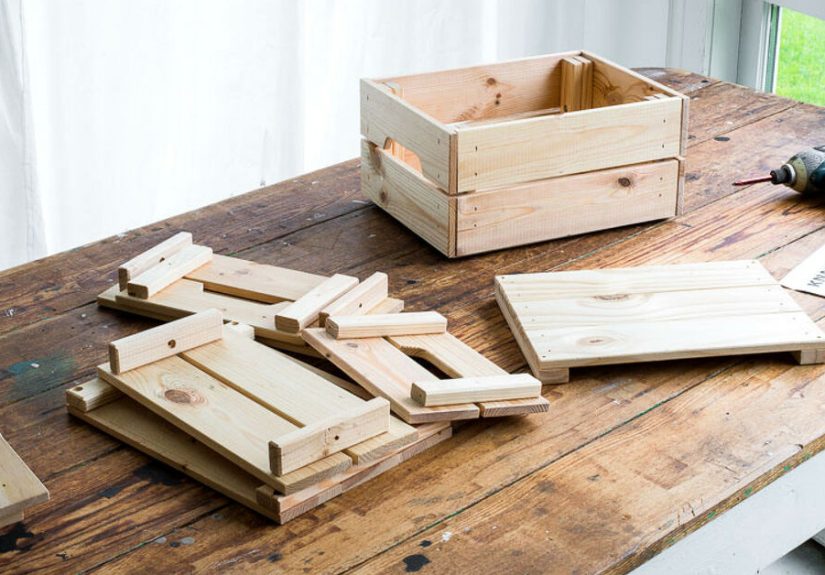
IKEA’s unfinished pine crates (like KNAGGLIG) are sturdy, stackable, and meant to handle weightso they’re a strong starting point.
They’re also designed to be left raw or treated with oil, wax, or paint, which makes them an ideal blank canvas for a planter flip.
One popular KNAGGLIG size is about 18 × 12 ¼ × 9 ¾ inchesbig enough for herbs, annuals, or a compact “thriller-filler-spiller” combo,
but not so huge you need a forklift to move it.
The big secret to turning a crate into a long-lasting planter isn’t fancy toolsit’s understanding how containers work:
you need drainage holes, a lightweight potting mix (not garden soil), and a setup that doesn’t trap water against the wood.
Do those three things well and your planter goes from “cute for two weeks” to “still thriving when your neighbor asks where you bought it.”
Project Snapshot
- Skill level: Beginner-friendly (you can absolutely do this)
- Time: 1–2 hours active work (+ drying time for finish)
- Budget: Low to moderate (depends on your “junk treasure” stash)
- Best for: Herbs, flowers, compact veggies, succulents, porch plants
Materials and Tools
Base Materials
- IKEA wooden crate (KNAGGLIG or similar)
- Sandpaper (120 and 220 grit) or sanding block
- Wood glue (optional but helpful)
- Small L-brackets or corner braces + screws (optional reinforcement)
- Feet, casters, or spacer blocks (for airflow under the planter)
Drainage + Liner
- Drill + drill bits (¼” to ½” for drainage holes)
- Plastic liner (heavy plastic, pond liner, or a sturdy trash bag in a pinch)
- Staple gun or small nails/tacks (to secure liner)
- Mesh screen (window screen or hardware cloth) to keep soil from escaping
Finish Options
- Exterior paint + primer (outdoor-rated), OR
- Outdoor oil (pure tung oil or pure linseed oil), OR
- Exterior sealant suitable for outdoor wood
Planting
- High-quality potting mix (container mix)
- Slow-release fertilizer (optional but useful)
- Plants or seeds
Junk-Infusion Decor (Pick Your Chaos)
- Old drawer pulls, cabinet knobs, or handles
- Rustic hinges, license plate scraps, metal tags, bottle caps
- Broken tile/plates (for mosaic), small stones, or sea glass
- Stencils, paint pens, or a permanent marker for labels
Step-by-Step: Flip the Crate Into a Planter That Actually Works
Step 1: Inspect, tighten, and sand (the “splinter audit”)
Check the crate for loose staples, wiggly slats, or rough edges. Lightly sand the whole thingespecially the rim where your hands
will grab it. This is the difference between “DIY joy” and “DIY Band-Aid sponsorship.”
Step 2: Decide the orientation (tall planter vs. wide planter)
You can set the crate upright (deeper soil, great for herbs with longer roots) or on its side (wider surface area, great for flowers).
Upright is usually the most “planter-like.” Sideways is more “mini garden bed.”
Step 3: Reinforce the corners (optional, but smart)
Soil gets heavy fastespecially after watering. If you want this planter to last, add a dab of wood glue at key joints and/or install
small L-brackets inside corners. This is extra insurance for outdoor use.
Step 4: Add feet or casters for airflow (tiny upgrade, huge payoff)
Don’t let the crate sit flush on the ground. Airflow under the planter helps the bottom dry out and reduces rot risk.
You can attach small rubber feet, scrap wood blocks, or casters if you want it mobile.
(Mobile planters are elite when storms happen or you suddenly realize your plant is getting roasted at 2 p.m.)
Step 5: Drill drainage holes (non-negotiable)
Containers need drainage holes. Multiple holes are better than one lonely hole trying to do all the work.
Drill several holes in the bottom slats. If your crate has wide gaps, you can drill fewer holes but add a layer of mesh screen later.
Bonus move: drill one or two small “overflow” holes slightly above the bottom (about ½” up the side). This helps prevent accidental
swamp conditions if the liner shifts or the bottom clogs.
Step 6: Skip the gravel layer (yes, really)
You may have heard the classic advice to add gravel at the bottom “for drainage.”
Research-based extension guidance has been busting this myth for years: a coarse layer under potting mix can actually inhibit drainage
due to how water moves through layered materials in containers.
Instead, use a piece of mesh screen over the inside bottom so soil stays put while water drains out.
Step 7: Line the crate to protect the wood (but keep drainage)
A liner reduces how much moisture soaks into the wood, helping your crate last longer. Cut your liner so it covers the bottom and sides,
then staple it along the top rim.
Poke or cut holes in the liner exactly where your drainage holes areso water can actually escape.
Tip: If you’re using a thin liner (like a trash bag), double it. If you’re using a tougher liner (pond liner), you’ll get better durability.
Either way, drainage alignment matters more than liner perfection.
Step 8: Protect the exterior (choose your finish style)
Your finish choice depends on vibe and plant type.
- Painted look: Prime and paint the outside with an exterior-rated paint. Great for bold color and maximum “IKEA who?” energy.
-
Natural look: Use a penetrating oil like pure tung oil or pure linseed oil on the exterior for a warm, wood-forward finish.
Pure forms are often described as food-safe, but blends can include additivescheck the label. - Extra durability: Use an outdoor wood sealer (especially if the planter will live in rain). Apply thin coats and let it cure properly.
Important: If you’re growing edible plants, avoid finishes you’re unsure about for food-contact environments.
When in doubt, keep treatments on the exterior only and use a liner inside.
Step 9: Add the “junk-infused” magic (the part that makes it a game-changer)
This is where your planter gets personality. The goal is “intentional salvage,” not “oops, my garage exploded.”
A few ideas that look awesome and are easy to execute:
Idea A: Hardware as jewelry
- Attach an old drawer pull as a handle on each side for easier moving.
- Use mismatched cabinet knobs as feet (four different knobs can look quirky in a cool way).
- Add corner brackets that look industrialeven if you installed them for strength.
Idea B: Mosaic accents (broken but make it fashion)
- Use broken tile or plate pieces to create a small mosaic panel on one side.
- Keep it simple: one “badge” area instead of covering the whole crate.
- Seal mosaic grout properly if it will be outside.
Idea C: Found-object plant labels
- Stamp herb names into scrap metal strips or write on old wooden paint stirrers.
- Use bottle caps as tiny “medallions” and label them with paint pens.
Idea D: The “story corner”
Pick one object with meaninga key, a small tag, a vintage spoon handle, a tiny toyand attach it subtly.
It becomes a conversation starter that doesn’t scream, “I was unsupervised at the craft store.”
Step 10: Use the right planting medium (your plants will thank you)
Use a high-quality potting mix meant for containers. Potting mixes are designed to drain well and stay airy; garden soil can compact
in containers and mess with water and airflow.
Mix in a slow-release fertilizer if you want lower-maintenance growth. Container nutrients wash out over time with watering,
so feeding helps.
Step 11: Plant like a designer (even if you’re winging it)
Try a simple “thrill, fill, spill” layout:
- Thriller: something tall (spiky dracaena, small grass, upright basil, dwarf pepper)
- Filler: something bushy (petunias, coleus, parsley, compact marigolds)
- Spiller: something trailing (sweet potato vine, creeping jenny, thyme, strawberries)
For a kitchen-friendly crate: basil + chives + parsley + trailing thyme = useful, fragrant, and forgiving.
For a sunny porch: dwarf zinnia + marigold + trailing nasturtium = cheerful and pollinator-friendly.
Step 12: Water correctly (and avoid the silent killer: salt buildup)
A good container watering habit is to water thoroughly until excess runs out the drainage holes. This ensures the whole container gets wet
and can also help reduce fertilizer salt buildup over time.
During hot weather, containers can dry out fastsometimes daily. Check by feeling the soil, not by guessing.
Your finger is a better sensor than your anxiety.
Design Variations That Make This Look “Custom,” Not “Crafty”
1) The modern junk-infused look (clean + a little weird)
Paint the crate matte black or warm white, then add one standout junk element: a brass drawer pull, a small stamped metal label,
or a single mosaic patch. Minimal base, maximal personality.
2) The cottage-core salvage vibe (wholesome but not boring)
Whitewash the crate, lightly sand the edges to distress it, then add vintage-looking labels and a couple of mismatched knobs as feet.
Finish with herbs and edible flowers for a “storybook kitchen garden” moment.
3) The industrial patio box (urban, sturdy, and slightly dramatic)
Stain or oil the wood, add metal corner brackets and casters, and attach a weatherproof tag with your house number or a plant name.
Fill it with hardy plants like lavender, rosemary, or sedums.
Troubleshooting: Common Problems (and How to Fix Them Fast)
Problem: Soil keeps leaking out
Add mesh screen across the bottom interior, or use a slightly thicker liner with neatly cut drain holes.
Leaking usually means the barrier layer is missingnot that you need rocks.
Problem: Plants look sad even though you water
Overwatering can look like underwatering. Check drainage holes and liner alignment. Make sure the crate isn’t sitting flat on the ground
blocking exitsfeet/casters help.
Problem: Wood is getting dark or musty
Improve airflow (raise it higher), reduce how wet the exterior stays (move it under an overhang if possible),
and confirm the liner isn’t trapping water in the bottom.
Problem: Gnats or fungus
Let the top inch of soil dry between waterings (when appropriate for your plant), remove decaying leaves, and avoid over-fertilizing.
Containers are small ecosystemsbalance matters.
Care and Longevity Tips
- Reapply exterior protection: Oils and some finishes need periodic refreshing, especially outdoors.
- Winter strategy: Empty and store indoors if your climate freezes hard. Wet soil + freeze-thaw is rough on wood.
- Rotate for sun: If one side faces harsh sun daily, rotate the planter weekly for even growth.
- Keep drainage clear: Check holes every few weeksroots and debris can clog them over time.
of Real-World “Experience” Lessons (What Usually Happens When People Actually Do This)
The first “experience” most DIYers have with a crate planter is a shocking discovery: soil is heavy. Like, “Did I accidentally buy a bag
of gravity?” heavy. The crate feels light and manageable until you add potting mix and waterthen suddenly you’re doing an unplanned
strength-training session on your patio. That’s why the little upgrades (corner reinforcement, sturdy feet, or casters) don’t feel dramatic
while building, but feel genius the first time you need to scoot the planter out of a surprise rainstorm.
Next, there’s a classic moment of confusion around drainage. People often assume the liner should be “watertight,” like it’s protecting
the crate from every molecule of moisture. But a liner that doesn’t drain turns your planter into a tiny above-ground pond.
The best results usually come from treating the liner like a raincoat with pockets: it protects the wood, but it still needs carefully
aligned drain holes so water can leave the building when the party is over.
Another common experience: the “junk” part is way easier if you choose a theme. Without a theme, you can end up gluing random objects
to a box like you’re auditioning for a craft show called Hot Glue & Regret. With a themeindustrial hardware, vintage kitchen,
beach glass, garden tools, retro labelsyou start making choices that look intentional. A single old drawer pull plus a metal tag can
look more “designer” than twenty trinkets fighting for attention.
Many people also discover that plants are honest critics. If you use dense soil meant for in-ground beds, plants often sulk because the
container compacts, holds too much water, and reduces airflow. Swapping to a quality potting mix is one of those boring-sounding decisions
that creates dramatic results. It’s like upgrading from soggy cereal to a crunchy breakfastsuddenly everything feels healthier.
There’s also the “microclimate surprise.” A crate planter on a sunny porch can dry out faster than you expect, especially in heat or wind.
The experience most gardeners report is learning to check moisture by touch and to water deeply until excess runs out. After a week or two,
you start to understand your planter’s rhythmhow it behaves after rain, how fast it dries on hot afternoons, and which plants act thirsty
before the others.
Finally, the best experience is the long-game satisfaction. This project looks good on day one, but it feels best laterwhen the herbs are
bushy, the flowers spill over the rim, and your “junk” accents look like they belong there. The crate stops being “a DIY” and starts being
“that awesome planter everyone notices.” And if someone asks where you bought it, you can say, “Oh this? I made it,” and casually pretend
you didn’t spend 20 minutes deciding between two different vintage knobs like it was a life decision.
Conclusion
Flipping an IKEA crate into a junk-infused planter is the sweet spot between practical gardening and personality-driven décor.
Build it with real drainage, protect the wood with a liner and smart finish choices, use a container-friendly potting mix, and then
let your “junk treasures” turn a simple box into something that looks custom-made for your space.
The result is a planter that’s portable, photogenic, and actually functionalaka the holy trinity of DIY.





 Close
Close