
Table of Contents >> Show >> Hide
- Why a Shrunken Sweater Works for Upholstery (The Tiny Science Behind the Cozy)
- Pick the Right Chair for This DIY
- Tools and Materials
- Step-by-Step: Shrunken Sweater Chair Reupholstery
- Step 1: Choose the Sweater Like an Upholsterer (Not Like a Shopper)
- Step 2: Felt (Shrink) the Sweater on PurposeIf It Isn’t Already
- Step 3: Set Up Your Workspace (And Save Your Back)
- Step 4: Remove the Seat and Document What You See
- Step 5: Strip the Old Fabric (Without Destroying the Seat Base)
- Step 6: Upgrade the Padding for a “New Chair” Feel
- Step 7: Plan Your Sweater Layout (Design Comes Before Staples)
- Step 8: Reinforce Stretchy Knits (Optional, But Very Helpful)
- Step 9: Staple the Sweater Fabric Like a Pro (Center First, Then Alternate)
- Step 10: Tame the Corners (The Part Everyone Overthinks)
- Step 11: Finish the Underside with a Dust Cover (For the “Store-Bought” Look)
- Step 12: Reinstall the Seat and Do a Final Groom
- Design Ideas to Make Your Sweater Chair Look Intentional (Not Accidental Laundry Art)
- Common Problems (and Fixes That Don’t Require Starting Over)
- Care Tips for a Sweater-Upholstered Chair
- Is This DIY Worth It? A Quick Cost-and-Impact Reality Check
- Real-World Experiences: What It’s Actually Like to Make a Shrunken Sweater Chair
- Conclusion
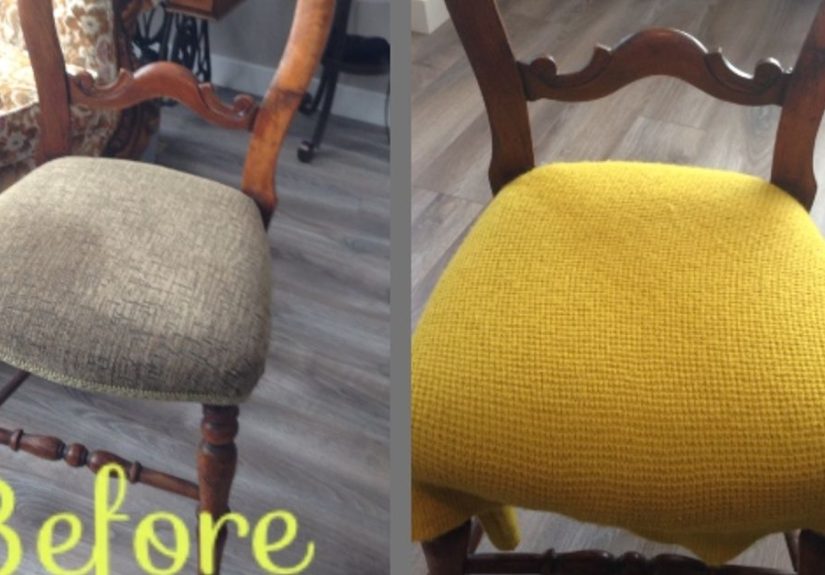
Somewhere in your closet (or the thrift store) there’s a wool sweater that had big “main character energy” until it met
hot water and came out… doll-sized. Before you mourn it, know this: a shrunken (aka felted) sweater is basically
upholstery fabric in disguisethicker, sturdier, and far less likely to unravel. Which means you can turn a laundry
mishap into a ridiculously cozy chair makeover.
In this guide, you’ll learn how to reupholster a chair seat (or small accent chair components) using a shrunken sweater,
with practical tips for dealing with stretchy knit fabric, avoiding lumps, and getting those corners to behave.
We’ll keep it beginner-friendly, but still pro enough that you’ll step back at the end and think, “Wait… I made that?”
Why a Shrunken Sweater Works for Upholstery (The Tiny Science Behind the Cozy)
When wool shrinks in a hot, agitated wash (and often again in a hot dry cycle), its fibers lock together into a denser
matwhat crafters call “felting.” Felted wool is less stretchy, thicker, and more stable than a normal sweater knit,
which matters a lot when you’re pulling fabric tight and stapling it under a seat.
Translation: a felted sweater is easier to upholster than a regular sweater because it won’t keep growing and sagging
as you stretch it. It also tends to resist fraying, so you can cut it without instantly creating a yarn waterfall.
And visually? Cable knits, ribs, and heathered wool look like high-end texture… even if your sweater used to live
in the “bargain bin with good intentions.”
Pick the Right Chair for This DIY
The easiest “first project” is a dining chair with a removable seat (often called a slip seat). You unscrew the seat,
pull off old fabric, staple on new fabric, and reinstall. It’s fast, forgiving, and you don’t have to wrestle an entire
chair frame like you’re in a furniture-themed wrestling match.
Great candidates:
- Dining chairs with removable seats (beginner-friendly, quickest win)
- Stools and footstools (small surface area, perfect for one sweater panel)
- Ottomans (bigger, but still mostly flat planes)
- Accent chairs with simple cushions (doable, but more steps and curves)
Tools and Materials
The “Must Have” List
- A chair seat (or stool/ottoman top) to reupholster
- A shrunken/felted sweater (wool or wool-blend works best)
- Staple gun + staples (common sizes for chair seats are 3/8″ or 1/2″, depending on the thickness of the seat frame)
- Staple remover (or flat screwdriver + needle-nose pliers, but the remover is kinder to your patience)
- Screwdriver (to remove the seat from the chair)
- Scissors (fabric shears) or rotary cutter + mat
- Measuring tape, ruler, and fabric chalk/marker
The “Nice to Have” Upgrades
- New foam (if the seat feels sad and flat)
- Batting (wraps foam for a smoother, more professional finish)
- Spray adhesive (optional, for lightly holding batting/foam in place)
- Dust cover fabric (thin liner fabric for the underside)
- Lint roller and sweater shaver (because fuzz happens)
Step-by-Step: Shrunken Sweater Chair Reupholstery
Step 1: Choose the Sweater Like an Upholsterer (Not Like a Shopper)
Look for thick wool or wool-blend sweaters with interesting texture (cables, ribs, marled yarn). Bigger is better:
men’s sweaters, oversized cardigans, and tunics give you more uninterrupted fabric.
Avoid very loose knits (huge holes) unless you plan to back it with a solid fabric. Also avoid sweaters that are already
weak in high-wear areas (thin elbows, worn belly, stretched cuffs) unless you’re strategically cutting around them.
Step 2: Felt (Shrink) the Sweater on PurposeIf It Isn’t Already
If your sweater is already shrunken, congrats: your washing machine did the prep work. If not, you can felt it:
hot water + agitation + heat drying are the usual ingredients. The goal is a denser fabric that looks more “matted”
and less “sweater that wants to stretch forever.”
Pro tip: Felt results vary by fiber content and knit structure. 100% wool usually felts more reliably than acrylic-heavy blends.
When in doubt, test with a thrift sweater first so you don’t accidentally create a tiny sweater museum.
Step 3: Set Up Your Workspace (And Save Your Back)
Upholstery is mostly pulling, stapling, and flipping the seat over 47 times. Work on a sturdy table if possible.
Keep a small container nearby for staples (they multiply like gremlins when left on the floor).
Safety basics: keep fingers away from the business end of the stapler, and consider eye protection when removing staples
(old staples can spring like they’re auditioning for a superhero movie).
Step 4: Remove the Seat and Document What You See
Flip the chair over and remove the screws holding the seat in place. Take quick photos of the layers underneath
(fabric, batting, dust cover). This isn’t because you’ll forgetyou’re brilliantit’s because DIY projects love
surprise plot twists.
Step 5: Strip the Old Fabric (Without Destroying the Seat Base)
Use a staple remover or flat screwdriver to lift staples, then pull them out with pliers. Peel off the old fabric and
save itit’s your best pattern piece. If there’s a dust cover underneath (thin black or cambric fabric), remove it too.
Check the seat base (usually plywood). If it’s cracked, warped, or crumbling, replace it with new plywood cut to match.
A great cover won’t fix a seat base that’s basically a potato chip.
Step 6: Upgrade the Padding for a “New Chair” Feel
Sit-test the foam. If it feels flat, crunchy, or permanently squished, replace it. Trace the seat shape onto new foam,
cut it, and place it on the seat base. Wrap the foam with batting to soften edges and reduce wrinkles in the final fabric.
For a smoother look, you can bevel the foam edges slightly so the seat has a gentle crown instead of a sharp “brick” profile.
Even a small bevel makes the finished seat look more intentional and less like a geometry assignment.
Step 7: Plan Your Sweater Layout (Design Comes Before Staples)
Decide what part of the sweater you want on top. Cable knit down the center? Ribbing running horizontally? A pocket from
a cardigan as a secret remote-control holster? (Yes, reallyyour chair can have pockets.)
Lay the old fabric pattern over the sweater and move it around until you love the placement. Mark the pattern outline
with chalk. Add extra margin (at least 2–3 inches on all sides) so you have enough fabric to pull and staple.
Step 8: Reinforce Stretchy Knits (Optional, But Very Helpful)
If your sweater is only lightly feltedor still pretty stretchyconsider backing it. You can cut a piece of plain cotton
fabric (or sturdy muslin) the same size as your sweater piece and treat them as one layer while stapling.
This helps prevent staples from pulling through and reduces the chance of the seat looking wavy later. Think of it as
giving your sweater a supportive best friend.
Step 9: Staple the Sweater Fabric Like a Pro (Center First, Then Alternate)
Place the sweater fabric right-side down on your table. Center the padded seat upside down on top. Start by pulling the
fabric snug (not Hulk-tight) and placing one staple in the center of one side. Move to the opposite side, pull snug,
staple the center. Repeat for the other two sides.
Now work outward from the center, alternating sides as you go (like tightening lug nuts on a wheel). Keep smoothing the
top surface with your hand to prevent wrinkles. For knit texture, aim for even tension so cables and ribs don’t look
stretched in some areas and bunched in others.
Step 10: Tame the Corners (The Part Everyone Overthinks)
Corners are basically gift-wrapping with more stapling. Pull the fabric taut, fold neatly, and staple. With thick sweater
fabric, reduce bulk by trimming excess fabric before final stapling (leave enough margin so it won’t slip out).
If the corner looks lumpy, remove a couple staples and redo it. Upholstery is forgiving because staples are removable.
(This is also a life lesson, but we’ll stay on topic.)
Step 11: Finish the Underside with a Dust Cover (For the “Store-Bought” Look)
Cut a piece of dust cover fabric slightly larger than the underside. Fold edges under for a clean line and staple it
around the perimeter. This hides your staples and makes the bottom look tidy, which is especially nice if your chair
gets moved around a lot.
Step 12: Reinstall the Seat and Do a Final Groom
Screw the seat back onto the chair. Flip it upright and inspect. Use a lint roller to remove fuzz, and lightly shave
pills if needed. Then sit down carefully like you’re testing a throne… because you kind of are.
Design Ideas to Make Your Sweater Chair Look Intentional (Not Accidental Laundry Art)
- Texture placement: Center cable knits on the seat for a focal point, keep ribs straight for a clean look.
- Patchwork panels: Combine two complementary sweaters for a color-blocked seat (great for small sweater pieces).
- Use the hem as an edge detail: Sweater hems can act like a built-in border if aligned carefully.
- Add a “hidden pocket”: Cardigan pockets can be sewn or positioned to become functional storage.
- Contrast buttons: Decorative tufting (even faux tufting) can add a boutique vibejust keep it sturdy for daily use.
Common Problems (and Fixes That Don’t Require Starting Over)
Wrinkles on Top
Usually caused by uneven tension. Flip the seat over, remove a few staples near the wrinkled area, pull smoother, and re-staple.
Wrinkles are not a personality trait your chair needs to keep.
Staples Pulling Through the Knit
Add a backing layer (muslin/cotton) next time, or staple through a thin strip of fabric along the edge to distribute tension.
Felted sweaters reduce this risk because the fibers lock together more tightly.
Lumpy Corners
Trim excess bulk, fold more deliberately, and staple in smaller increments. Thick sweaters can stack up fast at corners,
so less fabric in the fold usually equals a cleaner edge.
Seat Feels Hard or Flat
Replace the foam or add a layer of batting. A new cover can’t magically restore foam that has lived a full, exhausting life.
Care Tips for a Sweater-Upholstered Chair
Vacuum gently with an upholstery attachment to remove dust and crumbs (especially in textured knits). Blot spills quickly
instead of rubbing. For wool, mild soap and cool water are safer than hot water and aggressive scrubbing.
If your chair gets heavy daily use, consider rotating it (or rotating who sits in it) so one spot doesn’t wear faster.
Pilling is normal for wool; a sweater shaver can keep it looking fresh without damaging the knit.
Is This DIY Worth It? A Quick Cost-and-Impact Reality Check
Reupholstering a chair seat with a thrifted sweater can cost far less than buying new chairs or paying for professional
upholsteryespecially if the chair frame is solid. It’s also a smart upcycle: you’re extending the life of both the chair
and the sweater, and keeping bulky items out of the waste stream.
The biggest “investment” is time, but the payoff is real: a one-of-a-kind piece with texture you can’t easily buy off a shelf.
Plus, every time someone compliments it, you get to casually say, “Oh this? I made it.” (Try not to look too powerful.)
Real-World Experiences: What It’s Actually Like to Make a Shrunken Sweater Chair
The first time you decide to upholster with a shrunken sweater, it feels like a brilliant idea and a questionable idea
at the exact same timelike cutting your own bangs, but with fewer regrets (usually). The sweater itself is the main character:
you’ll pick it up and think, “This texture is perfect,” then turn it over and realize half of it is seams, cuffs, and
oddly-shaped life choices from whoever designed it.
One of the biggest surprises is how much the “layout” matters. If you center a cable knit panel, the chair suddenly looks
high-end and intentional. If you accidentally staple the ribbing slightly crooked, your eye will find that angle every time
you walk bylike a picture frame that’s 2% off level. Spending five extra minutes sliding the pattern around on the sweater
before cutting can save you from 45 minutes of “Why does this feel wrong?” later.
The second surprise is the staple remover. You think you’ll just “take out a few staples,” and then you discover there are
approximately one million staples holding the old fabric oneach one personally committed to staying forever. Once you get
into a rhythm, though, it’s weirdly satisfying, like popping bubble wrap but with more leverage tools. The pro move is to
keep a small container nearby for pulled staples, because stepping on one is a fast, dramatic way to end a craft day.
Upholstering with knit fabric also teaches you about tension in a very hands-on way. Pull too lightly and you’ll get ripples.
Pull too hard and the knit texture stretches and looks thin. Felted (more shrunken) sweaters behave better because they’re
less elastic, which is why “shrunken sweater” is secretly the MVP here. If your sweater isn’t felted enough, adding a backing
layer feels like a cheat code: suddenly the fabric is easier to control and the staples grip more reliably.
Then come the cornersthe moment where DIY confidence is either built or temporarily misplaced. Thick sweater fabric can bunch
up fast. The trick is to treat corners like a neat gift wrap fold and trim bulk where you can, without cutting so close that
the fabric slips out later. It’s normal to remove a few staples and redo a corner. In fact, redoing a corner is basically a
rite of passage. By the end, you’ll look at your finished seat and realize the “hard parts” were mostly just slow parts.
The best part is the final flip. When you reinstall the seat and see the sweater texture on top, it doesn’t look like “old
clothing.” It looks like a designer textile. And that’s the fun of this project: you’re taking something that was headed for
the donation pile (or the back of your closet) and giving it a second life as furniture that people actually touch and use.
It’s cozy, it’s practical, and it has a storywhich is way more interesting than “I bought this because it was on sale.”
Conclusion
A shrunken sweater chair reupholster DIY is the perfect blend of practical and creative: you get a refreshed seat, a cozy
texture upgrade, and the satisfaction of turning a “whoops” sweater into something genuinely stylish. Start with a simple
removable seat, focus on even tension and tidy corners, and don’t be afraid to pull a few staples and redo a section.
Upholstery rewards patienceand your chair will reward you with comfort.





 Close
Close