
Table of Contents >> Show >> Hide
- What Makes Angel Food Cake So Light?
- The Ingredients That Matter Most
- The Right Pan Is Not a Tiny Detail
- A Simple Formula for a Classic 10-Inch Cake
- How to Make Angel Food Cake Step by Step
- Common Mistakes That Make Angel Food Cake Dense
- How to Serve Angel Food Cake
- How to Store It Without Losing That Light Texture
- Real-World Baking Experiences With Angel Food Cake
- Final Thoughts
- SEO Tags
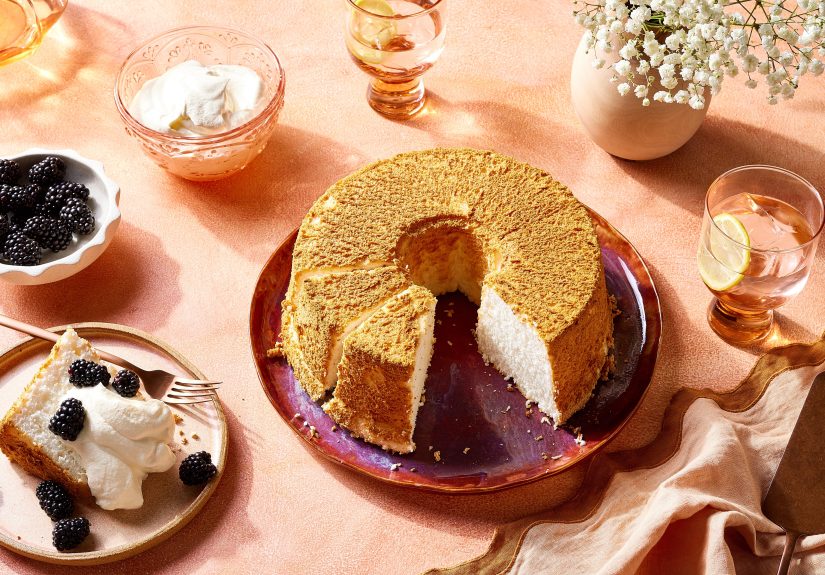
Angel food cake is the dessert equivalent of wearing a white linen shirt on a perfect spring afternoon: crisp, airy, elegant, and a little dramatic if you spill anything on it. When it’s done right, it’s tall, tender, lightly sweet, and so fluffy it feels like dessert borrowed a cloud and called it a cake. When it’s done wrong, though, it can become dense, rubbery, flat, or heartbreakingly collapsed. The good news is that angel food cake is not difficult once you understand what it wants from you. It mostly wants respect, a little patience, and absolutely no greasy shortcuts.
If you’ve ever wondered how to make angel food cake that’s fluffy and light, the answer is not magic. It’s technique. This cake gets its rise almost entirely from whipped egg whites, which means every step matters a little more than it does in a butter cake. The flour must stay light, the sugar must dissolve properly, the folding must stay gentle, and the pan must help the batter climb instead of sending it into a slippery identity crisis. Once you know the rules, you can make a bakery-worthy cake at home without breaking into a sweat or blaming the moon phase.
What Makes Angel Food Cake So Light?
Unlike pound cake, yellow cake, or even many sponge cakes, angel food cake contains no butter and no egg yolks. That’s a big deal. Fat adds richness, but it also weighs batter down. Angel food cake skips the heavy stuff and relies on whipped egg whites for volume, structure, and lift. The result is a cake with a delicate crumb, an airy bite, and a flavor that feels clean rather than rich.
That also explains why the cake is a little high-maintenance. Since there’s no butter or oil to hide mistakes, the structure has to come from the meringue. Overbeat it and the foam becomes dry and unstable. Underbeat it and the cake won’t rise enough. Stir too aggressively when adding flour and you knock out the very air you worked so hard to build. Angel food cake is basically a polite science experiment that turns into dessert.
The Ingredients That Matter Most
Egg Whites
Egg whites are the soul of the cake. They create the foam that expands in the oven and turns into that famous lofty texture. Separate them carefully. Even a tiny bit of yolk can interfere with whipping because fat is the sworn enemy of volume here. For the safest approach, separate each egg into a small bowl first, then add the white to your mixing bowl only after you know the yolk stayed intact.
Room-temperature egg whites are usually easier to whip and tend to gain volume more quickly, so letting them sit out briefly before baking is a smart move. If you are cracking a dozen eggs and muttering about your life choices, congratulations, you are already making angel food cake correctly.
Cake Flour
Cake flour is not optional if your goal is a truly fluffy angel food cake. It has a lower protein content than all-purpose flour, which means less gluten development and a more tender crumb. If you use all-purpose flour, your cake may still bake, but the texture can lean more “firm white bread in formalwear” than “light as air.”
Sugar
Superfine sugar is especially useful because it dissolves more easily into egg whites. That helps create a smoother, more stable meringue and avoids a gritty texture. If you don’t have superfine sugar, pulse regular granulated sugar in a food processor for a few seconds. Do not turn it into powdered sugar. You want “finer,” not “snowstorm.”
Cream of Tartar
This ingredient helps stabilize the egg whites, keeping the foam strong enough to survive mixing and baking. It supports volume and improves the odds that your tall, gorgeous batter stays tall and gorgeous. Think of it as the quiet friend who holds everything together at the party.
Flavorings
Vanilla is classic, almond extract is traditional in many recipes, and citrus zest can brighten the whole cake. Because angel food cake has such a clean flavor, even small additions stand out. Go easy. This is a whispery dessert, not a megaphone dessert.
The Right Pan Is Not a Tiny Detail
If you want to know how to make angel food cake that’s fluffy and light, start by choosing the correct pan. You need a straight-sided tube pan, often called an angel food cake pan. It should be ungreased. Yes, ungreased. This goes against every baking instinct many people have, but the batter needs to cling to the sides as it rises. If you grease the pan, the batter can slip, sink, and bake up flatter than your weekend motivation.
A Bundt pan is usually not the best substitute. Its decorative curves and often nonstick surface work beautifully for denser cakes, but angel food cake needs straight sides and grip. If you bake this cake in a fancy fluted pan, you may wind up with a stuck cake and a new appreciation for simple equipment.
A Simple Formula for a Classic 10-Inch Cake
Most tested recipes for a standard angel food cake land in roughly the same neighborhood: about 12 egg whites, 1 cup cake flour, around 1 1/2 cups sugar, 1 teaspoon cream of tartar, a little salt, and vanilla or almond extract. The exact ratios vary from kitchen to kitchen, but the method is more important than obsessing over one extra tablespoon of sugar. Angel food cake rewards careful handling more than dramatic improvisation.
How to Make Angel Food Cake Step by Step
1. Prep Like a Serious Person
Before you touch the eggs, make sure your bowl and whisk are completely clean and dry. No butter smudges. No mystery moisture. No greasy ghost from breakfast. Even a small amount of fat can sabotage the egg whites.
Set your oven rack low enough that the cake can rise without getting too brown on top too quickly. Have your ungreased tube pan ready. Do not line it. Do not spray it. Do not get rebellious.
2. Sift the Dry Ingredients
Sift the cake flour with part of the sugar. Then sift it again. This step is not baking snobbery. Sifting lightens the dry ingredients, removes lumps, and helps them fold into the meringue without knocking out too much air. If your future cake could send you a thank-you card, it would mention the sifter.
3. Whip the Egg Whites Properly
Start beating the egg whites with cream of tartar until foamy. Then gradually add sugar, a little at a time, and keep whipping until the mixture becomes glossy and reaches stiff peaks. The peaks should stand up, but the mixture should still look smooth and elastic, not dry or clumpy.
This is one of the biggest difference-makers in angel food cake. If the meringue is weak, the cake won’t rise enough. If it’s beaten too far, the foam becomes fragile and the final texture suffers. You’re aiming for structure with grace, not a bowl of overworked foam that looks like it has seen things.
4. Fold, Don’t Stir
Now comes the part where many beautiful cakes lose their dignity. Add the sifted flour mixture gradually, ideally in three or four additions, and fold gently with a large spatula. Cut through the center, sweep across the bottom, and lift the batter over itself. Rotate the bowl and repeat.
Do not dump everything in at once. Do not stir like you’re making pancake batter. The goal is to combine the ingredients while protecting as much air as possible. If the batter still looks lofty and pillowy when you finish, you’re on the right track.
5. Transfer to the Pan and Smooth Lightly
Spoon the batter into the pan and lightly smooth the top. If needed, run a thin spatula or knife through the batter to pop any large trapped air pockets. Be gentle. You are editing the batter, not disciplining it.
6. Bake Until Springy and Dry on Top
Bake until the cake is golden, the top springs back when lightly touched, and the cracks on top look dry. Many angel food cakes bake in the 325 to 350 degree Fahrenheit range, depending on the recipe and pan. If you’re using a very dark pan, start checking a little earlier because darker pans can brown and bake faster.
The cake should look tall and feel set. Underbaking can leave it unstable, which is a fast route to collapse. Overbaking can dry it out. This is where experience and attention beat blind timer worship every time.
7. Cool It Upside Down
This is not optional theater. As soon as the cake comes out of the oven, invert the pan and let it cool completely upside down. Some tube pans have little feet for this. Others can be balanced over a bottle or funnel. Cooling upside down helps the delicate structure set without collapsing under its own weight.
Wait until the cake is fully cool before removing it from the pan. Then run a thin knife or offset spatula around the edges and center tube to release it. Patience here pays off. Rush it, and your angel may lose its wings.
Common Mistakes That Make Angel Food Cake Dense
Greasing the Pan
This is the classic mistake. A greased pan prevents the batter from climbing the sides properly, which can lead to a shorter, denser cake.
Using All-Purpose Flour
It adds more gluten potential and can make the crumb heavier. Cake flour keeps the texture finer and lighter.
Getting Yolk in the Whites
Fat and meringue do not get along. Even a little yolk can reduce volume and make whipping difficult.
Underbeating or Overbeating the Whites
Soft, floppy foam won’t hold enough air. Overbeaten whites can turn dry and grainy, which makes folding harder and the baked cake less tender.
Folding Too Aggressively
Heavy mixing knocks out air and leads to a tighter texture. This cake rises on whipped whites, not on hope.
Cooling Right-Side Up
If you cool it upright, gravity gets a vote. The cake can shrink or collapse before the structure fully sets.
How to Serve Angel Food Cake
Angel food cake is wonderful plain, but it really shines with fresh berries, softly whipped cream, lemon curd, macerated strawberries, or a little dusting of powdered sugar. Since the cake itself is so airy, toppings can add contrast without making the dessert feel heavy. It’s a perfect warm-weather cake, a reliable brunch cake, and one of the few desserts that can wear whipped cream and fruit without looking overdressed.
For clean slices, use a long serrated knife. A gentle sawing motion works better than pressing straight down. This is not the moment for brute force. Angel food cake responds best to civilized behavior.
How to Store It Without Losing That Light Texture
Store angel food cake at room temperature in an airtight container or under a cake dome for a day or two. It’s best eaten fresh, when the texture is at its most delicate and springy. If you need to hold it longer, wrap it carefully so it doesn’t dry out or get crushed. This cake bruises emotionally and physically.
Real-World Baking Experiences With Angel Food Cake
The experience of making angel food cake for the first time is almost universal: you begin with confidence, separate a lot of eggs, question your life choices halfway through, and then stare at the mixer as if it is personally responsible for your future happiness. The first real surprise is how little the ingredient list tells you about the personality of the cake. It looks simple on paper, but it behaves like a dessert that expects you to read the instructions and mean it.
Most home bakers remember their first major lesson vividly. For some, it’s discovering that “just a tiny smear” of grease in the bowl can wreck the whites. For others, it’s learning that a greased pan is not a kindness here. One of the strangest but most memorable experiences is pulling a beautiful cake from the oven, flipping it upside down, and realizing that everything you know about cake cooling has just been challenged. It feels wrong the first time. Then you see the finished cake hold its height, and suddenly upside-down cooling feels like genius.
Another common experience is the transformation in confidence from batch one to batch three. The first cake is often edible but imperfect. Maybe it rises beautifully but tears a bit when unmolded. Maybe the crumb tastes lovely but looks slightly compressed near the bottom because the flour was folded in too aggressively. Maybe it comes out just fine, but you cut it with the wrong knife and squash the first slice into a sweet little tragedy. Then the second or third attempt clicks. Your egg whites whip faster because your setup is better. Your folding gets lighter. Your pan handling gets smoother. You stop treating the batter like cement and start treating it like foam with a future.
There’s also a practical side to the experience that many bakers appreciate. Angel food cake teaches restraint. You learn that not every dessert needs butter by the pound or frosting by the inch. You learn that texture can be the whole point. You learn that a cake can feel special because it is tender and elegant, not because it is buried under six competing flavors and a mountain of decorations. In that sense, angel food cake is a useful teacher. It rewards attention, precision, and a light hand, and it punishes swagger. Honestly, more desserts should do that.
Then there is the serving experience, which deserves its own applause. Few desserts look so impressive while feeling so effortless to eat. A tall homemade angel food cake on a platter with berries and whipped cream tends to make people assume you worked much harder than you did. That is one of the great hidden joys of this cake. It has excellent theatrical value. It slices into soft, cloud-like pieces, disappears quickly at gatherings, and somehow feels equally right at Easter, a baby shower, a summer dinner, or a random Tuesday when you just want dessert that won’t pin you to the couch.
Over time, many bakers end up keeping angel food cake in regular rotation for one simple reason: once you understand it, it becomes deeply reliable. It stops being intimidating and starts being satisfying. You begin to trust the signs of properly whipped whites. You know how the batter should look when the flour is folded in. You recognize when the cake is done by the spring of the top, not just the timer. And that’s when the experience becomes genuinely enjoyable. You’re no longer hoping the cake behaves. You know how to help it succeed.
Final Thoughts
If your goal is to make angel food cake that’s fluffy and light, remember this: the secret is not a hidden ingredient. It’s respecting the structure. Use cake flour, whip the whites well, add sugar gradually, fold carefully, bake in an ungreased tube pan, and cool the cake upside down. Those steps may sound simple, but together they create the tall, airy texture that makes angel food cake such a classic.
Once you’ve nailed the technique, this cake becomes one of the most rewarding desserts to bake. It is elegant without being fussy, light without being boring, and impressive without demanding advanced pastry-school drama. In other words, angel food cake is a very good deal.





 Close
Close