
Table of Contents >> Show >> Hide
- The Big Idea: Dry = Remove Water Safely
- What You Need (No Fancy Gear Required)
- Method 1: Oven-Dried Fruit (The Most Reliable No-Dehydrator Method)
- Method 2: Make Fruit Leather in the Oven (A Very Forgiving Option)
- Method 3: Sun Drying (Old-School, Weather-Dependent, Worth It in the Right Climate)
- Method 4: “Fan-Assisted” Drying Indoors (A Useful Backup When You Can’t Run the Oven All Day)
- Troubleshooting: Fix the Problems Before They Fix You
- Storage: Keep Your Dried Fruit Delicious, Not “Science Fair”
- How to Use Dried Fruit (Beyond “Standing in the Pantry Eating It”)
- Real-World Experience Section: The Stuff People Learn After the First Batch (About )
Making dried fruit at home sounds like the kind of hobby you pick up right before you start grinding your own flour and referring
to your sourdough starter as a “roommate.” But here’s the truth: you can dry fruit without a dehydrator using tools you already
havemostly an oven, a couple of baking sheets, and a little patience.
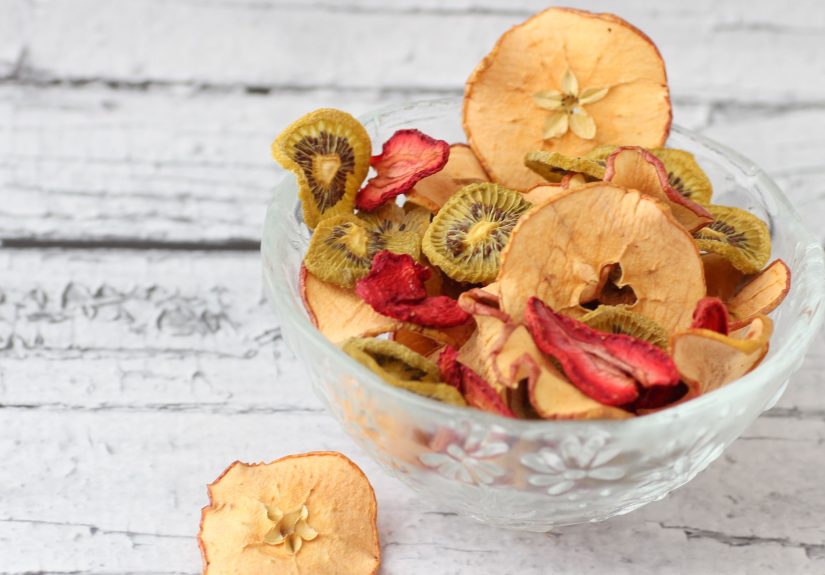
The payoff is big: chewy apples that beat the sad vending-machine kind, tangy pineapple that tastes like vacation,
and raisins that don’t feel like they’ve been in a time capsule since the Clinton administration. And yesthis also works
when you’ve bought too much fruit and you can feel the clock ticking.
The Big Idea: Dry = Remove Water Safely
Drying preserves fruit by removing enough moisture that mold and other microorganisms can’t easily grow. It also slows down
enzymes that cause spoilage. The trick is doing this with low heat, low humidity, and
good airflowbecause drying too slowly can invite spoilage, and drying too hot can “cook” the fruit instead of
dehydrating it (or create a leathery outside with a sneaky-moist center).
Quick safety notes you’ll actually use
- Start clean: Wash fruit, hands, knives, and cutting boards.
- Slice evenly: Even thickness = even drying (and fewer “crispy corner / soggy middle” surprises).
- Keep it moving: Airflow matters. If moisture can’t escape, fruit will steam instead of dry.
- Don’t play mad scientist with sulfur: Some older methods mention burning sulfur; modern extension guidance cautions against it for health/safety.
What You Need (No Fancy Gear Required)
- Oven (or toaster oven that can run low)
- Baking sheets
- Parchment paper or silicone baking mat
- Wire rack(s) (optional but helpful for airflow)
- Oven-safe thermometer (highly recommended if your oven “runs emotional”)
- Knife + cutting board
- Big bowl for pretreatment dips (optional but recommended)
- Clean glass jars or food-safe containers for conditioning + storage
Method 1: Oven-Dried Fruit (The Most Reliable No-Dehydrator Method)
If you can keep your oven at a low temperature, you can make excellent dried fruit. Many food-preservation resources recommend
drying fruit around 140–145°F when possible. Some ovens won’t go that low; that’s okayuse the lowest setting,
vent the door a bit, and focus on airflow.
Step 1: Choose the right fruit
Pick ripe (not overripe) fruit without bruises or mold. Great beginner options:
apples, pears, bananas, pineapple, mango, peaches, strawberries, grapes.
Very juicy fruit takes longer and requires more attention.
Step 2: Prep + slice for even drying
- Wash fruit and pat dry.
- Peel if you want (peels can dry tougher on some fruits).
- Slice most fruit about 1/4 inch thick (thinner dries faster; thicker stays chewier).
- Keep slices as uniform as you canthis is not a time for “rustic variety.”
Step 3: Prevent browning (optional, but your fruit will look nicer)
Apples, pears, peaches, and apricots brown quickly once cut. A common, food-safe fix is an ascorbic acid (vitamin C) dip.
One widely used ratio is 1 teaspoon powdered ascorbic acid (or 3000 mg vitamin C tablets, crushed) in
2 cups water. Dip fruit slices for a few minutes, drain well, and dry.
Step 4: Set up your oven for drying (not baking)
- Heat oven to the lowest setting it can reliably hold.
- Line baking sheets with parchment (or place fruit on wire racks set over sheets).
- Arrange fruit in a single layer, not overlapping.
-
If your oven won’t run low enough, crack the door open a little to help drop temperature and let moisture escape.
(Some guides suggest leaving it open a few inches; airflow is the point.) - Rotate trays every 1–2 hours; flip slices when they stop sticking.
Step 5: Dry until properly “done”
Drying time depends on fruit type, thickness, and humidity. Expect anywhere from 4 to 12+ hours.
Grapes can take a long time to become true raisins; apple slices usually dry faster.
How to test doneness (simple + accurate):
- Texture: Dried fruit should be pliable or leathery, not sticky. It shouldn’t stick to itself when folded.
- Check the center: Cut a few pieces in halfthere should be no wet pockets or dark, moist spots.
- No liquid: You shouldn’t be able to squeeze juice out.
Step 6: Cool, then “condition” for better storage
Conditioning is the unglamorous step that prevents heartbreak later. After drying, moisture may be uneven across pieces.
To condition, cool the fruit, pack it loosely in clean glass or food-grade containers, seal, and let it stand about
7–10 days. Shake the container daily and watch for condensation. If you see moisture, dry the fruit more and repeat.
Method 2: Make Fruit Leather in the Oven (A Very Forgiving Option)
Fruit leather is basically “dried smoothie” in the best way. It’s also easier than perfectly drying slices because you control
thickness and doneness visually. It’s great for overripe fruit that’s still safe but not exactly photogenic.
How to do it
- Purée fruit (add a little lemon juice for brightness; sweeten lightly if needed).
- Line a rimmed baking sheet with parchment or a silicone mat.
- Spread purée evenly (think 1/8 to 1/4 inch thick).
- Dry at the lowest oven setting you can manage (low heat is key).
- Rotate the pan occasionally for even drying.
- It’s done when it’s no longer sticky and peels off in one sheet.
Cut into strips, roll in parchment, and store airtight. Congratulationsyou’ve made the snack that every lunchbox wishes it had.
Method 3: Sun Drying (Old-School, Weather-Dependent, Worth It in the Right Climate)
Sun drying can work for fruit if you have the right conditions: hot, breezy days with low humidity. Some food-preservation guidance
notes that fruit (with its acid and sugar) is generally safer for sun drying than vegetables, but you still need to be careful and
protect food from insects and contamination.
Sun drying basics
- Use food-safe screens or drying racks that allow airflow above and below.
- Cover fruit with clean mesh/cheesecloth to deter insects.
- Bring trays indoors at night (dew is not your friend).
- Drying may take several days depending on the fruit and weather.
Important: Pasteurize sun-dried fruit
If fruit is dried outdoors where insects can reach it, many extension resources recommend a pasteurization step to kill insects/eggs.
Two common approaches are:
- Freezer method: Freeze packaged dried fruit at 0°F or below for at least 48 hours.
- Oven method: Heat dried fruit in an oven at about 160°F for 30 minutes (stir/rotate partway).
Method 4: “Fan-Assisted” Drying Indoors (A Useful Backup When You Can’t Run the Oven All Day)
If your oven is tied up (or you’d rather not heat your home like it’s auditioning for a sauna), you can still create a drying-friendly
environment indoors by prioritizing airflow and low humidity. This method is best for very thin slices and fruits that
dry more readily, and it requires more vigilance.
A practical setup
- Slice fruit thinly and evenly.
- Lay slices on a rack so air can circulate.
- Run a fan nearby (not blasting directly onto food if it will blow it aroundjust moving air through the space).
- Use a clean mesh cover to keep dust/pets/curious roommates out.
- Check frequently and discard anything that smells “off” or shows mold.
In most homes, the oven method remains the safest and most consistent for fruit. But airflow-based drying can be helpful in dry climates
or as a partial step (for example, to “finish” a batch after an initial oven dry).
Troubleshooting: Fix the Problems Before They Fix You
Problem: The outside is leathery but the inside is still moist
This is often caused by drying too hot too fast (sometimes called case hardening). Lower the temperature, increase airflow, and keep slices uniform.
Problem: Fruit is taking forever
- Slices are too thick
- Oven temp is too low (or swings wildly)
- Humidity is high and airflow is poor
- Trays are overcrowded
Problem: Fruit turns brown
Use an ascorbic acid dip, work quickly after slicing, and avoid leaving cut fruit exposed to air. Browning is mostly a quality issue,
but it can make fruit look less appetizing.
Problem: Sticky dried fruit that clumps in the jar
It probably needs more dryingor you skipped conditioning. Dry a bit longer, cool, then condition properly. Also store airtight in a cool, dark place.
Storage: Keep Your Dried Fruit Delicious, Not “Science Fair”
- Let fruit cool fully before packing (warm fruit = trapped moisture = regret).
- Condition for 7–10 days, then package in airtight containers.
- Store in a cool, dry, dark place for best quality.
- Label containers with the date; aim to use within about a year for best quality.
How to Use Dried Fruit (Beyond “Standing in the Pantry Eating It”)
- Chop into oatmeal, yogurt, granola, and salads
- Add to cookies, quick breads, muffins, and scones
- Blend into smoothies for natural sweetness
- Make trail mix that doesn’t taste like cardboard compromise
Rehydrating tip
If you want fruit for baking or sauces, rehydrate it in water. A common guideline is about 1 1/2 cups water per 1 cup dried fruit,
soaking roughly 30–75 minutes depending on thickness. Drain and use as needed.
Real-World Experience Section: The Stuff People Learn After the First Batch (About )
The first time most people try to make dried fruit without a dehydrator, they expect a neat little “set it and forget it” situation.
The oven door closes, the fruit dries, and angels sing. In reality, the first batch is usually where you learn that
your oven has a personalityand that personality might be “dramatic.”
One common rookie move is slicing fruit with wild inconsistency. You end up with thin pieces that turn into fruit chips,
thick pieces that stay squishy, and one mysterious slice that somehow becomes both burned and damp (a culinary paradox).
The easy fix is treating slicing like a small science project: aim for consistency and keep a “test slice” nearby to compare thickness.
It’s not about perfectionit’s about not having to babysit three different drying timelines.
Another lesson: parchment paper is helpful, but a wire rack is a game-changer. When fruit sits flat on a sheet, moisture has one main exit routeup.
With a rack, air moves underneath too, and you’ll notice more even drying and less sticking. People who switch to racks often report
fewer “torn banana disasters” and less scraping at the end like they’re trying to remove a bumper sticker.
Then there’s the “low temperature” myth. Many ovens don’t truly hold ultra-low settings steadily, and the dial can be more of a suggestion than a fact.
Home cooks often solve this by cracking the oven door slightly and rotating trays on a schedule. It sounds fussy, but it becomes automatic:
rotate, flip, peek, repeat. The bonus is that it teaches you what properly dried fruit looks and feels like, which is honestly the real skill.
Sticky fruit is the other rite of passage. Someone dries apple slices until they seem done, tosses them in a jar, and wakes up to a single
apple-shaped mega-clump. That’s when conditioning finally makes sense. Shaking the jar daily feels almost sillyuntil you realize you’re
redistributing moisture so you don’t get hidden damp spots that can spoil the whole batch.
Finally, people learn that “dried” doesn’t mean “dead.” Dried fruit still responds to humidity like it’s a sponge with ambition.
If your kitchen is humid, fruit will soften. If your container isn’t airtight, fruit will pick up moisture. If you store it near heat,
flavors can fade faster. The best real-world setup is simple: airtight container, cool/dry spot, labeled date, and a quick check now and then.
Once you’ve had one successful batch, you start treating dried fruit like a staplebecause it’s not just preserving food. It’s preserving
your future self’s snack happiness.






 Close
Close