
Table of Contents >> Show >> Hide
- Why Make a Homemade Fabric Freshener Without Fabric Softener?
- What a Homemade “Febreze” Spray Can and Can’t Do
- Best Ingredients for Homemade Febreze Spray (No Fabric Softener)
- Homemade Febreze Spray Recipe Without Fabric Softener (Easy Version)
- Alternative Recipes (Still No Fabric Softener)
- How to Use Homemade Fabric Spray Safely
- Where You Can (and Shouldn’t) Use It
- How to Make the Spray Actually Work Better
- Troubleshooting Common DIY Fabric Spray Problems
- Final Thoughts
- Real-Life Experiences with Homemade Fabric Spray (Extra 500+ Words)
If you’ve ever looked up a DIY fabric freshener recipe online, you’ve probably seen the same thing over and over: water + fabric softener + spray bottle = “homemade Febreze.” Convenient? Sure. Ideal for everyone? Not really.
Some people want to avoid fabric softener because of residue, heavy fragrance, skin sensitivity, or simply because they don’t have any at home and refuse to buy a giant bottle just to freshen a couch cushion. (A perfectly reasonable hill to die on.)
The good news: you can make a simple, effective homemade fabric refresher spray without fabric softener using a few basic ingredients. In this guide, you’ll learn what works, what to avoid, how to use it safely on fabrics, and how to customize the scent without turning your living room into a perfume store explosion.
Why Make a Homemade Fabric Freshener Without Fabric Softener?
Most DIY “Febreze-style” recipes use fabric softener because it smells nice and is easy to mix with water. But fabric softener isn’t the only way to make fabrics smell fresherand in many situations, it’s not the best choice.
Common reasons people skip fabric softener
- Residue concerns: Fabric softeners are designed to coat fibers. That can leave buildup on upholstery, blankets, and clothes.
- Scent sensitivity: Heavily scented products can be too strong for people with allergies, asthma triggers, or fragrance sensitivity.
- More control: A DIY spray lets you choose unscented, lightly scented, or specific essential oil blends.
- Budget-friendly: You can make small batches with ingredients you may already have.
- Less clutter: No need to keep another product in the laundry room just for one recipe.
Also, a homemade spray without fabric softener can be made with a lighter base (like vodka, rubbing alcohol, or witch hazel), which helps the spray evaporate faster so your sofa doesn’t feel damp for ages.
What a Homemade “Febreze” Spray Can and Can’t Do
Before we mix anything, let’s set expectations like adults (or at least adult-adjacent people who own spray bottles).
What it can do
- Lightly freshen fabrics between washes
- Help reduce musty or stale smells
- Add a clean scent to bedding, curtains, and upholstery
- Make closets and guest rooms smell less “forgotten”
What it can’t do
- Replace washing or deep cleaning
- Remove stains
- Safely treat every fabric type
- Guarantee disinfection like a registered sanitizer product
If something smells strongly (pet accidents, mildew, spilled milk, gym bag of doom), the spray may help temporarily, but you still need to clean the source of the odor.
Best Ingredients for Homemade Febreze Spray (No Fabric Softener)
The best DIY fabric refresher recipes usually combine three parts: a liquid base, optional scent, and a bottle. That’s it. No chemistry degree required.
1) Distilled water
Distilled water is a smart choice because it’s cleaner than tap water for DIY sprays and may help reduce impurities and extend shelf life a bit. It’s especially helpful if your tap water is hard (mineral-heavy).
2) Alcohol (vodka or rubbing alcohol)
This is the secret sauce in many fabric refresher and linen spray recipes. Alcohol helps essential oils disperse better and helps the spray dry faster so fabrics are less likely to feel wet or sticky.
Options:
- Plain vodka (unflavored): Popular for DIY linen sprays because the scent fades quickly.
- Rubbing alcohol (isopropyl alcohol): Works well, but it is stronger-smelling and highly flammableuse carefully.
3) Witch hazel (optional alternative)
If you prefer a milder base, witch hazel can be used instead of alcohol in some recipes. It’s commonly used in DIY linen sprays. Just note that performance may vary depending on the formula and the fabric.
4) Essential oils (optional)
Essential oils can add fragrance, but a little goes a long way. Start small. Too much oil can leave spots or residue, especially on dark or delicate fabrics.
Beginner-friendly scents: lavender, lemon, eucalyptus, orange, rosemary.
5) Baking soda (optional, use carefully)
Some DIY recipes include baking soda for odor control. It can help in odor-freshening routines, but it may not dissolve fully and can clog spray nozzles if you use too much or don’t dissolve it well. If you want to try it, use a very small amount and shake thoroughly.
Homemade Febreze Spray Recipe Without Fabric Softener (Easy Version)
Here’s a simple, balanced recipe that works well for many people and avoids fabric softener completely.
Basic DIY Fabric Refresher Spray Recipe
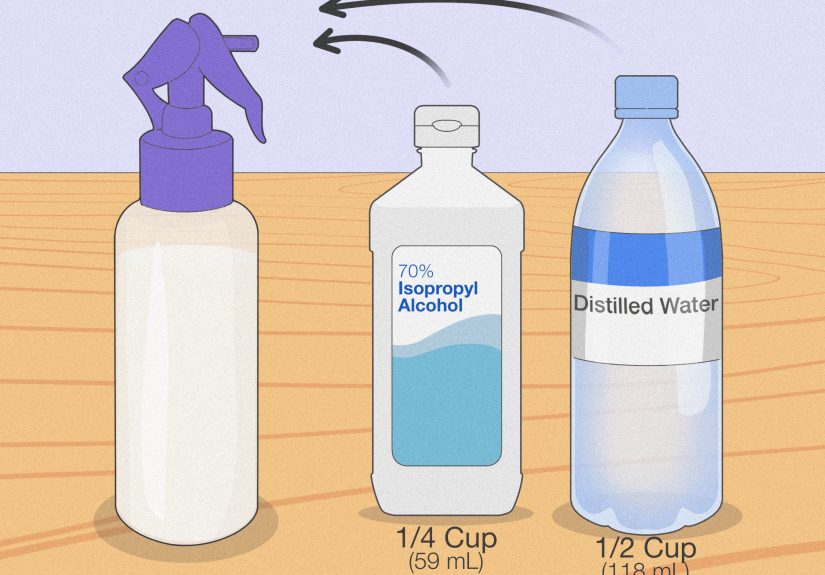
- 1 1/2 cups distilled water
- 3 ounces plain vodka or rubbing alcohol
- 15–25 drops essential oils (optional)
- 1 clean 16-ounce spray bottle (glass or opaque plastic)
How to make it
- Add alcohol first: Pour vodka or rubbing alcohol into a measuring cup or directly into the bottle using a funnel.
- Add essential oils: If using oils, add them to the alcohol and stir/swirl first. This helps disperse them better.
- Add distilled water: Pour in the distilled water.
- Shake: Cap the bottle tightly and shake well.
- Label it: Write the ingredients and date on the bottle. Future You will be grateful.
Before each use: Shake the bottle well, especially if you used essential oils. Oil and water are not best friends.
Alternative Recipes (Still No Fabric Softener)
Option A: Witch Hazel Fabric Spray
If you want a slightly gentler-smelling base than rubbing alcohol:
- 1/4 cup witch hazel
- 3/4 cup distilled water
- 10–20 drops essential oils (optional)
This works well for lightly freshening linens and curtains. Shake before each use.
Option B: Low-Scent / Fragrance-Free Freshener
If you’re sensitive to scents or just don’t want your couch smelling like a “botanical spa meadow”:
- 1 cup distilled water
- 1/4 to 1/2 cup plain vodka
This won’t add fragrance, but it can help freshen fabrics between washes.
Option C: Baking Soda Boost (Advanced, Clog-Prone if Overdone)
- 1 1/2 cups warm distilled water
- 2–3 tablespoons rubbing alcohol or vodka
- 1/2 teaspoon baking soda (fully dissolved)
- 10–15 drops essential oil (optional)
Mix thoroughly until the baking soda dissolves. Strain if needed before pouring into the bottle. If your nozzle starts acting dramatic, skip baking soda next time.
How to Use Homemade Fabric Spray Safely
A DIY spray is simple, but the safety part mattersespecially if you’re using rubbing alcohol and essential oils.
Patch test first (always)
Spray a small hidden area (inside hem, back corner, underside of cushion), then let it dry. Check for spotting, color changes, or residue before spraying larger areas.
Check the fabric care code
Upholstery and fabric items often have care codes (like W, S, W/S, X). These codes tell you what types of cleaners are safe. If you can’t find a tag, treat the item cautiously and patch test in an inconspicuous area.
Use a light mist, not a soak
More spray does not equal more freshness. It equals damp couch. Hold the bottle 8–12 inches away and lightly mist.
Let it dry completely
Allow fabrics to air dry before sitting on them, using them, or storing them. Open a window or run a fan if needed.
Keep away from heat and flames
If your recipe contains alcohol, keep it away from candles, fireplaces, hot lamps, and stovetops. Don’t spray near open flames. Also avoid using it while ironing or around heat sources.
Use in a ventilated area
Even DIY sprays can irritate some people. If you or someone in your home is sensitive to strong odors, use minimal fragrance and ventilate the room well.
Use extra caution with kids and pets
Essential oils are concentrated and can be irritating or harmful if misused. Store your spray out of reach of children. Be careful using essential oils in homes with pets, especially on pet bedding or areas where animals groom themselves.
Where You Can (and Shouldn’t) Use It
Usually okay (after patch testing)
- Sofas and upholstered chairs (care code permitting)
- Curtains
- Bedding and pillows
- Blankets
- Closet fabrics
- Car fabric seats (light mist only, patch test first)
Use caution or skip
- Silk
- Velvet (depends on care instructions)
- Leather and suede
- Dry-clean-only items
- Fabrics with water spots easily visible
- Anything labeled “X” care code (vacuum/pro only)
How to Make the Spray Actually Work Better
Here’s the secret nobody likes to hear: odor sprays work best when your fabrics are already reasonably clean.
Do this first for better results
- Vacuum upholstery regularly: Dust, crumbs, and pet hair hold odors.
- Wash washable fabrics: Blankets and cushion covers need laundering, not just perfume.
- Use baking soda separately: For a couch, sprinkle a small amount of baking soda, let it sit, then vacuum before using your spray.
- Treat stains and spills promptly: Old stains = old smells.
Think of your homemade spray as a maintenance tool, not a magic eraser for every mystery smell in the house.
Troubleshooting Common DIY Fabric Spray Problems
“It leaves spots on fabric.”
- Use fewer essential oil drops
- Shake more thoroughly before spraying
- Mist from farther away
- Patch test before full use
“The scent disappears too quickly.”
- Increase essential oils slightly (but don’t overdo it)
- Use a stronger scent blend (citrus fades faster than some woody/herbal oils)
- Refresh in layers with light reapplication after drying
“The rubbing alcohol smell is too strong.”
- Switch to plain vodka
- Use witch hazel as the base
- Reduce the alcohol ratio slightly (but drying time may increase)
“The nozzle clogs.”
- Skip baking soda next batch
- Use a finer, higher-quality spray bottle
- Rinse the nozzle with warm water
Final Thoughts
Making a homemade Febreze spray without fabric softener is easy, customizable, and a great option if you want a lighter, simpler fabric refresher. The best formula for most households is a mix of distilled water + vodka (or rubbing alcohol) + optional essential oils in a spray bottle.
Just remember the golden rules: patch test, spray lightly, ventilate the room, and don’t use it as a substitute for actual cleaning. Your couch still knows what happened during movie night.
Once you find a scent blend you like, you can make small batches for bedrooms, closets, guest linens, and everyday upholstery touch-upswithout relying on fabric softener.
Real-Life Experiences with Homemade Fabric Spray (Extra 500+ Words)
One of the most common reasons people start making a homemade fabric spray without fabric softener is frustration. They try a popular online recipe, spray it on a couch, and then wonder why the fabric feels slightly coated or why the scent is so strong it enters the room before they do. A homemade version with distilled water and alcohol solves that problem for many people because it feels lighter. The fabric usually dries faster, and the scent is easier to control. That “less is more” effect is exactly what makes this DIY approach so appealing in real homes.
A very typical experience goes like this: someone uses the spray first on bedding. Fresh sheets are already clean, so they don’t need deep odor treatmentjust a light refresh. A quick mist before bedtime can make the room feel tidier, even when the laundry basket says otherwise. People often find lavender and lemon blends especially pleasant for this because the scent reads “clean” without feeling overly sweet. And because they mixed it themselves, they can reduce the drops next time if the scent is too strong. That kind of flexibility is a huge advantage over store-bought products.
Another common use is for sofas and upholstered chairs, especially in homes with pets. A homemade spray won’t replace vacuuming or stain cleanup, but it can absolutely help between cleanings. Many people notice the biggest improvement when they pair the spray with a quick upholstery vacuum first. Dust, crumbs, and pet hair trap odors. Once those are removed, the spray works more like a finishing touch instead of trying to fight a full-blown odor situation on its own. In other words, it performs best when it’s part of a routine, not an emergency response team.
Closets are another place where DIY fabric spray tends to shine. Clothes that are clean but have been stored for a while can smell a little stale. A light mist on hanging garments (followed by drying time) can freshen things up before wearing. Many users also like spraying curtains, decorative pillows, and guest room linens before visitors arrive. It’s one of those small things that makes a home feel cared for, even if the junk drawer still looks like a hardware store had a panic attack.
Of course, people also run into mistakesand that’s part of the learning curve. The most common one is using too much essential oil. The result can be spots, residue, or a scent that is way too intense. The second most common mistake is spraying too heavily. A fabric refresher should be a mist, not a soak. Once users switch to lighter sprays and smaller amounts of oil, results are usually much better. Another lesson many people learn quickly: label the bottle. “Mystery spray” is funny until someone uses your linen mist on a tabletop.
Overall, real-world experience with homemade fabric spray is less about perfection and more about practicality. It’s inexpensive, adjustable, and easy to remake in small batches. Most people who stick with it do so because they like having controlcontrol over ingredients, scent strength, and how often they use it. And honestly, there’s something satisfying about solving a household problem with a $3 spray bottle and a little kitchen-counter chemistry.





 Close
Close